
Keep your place. Ask another question.
When people hear the word blockade, they often picture something clean and technical: ships patrolling, radios crackling, cargo redirected. Then comes the detail that changes the civic question: enforcement can include U.S. “precision munitions” fired at the stern of a civilian merchant vessel to disable its propulsion.
That happened again this week in the Gulf of Oman. And it brings us back to one of the Constitution’s oldest tensions: when does sustained military action slide from the President’s day-to-day command into the kind of national decision that calls for Congress to step in?
Join the Discussion
What happened in the Gulf of Oman
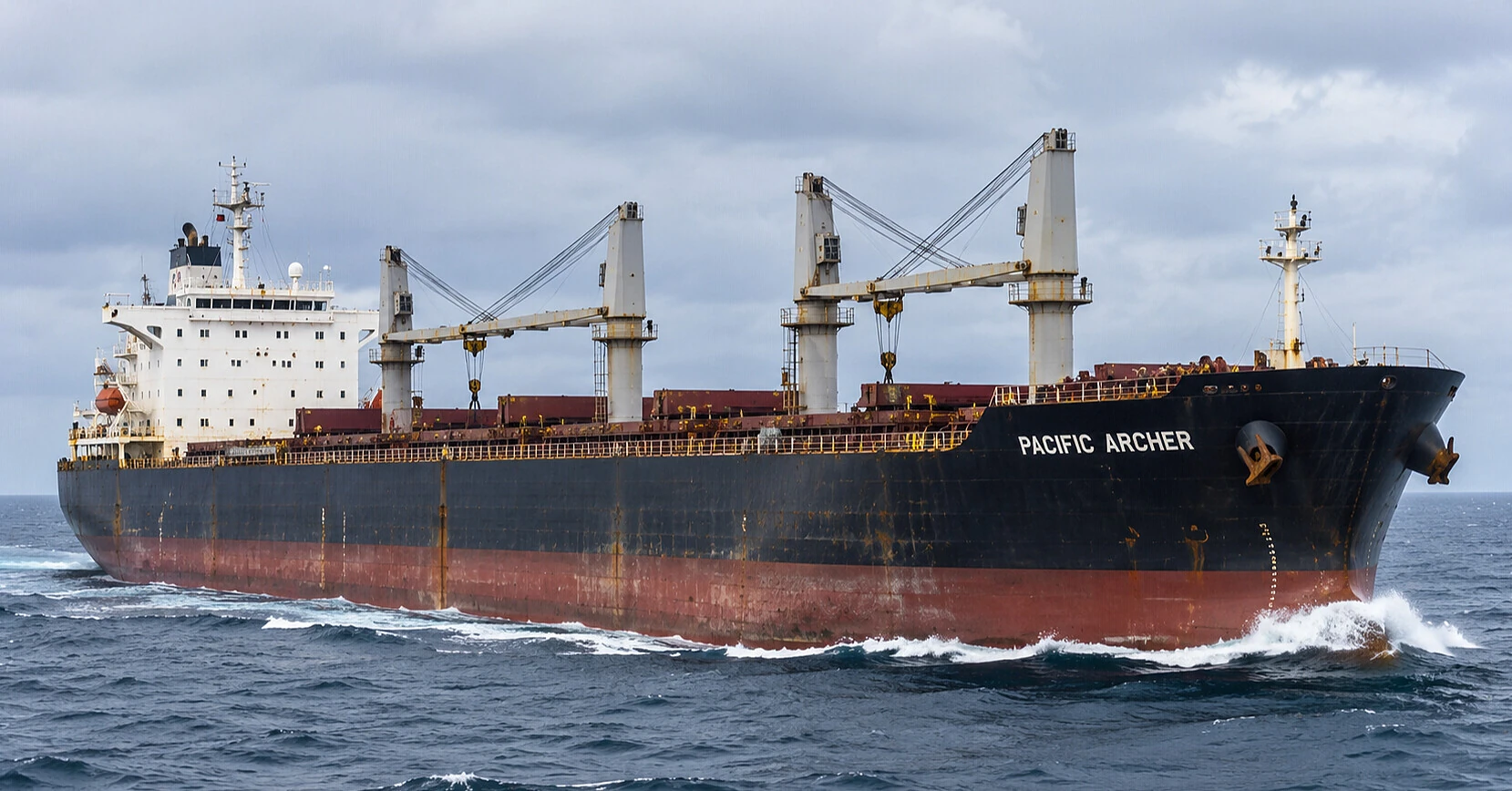
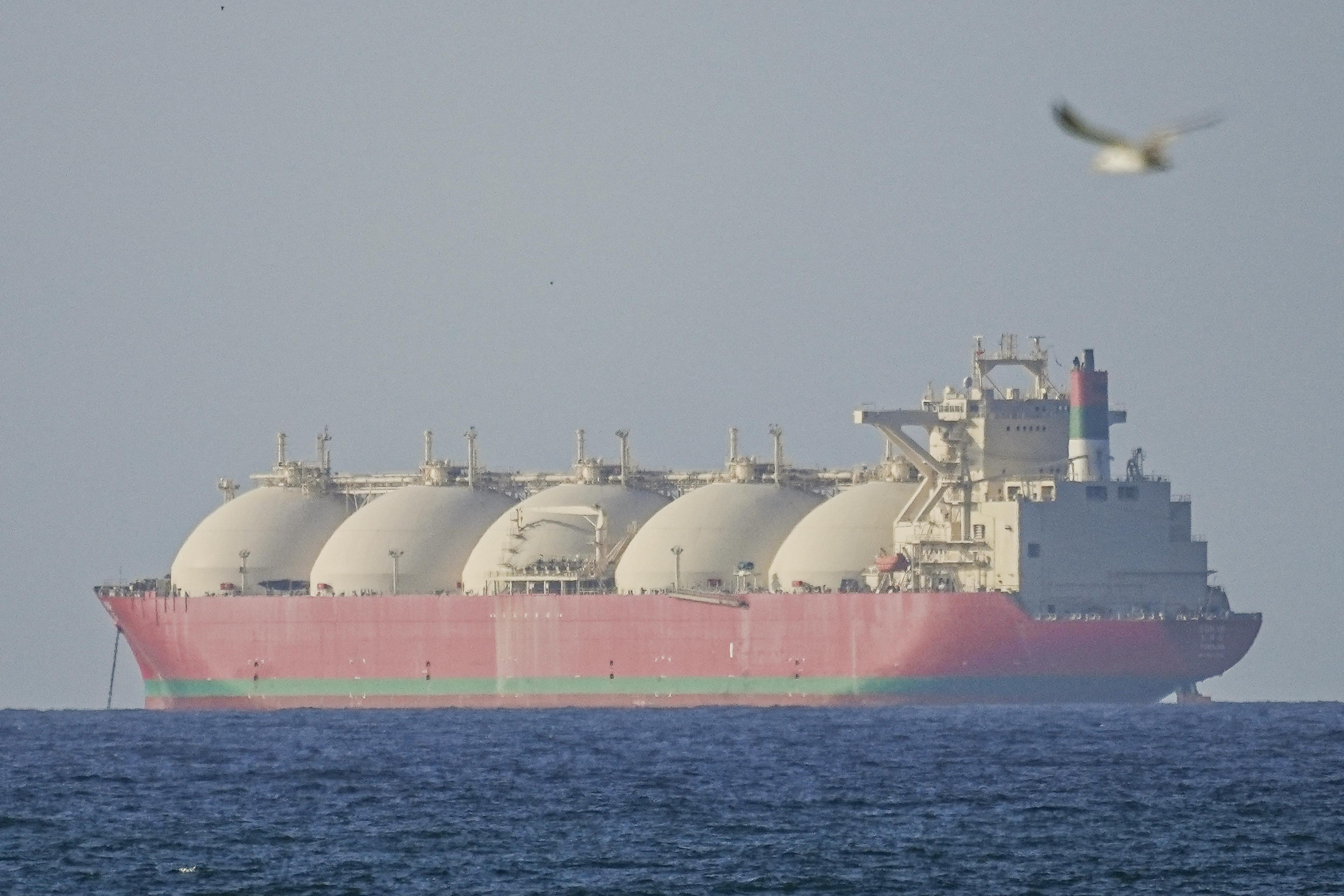
U.S. Central Command said a U.S. military aircraft fired “precision munitions” at the stern of the Palau-flagged M/V Pacific Archer on Thursday. The military said the ship’s propulsion was ultimately disabled and that the civilian crew was unharmed.
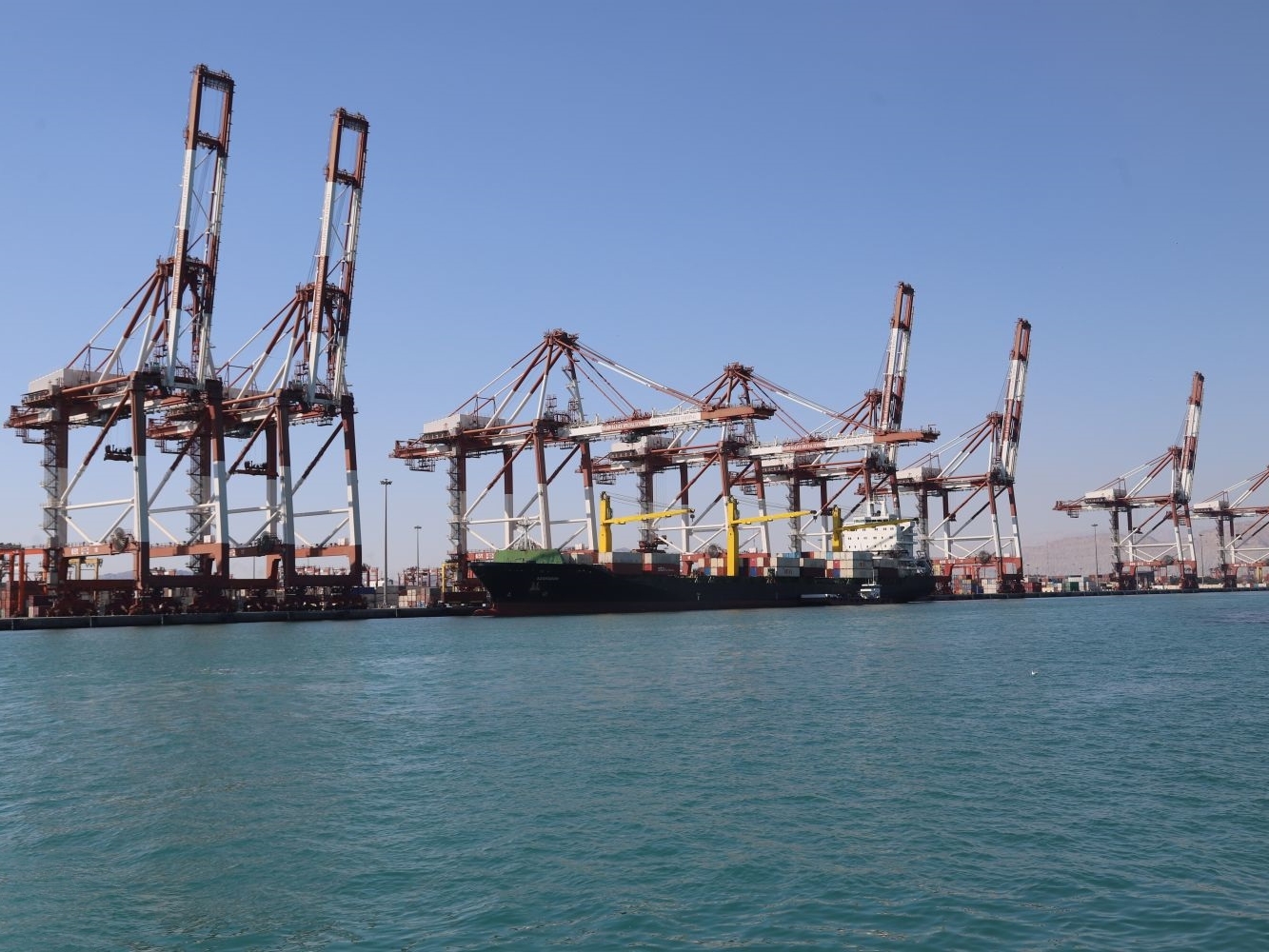
U.S. Central Command said the vessel had left the Iranian port of Bandar Abbas before it attempted to run the blockade. Ship tracking websites listed its destination as Singapore.
Iran’s naval commander, Shahram Irani, said Friday on state television that Iran will carry out operations “that will not only break the naval blockade but also drive the enemy out of the region’s waters.”
The broader situation
The strike comes as the Trump administration weighs its options in the long-simmering war with Iran, which began at the end of February and has settled into a quiet stalemate in the past several months.
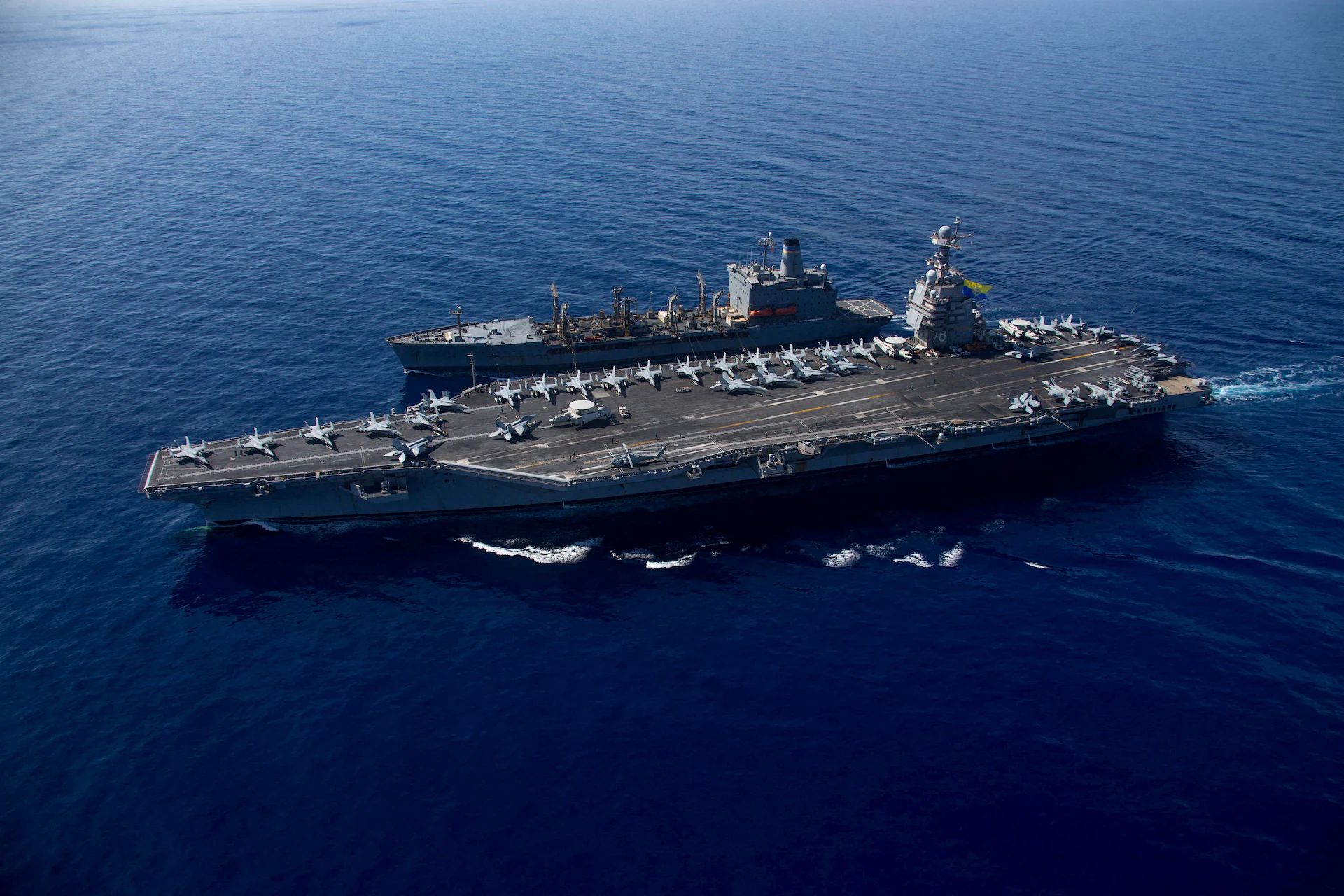
The U.S. military has maintained a sizable naval force in the region, including a constant presence of two aircraft carriers and a host of other ships.
The blockade is a continuing operation
The strike on the Pacific Archer did not occur in isolation. The United States has been blockading Iranian ports since April. The blockade was lifted in the summer during talks with Tehran, then resumed in July.
Since the blockade resumed, the U.S. military says it has redirected 158 merchant ships, disabling ships that refuse to comply. The Pacific Archer is at least the 15th disclosed vessel disabled since the blockade began in the spring, and the sixth since it resumed in the summer. The prior disclosed disabling was on Nov. 7.
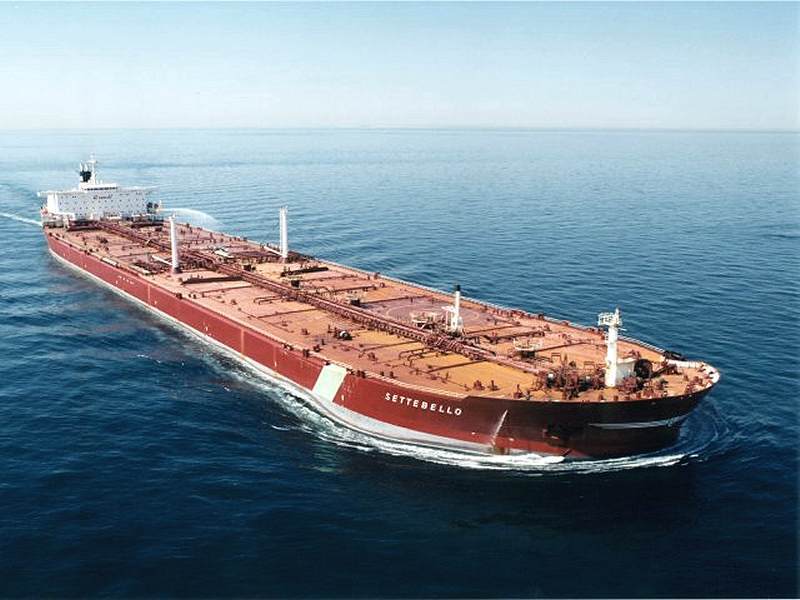
In June, this practice drew condemnation after a strike on a tanker attempting to evade the blockade resulted in three deaths. India’s officials said three Indian sailors were killed when American forces struck the Palau-flagged M/T Settebello. The leader of the International Maritime Organization, a United Nations agency, condemned that attack.
U.S. Central Command has consistently said American forces issue multiple warnings before firing on merchant ships.
Congress and the President
The Constitution splits war powers on purpose. Congress has the power to declare war, to raise and support armies, to provide and maintain a navy, and to make rules for the armed forces. The President is the Commander in Chief of the armed forces.
That division leaves a hard question that never fully goes away. Presidents direct military operations. Congress, in theory and in practice, is built to represent the public in deciding whether the nation will sustain a larger course of conflict.
So where does a months-long blockade fit?
Why the word “blockade” matters
A blockade is not a single incident. It is a continuing effort to control access to another country’s ports and coastline. It also sweeps in third parties, because merchant shipping is global and civilian.
In this case, the enforcement record described by the military includes repeated decisions to disable ships that refuse to comply. And earlier this year, one enforcement action ended with civilian deaths.
None of that answers the constitutional question by itself. It frames it. If the United States is maintaining a maritime operation for months, repeatedly using force to enforce it, it is fair to ask whether Congress is exercising its own role with enough clarity.
Does it require Congress?
The Constitution does not contain a simple timer that says, “After X days, Congress must vote.” The harder inquiry is about role and accountability, and it is where reasonable people disagree.
Here is the argument for Congress getting off the sidelines
- Duration: A blockade maintained since April, paused, then resumed in July looks less like a brief episode and more like a sustained posture.
- Repeated uses of force: Disabling vessels that refuse to comply is not a one-time decision. It is a recurring choice with predictable consequences.
- Escalation risk: Iran’s navy commander is talking about breaking the blockade and driving an enemy from the region’s waters. That is not the language of a closed file.
- Civilian stakes: These are merchant ships with civilian crews. June’s deaths show what enforcement can cost.
Read as an argument, not a verdict: the more a policy looks like a continuing commitment, the stronger the case that Congress should authorize it, limit it, or end it through law, funding, and oversight.
Why it matters beyond the strait
Iran’s Revolutionary Guard claimed Friday that two tankers attempted to transit the Strait of Hormuz through an “unauthorized” route, saying one struck a naval mine and the other was forced to turn back. Those claims could not be independently verified.
Meanwhile, oil flows in the first two weeks of November fell by about 20% to around 13 million barrels per day compared with October, when exports were roughly 15 to 16 million barrels per day, according to Rystad Energy. Disruptions to chokepoints can lengthen voyages, raise fuel costs, drive port congestion, and add uncertainty.
Those facts do not settle the separation-of-powers dispute. They sharpen it. When a military-backed policy shapes global commerce and persists over months, it becomes harder to treat it as merely tactical.
Bookmark’s bottom line
A President can command the Navy. But a blockade maintained for months and enforced through repeated actions against civilian merchant ships looks less like a moment of crisis response and more like a continuing national posture.
That is where Congress is meant to enter the story, not after the fact, not only through speeches, but through lawmaking and oversight that answers the public’s basic question: Is this the course we choose?
Keep your place. Ask another question.