
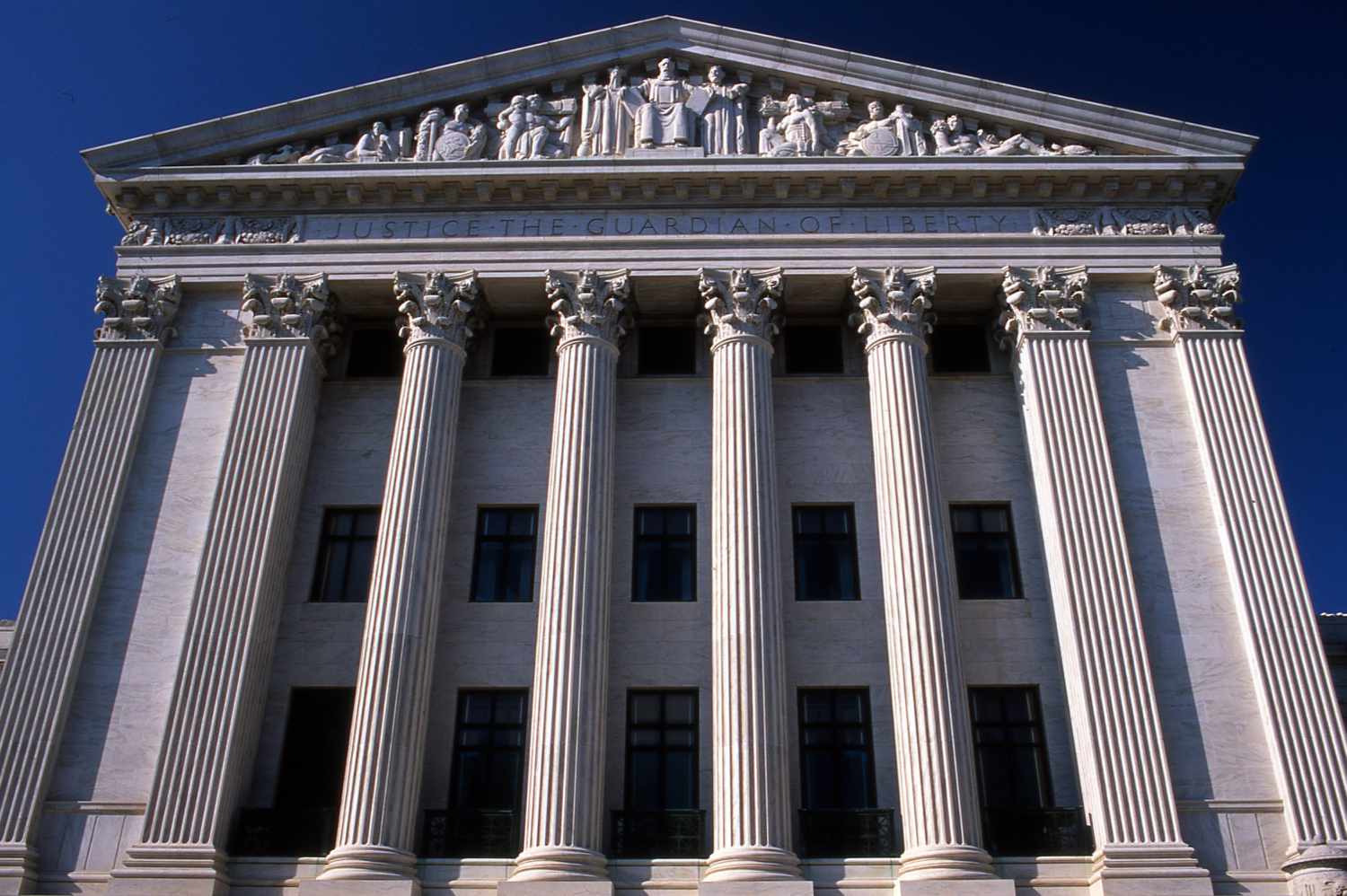
When most people think about deportation, they picture a straightforward sequence: the government issues a removal order, and the person is sent back to their home country. The Supreme Court is now considering a case that highlights what happens when that final step is not available.
The Department of Homeland Security says that in some situations, a person is legally removable, but their home country will not accept them. In those moments, DHS argues, the government faces a limited set of outcomes: find a different country willing to take the person, or release them back into the United States.
Join the Discussion
The policy
“Third-country” removals are deportations to a country that is not the person’s country of citizenship. DHS says it has increasingly used third-country removals when a removable alien cannot be returned to his home country, or when that country refuses to take him back.
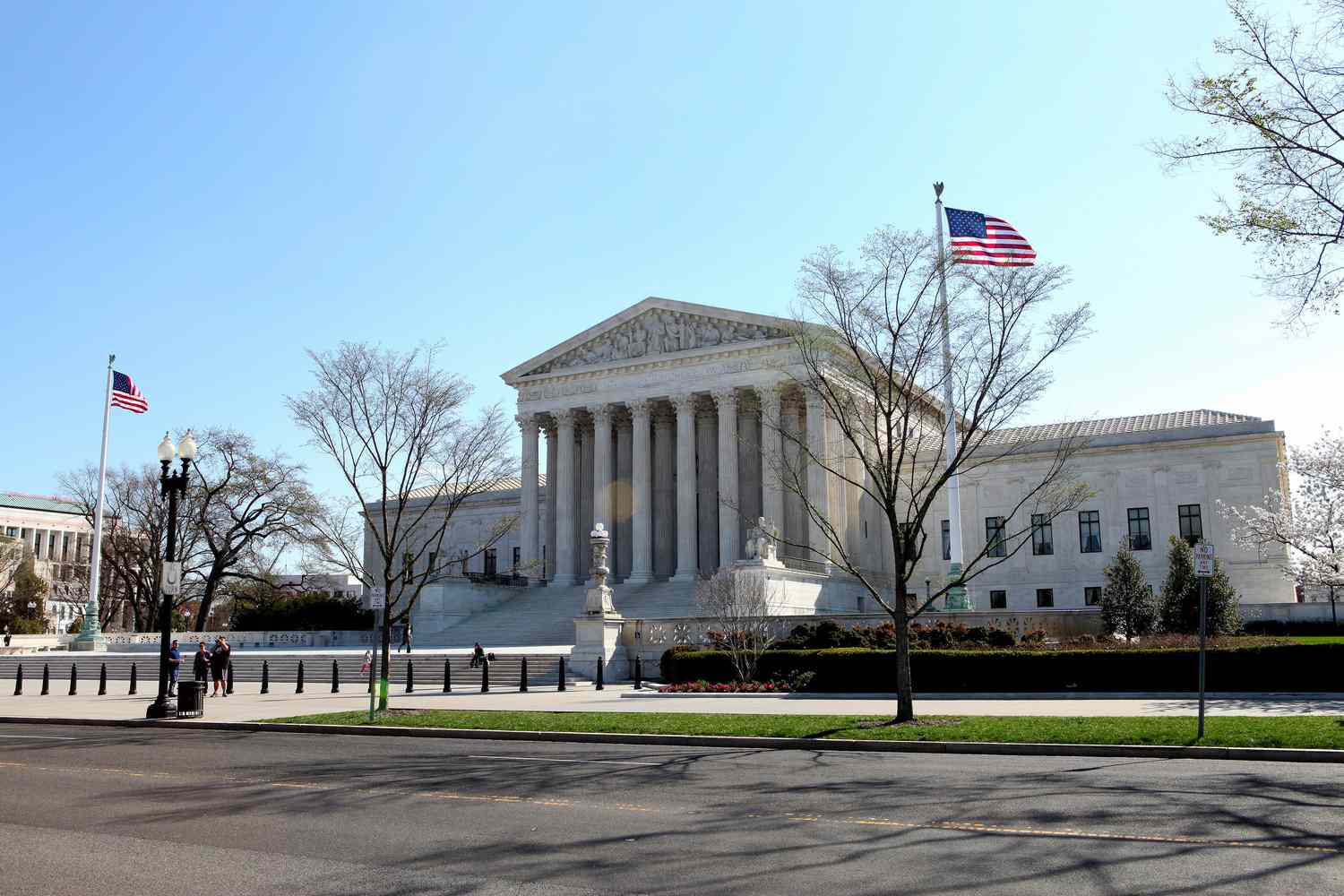
This week, the Supreme Court temporarily allowed the Trump administration to keep using its third-country deportation guidance while the legal challenge continues. The justices stayed a lower court judgment that had restricted the policy, meaning the guidance remains in effect while the Court considers the case on the merits. Arguments are scheduled for December.
The dispute does not squarely challenge DHS’ underlying authority to conduct third-country removals. Instead, the case focuses on what procedures the agency must follow beforehand, including questions about compliance with federal immigration law, due process, and safeguards against torture.
DHS’ stated dilemma

DHS General Counsel James Percival has been blunt about what the agency says is at stake when a home country will not accept a person ordered removed.
“Imagine going to a country and saying, ‘Hey, we’ve got a guy, he’s not your guy, and he’s a rapist, but can he please live there?’” Percival said. “That’s not an easy ask. It requires significant diplomatic energy. … Norway is not taking a rapist from Cuba.”
He put it even more starkly in a second example: “If the person is a child rapist and serves 20 years, we have two choices: Find a third country or let the child rapist go live in an American community.”
That framing is central to DHS’ defense of the policy: if removal to the home country is blocked, the agency says the remaining options narrow quickly.
What DHS cites in the law
Percival argues the administration is using an authority that is already in federal immigration law, rather than creating a new power.
“It’s in the statute expressly that we can do this,” he said. “If you go back and read most of the immigration laws, there's a lot of really good tools in there that people just haven't used.”
The third-country provision was included in the Illegal Immigration Reform and Immigrant Responsibility Act, a major immigration reform package passed by Congress and signed by President Bill Clinton in 1996.
Percival also described a broader view of why some legal authorities go unused. “A lot of people in government sort of treat their authority like fine china,” he said, adding that fear of losing authority can lead officials to avoid using it at all.
A detention backdrop
DHS has also pointed to how detention law can constrain the government when removal cannot be carried out. Percival has linked that reality in part to the Supreme Court’s 2001 decision in a case involving a stateless legal resident ordered deported due to his criminal record.
Kestutis Zadvydas was born to Lithuanian parents in a German displaced persons camp, but neither Lithuania nor Germany would accept him.
The Court held that six months of post-removal detention is presumptively reasonable. After that, continued detention can be challenged if removal is not reasonably foreseeable.
Equatorial Guinea criticism
Percival’s public defense of third-country removals has drawn criticism from human rights advocates, who have pointed to allegations that deportees were beaten by authorities in Equatorial Guinea, a tiny nation on Africa’s Atlantic coast led by President Teodoro Obiang since 1979.
Obiang’s government received $7.5 million from Washington as part of an agreement with Malabo to accept third-country deportations.
“I’d rather live in the United States than Equatorial Guinea too, but I’m an American citizen, and I haven’t killed anybody,” Percival said.
“Daily Deportee” push
Percival has been making the argument publicly through his “Daily Deportee” series on X, highlighting criminal deportees whose home countries will not accept them.
He cited Burmese national Kyaw Mya as an example of someone whose home country will not take him back. Percival also said another case he plans to feature involves a migrant who committed a violent crime, was not removed by the Bush administration after serving time, and then allegedly reoffended after his release.
“[He] tried to kill somebody, the gun misfired, so he pistol-whipped them instead. He served time for that. He got out,” Percival explained.
Another option DHS promotes
As DHS continues seeking to use underutilized tools in the IIRIRA, Percival also pointed illegal immigrants and criminal resident aliens to an option Homeland Security Secretary Markwayne Mullin continues to keep on the table.
“It’s not too late to get $3,000 and a flight home,” Percival said.
What comes next
With the lower court judgment stayed, DHS’ third-country guidance remains in effect while the Supreme Court considers the case on the merits.
December arguments are expected to focus on procedure: what steps the agency must take before conducting a third-country removal, and whether those procedures satisfy federal immigration law, due process, and safeguards against torture.