
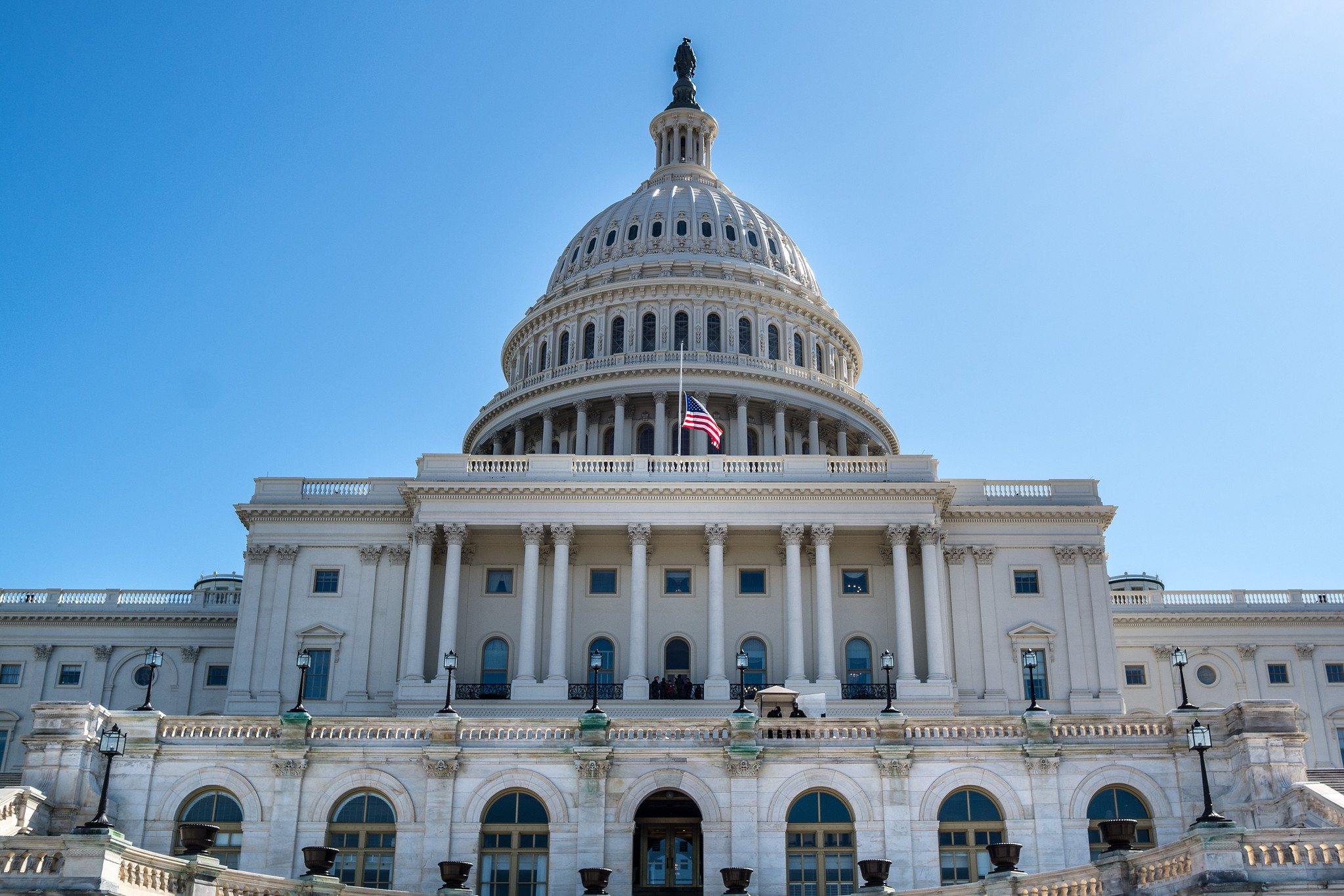
When a president publicly signals that military strikes are prepared, it triggers a very American question: can the President actually order military force without Congress? The Constitution splits war powers on purpose. Article II makes the president commander in chief. Article I gives Congress the power to declare war, raise and fund armies, and regulate the armed forces.
Those powers overlap in the real world, especially when threats feel immediate. But the overlap is not a blank check. Modern practice is shaped by a tug of war among three things: (1) the Constitution’s text and structure, (2) statutes Congress has passed, especially the War Powers Resolution, and (3) decades of presidential precedent and political acquiescence.
Join the Discussion
What the Constitution says
Congress: declare war, fund war, define war
Article I, Section 8 gives Congress the powers most people associate with starting and sustaining a conflict. Congress can:
- Declare War
- Raise and support armies and provide and maintain a navy
- Make rules for the armed forces
- Call forth the militia and organize it
- Control funding, including through appropriations that can be restricted in time and scope
That last one is the quiet giant. Even when presidents initiate hostilities, Congress can constrain, condition, or terminate involvement by controlling money and by writing limits into authorizations and appropriations.
The President: commander in chief
Article II, Section 2 says the president is the Commander in Chief of the Army and Navy. In practice, that power is about directing forces in the field and responding to sudden attacks or rapidly developing threats.
But commander in chief does not mean “sole decider of war.” Many historians and judges read the Founding-era debates to reflect a basic design choice: the initiation of major war should require legislative buy-in, because deliberation is a feature, not a bug, when the country is being asked to commit lives and treasure.
Can a president order strikes without Congress?
Sometimes, yes, especially for limited actions, emergencies, or defensive responses. The U.S. has a long history of presidents ordering military force without a formal declaration of war.
To make this less abstract, consider the modern pattern: presidents have ordered limited strikes and operations first, then argued about the legal label later, including whether the action amounted to “war” in the constitutional sense. Examples often discussed in war-powers debates include the 2011 Libya operation and various Syria strike episodes, where administrations leaned on Article II (and sometimes existing statutory authorities) while Congress argued over whether and how to authorize, limit, or end the use of force.
The hardest part is not identifying that presidents do it. The hard part is identifying the legal boundary between:
- short-term uses of force that presidents claim fall within Article II, and
- war in the constitutional sense that requires Congress to authorize.
Courts rarely draw that line for us. They often find war powers disputes hard to adjudicate because of standing problems, the political question doctrine, or both. Cases frequently cited in this area include Campbell v. Clinton and Dellums v. Bush, which illustrate how difficult it can be to get a definitive judicial ruling on the merits.
War Powers Resolution
Congress passed the War Powers Resolution of 1973 (often called the War Powers Act) to reassert legislative control after Vietnam. Presidents of both parties have questioned its constitutionality, but many administrations still treat it as a framework they comply with at least in part.
In simplified form, the statute does three big things:
- Reporting: when U.S. forces are introduced into hostilities (or situations where hostilities are imminent), the president must report to Congress within 48 hours.
- Time limit: absent congressional authorization, forces generally must be withdrawn within 60 days, with an additional 30-day period for safe withdrawal.
- Pressure on Congress: the reporting requirement and the withdrawal clock are meant to force the war question onto Congress’s agenda, even though the law does not literally compel Congress to vote.
Enforcement has also been politically contested. And after INS v. Chadha (1983), Congress’s ability to use one-house or two-house “legislative veto” style shortcuts to force outcomes was significantly constrained, which is one reason the War Powers Resolution often functions more like a political framework than a clean on-off switch.
The key phrase is “hostilities,” which is famously fuzzy. Presidents may argue that certain operations are limited enough not to count as “hostilities” for the statute’s strongest requirements. Congress often disagrees. That ambiguity is one reason the war powers fight never truly ends.
Authorization is not always a declaration
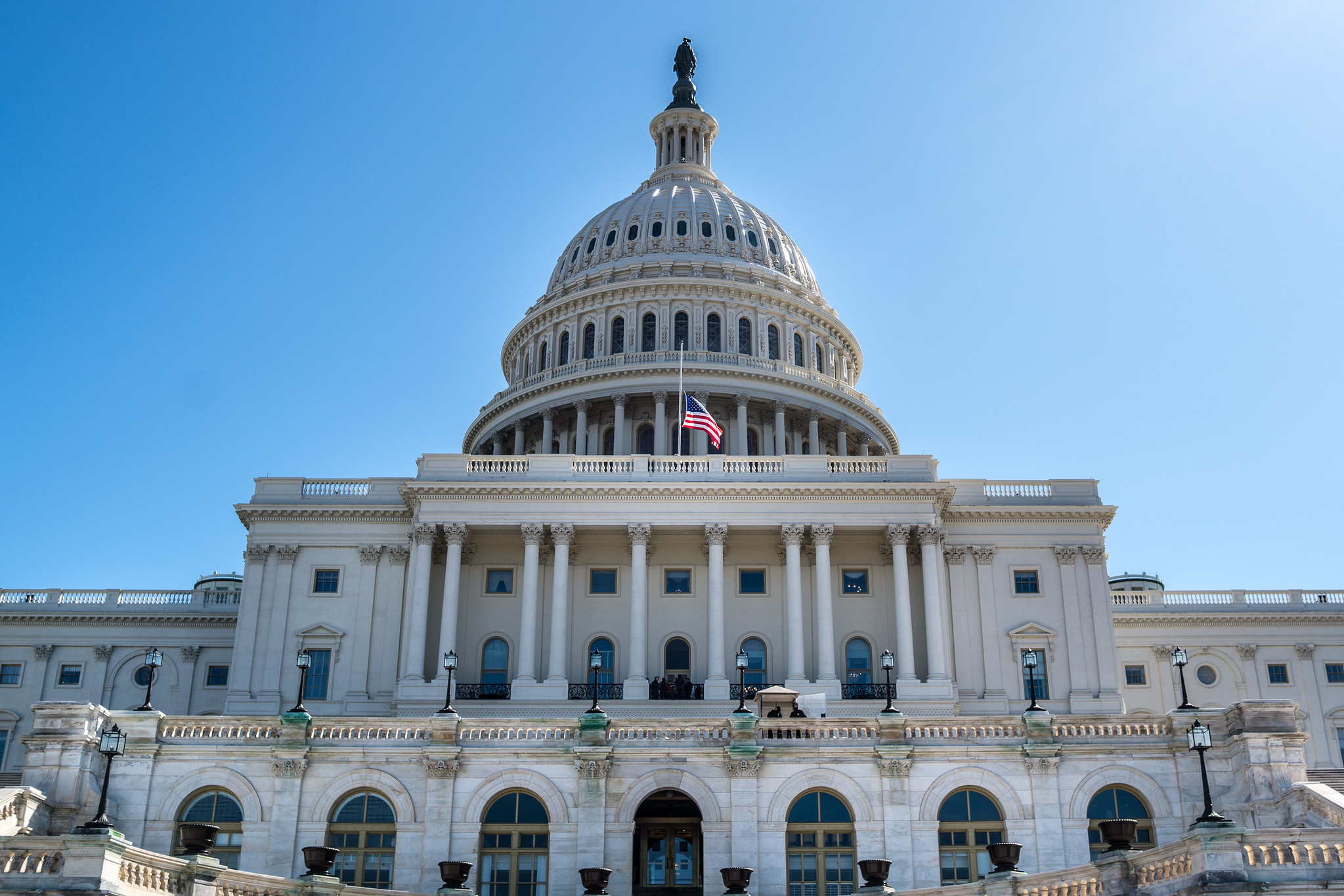
Americans tend to think the constitutional choices are binary: either Congress declares war, or the president is acting alone. Modern law has a third, very common category: statutory authorization.
Congress frequently authorizes force through an Authorization for Use of Military Force (AUMF). An AUMF is not a declaration of war, but it is Congress giving the president legal authority to use military power under defined terms. Some AUMFs are broad. Some are narrow. Their scope matters because they can become the legal foundation for operations long after the immediate crisis has passed.
It also matters that some administrations have argued Congress can “authorize” force indirectly through appropriations or other forms of ratification. That theory is contested, but it is part of the real-world chessboard.
If military action against a foreign nation is contemplated, a central question is whether there is:
- a new, specific authorization from Congress, or
- an existing statute that plausibly covers the operation, or
- only the president’s claimed Article II authority.
Strikes tied to an assassination threat
A threat to assassinate a sitting U.S. president is not just “rhetoric.” It is a security and criminal matter. Domestically, threats can trigger investigation and protection responses. Internationally, if the U.S. claims a threat is credible and imminent, presidents often argue they have Article II power to take defensive military action to protect U.S. persons and interests.
That said, the Constitution does not include a “threat exception” that automatically converts any threat into an open-ended authority to wage war. A limited defensive strike and a sustained campaign to “decimate and destroy” a country are not the same thing in constitutional terms. The broader and longer the operation, the stronger the argument becomes that Congress must authorize it.
Is it a federal crime to threaten the president?
Yes. Under federal law, knowingly and willfully threatening the President of the United States is a crime. The best-known statute is 18 U.S.C. § 871, which covers threats against the president.
Two important clarifications often get lost in viral conversations:
- Jurisdiction and evidence: Investigating a threat is one thing. Proving a prosecutable threat is another. Context, intent, and the nature of the communication matter.
- Criminal law is not war authorization: Even a serious foreign threat does not automatically supply congressional authorization for prolonged hostilities. Criminal statutes address enforcement and punishment, not the constitutional allocation of war-making power.
If the threat is tied to foreign actors, the response can involve law enforcement, intelligence tools, sanctions, diplomacy, and in some circumstances military action. Which tool is lawful depends on which legal authority is being used, and whether Congress has spoken.
The real test: scope, time, buy-in
Because courts rarely referee these disputes, the most realistic “test” of legality in practice looks like this:
- Scope: Is this a limited strike or something that looks like a sustained conflict?
- Duration: Is the action brief, or does it extend beyond the War Powers Resolution clock without authorization?
- Risk of escalation: Is the U.S. likely to be pulled into broader hostilities?
- Congressional posture: Has Congress authorized force, funded it, restricted it, or demanded withdrawal?
This maps closely onto the way executive branch lawyers often frame the question: whether the action serves important national interests, and whether its nature, scope, and expected duration fall short of “war” in the constitutional sense. That is not a magic formula, but it helps explain why administrations keep insisting some operations fit within Article II.
The Constitution’s design is not to make action impossible. It is to make commitment harder. Fast defensive moves are easiest to justify under Article II. Long wars are supposed to be politically owned by Congress.
Bottom line
A president can order some military strikes without Congress, especially in urgent or defensive scenarios. But a president cannot constitutionally transform that initial action into a sustained war on personal discretion alone. The longer, broader, and more destructive the campaign, the more the Constitution points back to Congress: authorize it, define it, and fund it.
When modern leaders talk like war is a single-person decision, the Constitution answers with a separation-of-powers reality check: the commander in chief can direct the military, but the American people, through Congress, are supposed to decide when the nation truly goes to war.