
The Constitution makes war powers feel simple on paper and slippery in real life. Congress has the power to declare war and to authorize, fund, and regulate the armed forces. The President commands the military. Then the world hands us problems that do not fit the Founders’ clean categories, like non-state drug cartels moving money, weapons, and people across borders, sometimes with firepower that looks less like crime and more like insurgency.
So when you hear that a president has ordered military strikes on cartel vessels, the immediate question is not just whether it “worked.” It is whether the President can do it legally without Congress, and if so, for how long.
Join the Discussion
The basic split: Congress authorizes, presidents direct
Article I gives Congress the power to declare war, raise and fund the armed forces, regulate the military, and control the purse. Article II makes the President the Commander in Chief of the armed forces.
Those clauses create a tension by design. The Framers wanted energy in emergencies, but they also wanted the decision to take the nation from peace to sustained conflict to run through the branch closest to the people.
In modern practice, presidents often treat Commander in Chief power as permission to use force quickly when they believe U.S. interests or Americans are in immediate danger. Congress often responds after the fact by funding operations, criticizing them, authorizing them, or trying to constrain them.
What the Constitution does not give us is a neat sentence that says: “Here is the exact number of strikes a president may order before Congress must vote.” That gap is why statutes like the War Powers Resolution exist and why the debate never really goes away.
What the War Powers Resolution requires
After Vietnam, Congress passed the War Powers Resolution of 1973 to force clearer accountability. Presidents of both parties have questioned its constitutionality or its application in particular circumstances, but most administrations still follow its reporting routines as a matter of practice, often with the familiar caveat: they are acting “consistent with” the Resolution.
Here is the structure that matters for cartel strikes:
- 48-hour report. The President must report to Congress within 48 hours when U.S. forces are introduced (1) into “hostilities” or situations where imminent involvement in hostilities is clearly indicated, (2) into the territory, airspace, or waters of a foreign nation while equipped for combat (with exceptions), or (3) in numbers that substantially enlarge U.S. combat-equipped forces already present.
- 60-day clock (plus withdrawal). Absent a declaration of war or specific statutory authorization, the President must terminate the use of U.S. forces within 60 days. The statute also contemplates up to an additional 30 days for safe withdrawal. The 60-day period runs from when the report is submitted or required to be submitted.
- The definitional fight. A recurring pressure point is whether a particular operation counts as “hostilities.” Administrations have sometimes argued that limited or low-risk operations do not trigger the clock the way Congress intended.
If cartel boat strikes involve repeated engagements, the harder it becomes to describe them as something other than hostilities. Also, because the statute is not only about “hostilities,” a maritime operation in foreign waters with U.S. forces equipped for combat can raise War Powers issues even if an administration tries to downplay the level of fighting.
Article II: when presidents act without Congress
Even critics of expansive presidential power usually concede a narrow core: the President can act to repel sudden attacks and protect Americans when there is no time for Congress to deliberate.
That authority is strongest when:
- There is an imminent threat to U.S. persons or forces.
- The action is limited in scope and duration.
- The purpose is defensive, such as protecting ships, rescuing Americans, or stopping an immediate attack.
Cartels complicate that framework because they are not a foreign government with an army and a flag. They are criminal organizations. Their violence can be real, but it does not automatically convert into an “armed attack” in the classic international-law sense. Modern self-defense doctrine against non-state actors, including debates around the “unwilling or unable” standard, is contested and fact-specific. That means a president’s Article II justification often depends on the record: What threat was identified? How immediate was it? Who was targeted? Where did the strike occur? How likely was escalation?
Why cartel strikes are different
War powers debates usually imagine two nation-states. Cartel strikes usually involve at least three overlapping legal layers:
- U.S. constitutional law (Congress vs. President).
- U.S. statutory law (War Powers Resolution, any relevant authorizations, restrictions on funding, and other limits Congress has enacted).
- International law and sovereignty (whether force is used in another country’s territory or waters, and whether that country consents).
A strike on vessels in international waters has a different sovereignty profile than a strike on land inside another nation. A strike conducted with the consent of a partner government looks different from an operation conducted unilaterally.
But even consent does not solve the domestic question. Another country’s permission cannot replace Congress’s role if the operation becomes sustained hostilities or otherwise triggers the War Powers framework.
The AUMF question
When presidents use force without a new vote, they often lean on existing Authorizations for Use of Military Force (AUMFs), especially the 2001 AUMF (post-9/11) and the 2002 Iraq AUMF.
Those authorizations are tied to terrorism and specific conflicts. Drug cartels are not, by default, al Qaeda, ISIS, or associated forces under the 2001 AUMF framework. So using those AUMFs as a plug-and-play justification for cartel strikes would be legally controversial and would likely trigger intense oversight and political blowback. It could also prompt lawsuits, even though war-powers challenges frequently get dismissed on standing or political question grounds.
Congress could pass a new, cartel-specific AUMF. That would be the cleanest constitutional foundation for a sustained campaign, because it would transform the question from “Can the President do this alone?” to “What did Congress authorize, and what limits did it set?”
Strike or law enforcement?
The United States normally treats drug trafficking as a law enforcement problem. The Constitution’s due process culture is built around arrests, indictments, and trials, not airstrikes.
But the military does assist in counterdrug operations, especially in detection, monitoring, intelligence support, and maritime cooperation. That support can stay clearly on the law-enforcement side of the line.
Once you move from support to kinetic force intended to destroy targets, you are in war powers territory even if the target is a criminal group. The key constitutional point is not what we call the target. It is what we are doing: introducing U.S. forces into hostilities, or into situations that trigger the War Powers reporting and timeline rules.
A quick checklist of other domestic legal tripwires sometimes raised in cartel scenarios:
- Posse Comitatus. It generally limits the military’s direct role in domestic law enforcement. It is less central if the use of force is abroad, but it becomes relevant fast if operations bleed into arrests, searches, or policing on U.S. soil.
- Title 10 vs. Title 50. Whether an operation runs as a Defense Department mission (Title 10) or a covert action framework (Title 50) affects oversight channels and reporting, even if it does not erase the underlying war-powers questions.
Why vessels matter
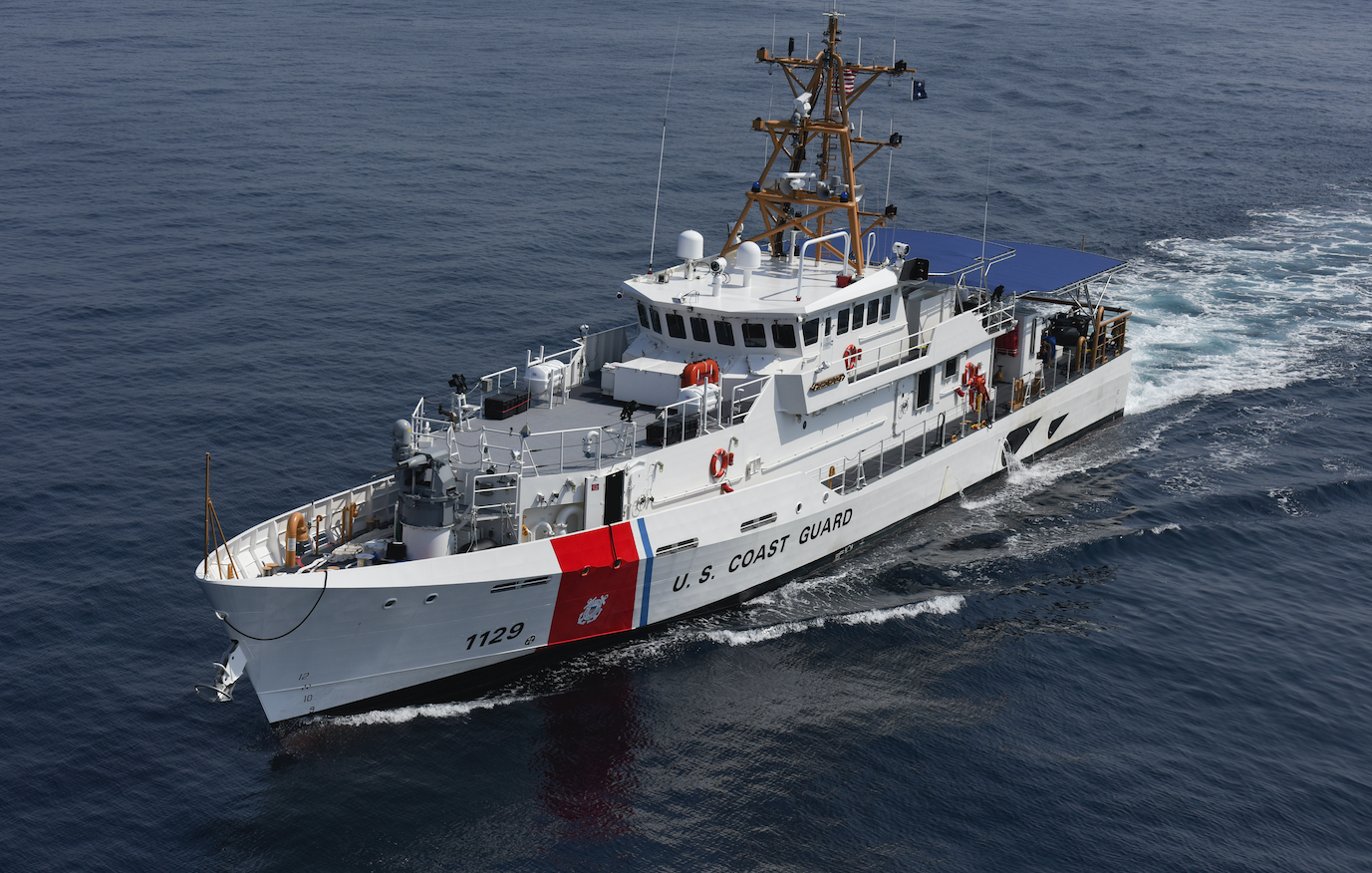
“Cartel boat strikes” are not just a land campaign moved offshore. Maritime operations sit on their own set of authorities and constraints.
As a rule of thumb, interdiction in international waters often turns on flag-state consent and a web of bilateral agreements and statutory authorities used in counterdrug missions. Those tools are built for boarding, seizing, and arresting, not necessarily for destroying vessels with military force. When the mission shifts from interdiction to strikes, the legal posture shifts with it, especially if the vessels are in foreign territorial waters or the operation looks like sustained hostilities.
One example: Libya and “hostilities”
If this all sounds abstract, there is a modern example that shows how the argument usually plays out. In 2011, the U.S. participated in military operations in Libya under a NATO campaign. The Obama administration argued the War Powers Resolution’s 60-day termination requirement was not triggered in the way critics claimed because the U.S. role, as described by the administration, did not amount to “hostilities” in the relevant sense. Many members of Congress disagreed.
The point is not that Libya and cartel operations are the same. It is that the pressure point is familiar: when an operation continues, and when the executive branch describes it as limited, the war-powers fight often turns on definitions, risk, and duration, not on whether anyone is firing weapons at all.
Do courts settle this? Usually not
People assume the Supreme Court will step in and draw a bright line. In practice, courts often avoid war powers disputes through doctrines like standing and the political question doctrine.
That does not mean there are no legal constraints. It means the constraints are often enforced politically rather than judicially: through reporting requirements, oversight hearings, appropriations fights, and elections.
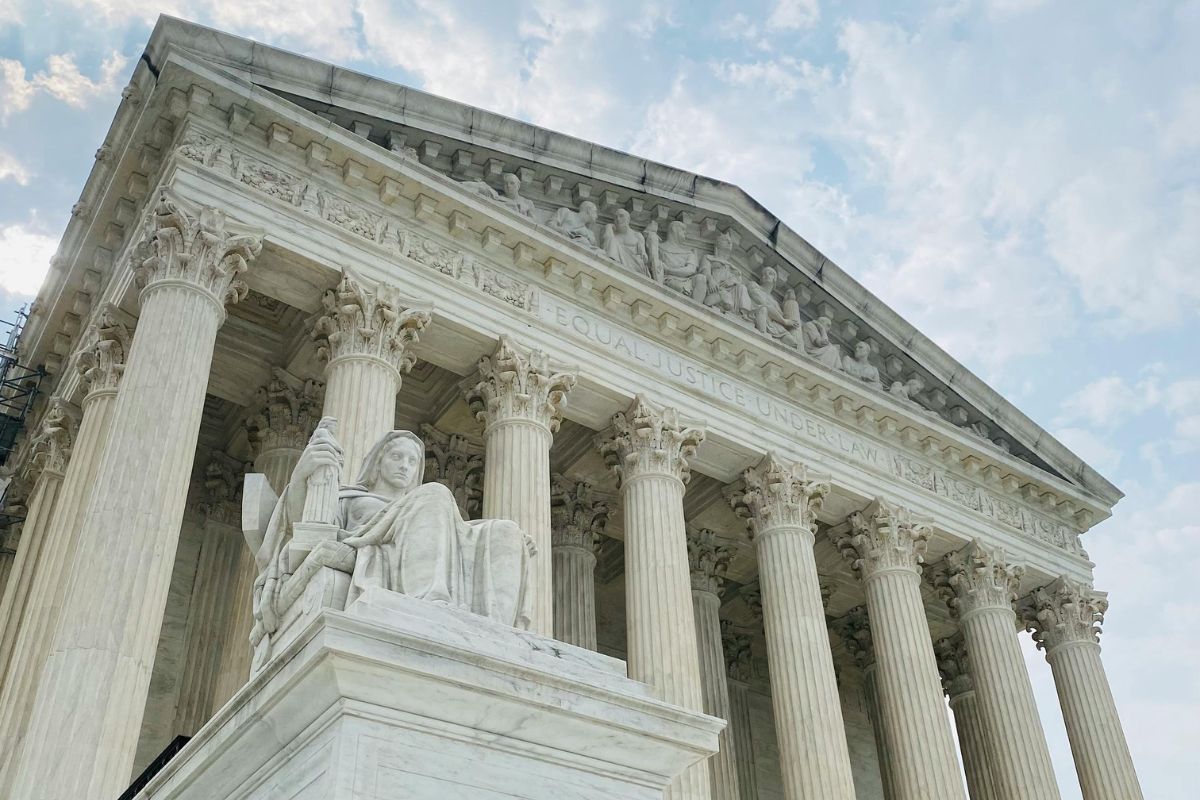
The Supreme Court has signaled that presidential power is weakest when the President acts against Congress’s expressed will. The classic framework comes from Youngstown Sheet & Tube Co. v. Sawyer (1952), which is not a war-strike case but is the case lawyers reach for when the President claims inherent power. Under Justice Jackson’s famous concurrence, presidential authority is at its maximum with congressional approval, in a gray zone when Congress is silent, and at its lowest when Congress has said no.
So can the President order cartel boat strikes?
Sometimes, yes, but it depends on what “strike” means.
A president has the strongest constitutional argument for unilateral action when the strike is genuinely defensive, necessary to protect Americans or U.S. forces, and limited in time and scope. Think of an immediate threat at sea, a rescue mission, or an action to stop an imminent attack.
The argument becomes weaker as the operation looks like a continuing campaign: repeated strikes, expanded target sets, sustained deployments, or a mission that is primarily punitive or coercive rather than defensive.
At that point, the constitutional gravity shifts toward Congress. Not because Congress needs to micromanage tactics, but because the decision to sustain hostilities is the decision to place the nation in a condition that looks like war, even if the enemy is not a state.
Practical guideposts to watch
If you want to understand whether a reported cartel-strike operation is likely to trigger serious constitutional conflict, look for a few concrete signals:
- Is there a War Powers report? If so, how does it describe the mission, the location, and the threat? Is the administration treating the trigger as “hostilities”, combat-equipped forces in foreign waters, or something else?
- Duration and repetition. One episode is different from a pattern.
- Geography and consent. Action in another country’s territory or territorial waters without consent escalates legal stakes quickly.
- Rules of engagement and targets. Are we hitting specific imminent threats or running a broader interdiction and destruction campaign?
- Congressional posture. Are leaders demanding a vote, offering an AUMF, or moving to restrict funding?
The deeper truth is that the Constitution’s war powers are a conversation between branches. When one branch tries to make it a monologue, the system strains. Cartel strikes test that strain because they sit in the space between war and policing, where labels are easy and limits are not.
FAQ
Does the President need Congress to order any military action?
No. Presidents have long used limited force under Article II in emergencies and to protect Americans. The constitutional fight is about sustained hostilities and broader campaigns.
Can existing terrorism AUMFs justify strikes on drug cartels?
Not cleanly. The 2001 and 2002 AUMFs are tied to specific terrorism-related conflicts. Treating cartels as covered forces would be legally and politically contested unless Congress clearly says so.
Does it matter where the vessels are?
Yes. U.S. action in U.S. waters, in a partner’s territorial waters, or on the high seas can raise different questions about sovereignty, maritime authorities, and whether the War Powers Resolution triggers are implicated.
Does partner consent change U.S. constitutional requirements?
Consent can reduce international-law and sovereignty friction, but it does not substitute for Congress if the operation becomes sustained hostilities or otherwise runs into the War Powers framework.
What happens if Congress objects?
Congress’s strongest tools are funding restrictions, oversight, and new legislation. Courts often do not resolve these disputes directly, which makes Congress’s political will a central factor.