
You can feel it every time the Supreme Court becomes the main character in the news: someone proposes a “fix” that sounds constitutional, even if it is really political. One of the recurring ideas is a “cap at nine,” often rolled into a House resolution meant to force a vote and draw lines.
Underneath the noise is a clean civics question with a surprisingly simple answer: the Constitution does not set the Supreme Court’s size. Congress does.
Join the Discussion
Does the Constitution require nine justices?
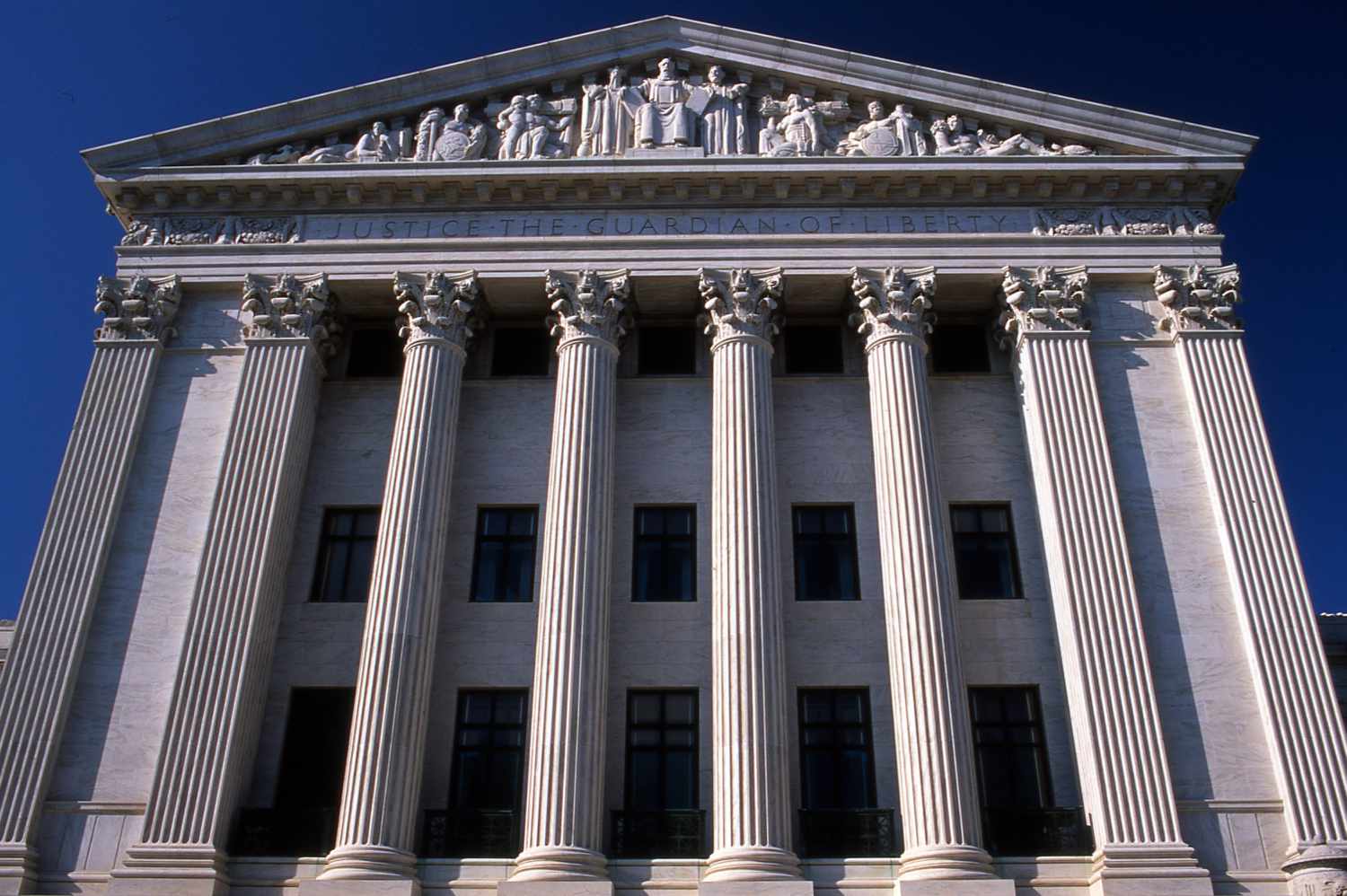
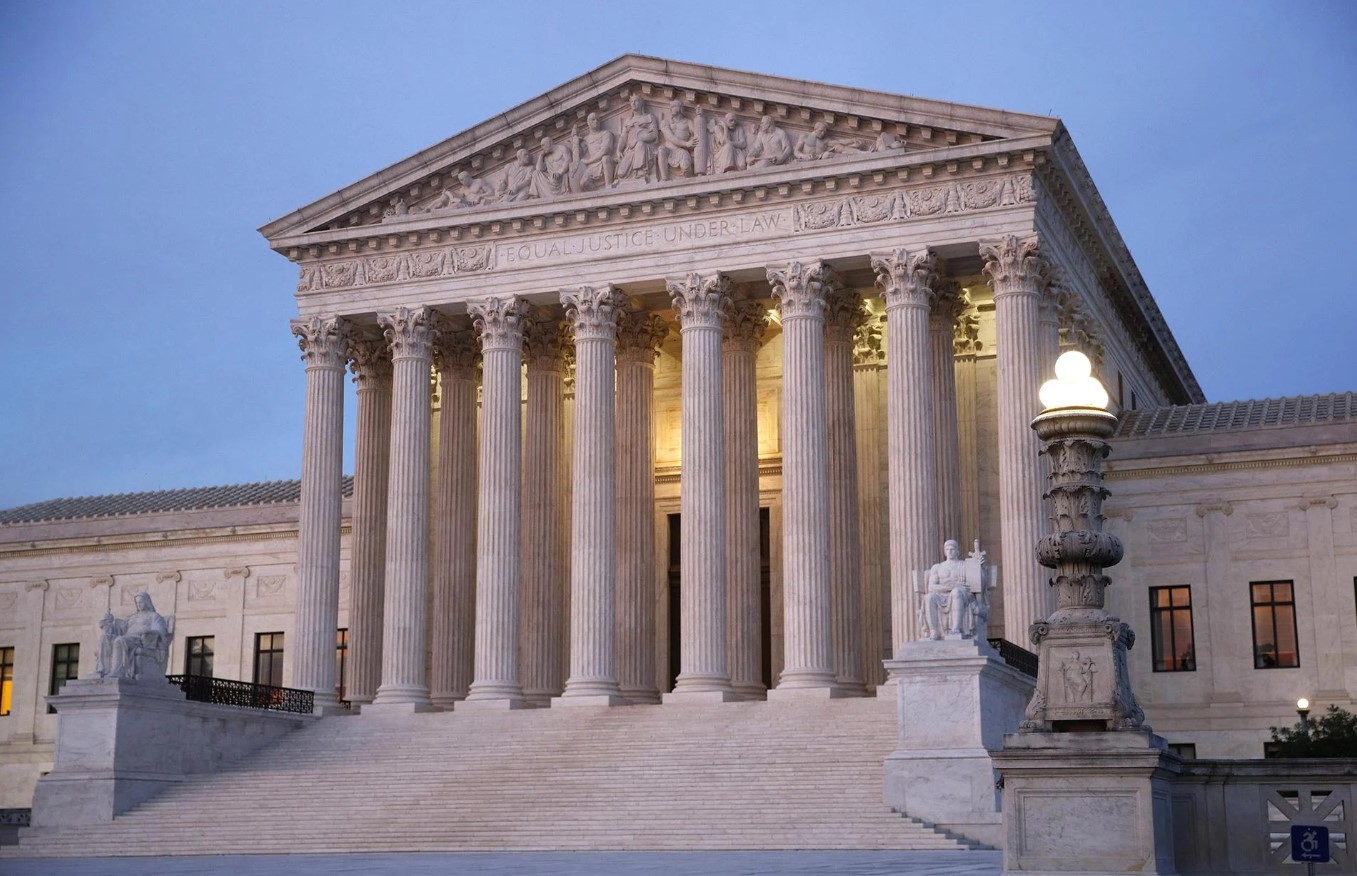
No. Article III of the Constitution establishes “one supreme Court,” but it never specifies how many justices must sit on it.
What the Constitution does say is structural, not numerical. It creates the Supreme Court, guarantees federal judges life tenure “during good Behaviour,” and protects their compensation from being reduced while they remain in office. But the document leaves the Court’s size to Congress.
That is why the United States has had different-sized Supreme Courts at different points in its history. Nine is not sacred text. It is the current setting.
So can Congress cap the Supreme Court at nine?
Yes. Congress can set the number of seats on the Supreme Court by ordinary legislation, because the number is a statutory choice, not a constitutional one.
In plain terms: the Court has nine seats today because federal law says it does. The current statute is 28 U.S.C. § 1, which provides for “a Chief Justice of the United States and eight associate justices.” Congress could pass a law that keeps it at nine. Congress could also pass a law that changes it to seven, eleven, thirteen, or another number.
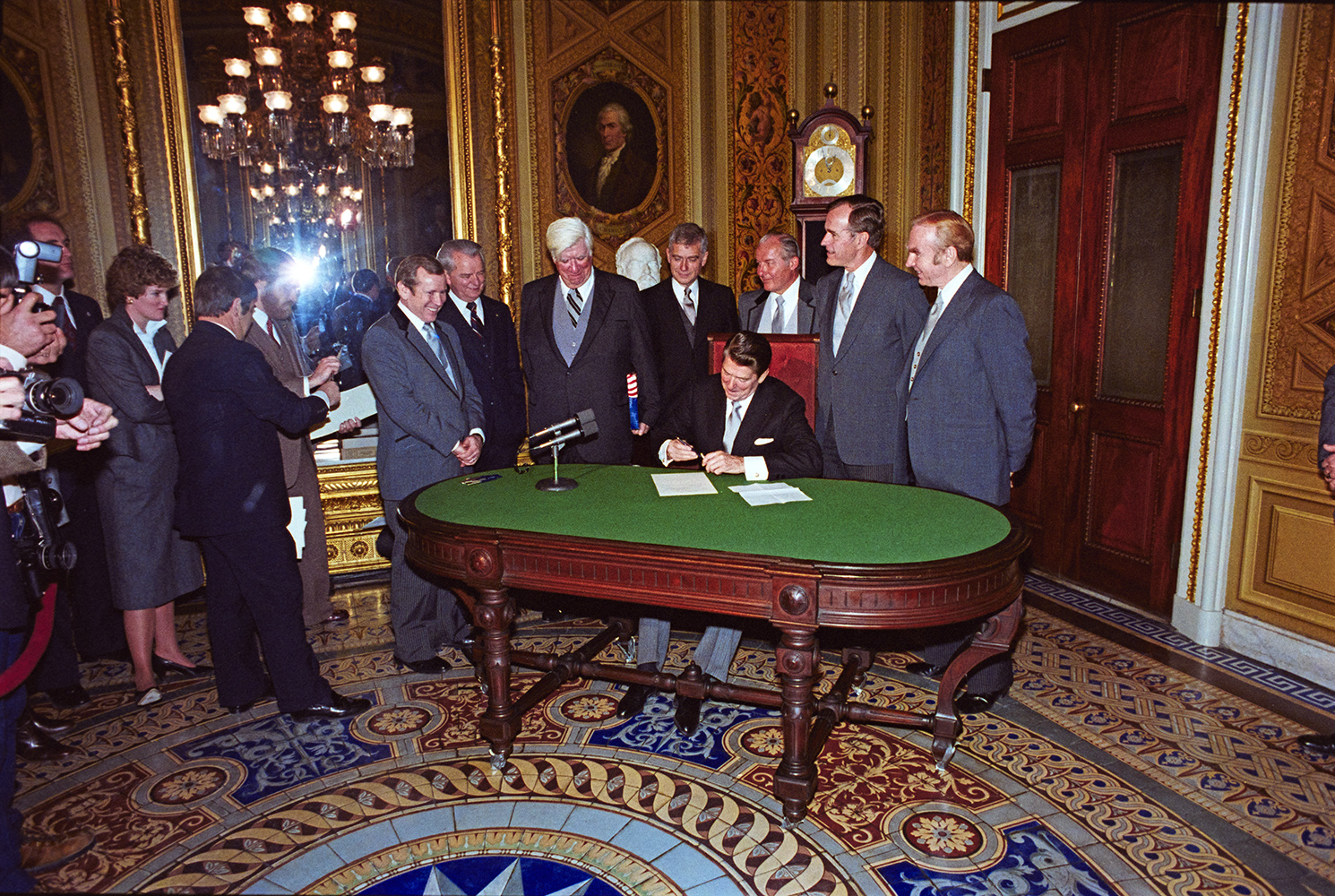
That kind of law must clear the normal hurdles: passage by both the House and Senate, then signature by the President (or a veto override). It does not require a constitutional amendment. It is a statutory choice, with political and separation-of-powers stakes.
What a House resolution can do
The headline detail many readers miss is the difference between binding law and a House resolution.
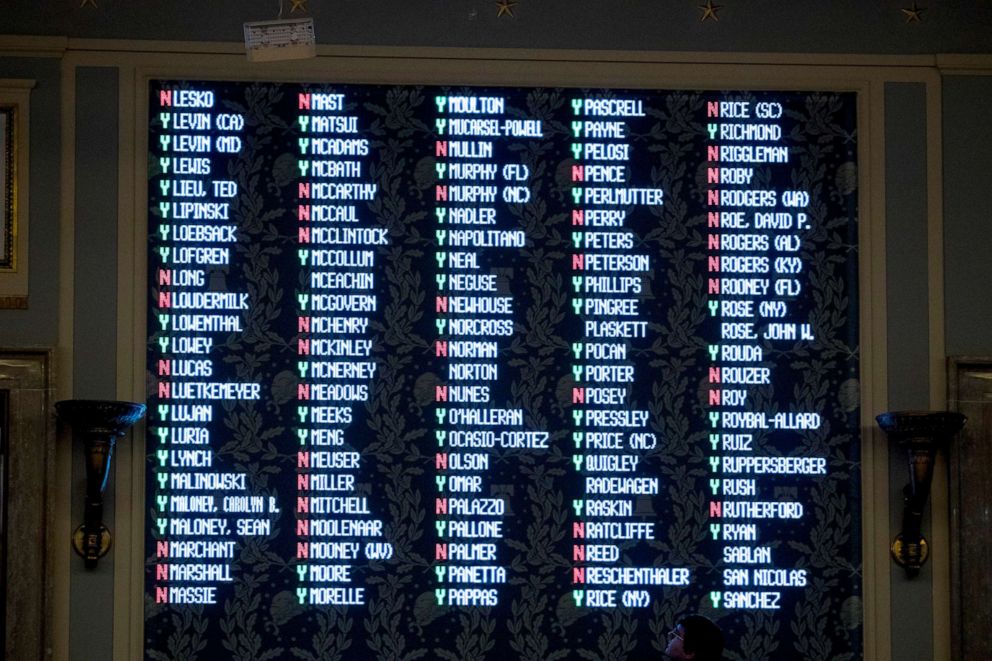
- A House-only resolution is generally an expression of the House’s views. It can condemn something, endorse something, or set internal House rules. It does not change federal law by itself.
- A bill passed by both chambers and signed by the President changes federal law, including laws that set the size of the Supreme Court.
So when a resolution pairs a “cap at nine justices” with other priorities, it is often doing two things at once: staking out a position and forcing a recorded vote. But it is not, standing alone, installing a legal cap.
Where the power comes from
Article III is short compared to Articles I and II, but it contains key structural choices. Congress has explicit authority to create “inferior Courts,” and it has significant power to shape the judiciary through statutes under the Necessary and Proper Clause. The Constitution also gives Congress power to make “Exceptions” and “Regulations” to the Supreme Court’s appellate jurisdiction, within constitutional limits.
Even though the Supreme Court itself is constitutionally required, Congress has long shaped how it functions in practice by passing laws that determine:
- How many justices sit on the Court
- How the Court’s term and procedures are structured (within constitutional boundaries)
- How and when cases can reach the Court (again, within limits)
- How many lower federal courts exist and what jurisdiction they have
This is one of the Constitution’s recurring themes: the branches are separate, but they are also interdependent. The Court is independent in deciding cases. It is not independent in deciding how many seats Congress creates.
Has the Court always had nine?
No. The number has changed multiple times, usually for a mix of administrative and political reasons.
A few concrete landmarks:
- 1789: Congress set the Court at six justices in the first Judiciary Act era.
- 1807: Congress increased it to seven.
- 1837: Congress increased it to nine.
- 1863: Congress increased it to ten.
- 1869: Congress set it back to nine, where it has remained.
The enduring lesson is not that Americans keep fighting about court size. The lesson is that they are fighting about a lever Congress actually possesses.
Court packing vs. court capping
These phrases are slippery because they are more accusation than definition.
- “Court packing” usually describes expanding the number of seats to change the Court’s ideological balance quickly, allowing a President and Senate majority to appoint additional justices.
- “Court capping” usually describes locking the number at the current level (nine) to prevent future expansions.
Both are constitutional in the narrow sense that Congress has the power to set the number by statute. The real dispute is not whether Congress can do it. The dispute is whether Congress should, and whether doing it would strengthen or weaken the Court’s legitimacy over time.
Would a cap at nine bind future Congresses?
Not permanently. A key principle of American lawmaking is that one Congress cannot entrench an ordinary statute against a future Congress. If Congress passes a law saying “the Supreme Court shall consist of nine justices,” a later Congress can pass a new law changing that number.
The only way to make “nine” truly hard to change would be to place it in the Constitution through amendment. That would require two-thirds of both chambers and ratification by three-fourths of the states. In modern politics, that is an extraordinarily high bar.
Does changing the size remove justices?
Not by itself. Changing the number of seats changes the number of authorized seats. It does not automatically remove sitting justices with life tenure. In practice, most size changes matter most for future vacancies and appointments, unless Congress pairs a size change with other reforms that raise separate constitutional questions.
What about separation of powers?
Changing the number of seats is not, by itself, unconstitutional. But the separation-of-powers concern is still real. Court size becomes a constitutional stress test when it is used as a routine weapon in response to unpopular decisions, because it can push the judiciary toward becoming another majoritarian institution.
There is no clause that says, “Congress may not change the number of justices if it is mad.” Constitutions rarely police motive cleanly. Instead, they rely on structure, elections, and political norms to stop escalation before it becomes a permanent cycle.
One more point that often gets conflated: changing the number of seats is different from proposals to limit the Court’s jurisdiction using the “Exceptions and Regulations” power. They are separate tools, with different legal debates.
Quick answers
Is nine justices in the Constitution?
No. The Constitution establishes the Supreme Court but does not specify its size.
Can the House cap the Court at nine by itself?
No. A House-only resolution is not a law. A legal cap would require legislation passed by both chambers and signed by the President (or enacted over a veto).
Can Congress change the Court’s size without an amendment?
Yes. Congress can change the number by statute, as it has in the past.
Would a “nine-justice cap” stop expansion forever?
No. A later Congress can repeal or amend the statute. Permanence would require a constitutional amendment.
Why this keeps coming back
The Supreme Court sits in a constitutional sweet spot: independent enough to frustrate political majorities, but structured enough that Congress can still adjust some of its outer frame. The number of seats is one of those adjustable parts.
That is why you see symbolic votes and messaging resolutions tied to court size. They are attempts to claim the mantle of stability while positioning the other side as willing to break it. The Constitution itself is mostly silent on the number. The real guardrails are statutory choices and the country’s tolerance for escalation.