
A recent viral, unverified claim circulating online and attributed to President Donald J. Trump says a purported “Triumphal Arch” proposal tied to the Receptive Circle by Arlington Memorial Bridge would be converted into a military facility for security purposes.
Important note for readers: this article does not independently verify that statement, and it also does not independently verify that any “Triumphal Arch” plan is actually pending before a federal planning body or agency. If you are evaluating the claim as news, the first step is to locate and quote the original post, speech, or transcript with a date and venue, then look for a paper trail (for example: an NCPC agenda item, a CFA submission, a DoD MILCON request, or an appropriations line item). Until then, the safer way to understand the controversy is as a civics question the rumor raises.
The core question is straightforward: who actually has the legal power to turn a high-profile monument site into operational military infrastructure in the National Capital Area?
Join the Discussion
Start with the Constitution
If you want the shortest constitutional framing, it starts with Article IV and Congress’s control of federal property, even though any real-world dispute can also involve Article II and specific national security statutes.
The Property Clause gives Congress power to “dispose of and make all needful Rules and Regulations respecting the Territory or other Property belonging to the United States.” That is the Constitution’s home base for the rules governing federal property, including many memorial landscapes and parklands in and around Washington.
In practice, Congress often delegates day-to-day management to executive agencies such as the National Park Service, the General Services Administration, the Federal Highway Administration, or the Department of Defense. When statutes already authorize a particular use, transfer mechanism, or security measure, agencies can have meaningful independent authority to act. But it is authority inside boundaries Congress set, and major changes often still route back to Congress for authorization, money, or both.
The President is the Commander in Chief of the armed forces, but that does not automatically include a freestanding power to redesignate any federal site into a military facility. When the underlying question is “can we convert this particular federal property into that particular kind of facility,” Congress’s property authority and Congress’s spending authority are usually central.
Commander in Chief has limits
Article II makes the President Commander in Chief. That matters because it gives the President broad discretion over military operations and many day-to-day defense decisions.
But the Constitution splits war and defense powers between branches on purpose. Congress funds the military, raises and supports armies, provides and maintains a navy, makes rules for the armed forces, and sets the legal framework for federal property. So even when “national security” is invoked, the President generally cannot bypass Congress to:
- Take money not appropriated for that purpose and build a new complex.
- Overrule statutory limits governing federal lands managed by civilian agencies.
- Skip required planning or review that Congress has mandated for the capital’s monumental core, unless an applicable statutory exception or emergency procedure lawfully applies.
In other words, being Commander in Chief can justify urgency. It does not automatically supply land authority, construction authority, or funding.
Two gates: money and authority
Big federal construction projects usually run through two hard gates: what money will be used and what legal authority permits the use of that land for that purpose.
1) Appropriations: Congress holds the purse
Even if the executive branch wants a new defense facility, it typically needs Congress to appropriate funds. The Appropriations Clause is the basic rule: money cannot be drawn from the Treasury without an appropriation made by law.
There are limited categories of military construction and emergency authorities in federal statutes, and they tend to come with ceilings, notice requirements, and narrow project definitions. Many also rely on reprogramming or transfers, meaning shifting already appropriated funds within limits Congress has set, not creating a new pot of money.
If you want a modern illustration of how quickly this becomes a legal fight, emergency-funding disputes over major construction projects have repeatedly turned on these same questions: whether a statute actually authorizes the move, whether the money can lawfully be used for that project, and whether Congress has restricted the executive branch’s options.
2) Land and construction powers are usually statutory
When the Department of Defense builds facilities, it generally does it through military construction channels Congress oversees. If the land is managed by a civilian agency, shifting it into a defense posture can require interagency agreements and sometimes explicit congressional action, depending on the land’s governing statute and the proposed use.
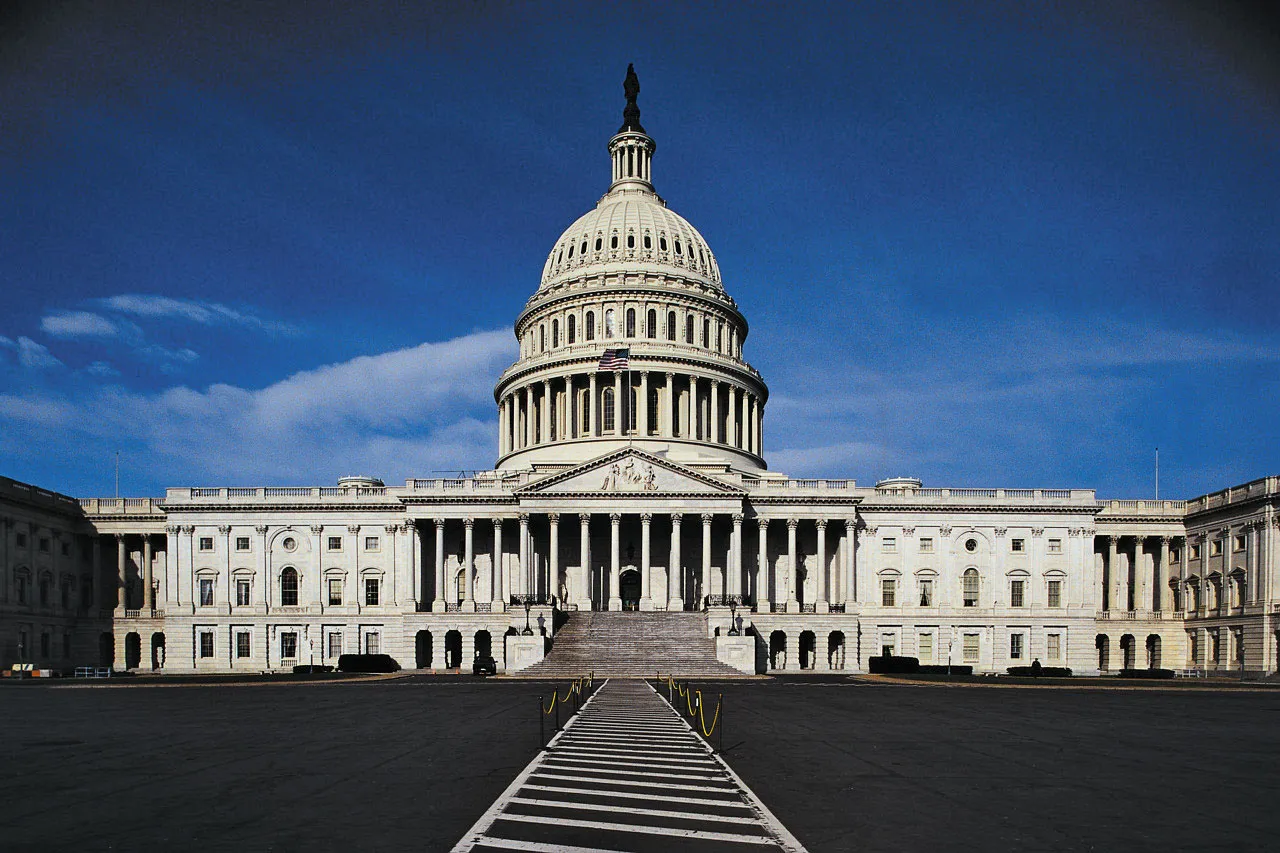
That is why the decision path often loops back to the United States Capitol, where Congress writes the statutes and appropriations that shape what can be built, where, and with what money.
Who controls Receptive Circle
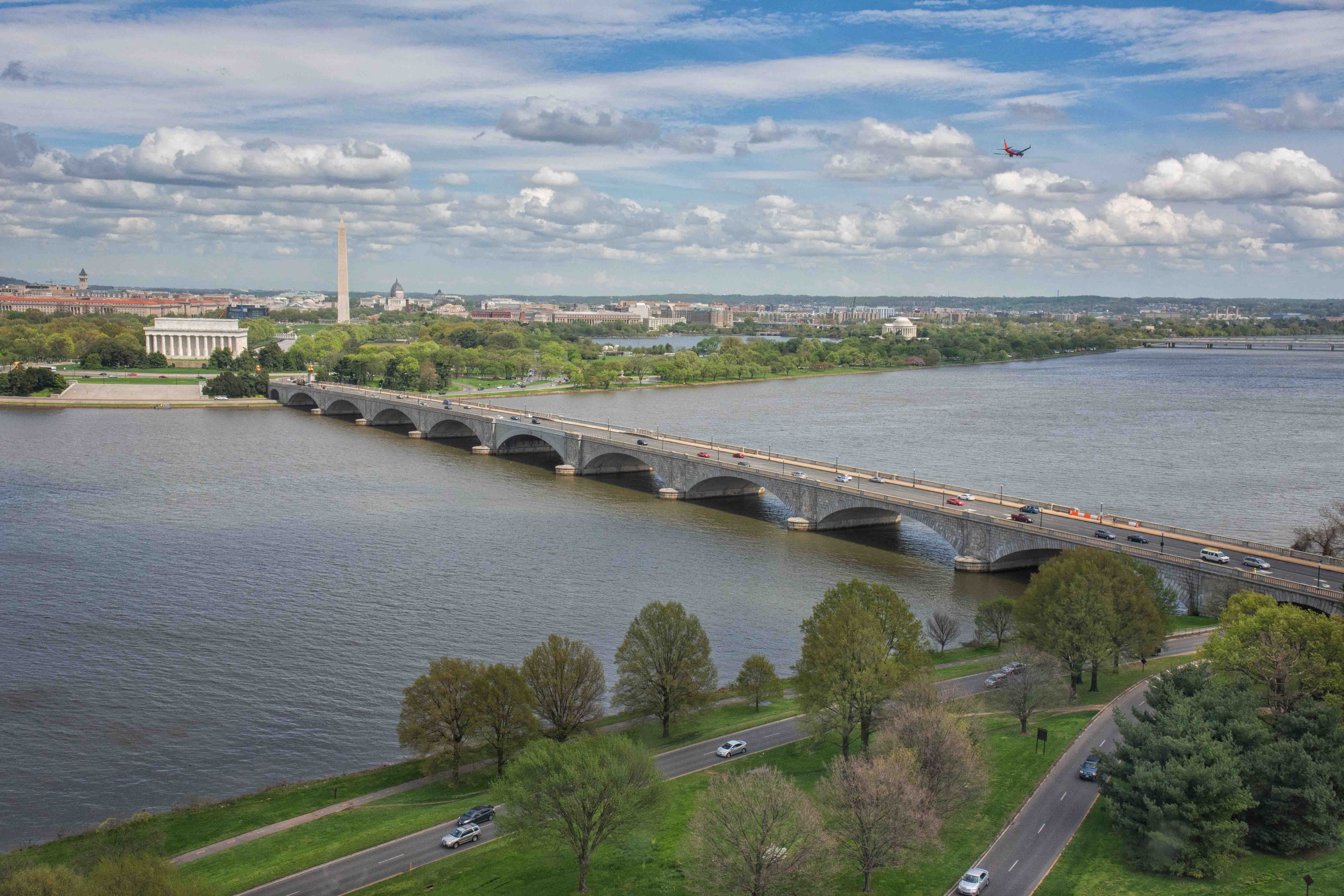
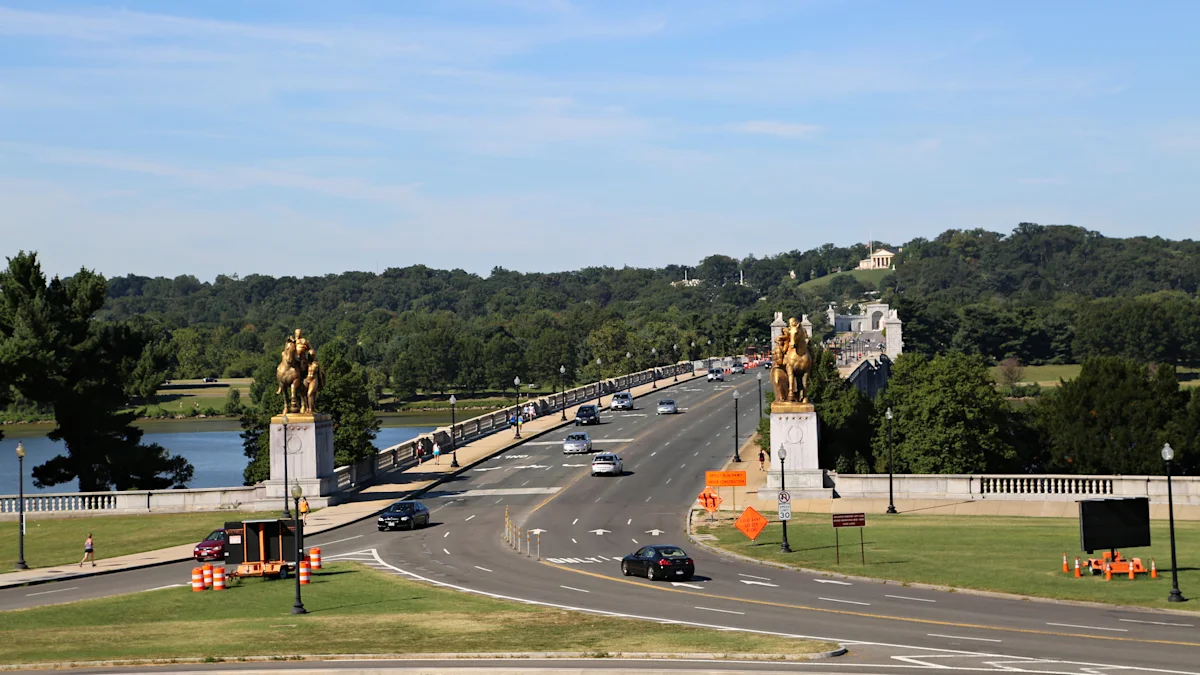
The Receptive Circle is commonly described as the formal plaza and traffic circle area at the Arlington (western) end of Arlington Memorial Bridge, near Arlington National Cemetery. Readers sometimes use related terms interchangeably (for example, the bridge’s west approach roads, adjacent plazas, and the broader Arlington-side traffic geometry), so precision matters: the legal answer can change depending on the exact parcel and right of way being discussed.
It is also a jurisdictional patchwork. The bridge, its approaches, and surrounding monumental landscapes may involve multiple federal actors and different statutory regimes. Without confirming the administrative boundary lines, it is safer not to assume a single land manager based on proximity to the Cemetery or the Lincoln Memorial.
For publication-grade certainty, the key practical step is to confirm which agency has administrative responsibility for the specific parcel at issue and what statutes and planning requirements attach to it. Concretely, that can mean checking: (1) NPS unit boundary maps and park planning documents; (2) NCPC project submissions or reservation maps; (3) federal real property records and right of way documents; and (4) any site-specific statutes or designations that govern the bridge approaches and adjacent lands.
Even where the Army has operational control nearby, surrounding monumental areas can still be subject to:
- Congressional site-specific statutes that govern memorial landscapes.
- Federal planning processes for the National Capital Region.
- Historic preservation requirements when a project affects protected viewsheds, designed landscapes, or historic resources.
Monument space has process
Washington’s monumental core is governed by layers of law that structure how prominent federal spaces can be used and changed, especially when proposals affect design, commemoration, traffic, or historic resources.
At a high level, proposals in this landscape often run into some combination of:
- NCPC review (the National Capital Planning Commission). NCPC is a central federal planning body for the National Capital Region and reviews many federal projects for consistency with the region’s comprehensive plan.
- CFA review (the U.S. Commission of Fine Arts). CFA’s role is generally advisory as a matter of law, but its review is often required for prominent federal projects, and its recommendations are influential in practice.
- The Commemorative Works Act, which governs many memorial and monument proposals on certain federal lands in the “D.C. Area.” Its applicability depends on (a) whether a proposal is a “commemorative work” as defined and (b) whether the site is on covered federal land to which the Act applies, so it is not a catch-all for every security installation.
- NEPA (environmental review) and NHPA Section 106 (historic preservation consultation) when federal actions may significantly affect the environment or historic properties. Depending on the project, agencies may rely on categorical exclusions or emergency procedures, but those tools generally change timing or scope and do not necessarily eliminate documentation or consultation duties.
That does not mean new security infrastructure is impossible in D.C. It means it is typically done through authorized projects, review, and appropriations, not through a single executive announcement.

Emergency powers and courts
Presidents do have emergency tools. They can reprogram certain funds in limited ways Congress allows. They can direct federal agencies to prioritize certain missions. They can declare emergencies that unlock authorities Congress has already written into law.
But two realities keep reappearing in court fights over emergency actions:
- The President’s power is strongest when Congress has authorized it and weakest when the President is acting against Congress’s expressed will.
- Courts look for a clear statutory hook, especially when an action reshapes property, spending, or long-term infrastructure.
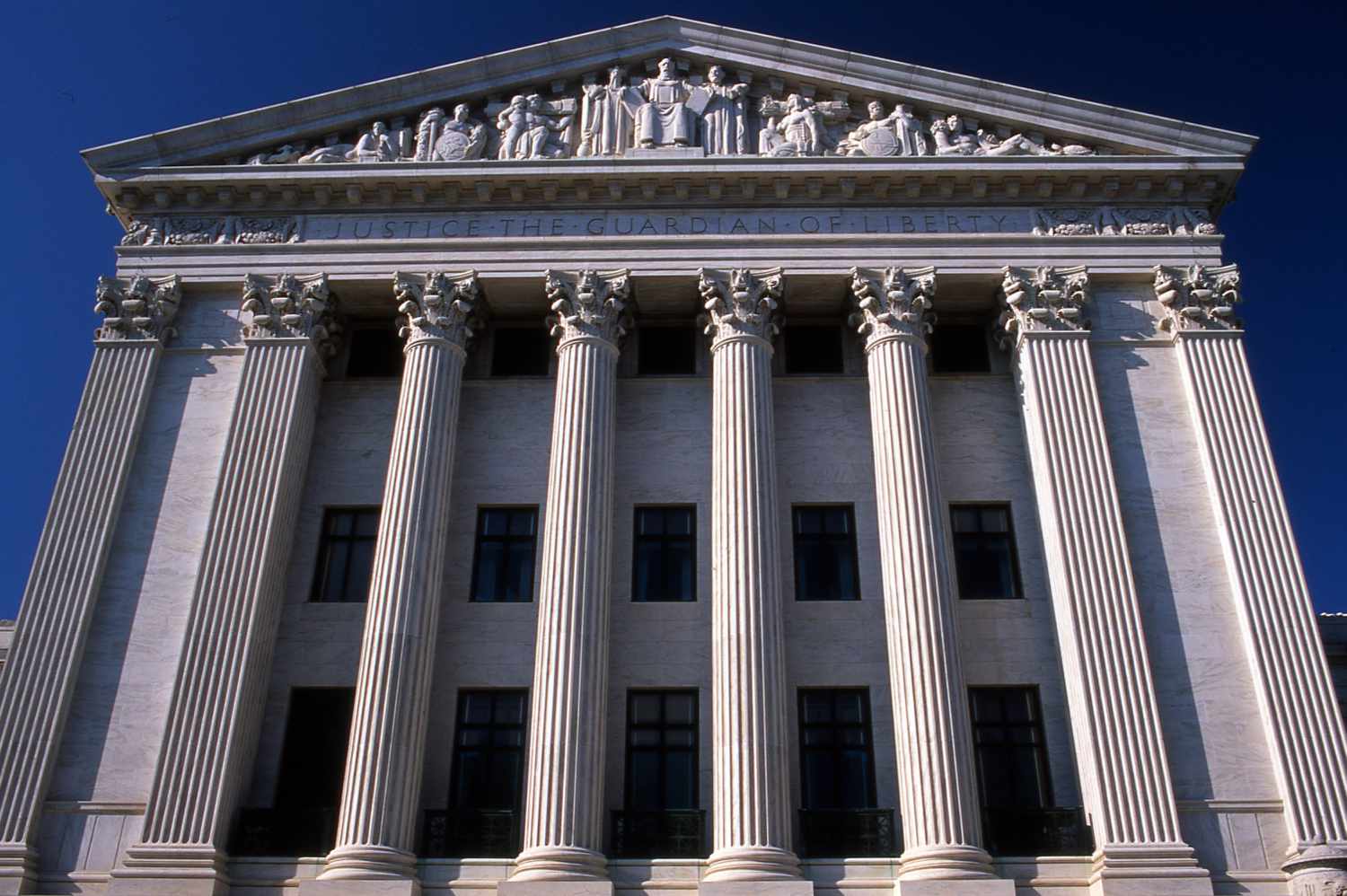
The canonical framework here is Youngstown Sheet & Tube Co. v. Sawyer, which is often invoked when presidents claim inherent power to act without, or against, Congress.
If a project would be large, permanent, and politically salient, it is more likely to trigger litigation and more likely that judges will ask the questions public messaging can glide past: What statute authorizes this? What appropriation pays for it? What process was required and followed?
What would be contested
If a plan like the one described moved from rhetoric to paperwork, the most likely flashpoints would not be architectural taste. They would be institutional.
- Land management authority: Which agency controls the parcel, and what is the lawful use under the statutes governing that land?
- Project classification: Is the proposal actually “military construction,” a security improvement on civilian land, or something else? “Military facility” is not a single legal category, and different labels can trigger different rules.
- Military construction compliance: If it is MILCON, does it fit within congressional authorizations and reporting requirements?
- Appropriations and reprogramming: What money is being used, and did Congress appropriate it for this purpose?
- Planning and preservation review: Are NCPC, CFA, NEPA, NHPA, or Commemorative Works Act constraints triggered, and were the required steps completed or lawfully narrowed?
- Local and regional impacts: Even federal projects face constraints about traffic, security perimeters, environmental impacts, and compatibility with surrounding memorial space.
Each of those disputes can be litigated without any court ever having to decide a sweeping question like “can the President build whatever he wants for national security.” The fight can be narrower and still decisive.
What happens next
If an idea like this became an actual proposal, the path would usually look less like a single order and more like a sequence:
- Agency development: DoD and the land-managing agency identify the site, mission need, and legal pathway, including whether land transfers, permits, or right of way agreements are required.
- Planning and design review: Early concept reviews with NCPC and consultation with CFA (and often other stakeholders) shape whether the project is even viable in a monumental landscape.
- Environmental and preservation process: NEPA analysis and NHPA Section 106 consultation proceed on whatever timeline and level of review the law requires, including any properly invoked emergency procedures.
- Congressional action: Authorization and appropriations, or a clearly applicable statutory funding path, provide the money and the legal permissions to build and operate.
So can the President do it
Not by declaration alone. A President can champion an idea, ask the Pentagon to study it, and push agencies to treat it as a priority. But converting a symbolic monument site into a functional military facility would ordinarily require:
- Congressional funding or a clearly applicable statutory funding path.
- Legal authority over the land and compliance with the statutes governing its use.
- Completion of required planning and preservation processes applicable to the National Capital area, or a lawful invocation of an exception or emergency procedure that still satisfies required documentation and consultation steps.
The constitutional theme is simple even when the details are not: the President commands the military, but Congress sets the rules for federal property and controls the purse. When a proposal tries to merge a national monument space with operational military capacity, that separation of powers stops being theory and becomes the actual roadmap.
Quick FAQ
What is the Receptive Circle?
It is commonly described as a formal ceremonial plaza and traffic circle at the Arlington end of Arlington Memorial Bridge, designed as a gateway between the Lincoln Memorial area and Arlington’s memorial landscape. Because some nearby features are described in overlapping ways, any legal analysis should start by identifying the exact parcel or right of way at issue.
Does the President control Washington, D.C.?
Not in the way people assume. Congress has unique constitutional authority over the federal district, and many decisions about federal land and federal projects in D.C. are driven by congressional statutes and federal planning bodies rather than presidential preference.
Could the military just build it on its own land?
If the relevant land is controlled by the Department of Defense and the project fits within authorized military construction channels, the path is easier. But “easier” still usually means Congress funds it and the project complies with any applicable reviews, especially in the monumental core.
What would stop it fastest?
The most immediate brakes are typically appropriations (no money) and statutory land use limits (wrong land, wrong use), followed by planning and preservation requirements that can slow or reshape a project even when it is lawful in concept.