
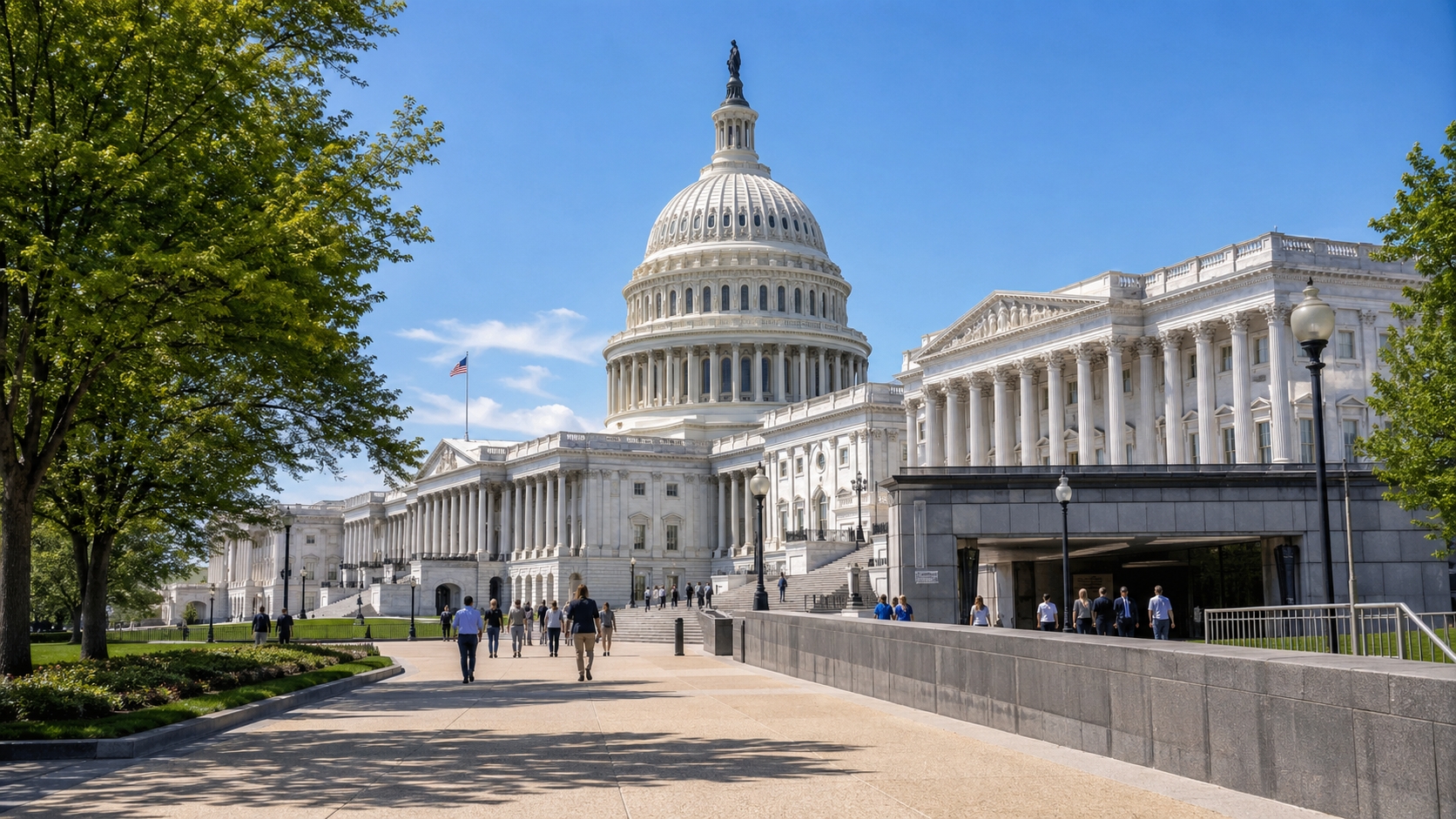
It is a tempting idea in moments of political anxiety: if elections feel chaotic, why not put them under one national set of rules and one national administrator, the president? People sometimes call that “nationalizing” elections, as if voting could be folded into the executive branch the way a federal agency can be reorganized.
But American elections are not built like a single national program. They are built like fifty separate systems that share a calendar. The Constitution does that on purpose, and it places the power to run elections in the states, not in the Oval Office.
Join the Discussion
The constitutional starting point: states run elections

The Constitution explicitly assigns states the job of administering federal elections. The key phrase is the states’ authority over the “Times, Places and Manner” of holding elections for federal office. That structure is not a technicality. It is the blueprint.
In practice, it means the country does not have one elections code to seize. We have fifty sets of statutes, regulations, procedures, and local practices that together create a decentralized system. When people say “nationalize,” they are usually imagining a single switch that can be flipped. The Constitution does not install that switch.
So what can the federal government do?
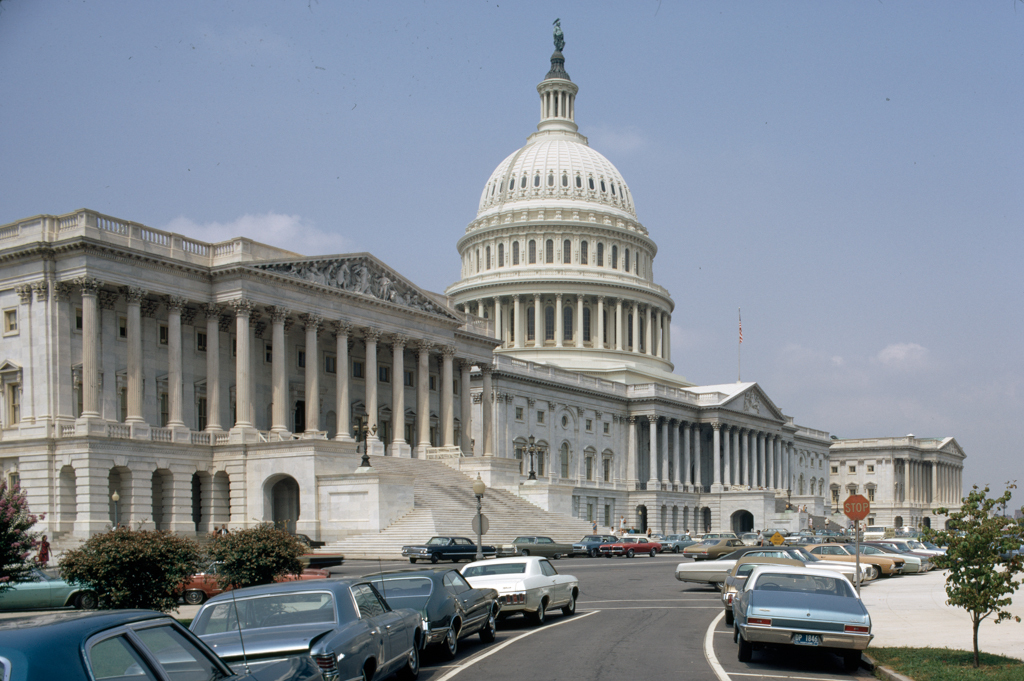
Federal power exists here, but it mostly lives in Congress, not the president. The Founders gave Congress the authority to make and change election laws, primarily for federal elections. That is the constitutional channel for national standards, if national standards are to exist.
History also shows that federal action has sometimes been necessary to protect voters and improve access. That is why the country has statutes like the Voting Rights Act and the National Voter Registration Act. Whatever you think of those laws as policy, constitutionally they reflect the basic arrangement: when the federal government steps in, it does so through legislation, not through a president issuing commands to the states.
Executive orders are not election laws
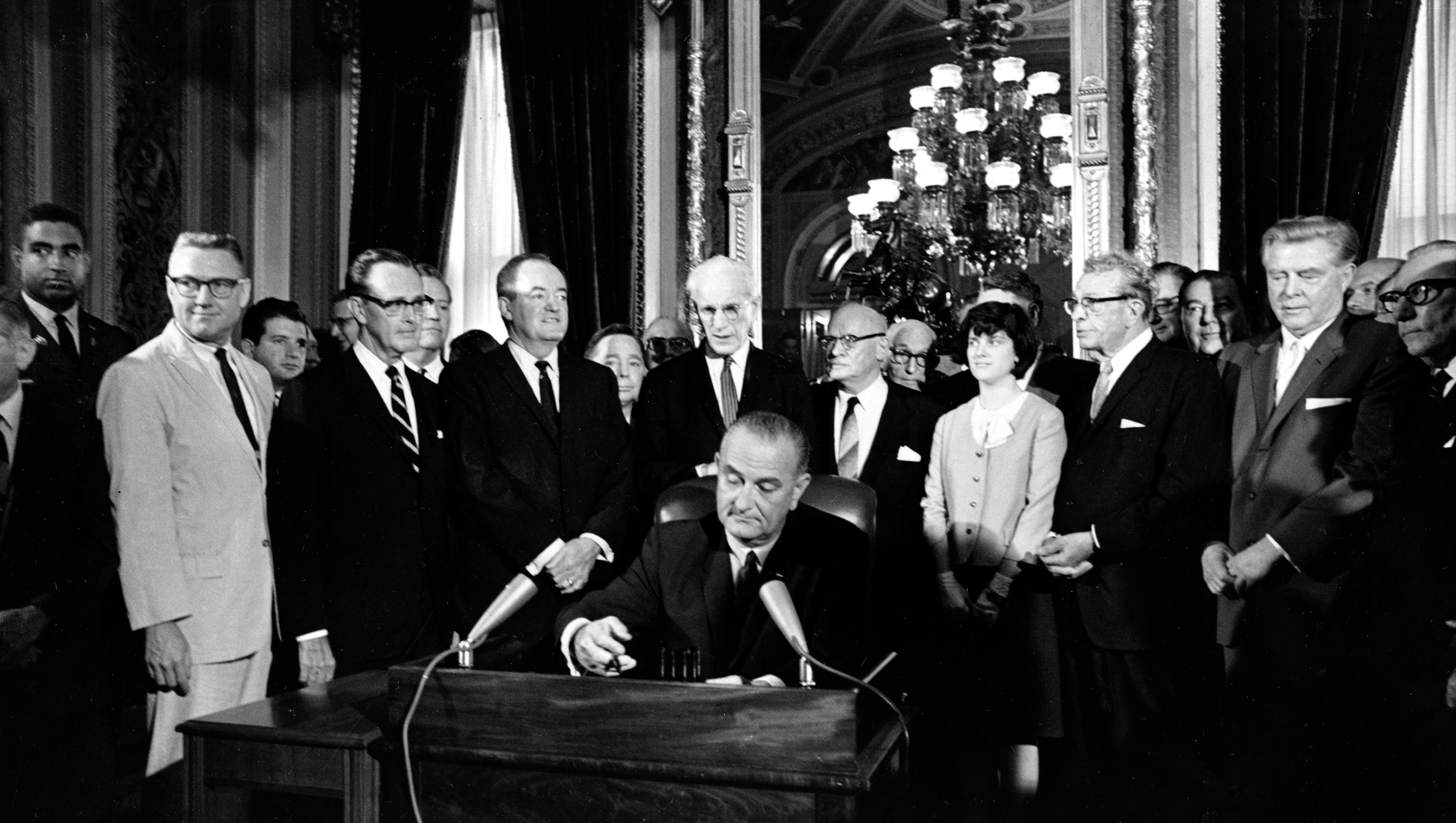
This matters because executive orders are often misunderstood. An executive order can direct federal agencies. It cannot rewrite state election codes by fiat, and it cannot manufacture powers the Constitution did not grant.
President Trump issued two executive orders attempting to set new rules and guidelines for elections. A March 2025 elections-related executive order has largely been struck down. A second elections executive order issued at the end of March 2026 has been blocked by two separate federal courts, which held that the Constitution gives states, not the president, authority over elections. The administration has appealed.
Those decisions underline a basic point that does not depend on which party holds the White House: significant federal changes in election administration must come from Congress or, where law allows, a specific agency acting within statutory authority. Not from the president acting alone.
What about emergencies? The “130 powers” misconception
Another common theory goes like this: even if the president cannot nationalize elections in normal times, surely a national emergency unlocks a hidden set of authorities.
Presidents do have access to emergency authorities, including temporary access to 130 emergency powers. But those powers are limited to specific subject areas Congress has already authorized, such as aspects of foreign policy and public health. There is no emergency power that explicitly hands the president control over elections.
And that absence has teeth. None of the pre-approved emergency authorities would lawfully allow a president to postpone or cancel elections, ban mail-in voting, send armed federal agents to polling locations (unless “necessary to repel armed enemies of the United States.”), or otherwise take over election administration nationwide.
Why the Constitution draws this line
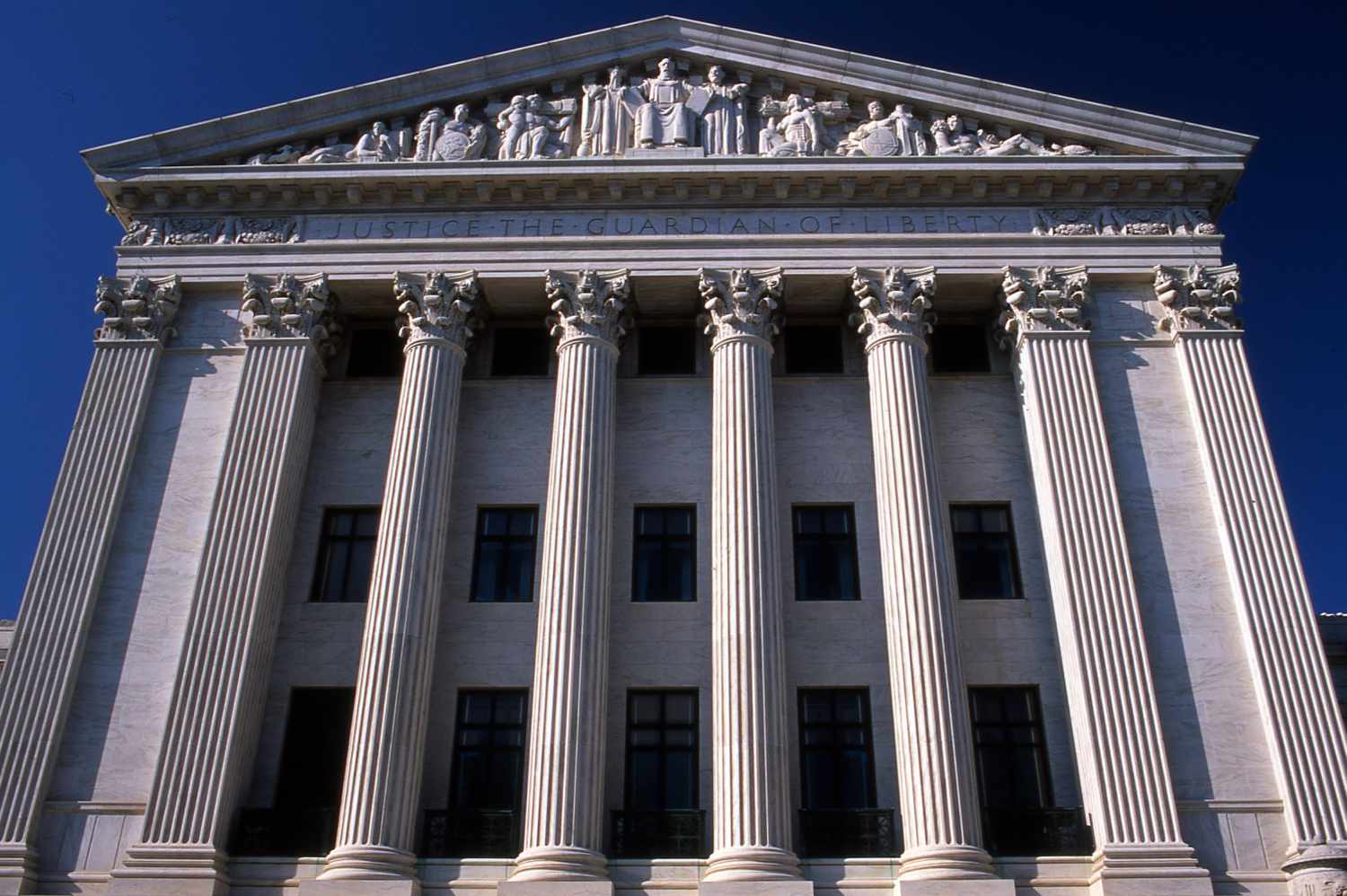
The deeper logic is structural. Elections are how the American people hire and fire the people in power. The Constitution therefore spreads control over election mechanics away from a single national executive. States run the machinery. Congress can set limited rules. Courts police the boundaries.
That is not “inefficiency” accidentally baked in. It is a constitutional restraint. It prevents the president from becoming the referee of his own re-election, or the administrator of the elections that determine whether his allies keep power.
The bottom line
A president cannot legally “nationalize” U.S. elections. The Constitution assigns election administration to the states and gives Congress, not the president, the primary federal authority to regulate federal election rules.
Courts have treated that principle as exactly what it looks like: a hard limit. Attempts to impose national election administration through executive orders have been blocked, and the constitutional theory behind a presidential takeover does not improve simply because someone declares an emergency.
Any serious attempt by a president to “take over the voting” would be illegal, and it would signal something more dangerous than administrative ambition: a politically motivated effort to expand and entrench executive power at the point where democratic accountability is supposed to be strongest.
Quick questions people ask
Can the president set nationwide election rules by executive order?
No. Executive orders cannot override state authority over election administration, and recent orders attempting to do so have been blocked in federal court.
Can Congress nationalize elections?
Congress has constitutional power to make and change election laws for federal elections. That is the main federal route for nationwide standards.
Can a president delay an election during an emergency?
Not under the emergency authorities described here. Even with access to 130 emergency powers, no emergency power explicitly grants the president control over elections or the ability to postpone or cancel them.