Articles by Bookmark
Browse articles in Articles by Bookmark on U.S. Constitution
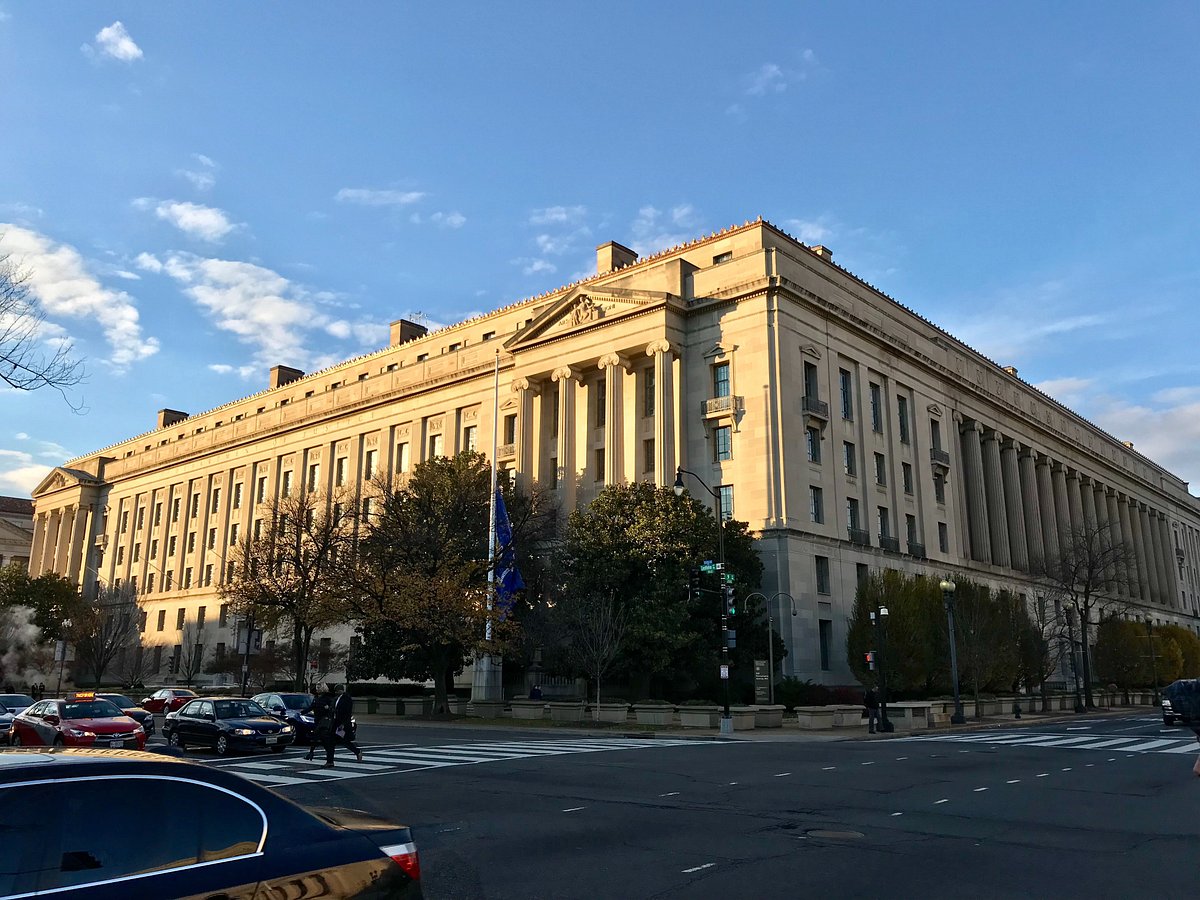
Criminal Discovery in Federal Cases Explained
In a federal criminal case, “discovery” sounds like it should mean the same thing it means in civil court: broad, document-heavy exchange where each side can demand information from the other and take depositions to lock in testimony. That is not how criminal discovery works. Federal criminal...
Read more →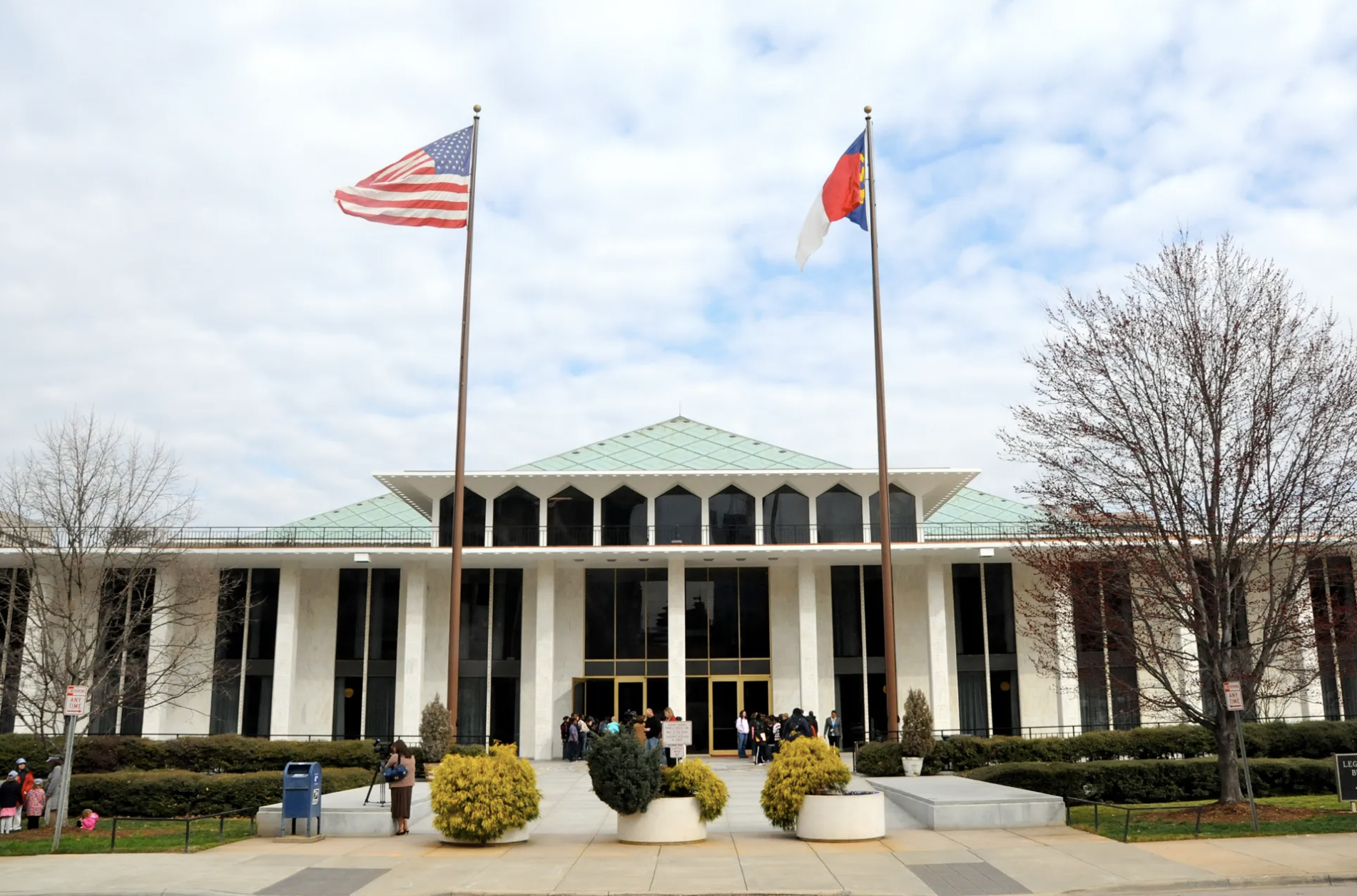
Shaw v. Reno Explained
Most redistricting controversies feel like inside baseball until you see the shape of a district that looks like it was poured through a crack in the map. That was the visual spark behind Shaw v. Reno (1993). The case did not say legislatures must ignore race. It said something narrower and more...
Read more →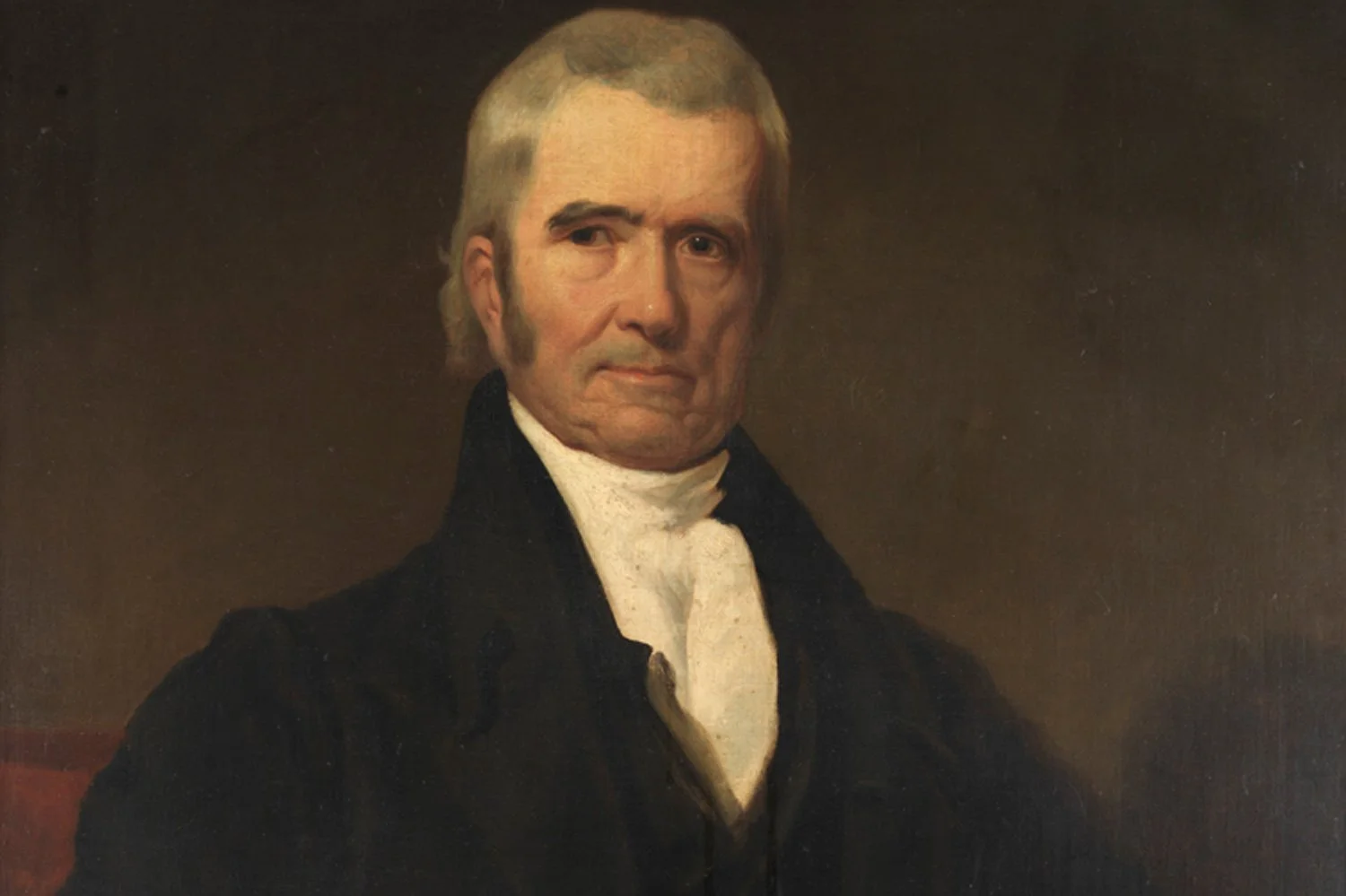
McCulloch v. Maryland Explained
There are Supreme Court decisions that resolve a dispute. And then there are decisions that shape what kind of country the United States can become under the Constitution. McCulloch v. Maryland (1819) is the second kind. On the surface, it was a fight over a bank and a state tax. Underneath, it was...
Read more →Top-Four Primaries and Ranked General Elections
Most Americans grow up with a simple civics story about elections: each party holds its own primary, each party picks a nominee, and the general election is a head-to-head contest between Democrats and Republicans. Alaska’s “top-four primary and ranked general” model departs from that script by...
Read more →Approval Voting Explained
Many U.S. single-winner elections ask you to do something oddly narrow: pick exactly one name, even if you would be perfectly fine with two or three. That design choice is not a law of nature. It is a rule, and like any rule, it shapes behavior. Approval voting rewrites that rule in the simplest...
Read more →
Good Faith Exception and Fruit of the Poisonous Tree
The exclusionary rule sounds simple: if the police break the Fourth Amendment, the evidence gets thrown out. As a baseline in criminal cases, that is often the idea. In practice, it is much messier. Courts have built in pressure-release valves. Some evidence stays in even if the search was...
Read more →Collateral Consequences of a Criminal Conviction
Most people think a criminal sentence ends when the jail door opens, probation ends, or the fine gets paid. But a conviction can keep punishing you long after the judge is done. Lawyers and policymakers often call these collateral consequences (sometimes collateral sanctions or discretionary...
Read more →Federal Proffers and Cooperation Agreements
Federal cooperation deals have a reputation: a quiet conference room, a stack of exhibits, and a person trying to talk their way out of the worst day of their life. What actually happens is less cinematic and more contractual. “Cooperating” in a federal case usually means the government wants...
Read more →
Guilty, Not Guilty, Nolo Contendere, and Alford Pleas Explained
At an arraignment , the judge confirms what you are accused of, makes sure you understand key rights, and asks a deceptively simple question: How do you plead? Those words are a switch. A not guilty plea keeps the government in proof mode. A guilty plea moves the case into sentencing mode. And two...
Read more →Consular Processing Explained
Consular processing is the immigrant visa pathway most people use when they are outside the United States and want to enter as lawful permanent residents. It is not a single form. It is a sequence of handoffs between agencies, deadlines that matter, and one high-stakes moment when a consular...
Read more →
Denaturalization Explained: How U.S. Citizenship Can Be Revoked
Most Americans treat citizenship as a one-way door. You are in, forever. For people born in the United States, that is close to true. For people who become citizens through naturalization , there is a narrow, high-stakes exception: denaturalization , the legal process of taking citizenship back....
Read more →Allen v. Milligan Explained
People talk about redistricting as if it were a political sport. A new census drops, lines move, and the party in charge tries to lock in power for a decade. Allen v. Milligan (2023) is what happens when that game runs into a federal statute that still has sharp edges. The case did not ask whether...
Read more →
VRA Section 2 and Vote Dilution, Explained
Most voting rights debates get framed as a question of access. Can you register? Can you cast a ballot? Can you stay in line long enough? Section 2 of the Voting Rights Act often asks a different, quieter question: even if everyone can vote, does the election system make some voters’ ballots less...
Read more →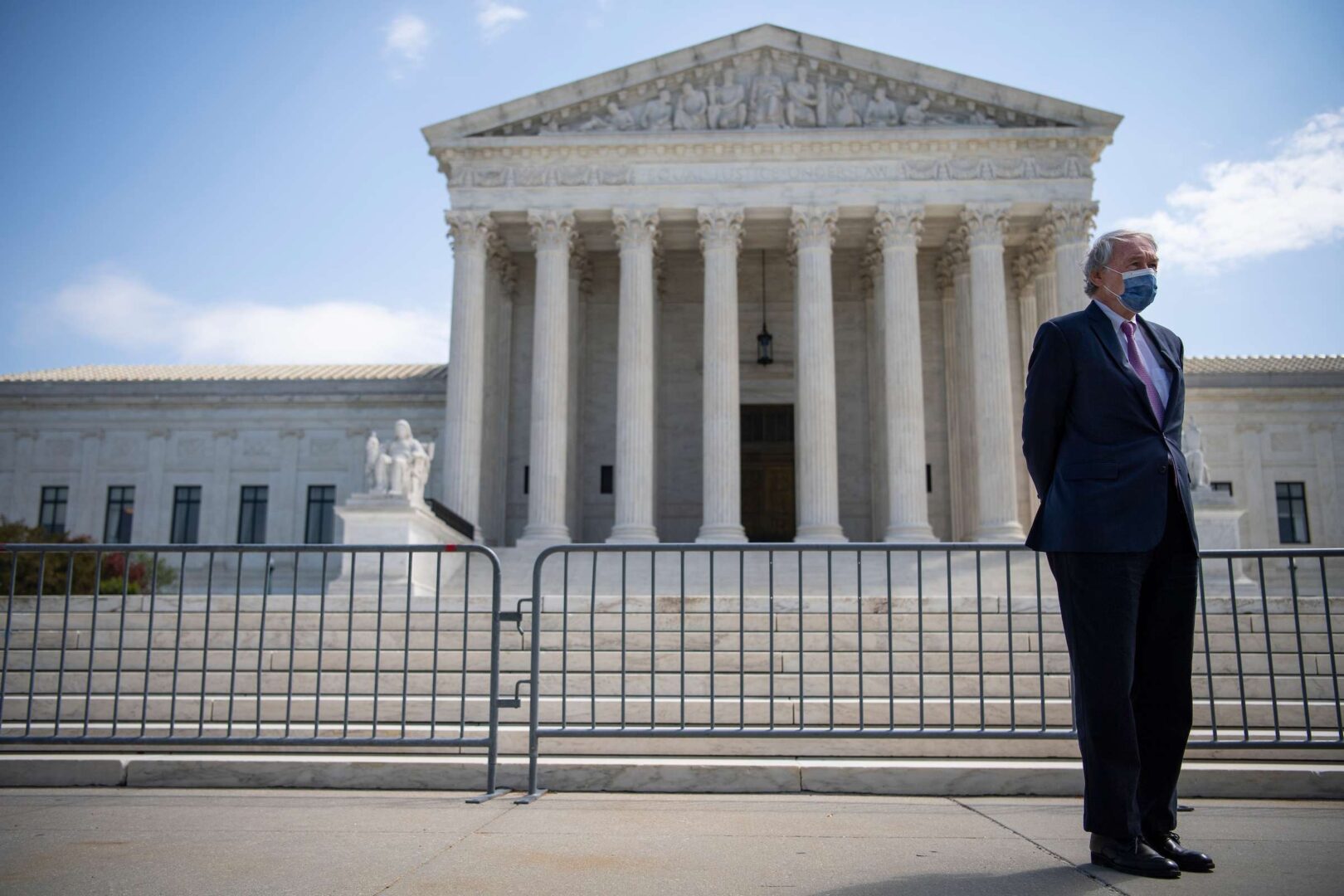
Brnovich v. DNC Explained
Most Americans assume the Voting Rights Act is a broad, sturdy shield: if a voting rule makes it harder to vote, especially for minority voters, federal law will step in. Brnovich v. Democratic National Committee (2021) did not erase that shield. But it did narrow the doorway for one major kind of...
Read more →New U.S. Immigration Rules Explained
Immigration policy in the United States can feel like it changes overnight. One week it is a new “rule.” The next it is a new “guidance.” Then a court blocks something, a new administration reverses it, and everyone asks the same question: did the law actually change? Sometimes it did. Often it did...
Read more →
DOJ Opens Investigation Into E. Jean Carroll After Trump Civil Verdicts
The Justice Department has opened an investigation that involves writer E. Jean Carroll, who successfully sued Donald Trump for sexual abuse and defamation. The department has not disclosed the scope or purpose of the inquiry. An investigation is not proof of wrongdoing and does not necessarily...
Read more →
Swatting at Justice Barrett’s Home and the Court’s Security Problem
On Wednesday night, police in Fairfax County, Virginia, were dispatched to the residence of Justice Amy Coney Barrett after a caller reported an emergency. It was a swatting call, a false report designed to trigger a law enforcement response where none is needed. A Fairfax County Police Department...
Read more →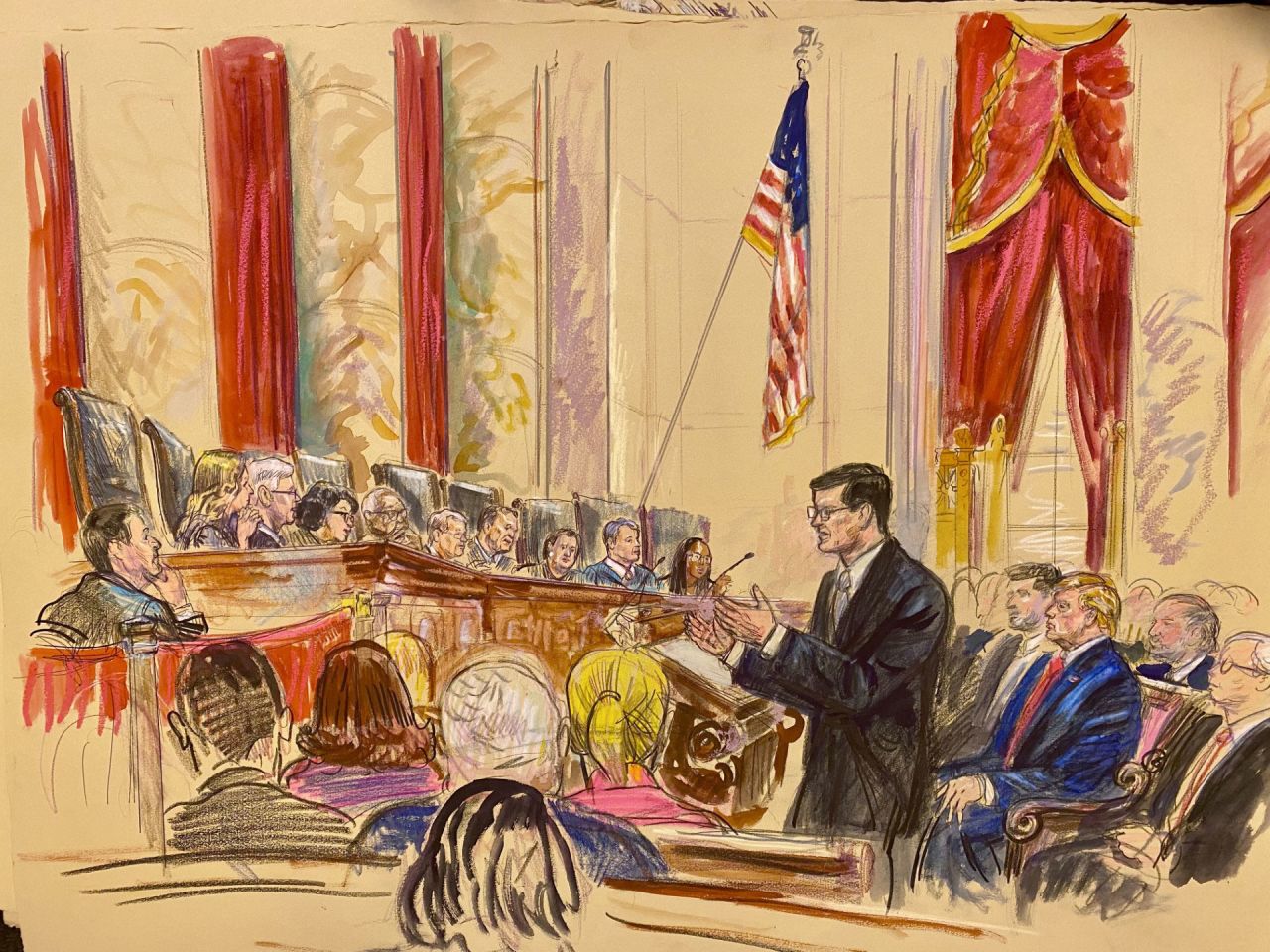
Birthright Citizenship at the Supreme Court
Birthright citizenship sounds like a policy argument, the kind you can settle by counting votes and measuring public opinion. But Trump v. Barbara , the case now sitting at the Supreme Court, is not only about policy. It is also about whether a constitutional promise made in the shadow of slavery...
Read more →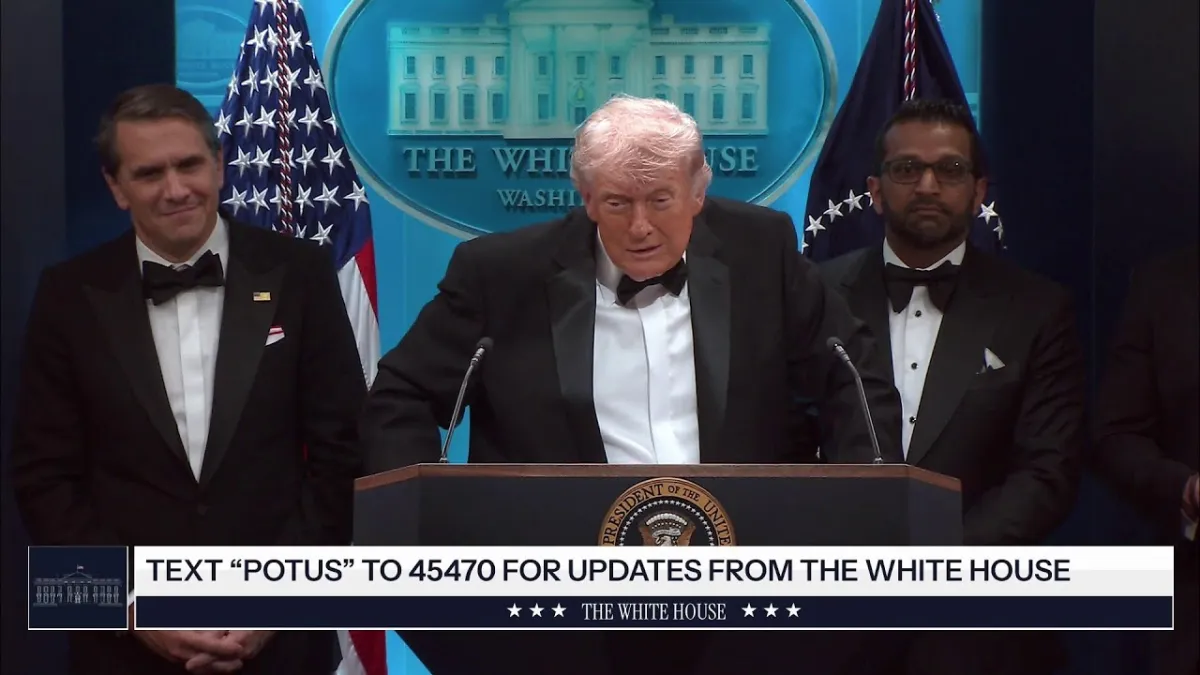
The Record-Low Poll Narrative
When several polls land within days of each other and they all point in the same direction, it is worth pausing on the word that keeps popping up in the numbers: record . A tight cluster of national surveys fielded between May 11 and May 18 and released between May 18 and May 20 shows President...
Read more →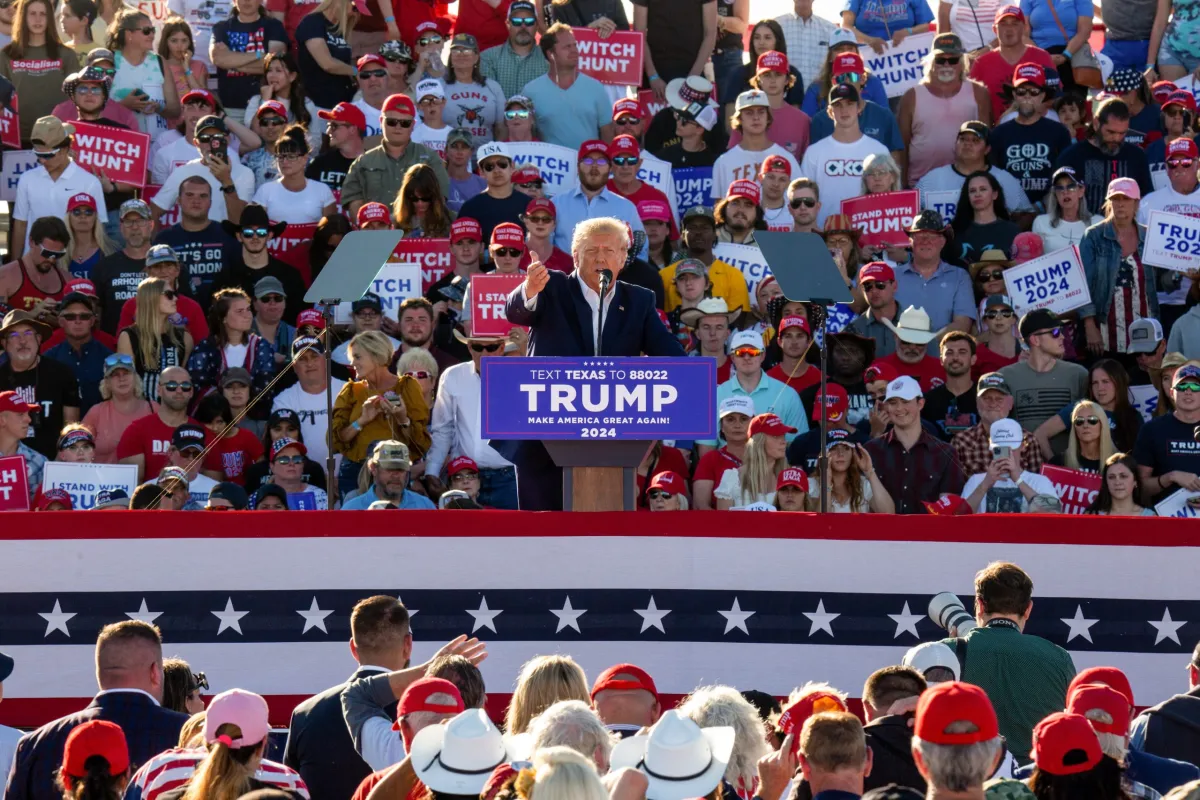
GOP Worries Trump’s Late Runoff Messaging Could Backfire
In politics, endorsements are supposed to be clarifying moments. But when they are reiterated at the last minute, they can do the opposite. That was the worry some Texas Republicans and campaign strategists voiced publicly and, in some cases, privately after former President Donald Trump again...
Read more →