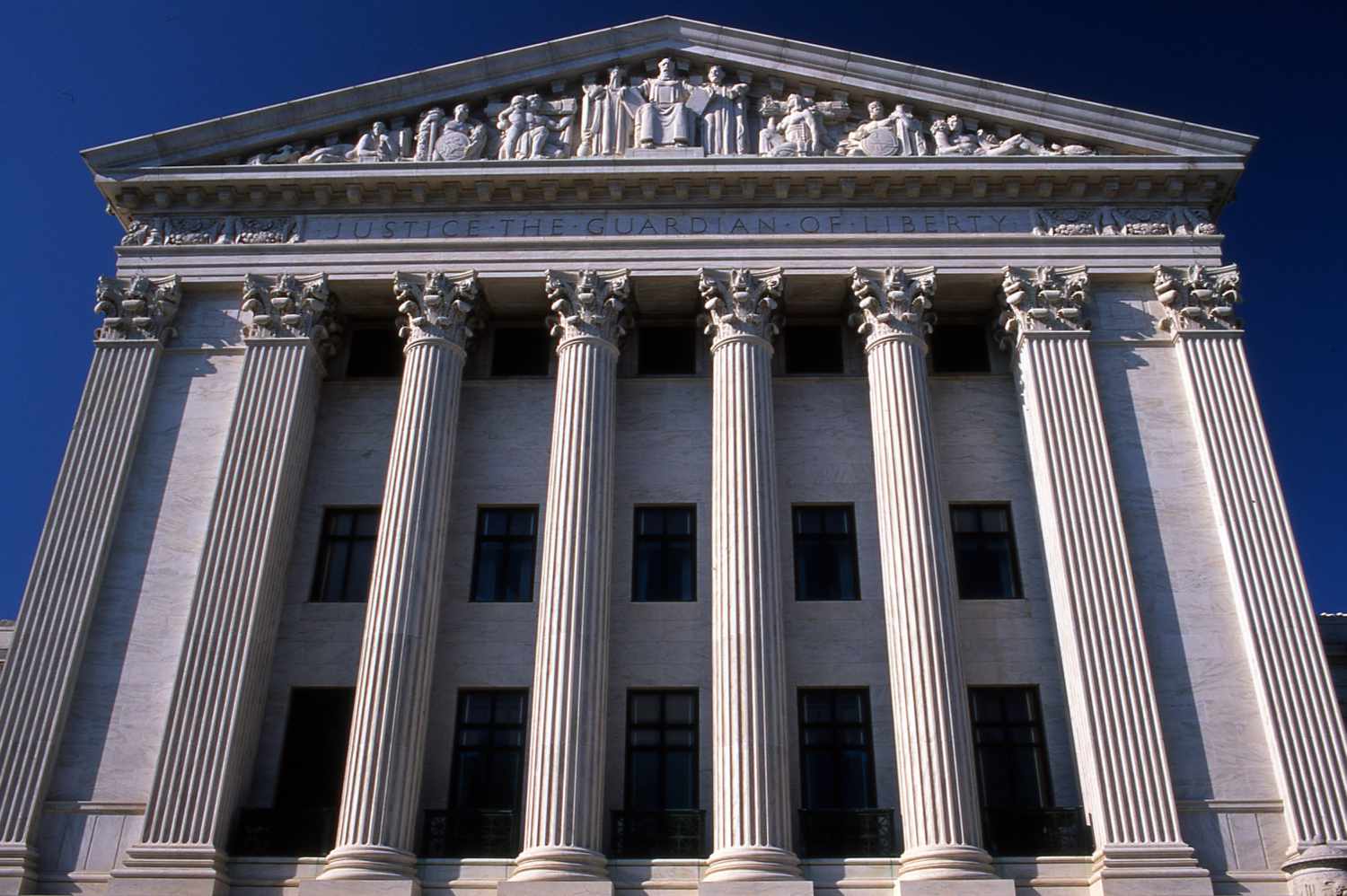
The Supreme Court has agreed to hear a new case out of Maryland that turns on a familiar flashpoint: when, if ever, can race be part of a public school admissions policy?
This dispute is narrower than the Court’s 2023 ruling striking down the use of race in college admissions under the 14th Amendment. The justices are being asked to decide a more technical issue: what evidence challengers need to bring a race discrimination claim over a school admissions policy.
Join the Discussion
The dispute
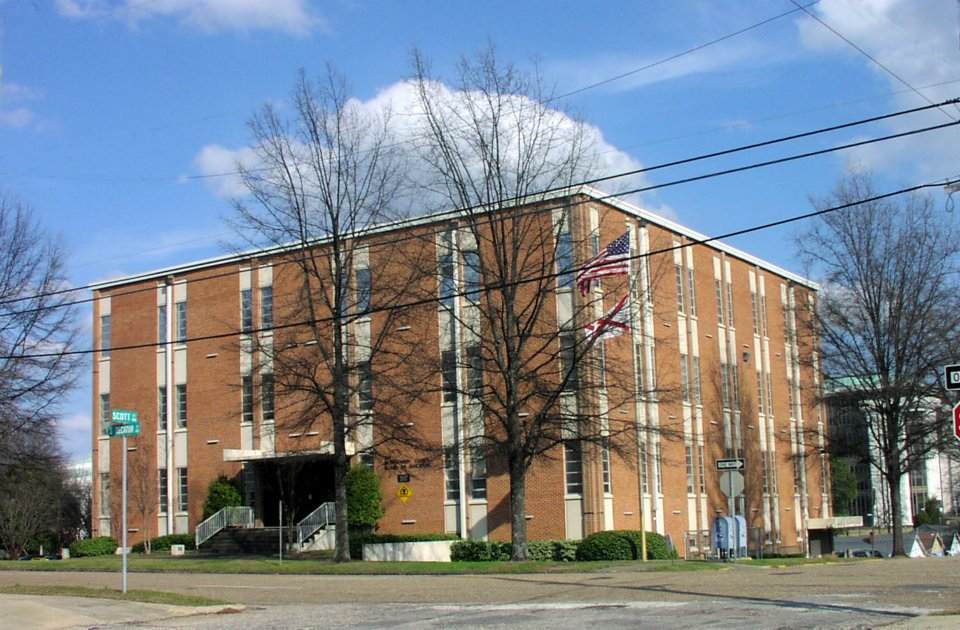
The case comes from Montgomery County, Maryland, a large and diverse county in the suburbs of Washington. The appeal was filed by the Association for Education Fairness, which is seeking to revive a lawsuit against the Montgomery County Board of Education.
The challenge targets admissions to magnet programs housed in a group of four middle schools. The programs focus on STEM and humanities.
The challengers argue that Montgomery County’s policies unfairly elevate Black and Latino students for admission, violating the 14th Amendment. The school district has defended the policies, and both a federal judge in Maryland and the U.S. Court of Appeals for the 4th Circuit ruled in the district’s favor.
What the county changed
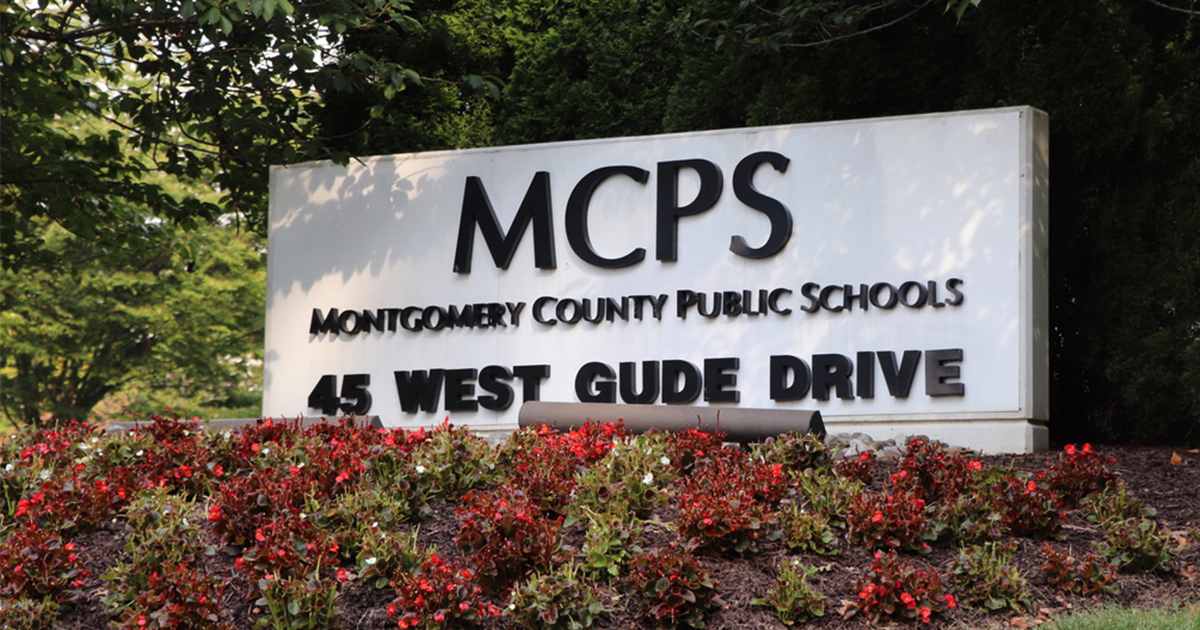
The lawsuit focuses on two approaches Montgomery County used for admissions to the middle school magnet programs: a current lottery-based process and an earlier effort that began in 2017 and has since been discontinued.
The current system
The magnet programs are currently entered via lottery, a system introduced during the Covid pandemic. Entry to the lottery is based on how well students perform on tests when ranked against others in their schools.
The plaintiffs say this feature harms Asian students in higher-performing schools.
The 2017 program
The challengers also targeted a program first introduced in 2017 that has been discontinued. It sought to increase enrollment of children in low-poverty areas.
That earlier program followed a report that said Black and Latino students were underrepresented in the magnet programs while Asian students were overrepresented. The 2017 effort included outreach to students and a cognitive test.
The plaintiffs say both the older and newer approaches were explicitly aimed at increasing Black and Latino enrollment, and that this violates the 14th Amendment.
What the justices will decide
The Supreme Court is not poised to issue a broad ruling on the constitutional question of race and admissions in this case. Instead, the appeal asks a more technical question: what evidence challengers need to bring a claim that an admissions policy is unconstitutionally discriminatory.
That threshold question matters because it can determine whether challenges to these kinds of policies can move forward at all.
Why the case is drawing attention
Since the Supreme Court’s 2023 decision striking down the use of race in college admissions, conservatives, including members of the court, have accused colleges and schools of trying to circumvent the ruling by adopting new admissions policies that do not explicitly consider race but are designed to have the same purpose.
Similar cases reached the court, but the justices declined to take them up. This case will be heard.
A familiar district at the court
It is the second time in recent years the court has heard a case challenging policies in Montgomery County Public Schools. Last year, the court ruled in favor of parents who objected on religious grounds to LGBTQ-themed books approved for use in elementary school classrooms.