
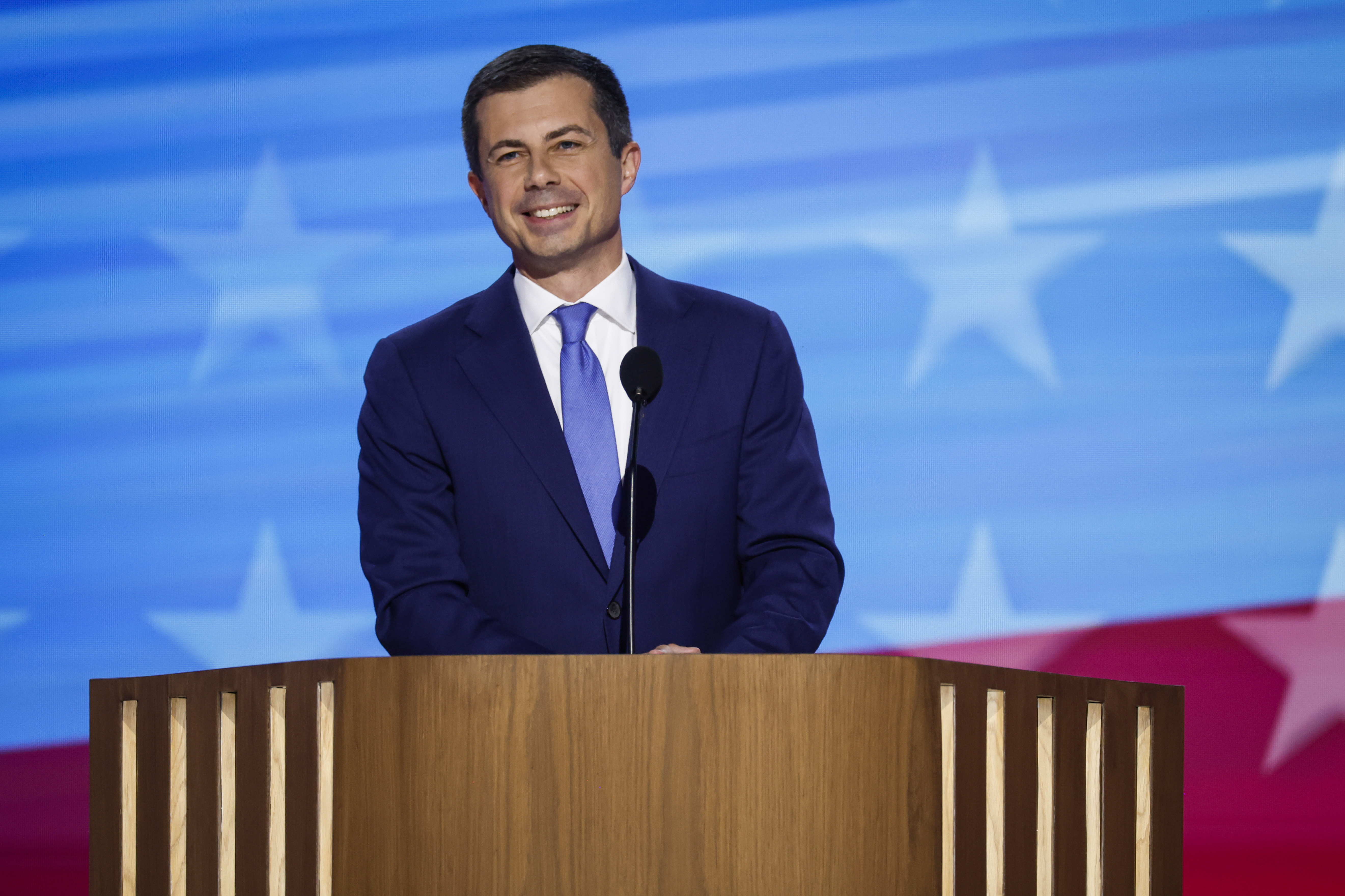
Pete Buttigieg is having one of those political moments that looks sudden, but really is not. One day he is a familiar Democratic voice making the occasional appearance. The next, he is a headline name again, framed as both a policy combatant and a potential future contender.
The spark is transportation policy. Buttigieg has criticized the Trump administration’s move to roll back fuel-economy standards, and that critique is circulating widely because it sits at the intersection of three things Americans argue about constantly: household costs, climate and energy policy, and presidential power.
But the more durable story is bigger than one set of rules. Buttigieg’s reemergence also overlaps with early attention to the 2028 Democratic field. That combination is why he feels “back” all at once, even though neither storyline began yesterday.
Join the Discussion
The policy hook
Fuel-economy standards are often described like a consumer feature, how far a vehicle goes on a gallon of gas. In practice, they function more like a national rulebook for the auto market. They influence what manufacturers build, what technologies scale, and what choices end up on dealer lots.
So when a president’s administration loosens those standards, the effect is not confined to a single model year. It signals a different set of priorities, and it raises a governance question that hides in plain sight: who gets to decide, and how must they justify it?
How rollbacks work
If you have ever wondered why so many policy battles get routed through federal agencies rather than Congress, this is the answer in miniature. Congress passes broad statutes. Agencies translate those statutes into detailed regulations. And presidential administrations, over time, try to push those regulations toward their agenda.
The Constitution does not contain the words “fuel economy standard.” It contains the architecture that makes these battles inevitable: Congress legislates, the executive branch executes, and the courts referee disputes over legality.
When an administration rolls back a standard, the fight is usually not framed as “can the president do this?” in the abstract. It is framed as:
- Authority: Did Congress actually give the agency the power to take this action?
- Process: Did the agency follow required procedures when changing the rule?
- Reason-giving: Did the agency provide a defensible explanation for reversing course?
That third point matters more than people realize. In modern governance, administrations change, but the administrative record lives on. Courts look for consistency, rationale, and lawful grounding. Rollbacks that appear purely political can become legally fragile if they are not justified in the way administrative law requires.
Why he draws attention
Buttigieg’s political value to Democrats has long been less about internal faction labels and more about a simple reality: he is a recognizable messenger who can talk policy without sounding like he is reading from a binder. That is exactly what a party wants when it needs to translate a technical policy shift into a public story.
That is also why he keeps resurfacing as a campaign surrogate style figure. In the current cycle, he has been described as one of the most sought-after Democratic campaigners, a sign that party operatives see him as useful in front of audiences that may not follow regulatory details but do follow political narratives.
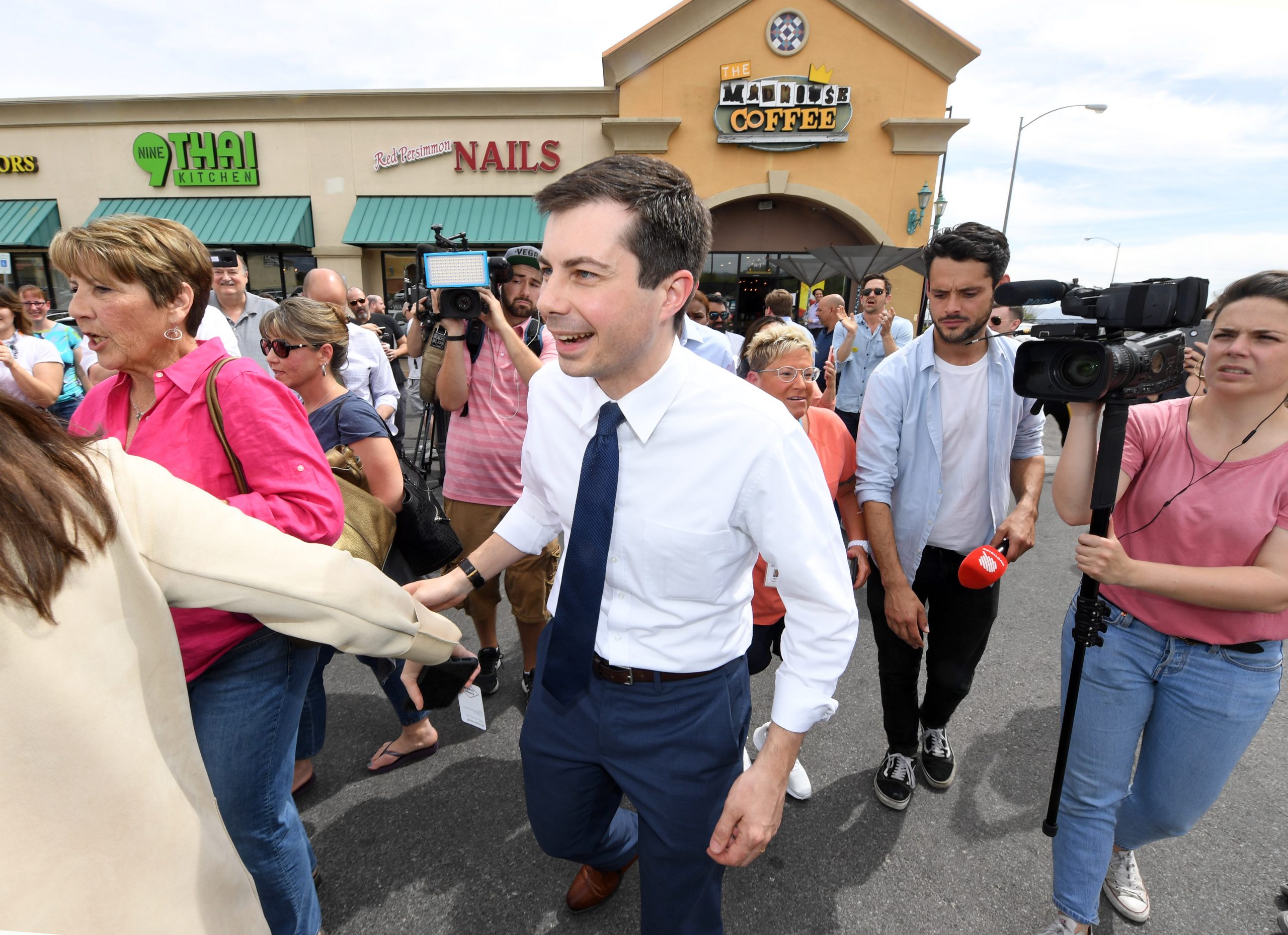
Fuel economy, as an issue, lets him do what he does best: connect everyday experience to institutional structure. It is not just “cars.” It is how the federal government sets long-term expectations for an industry, and what it means when those expectations whiplash between administrations.
The 2028 layer
At the same time Buttigieg is criticizing the fuel-economy rollback, he is also showing up in the early conversation about the 2028 Democratic presidential primary. There are already polling and profile-focused discussions circulating about possible contenders, and his name remains in the mix.
This matters because early presidential politics is not primarily about formal announcements. It is about:
- Reintroduction: reminding the public who you are, but with an updated role
- Issue ownership: being associated with a concrete domain, in his case transportation policy
- Proof of relevance: being called upon when a party needs a national voice
So the two storylines reinforce each other. A policy fight creates a reason to put him on camera. Being on camera revives the “future contender” question. And that question, once revived, makes every policy appearance look like part of a longer plan, whether it is or not.
What to watch next
You can swap Buttigieg out for any recognizable political figure and the civic lesson stays the same. The fuel-economy dispute is a reminder that modern constitutional conflict often shows up as a fight over rulemaking, not a dramatic floor speech in Congress.
If you want to follow the real story, focus on questions like these:
- Which agency is acting, and under what statute? Policy is power, but statutes are permission slips.
- Is the administration changing the standard through durable process? The administrative record is where durability is built.
- How quickly does the debate become a court fight? In the regulatory state, courts are often the final forum.
- Who becomes the party’s translator? Politics is not just what the government does. It is who can explain it convincingly.
In other words: this is not merely a moment of pundit chatter. It is a live example of how executive power, agency governance, and party leadership intersect. Buttigieg is trending because he sits cleanly at that intersection: a national profile, a clear lane on policy messaging, and a party that still treats him as a frontline communicator.
FAQ
Is Pete Buttigieg currently running for president?
The current attention centers on early 2028 speculation and polling-driven discussion, not on a declared campaign.
Why is the fuel-economy rollback politically potent?
Because it turns a technical regulatory change into a broader argument about costs, energy priorities, and who controls the long-term direction of national policy.
What does any of this have to do with the Constitution?
The Constitution sets the structure: Congress writes laws, the executive branch carries them out through agencies, and courts review whether those agencies acted lawfully. Fuel-economy standards are a case study in that structure operating in real time.