
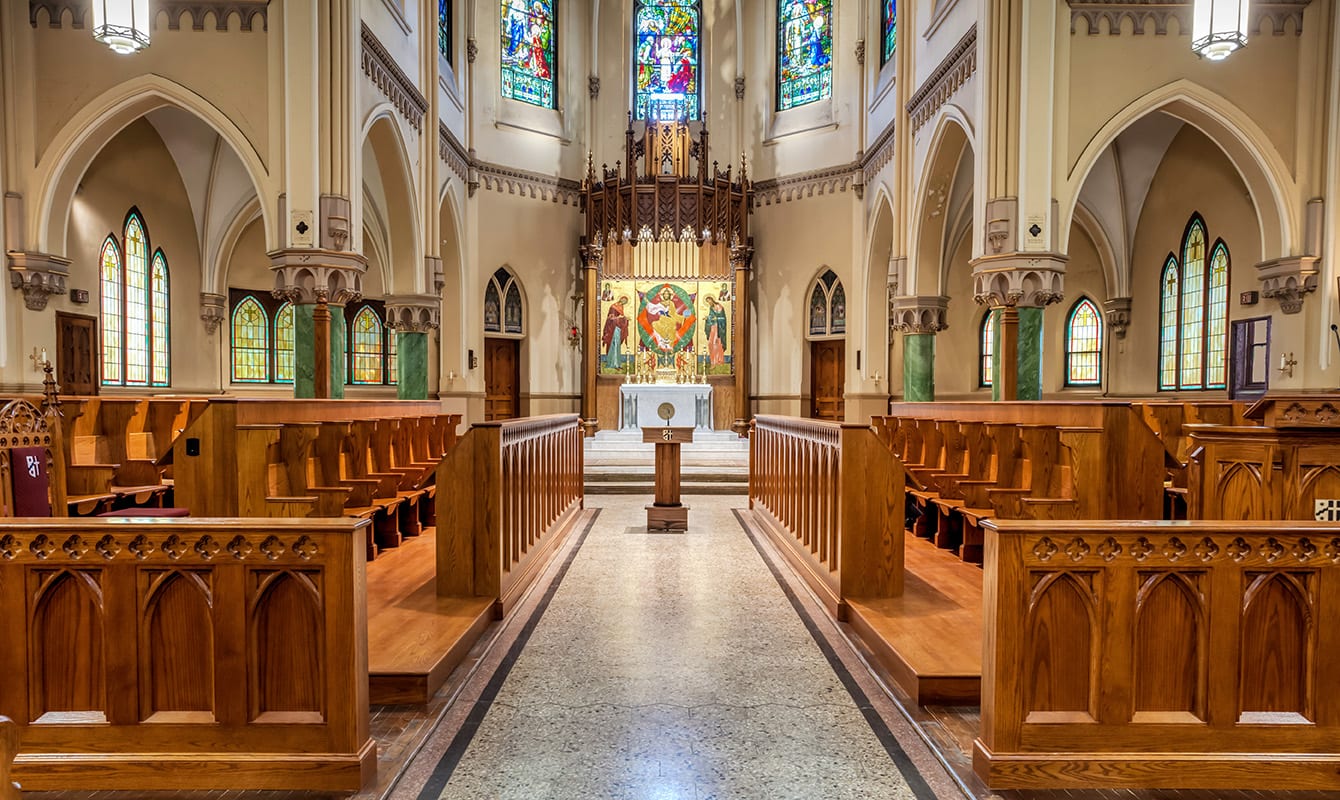
People talk about churches as “sanctuary” like it is a magic word. As if stepping through a chapel door flips the Constitution into a different mode where federal law pauses politely in the narthex.
That is not how American law works.
But a federal court order can change how law is enforced in a particular place. And in August 2026, a Fourth Circuit opinion by Senior Circuit Judge Barbara Milano Keenan left in place a preliminary injunction that restricts certain immigration arrests at specific houses of worship tied to the plaintiffs in a lawsuit challenging the government’s enforcement posture.
The case is not about whether immigration law exists. It is about how the executive branch enforces it when enforcement activity collides with religious exercise, and what a court can do when it concludes that collision is likely unlawful under a federal statute designed to protect religious liberty.
Join the Discussion
What the court did
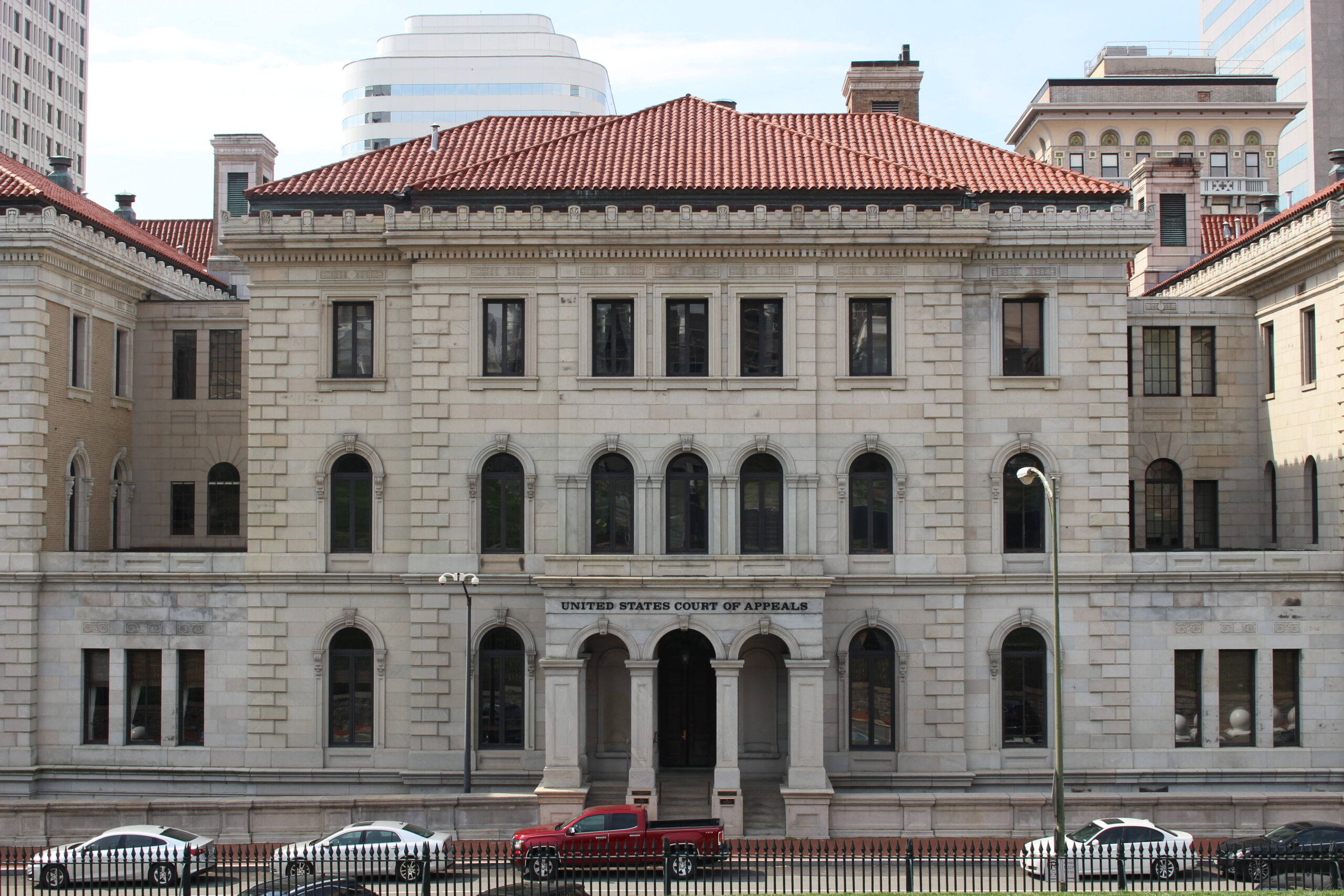
The Fourth Circuit upheld a preliminary injunction that limits certain immigration enforcement actions at identified houses of worship affiliated with the plaintiffs, including Quaker meetings, the Sikh Temple Sacramento, and the Cooperative Baptist Fellowship.
A preliminary injunction is a temporary court order issued early in a case. It does not decide the final merits. It is a stopgap based on likelihoods: likelihood of success, likelihood of harm, and whether the balance of equities and public interest favor interim relief.
The injunction is also narrow. It applies to the specific plaintiff-affiliated locations listed in the litigation record, not to every church, mosque, synagogue, or temple in America. The district court declined to make it nationwide. Other houses of worship would need their own lawsuit and their own evidence.
Why RFRA matters
The most important legal fact in this dispute is easy to miss because it is not constitutional at all.
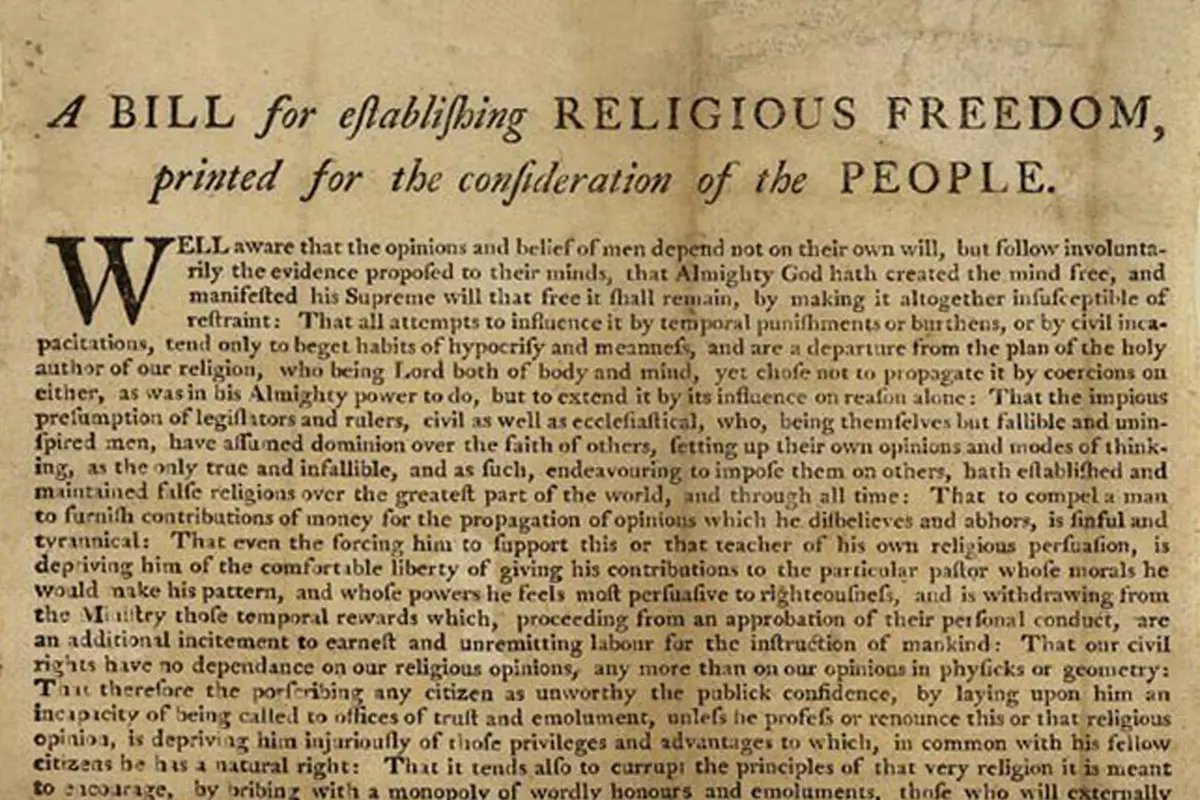
The court’s analysis turned on the Religious Freedom Restoration Act, commonly called RFRA. RFRA is a federal statute that binds the federal government. In plain terms, it bars the government from substantially burdening a person’s religious exercise unless it can satisfy a demanding test: it must show a compelling governmental interest and must use the least restrictive means of achieving that interest.
That is a higher bar than the Constitution typically applies to neutral, generally applicable laws that incidentally affect religion. RFRA exists because Congress chose, by statute, to require more of the federal government than the baseline constitutional minimum in many contexts.
In this case, the Fourth Circuit concluded that the plaintiffs presented enough evidence at this early stage to show a likely substantial burden on communal worship and ministry.
Why attendance drops mattered
Courts do not issue injunctions because a policy is unpopular. They issue injunctions when plaintiffs can show legally cognizable harm.
Here, the record included sworn declarations describing concrete effects on religious communities. One Baptist congregation reported that an English-as-a-Second-Language program experienced a 66 percent attendance drop. Other declarations described reduced use of food and clothing ministries and congregations considering locking doors despite a religious commitment to openness.
That kind of evidence does double duty:
- Standing: It helps show the plaintiffs are not litigating an abstract disagreement. They are claiming a real injury connected to the challenged enforcement posture.
- Substantial burden: It supports the argument that the policy pressures communities to change religious practice, not just endure inconvenience.
At the preliminary-injunction stage, the Fourth Circuit found the asserted attendance losses predictable enough to support standing and serious enough to suggest a likely substantial burden under RFRA.
Discretion is not unlimited
The executive branch has immense authority over immigration enforcement. It sets priorities, allocates resources, and makes operational decisions through agencies like DHS, ICE, and CBP.
That is real power. But it is not free-floating power.
Two constraints matter here.
1) Congress can regulate how the executive enforces federal law
RFRA is Congress doing exactly that. It is a statutory limit on federal action when religious exercise is substantially burdened. Whatever discretion enforcement agencies have, they exercise it inside the box Congress built.
2) Courts can enforce those statutory limits
When a court concludes the government is likely violating RFRA, it can order interim relief while the case proceeds. That is not the court running the executive branch. It is the judiciary doing what Article III courts do: resolving disputes and providing remedies when the law has been plausibly breached.
Sensitive places vs sanctuary
For decades, federal immigration agencies generally treated houses of worship and other “sensitive locations” as places where enforcement should be constrained or require higher-level approval.
In 2021, the federal government adopted a policy requiring prior approval for most operations in protected areas, while preserving exceptions for emergencies, national-security threats, hot pursuit, and other urgent circumstances.
On January 20, 2025, that framework was rescinded, and officers were told to rely on discretion and what the administration described as a “healthy dose of common sense.” A later internal directive placed case-by-case decisions with senior field officials. DHS framed its public position this way: “Criminals will no longer be able to hide in America’s schools and churches to avoid arrest.”
It is important to separate two ideas that often get flattened into one slogan:
- Sanctuary as politics: Local or institutional resistance to cooperation with federal immigration enforcement.
- Sensitive locations as governance: Executive-branch rules about when and how agents operate in places where enforcement can chill core social functions like worship, schooling, or medical care.
The injunction does not constitutionalize sanctuary. It forces, for now and for specific sites, a more restrictive approach to enforcement as a remedy for a likely RFRA violation.
What the order does
This order is easier to understand if you treat it like a set of boundaries, not a shield.
What it does
- Restricts immigration enforcement activity at the plaintiff-affiliated houses of worship covered by the injunction.
- Preserves the 2021 protected-area guardrails in effect at those sites while litigation continues.
What it does not do
- It is not nationwide. It does not automatically cover churches or religious sites unaffiliated with the plaintiffs.
- It is not final. The merits will be litigated further. The government can seek additional review.
- It is not a categorical no arrests ever rule. The district court order does not prevent DHS from making arrests at or near the covered sites when officers have an administrative or judicial warrant.
- It does not decide the First Amendment claim. The Fourth Circuit did not reach the religious groups’ expressive-association argument because RFRA alone supported interim relief.
How the balance works
The tension here is real. Houses of worship are not contraband-free zones. The government has legitimate interests in enforcing immigration law and protecting public safety, particularly when it believes individuals pose threats.
RFRA does not deny those interests. It demands something more specific: if the government’s approach substantially burdens religious exercise, the government must show it is pursuing its interest through the least restrictive means.
That is why these cases often turn less on broad rhetoric and more on operational detail. A court will ask questions like:
- Could the government achieve the same enforcement objective through arrests off-site, surveillance, or scheduled surrender?
- Are there individualized circumstances that justify immediate action at a worship site?
- Are there narrower rules that protect worship while still permitting enforcement when truly necessary?
In other words, the judiciary is not choosing between religion and safety as abstract values. It is testing whether the government’s chosen method is legally justified given the burdens it creates.
The takeaway
Immigration enforcement sits at the crossroads of national sovereignty, executive discretion, and individual rights. That makes it one of the most constitutionally charged areas of modern government.
This injunction is a reminder that executive power, even in an area where discretion is wide, is still bounded by law. Not only by the Constitution’s structural separation of powers, but also by statutes Congress has enacted, like RFRA, that raise the bar when fundamental civic institutions like religious communities are predictably chilled.
If you want a single sentence version of what this order means, it is this: the federal government can enforce immigration law, but when enforcement predictably suppresses religious exercise, courts may require narrower methods, at least while the case is litigated.
And that should spark a bigger civic question worth sitting with: when the government pursues a legitimate goal, how much collateral chill on constitutionally adjacent life, worship, speech, association, is a free society willing to tolerate before it demands a more careful tool?
Quick FAQ
Does the Constitution forbid immigration arrests in churches?
No. This dispute is being handled primarily through RFRA, a federal statute, not a categorical constitutional rule that churches are off-limits.
Is this a sanctuary ruling?
Not in the political sense. It is a location-specific injunction grounded in religious-liberty burdens and interim legal standards.
Can ICE still arrest someone at a covered church?
The order does not stop arrests at or near covered sites when officers have an administrative or judicial warrant, and it leaves room for legally justified enforcement under the terms of the injunction.
Is the case over?
No. A preliminary injunction is not a final merits decision. The government may seek further review or continue litigating.