
“Follow the money” is one of those civic phrases Americans repeat because it feels true.
Then you meet dark money, and the trail goes cold on purpose.
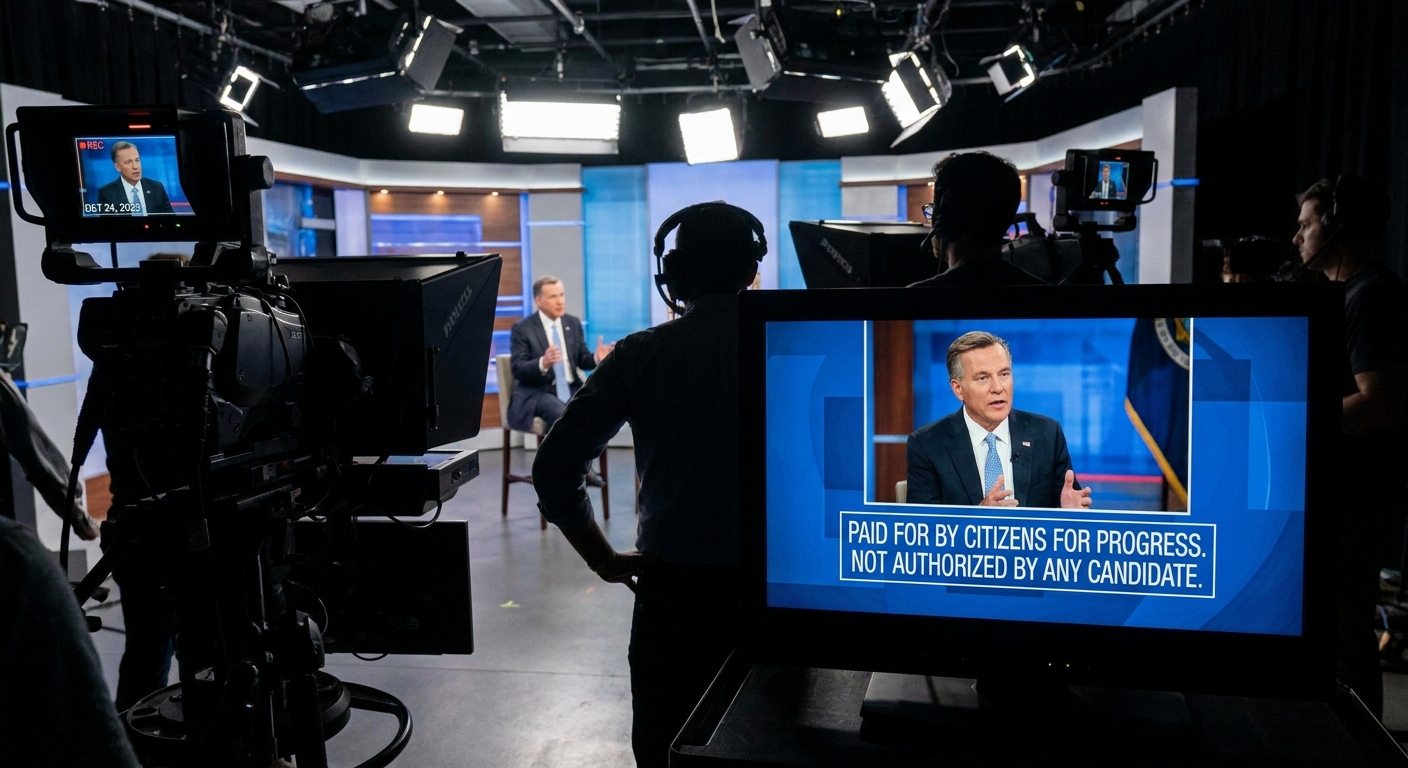
In U.S. political talk, dark money usually means spending that influences elections, or election-adjacent political messaging, while keeping the original donors hidden from the public. You may still see an ad disclaimer that tells you which group paid for the commercial. What you often cannot see is who funded that group.
Join the Discussion
Dark money, defined
In plain terms, dark money is money used to affect politics where the public cannot identify the real people or entities providing the funds.
More specifically, it usually refers to spending routed through organizations that are not required to publicly disclose their donors under federal law, even when they spend on political messaging that can shape voter behavior.
What dark money is not
- Not the same as “cash under the table.” Dark money is often legal. It is “dark” because of limited public disclosure, not necessarily because of criminal conduct.
- Not identical to super PAC spending. Super PACs must generally disclose donors to the Federal Election Commission (FEC). But “disclose donors” does not always mean “reveal the original source” if the contributor is an intermediary like an LLC or a nonprofit.
- Not limited to one party or ideology. The structure is nonpartisan. The incentives are the same: influence without attribution.
How it works
Dark money thrives in the gap between two systems the law treats differently: campaign-finance disclosure rules and tax-law rules for certain nonprofits.
A common route
A typical pathway looks like this:
- A donor gives money to a nonprofit organization.
- The nonprofit spends on political ads, mailers, digital campaigns, or “issue advocacy.”
- The ad might say “Paid for by Americans for Something,” but the public never learns who financed Americans for Something.
Another common pattern is even more concrete:
- A donor gives to a 501(c)(4).
- The 501(c)(4) gives to a super PAC.
- The super PAC reports the 501(c)(4) as its donor, while the underlying donor remains out of public view.
Critics call this a loophole. Functionally, it is a predictable result of how disclosure statutes, IRS rules, and First Amendment doctrine intersect.
Key players
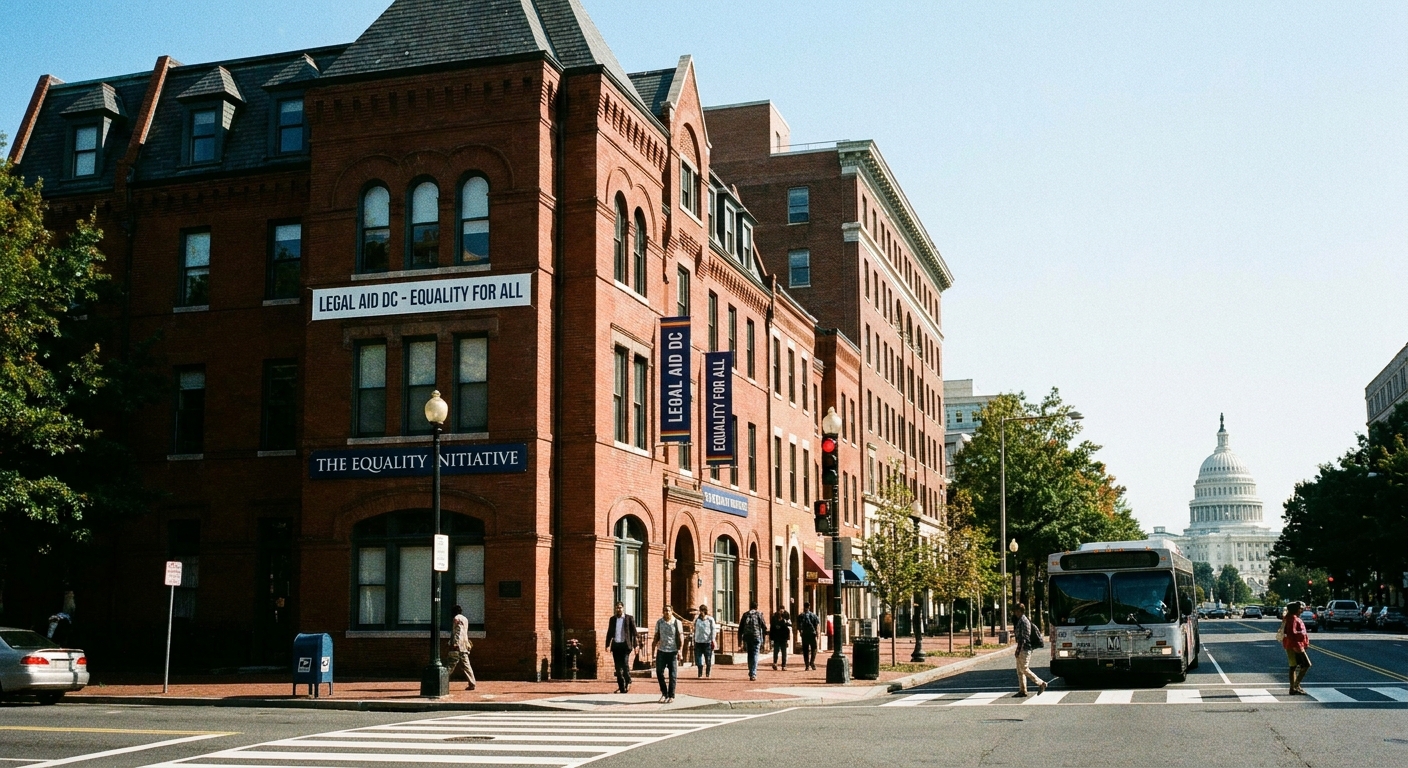
Dark money is strongly associated with specific types of tax-exempt organizations, plus a few other vehicles that sit nearby in the system.
501(c)(4) groups
These “social welfare” groups can engage in politics as long as political campaign activity is not their primary activity. That standard is widely cited but not precisely defined, which contributes to uncertainty and strategic behavior. They generally do not have to publicly disclose their donors.
501(c)(6) groups
Business leagues and trade associations can also spend on political communications under certain conditions, and donor disclosure is limited in many contexts.
501(c)(3) charities
Charities cannot intervene in candidate campaigns. They can engage in some policy advocacy and civic education, but direct electoral politics is restricted. That said, (c)(3) entities can still matter in the broader ecosystem of influence because public debate is not only about elections, it is about agenda-setting.
527 organizations
Some political spending also runs through “527” political organizations. Many 527s have disclosure obligations, but the overall ecosystem still includes layered funding and entities with different reporting rules. The practical question for voters is often the same: do the filings reveal the original source, or just the last stop before the ad ran?
What triggers rules
A major reason dark money persists is that election influence is not always delivered by saying “Vote for Smith” or “Defeat Jones.”
Campaign finance law often treats communications differently depending on whether they are:
- Express advocacy: explicit electoral language such as “vote for,” “elect,” or “defeat.”
- Issue advocacy: messaging about issues, officeholders, or public policy that can be politically potent without using the “magic words.”
But wording is not the only switch. Federal rules also turn on categories like independent expenditures and electioneering communications, which can be defined by timing, targeting, and the medium of the ad, not just the text.
Electioneering communications
Under the Bipartisan Campaign Reform Act (BCRA), “electioneering communications” are certain broadcast ads that refer to a clearly identified federal candidate shortly before an election. The details are technical, but the basic idea is simple: timing windows and formats can trigger additional reporting and disclaimer requirements even when an ad avoids explicit “vote for” language.
Constitutional tension
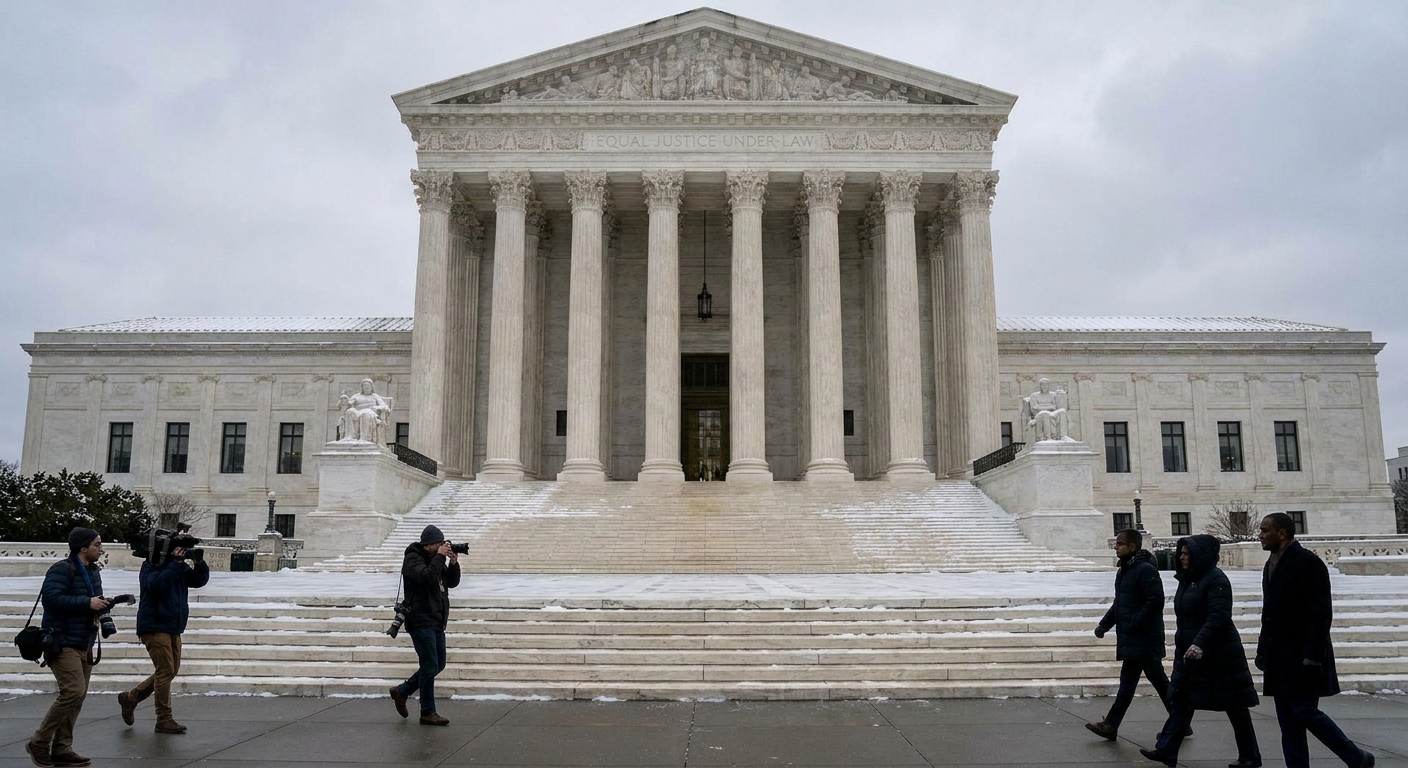
If dark money feels like it should be illegal, you are bumping into a hard constitutional tension: the First Amendment protects political speech, and political spending is often treated as a form of that speech.
Two values in conflict
- Speech and association: donors argue they have a right to support causes without retaliation or harassment.
- Transparency and self-government: voters argue that democracy requires knowing who is trying to persuade them and why.
The Supreme Court has repeatedly recognized the legitimacy of disclosure in many circumstances, but it has also been skeptical of broad rules that burden political association.
Citizens United, explained
Citizens United v. FEC (2010) is often treated like a synonym for dark money. It is not, but it matters.
What it did
The decision held that the government cannot ban independent political expenditures by corporations and unions. That ruling helped accelerate independent spending as a central feature of modern elections.
What it did not do
Citizens United did not create the concept of donor anonymity. And importantly, the Court in Citizens United upheld certain disclosure and disclaimer requirements for election-related communications. The dark money problem persists largely because money can be routed through organizations where underlying donor disclosure is not required, or because enforcement is inconsistent and definitions are narrow.
Why it matters
Dark money is not just about who wins. It is about whether citizens can evaluate political messages with the most basic context: who is speaking.
1) Accountability needs a name
If an ad attacks a candidate’s record on veterans’ benefits, it matters whether the funding comes from a local grassroots network, a defense contractor’s ecosystem, or a single billionaire with a personal vendetta. Without disclosure, voters are forced to guess.
2) It can create a favor economy
Most corruption is not a suitcase of cash. It is access, gratitude, and understood mutual benefit. Dark money makes it harder to detect when governing decisions are shaped by invisible patrons.
3) It can fuel cynicism
When people believe elections are purchased by unknown actors, trust can erode, and participation can drop. A republic runs on consent. Consent weakens when persuasion becomes untraceable.
Is it legal?
Often, yes.
That answer frustrates people because it sounds like a moral defense. It is not. It is a description of how the current system is structured. Dark money can also cross legal lines, depending on the facts.
Examples that are often legal
- A nonprofit runs issue ads urging the public to call a senator about judicial nominations.
- A social welfare group funds ads close to an election that criticize an officeholder’s policy positions without explicitly saying “vote against.”
Examples that can raise legal problems
- Coordination with a candidate or campaign while claiming the spending is independent.
- Foreign national involvement in election spending, which is generally prohibited under federal law in connection with any federal, state, or local election, even if enforcement can become fact-specific when money moves through intermediaries.
- Misreporting or routing funds to hide the true source in ways that violate campaign finance rules.
Why disclosure is hard
Disclosure feels like the obvious compromise: keep speech free, but let voters see who is paying. The complication is that disclosure rules must navigate:
- Statutory definitions that separate issue advocacy from electioneering communications and independent expenditures.
- Agency enforcement, especially at the FEC, where deadlocks can limit action.
- Constitutional limits, including protections for anonymous association in certain circumstances.
- Practical workarounds, such as multilayered funding where one nonprofit funds another.
It also helps to distinguish between reporting to regulators and public transparency. Many nonprofits report substantial information to the IRS, but donor identities are typically not public. (c)(3) donor lists are generally not public either, with some exceptions in the private foundation world. Even when disclosure exists on paper, it can be late, incomplete, or difficult for ordinary voters to interpret.
State rules vary
This article is mostly about federal law, but dark money fights also play out in the states. Some states require more disclosure for ballot measures or certain issue ads, and those rules often trigger their own court challenges. In practice, what is “dark” in one state can be easier to trace in another.
Common questions
Is it the same as soft money?
No. “Soft money” traditionally refers to funds raised outside federal limits for party activities, a major focus of the Bipartisan Campaign Reform Act (McCain-Feingold). Dark money is about hidden donor identity, typically through nonprofits or other intermediaries.
Can we ban it entirely?
An outright ban runs directly into First Amendment doctrine about political speech and association. The more realistic legal battlefield has been over disclosure requirements, definitions of political activity, and enforcement.
How can a voter spot it?
- Look for ads paid for by groups with generic names that do not clearly identify a membership base.
- Check whether the sponsor is a nonprofit versus a registered PAC or party committee.
- Search the sponsor’s filings and reported spending. Sometimes you can see the spender, even when you cannot see the original donors.
The civic takeaway
The Constitution is not a transparency manual. It is a framework for power, and power has always tried to move quietly when it can.
Dark money is what happens when modern political persuasion meets a legal system that protects speech, tolerates some donor anonymity, and struggles to define what counts as campaigning in an era where almost everything is political.
If you want a single question to keep in your pocket while watching ads this election season, it is this: Who benefits if I never learn who paid for this?