
You can sue someone for defamation. You can sue over a broken contract. In practice, you can file a lot of lawsuits if you can pay a filing fee and draft a complaint.
But that does not mean you can file anything without consequence. Pleading standards apply. Some claims require pre-suit steps like notice or administrative exhaustion. Courts can dismiss weak cases early and can sanction truly frivolous filings.
Still, sometimes the lawsuit is the punishment.
A SLAPP suit, short for Strategic Lawsuit Against Public Participation, is a case filed to burden speech and civic engagement with time, fear, and legal bills. The goal is often not to win on the merits. The goal is to make the target regret speaking up at all.
Anti-SLAPP laws are the legal system responding to a hard truth: even a weak claim can be powerful if it forces an ordinary person to spend thousands of dollars just to reach the point where a judge can say, "This should never have been filed."
Not legal advice: This is a general explainer, not legal advice for your situation. Anti-SLAPP rules are technical and vary by jurisdiction. If you are sued over speech, talk to a qualified lawyer in your state if you can.
Join the Discussion
What makes a lawsuit a SLAPP
A SLAPP is not defined by a single cause of action. It is defined by a strategy.
Courts do not usually read minds to decide intent. Instead, anti-SLAPP statutes operationalize the idea by defining the kinds of speech and petitioning activity that qualify and by providing an early procedure to test whether the plaintiff has real evidence.
Typically, a SLAPP has four ingredients:
- Speech or petitioning activity. The defendant spoke, wrote, reviewed, complained, reported, organized, or testified about something that matters beyond a purely private dispute.
- A powerful or motivated plaintiff. Often a business, developer, local official, well-funded individual, or organization that can afford prolonged litigation.
- A legal theory that is easy to allege and expensive to fight. Defamation is common, but so are tortious interference, nuisance, business disparagement, civil conspiracy, and sometimes claims dressed up as "harassment" or "extortion."
- A chilling effect. The case is designed to send a message: stay quiet, or spend years and money defending yourself.
It is possible for a plaintiff to feel genuinely wronged and still file a suit that functions like a SLAPP. That is part of why this area is difficult. Courts have to separate legitimate reputational or business disputes from litigation used as a pressure tactic.
Typical SLAPP patterns
SLAPP suits have a recognizable shape because public participation has predictable venues.
Local government fights
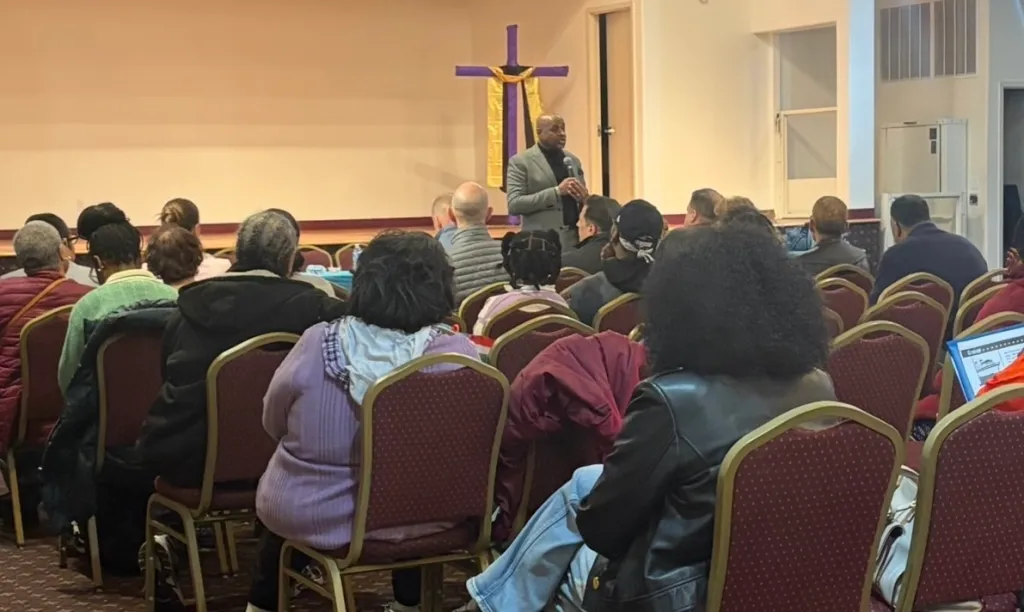
A homeowner speaks against a zoning change. A neighborhood group criticizes a proposed development. A resident complains about policing, code enforcement, or school policy.
Then the speaker gets sued for defamation or interference, based on statements made at a city council meeting, in an email to officials, or in a petition.
Reviews and online criticism
A customer posts a negative review. A former client criticizes a service provider. A small creator posts a video describing a bad experience.
The business responds with a lawsuit that alleges reputational harm and large damages, even when the speech looks like opinion, fair comment, or a good-faith account of facts.
Journalism and watchdog work
A reporter publishes an investigation. A nonprofit releases a report. A citizen records and posts video of public conduct.
The plaintiff sues not only to challenge accuracy, but to force discovery, identify sources, or drive up costs long enough to slow future reporting.
Work disputes with a public angle
An employee reports misconduct to a regulator. A professional files a complaint with a licensing board. A parent raises issues to a school district.
The lawsuit reframes that reporting as malice, defamation, or “false accusations,” even when the report was made through official channels.
Why SLAPPs matter constitutionally
The First Amendment is often described as protecting speech from government censorship. That is true, but it is incomplete.
In American life, suppression can also happen through private leverage. A lawsuit filed by a private party is not the same thing as a government gag order, yet it can still punish speech and distort public debate.
Two First Amendment ideas sit in the background of SLAPP fights:
- Speech on matters of public concern sits near the core of First Amendment values. Political speech, civic criticism, and public oversight are the kinds of expression the system is built to tolerate, even when sharp, embarrassing, or unpopular.
- The right to petition includes more than protest signs. It includes complaints to government agencies, testimony at meetings, filings with regulators, and other attempts to seek official action.
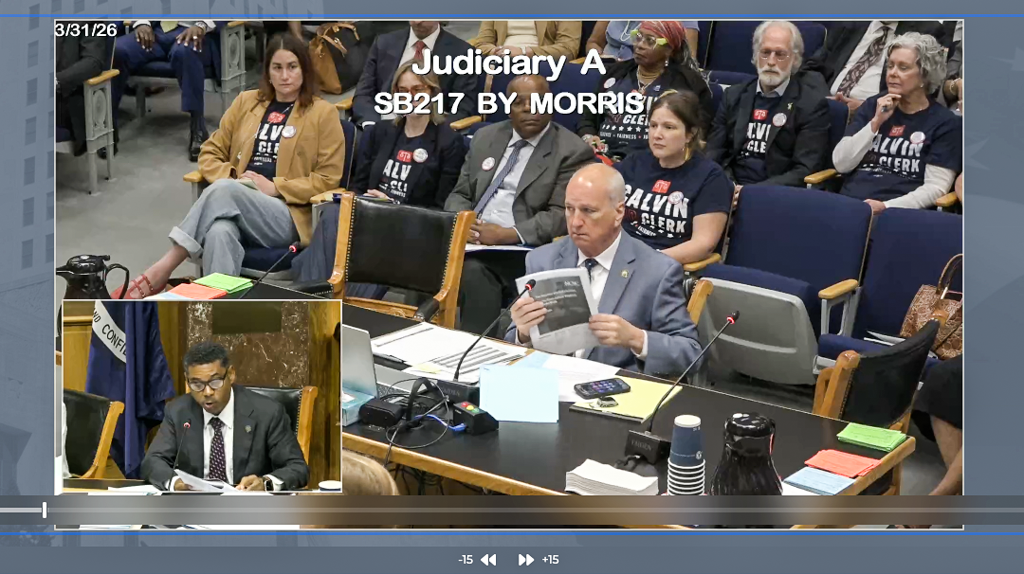
Anti-SLAPP statutes are not constitutional amendments. They are procedural and remedial tools, mostly created by states (and also Washington, D.C.) to reduce the ability of litigation itself to become a speech deterrent. There is no single, nationwide federal anti-SLAPP statute, although federal law contains speech protections in specific contexts.
This is also where defamation themes appear, lightly but importantly. Defamation law is the most common vehicle for a SLAPP because it can be pleaded broadly and can sound morally damning from the first sentence of the complaint. Anti-SLAPP statutes try to ensure that a plaintiff with a weak defamation claim cannot use the cost of defense as the real weapon.
What anti-SLAPP laws do
Anti-SLAPP statutes vary dramatically by jurisdiction. Some are narrow and cautious. Some are broad and aggressive. But they tend to share a single aim: front-load the merits so defendants can get out early when the case targets protected public participation.
1) An early motion
The defendant can file a special motion, often early in the case, arguing that the lawsuit arises from protected speech or petitioning activity and cannot meet a legal threshold.
Instead of enduring months of litigation before reaching summary judgment, anti-SLAPP tries to force an early checkpoint: show the claim has real evidentiary support, or face dismissal.
2) Burden shifting
Many statutes follow a basic two-step logic:
- Step one: the defendant shows the suit targets conduct covered by the statute, such as statements about a public issue, commentary to government, or participation in a public forum.
- Step two: the plaintiff must show a probability of prevailing, or at least present enough evidence to establish a prima facie case, depending on the jurisdiction.
That second step is the hinge. It is where a plaintiff who filed for intimidation can stumble, because intimidation does not generate admissible proof.
3) Discovery limits
Discovery is often where SLAPPs do their damage. Depositions, subpoenas, document reviews, and expert fees can grind a defendant down.
Many anti-SLAPP laws pause discovery while the special motion is pending, but the details vary. Some provide an automatic stay. Others allow targeted discovery if the plaintiff can justify specific needs.
4) Fee shifting
The remedy that gets the most attention is also the most practical: if the defendant wins the anti-SLAPP motion, the plaintiff may have to pay attorneys’ fees and costs.
This changes incentives. Without fee shifting, a plaintiff can file a weak case and still “win” by imposing expense. With fee shifting, that strategy can backfire.
5) Sometimes extra penalties
Some jurisdictions allow additional statutory damages or sanctions when a case is found to be abusive. Not every statute goes this far, and courts vary in how willing they are to impose penalties beyond fees.

What anti-SLAPP laws do not do
Anti-SLAPP laws are often misunderstood as a free speech cheat code. They are not.
- They do not legalize defamation. If a plaintiff can show a real, supportable claim, anti-SLAPP usually will not stop it.
- They do not protect every nasty statement. Many statutes focus on public issues, public forums, or petitioning activity. A purely private smear campaign may not qualify.
- They do not cover every business fight. Some states treat purely commercial speech, competitor disputes, or private contract battles differently, especially when the speech is not tied to a matter of public interest.
- They do not guarantee a quick win. Defendants still have to meet statutory requirements, and courts can disagree about what the statute covers.
- They do not exist everywhere in the same way. Some states have strong laws, some have narrow ones, and some have none.
The point is not to immunize speech. The point is to stop a lawsuit from functioning as a substitute for censorship.
The patchwork problem
Anti-SLAPP protection in the United States is a map of uneven terrain.
Differences that matter include:
- Scope: does the statute cover only speech to government, or also speech to the public? Does it require a “public issue” or “public interest”?
- Standard of proof: must the plaintiff show a probability of success, or merely a legally sufficient claim supported by evidence?
- Discovery stay: automatic, partial, or discretionary?
- Fee shifting: mandatory, discretionary, or absent?
- Appeals: can the losing party appeal immediately, potentially pausing the case?
This matters because SLAPPs are often filed strategically. Plaintiffs choose jurisdictions. Defendants may be forced to defend far from home. And online speech can create multi-state questions about which law applies.
To reduce the chaos, the Uniform Law Commission drafted the Uniform Public Expression Protection Act (UPEPA), a model anti-SLAPP law that states can adopt. There have also been recurring proposals for a federal anti-SLAPP statute, but there is still no single federal law that standardizes protection nationwide.
Anti-SLAPP in federal court
Some SLAPP cases end up in federal court, especially when parties are from different states or when federal claims are involved. That creates a technical but important question: can a state anti-SLAPP procedure be used in federal court?
Federal courts apply federal procedural rules, even when state substantive law governs the underlying claim. So courts have to decide whether an anti-SLAPP statute is procedural, substantive, or mixed.
The result has been inconsistency. Some federal courts apply certain anti-SLAPP protections. Others refuse, reasoning that the Federal Rules of Civil Procedure occupy the field.
This area is also evolving and can be granular. In some places, federal courts may reject a state’s special motion procedure while still entertaining fee provisions in narrower circumstances. In others, courts apply much more of the statute. The practical consequence is frustrating: the same speech can receive strong early-dismissal protection in state court and weaker protection in federal court, even within the same state.
How to spot a SLAPP
You do not need to be a lawyer to recognize warning signs. Look for a pattern where the alleged harm is serious enough to demand money but hard to tie to specific, falsifiable statements.
- The complaint focuses on tone and motive more than what, precisely, was false.
- The damages request is enormous compared to any concrete loss.
- The lawsuit follows public criticism at a meeting, in a review, or in reporting.
- The plaintiff demands retractions and silence as much as compensation.
- The case targets multiple speakers to isolate and intimidate a group.
A legitimate claim can still include some of these features. But when several appear at once, especially after civic participation, the word SLAPP is not just an insult. It is a description of a playbook.
If you get served
If you are sued over something you said, posted, reported, reviewed, or filed with an agency, think practically and early. Deadlines can be short.
- Do not ignore it. Missing a response deadline can lead to default.
- Preserve everything. Save posts, emails, screenshots, messages, drafts, and any documents that support what you said.
- Be careful about new posts. Public commentary about the case can create new facts, new claims, or discovery material.
- Look up your jurisdiction’s anti-SLAPP rule quickly. The availability and timing of a special motion can matter.
- Get legal help if you can. If private counsel is out of reach, consider local bar referral services, legal aid, law school clinics, or nonprofit press and speech organizations depending on the context.
Remedies in plain English
If a court concludes a case targets protected public participation and the statute applies, the remedies are usually about restoring balance, not awarding a grand constitutional prize.
- Early dismissal: the defendant gets out before the process becomes the penalty.
- Attorney’s fees and costs: the defendant is not bankrupted for speaking.
- Limited discovery: the plaintiff cannot use subpoenas as a fishing net for punishment.
- Potential sanctions: in some jurisdictions, courts can add consequences for abuse.
Conceptually, anti-SLAPP tries to turn the courthouse back into what it is supposed to be: a place to resolve real disputes, not a place to manufacture silence through procedural attrition.
Why this matters now
Public participation has moved. It still happens in town halls, but it also happens in comment sections, review platforms, livestreams, parent group chats, and community forums that did not exist when many speech doctrines first took shape.
That creates new opportunities for accountability, and new opportunities for retaliation.
Anti-SLAPP statutes are a state-level attempt to protect the oxygen of civic life, not by declaring that speech has no consequences, but by insisting that consequences must be earned on the merits, not imposed through the cost and drag of litigation.
Anti-SLAPP also has critics. Some worry that broad statutes can be used by well-resourced defendants to seek early dismissal of legitimate claims, or that the motion practice itself adds expense. Those tradeoffs are part of the policy fight in state legislatures and courts.
If the First Amendment is the national promise, anti-SLAPP laws are one way jurisdictions try to keep that promise practical for people who cannot afford to be sued as a form of discipline.