
There are two ways Washington staffing rumors usually die. Either the White House announces a name and everyone moves on, or the rumor collapses under the weight of its own improbability.
The viral “press secretary” moment that lit up social media on September 3, 2026 took a third path: it didn’t die at all. It became a clip. And clips have a half-life that traditional political gossip does not.
What made this one stick was the convergence of three ingredients that always travel well online: a high-profile media exit, an immediate question about a flashy West Wing role, and a politician who answered with comedy instead of clean denial.
Join the Discussion
What happened at the White House podium
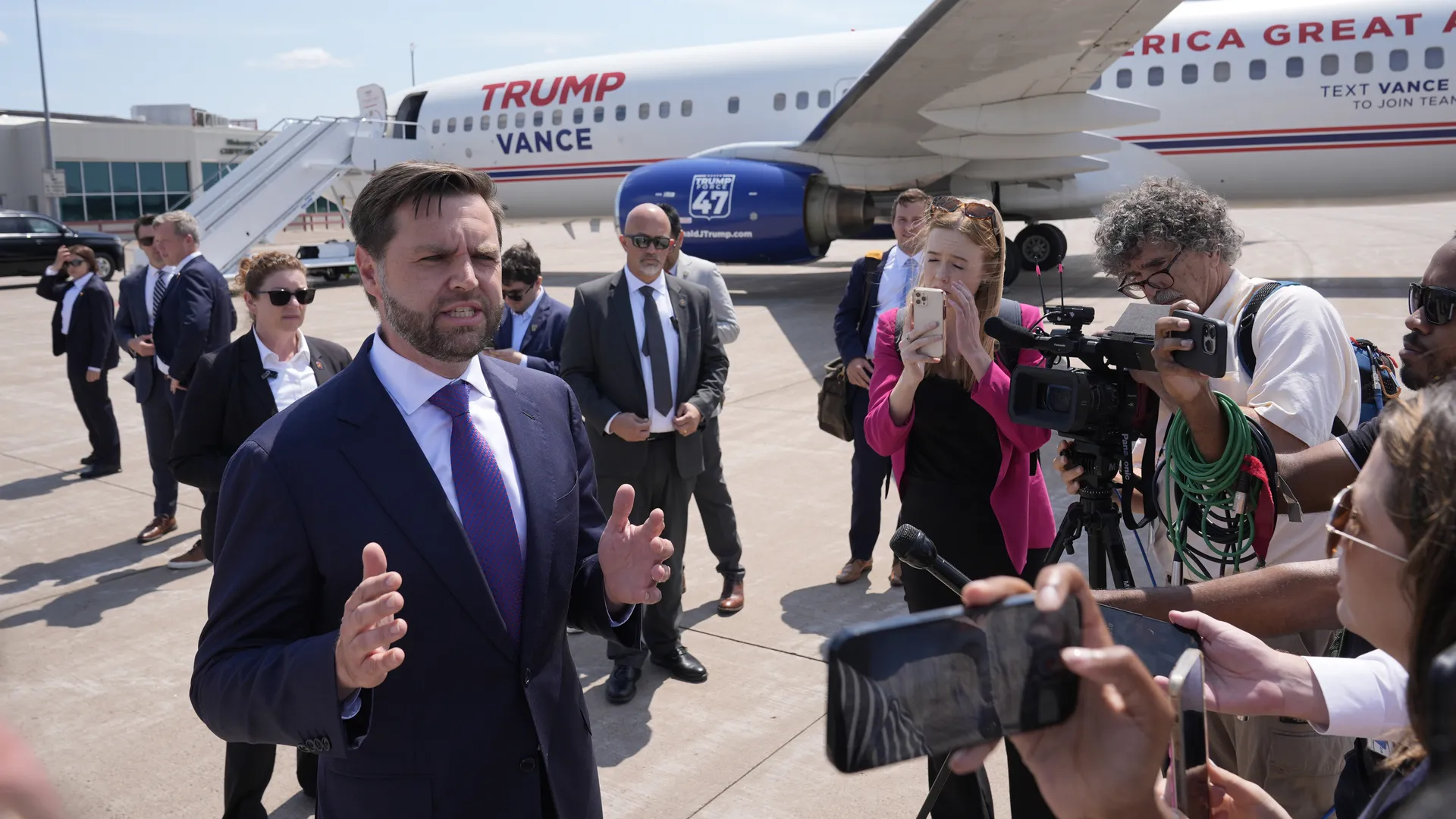
During a White House press gaggle on September 3, reporters pressed Vice President JD Vance on a rumor that formed almost instantly: Maria Bartiromo had just left Fox News, and people were already speculating she might be headed to the White House as the next press secretary.
Vance responded by trying to hand the question to a reporter. “I’d like to invite Peter Doocy to come up here and answer about what happened to Maria!” he said, turning the moment into a quip about who should be explaining a cable-news departure.
Then he offered what amounted to a polite non-endorsement. “I don’t know, man. I don’t think [she will be]. I just saw the news as I walked out. I love Maria. She’s an amazing person.” He added, “She’s great. I wish her all the best.”

That combination matters. In Washington, a firm “no” can end a story. A warm compliment plus a joke plus a shrug can keep it alive, because it leaves room for audiences to hear what they want to hear.
Why the Bartiromo rumor took off so fast
The underlying fact anchoring the speculation is simple and verifiable: Maria Bartiromo left Fox News on September 3, and no reason was publicly specified at the time. That kind of sudden, high-profile exit is gasoline for Washington’s favorite pastime, which is connecting dots that may not belong on the same page.
The press secretary role also invites projection. It is a job with visibility, conflict, and daily camera time. That makes it uniquely susceptible to “celebrity staffing” fantasies: people imagine a familiar face stepping into a familiar frame, just with a different logo behind them.
But the White House press secretary is not a pundit’s chair with a government seal. It is a legal and ethical pressure cooker. A press secretary speaks for the President, fielding questions that can implicate diplomacy, national security, ongoing litigation, personnel decisions, and federal investigations. The microphone is not just a platform. It is evidence.
The second joke that supercharged the clip
The Bartiromo line was only half the viral fuel. The other half came from Vance recounting a conversation with President Trump, one that framed the press secretary role as both a political compliment and a threat.
Vance told reporters that he had been with the President in the Oval Office and that Trump said: “Be careful. I want you to do well. But if you do too well, I might make you the press secretary.”
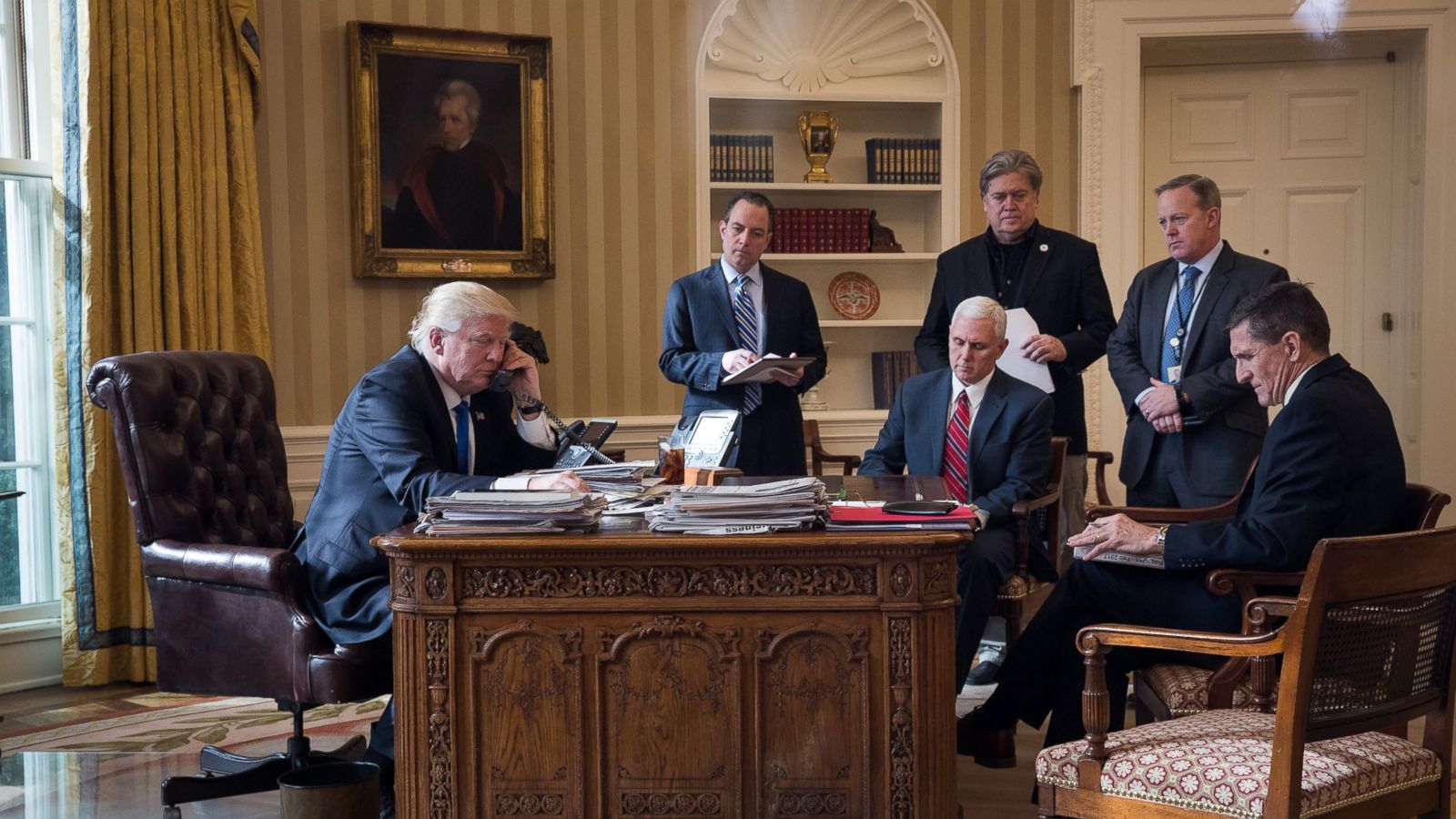
That line matters because it turns the press briefing from a routine communications function into a kind of performance test. It also frames the job as a punishment for being too effective at explaining policy, which is exactly the kind of inside-baseball humor that social media translates into a meme.
Then Peter Doocy, who had been part of the exchange, pushed the joke further: “Are we talking to you as the vice president or the press secretary?”
Vance answered, “I’m not Marco. I’ve not yet accepted any additional jobs.” And then he clarified: “But I’m very much up here as the vice president of the United States.”
Again, not a personnel announcement. A riff. But riffs are what go viral.
Press secretary rumors versus actual White House staffing
When the public talks about a press secretary, we usually talk about the person. Their sharpness. Their style. Their sparring ability. Their one-liners. Their “wins.”
Inside the executive branch, the role is less about winning and more about discipline.
- Message control: keeping agencies aligned so the government does not contradict itself in public.
- Risk management: avoiding statements that box the President into a position before policy is settled.
- Institutional credibility: ensuring that official statements can be relied on by allies, adversaries, markets, and courts.
- Access: deciding when to answer, when to defer, and when silence is the least damaging option.
That is why the most persistent mistake in press secretary speculation is assuming that camera comfort equals job fit. In reality, the position is built around internal trust, operational competence, and a willingness to say “I’ll get back to you” fifty times without freelancing on behalf of the President.
What about Karoline Leavitt?
Alongside the Bartiromo rumor cluster, a smaller parallel narrative also circulated praising incumbent press secretary Karoline Leavitt. The framing was personal and admiring, emphasizing her youth, her aggressiveness at the podium, and the fact that she is a mother while holding a high-pressure communications post.
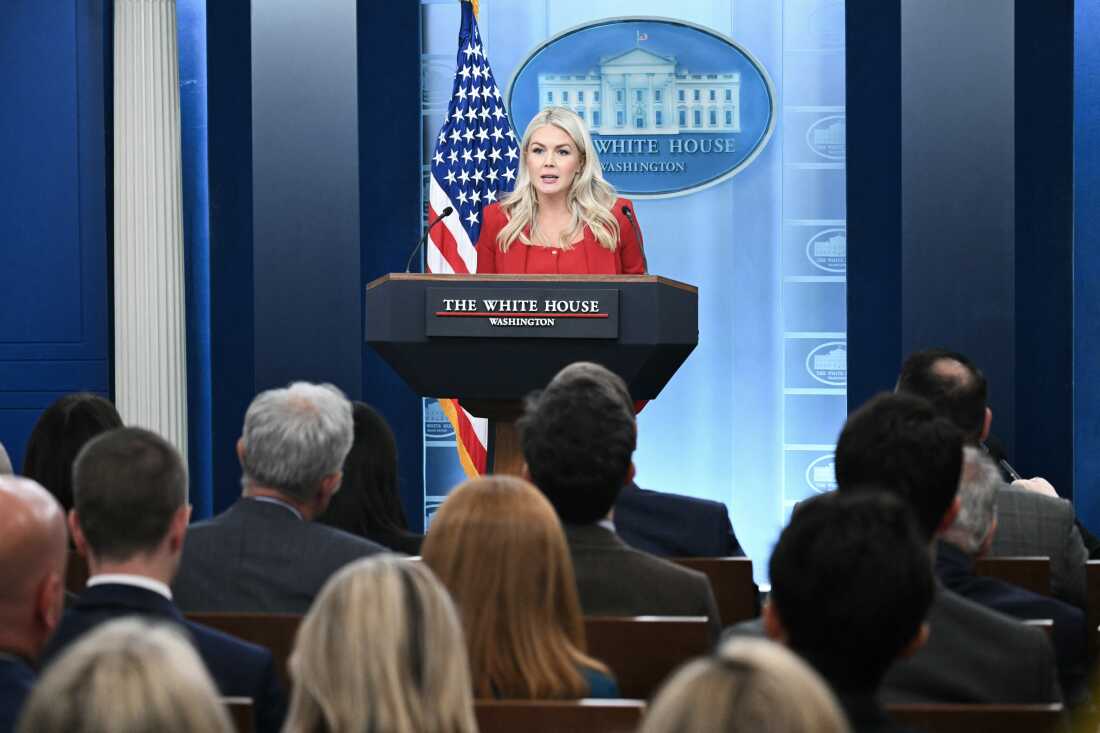
Whatever one thinks of Leavitt’s style, the existence of that parallel thread is revealing: many online arguments about the press secretary are really arguments about what the President’s supporters want the administration’s public face to look like.
But even that is still different from the question reporters were asking Vance that day, which was not about performance reviews. It was about whether a newly available TV personality was about to be hired. Vance’s answer suggested he had no such plan in hand.
The constitutional angle we forget: who “speaks” for the executive branch
The Constitution does not create a White House press secretary. The job exists because the modern presidency exists, and because the executive branch has grown into a vast bureaucracy that has to communicate with Congress, the courts, the public, and the world.
But the constitutional principle underneath the viral joke is real: executive power is concentrated in a single elected official. Article II vests “the executive Power” in the President. Everyone else, from Cabinet secretaries to spokespeople, acts through delegated authority and at the President’s pleasure.
That is why a press secretary’s words can matter far beyond the day’s news cycle. They are not merely commentary. They are often treated as signals of executive intent, especially by foreign governments, regulated industries, and litigants trying to understand what the administration will do next.
So when a vice president jokes about becoming press secretary, it lands because the audience senses the real subtext: the public face of the White House is not a minor job, even if it gets treated like one online.
So is Maria Bartiromo becoming press secretary?
Based on what was said publicly in the gaggle, there was no formal personnel announcement and no confirmation that Maria Bartiromo was being considered. Vance’s on-camera response was, effectively, that he had just learned of her departure and did not think she was headed to the role.
What made the moment durable was not the likelihood of the hire. It was the structure of the exchange: a rumor, a recognizable name, a White House setting, a punchline, and then a second punchline about Trump warning Vance not to brief “too well.”
In other words, it was politics as content. Which is why it traveled.
FAQ
Did the White House announce a new press secretary on September 3, 2026?
No. The viral clip came from a question-and-answer exchange at a press gaggle, not a personnel rollout.
What exactly did Vance say about Bartiromo?
He joked about inviting Peter Doocy to explain her Fox exit and said, “I don’t think so” when asked whether she would be the next press secretary. He also wished her well and called her “an amazing person.”
Why does the press secretary role attract so much speculation?
It is one of the few White House jobs that is both powerful and publicly visible every day. That combination makes it a magnet for rumors, especially when a well-known media figure suddenly becomes “available.”