
A criminal jury’s job is deceptively simple on paper: listen, weigh credibility, apply the law as instructed, and return a verdict. In real life, that last step can become the hardest one, because the American jury is built to require something rare in modern civic life: unanimity.
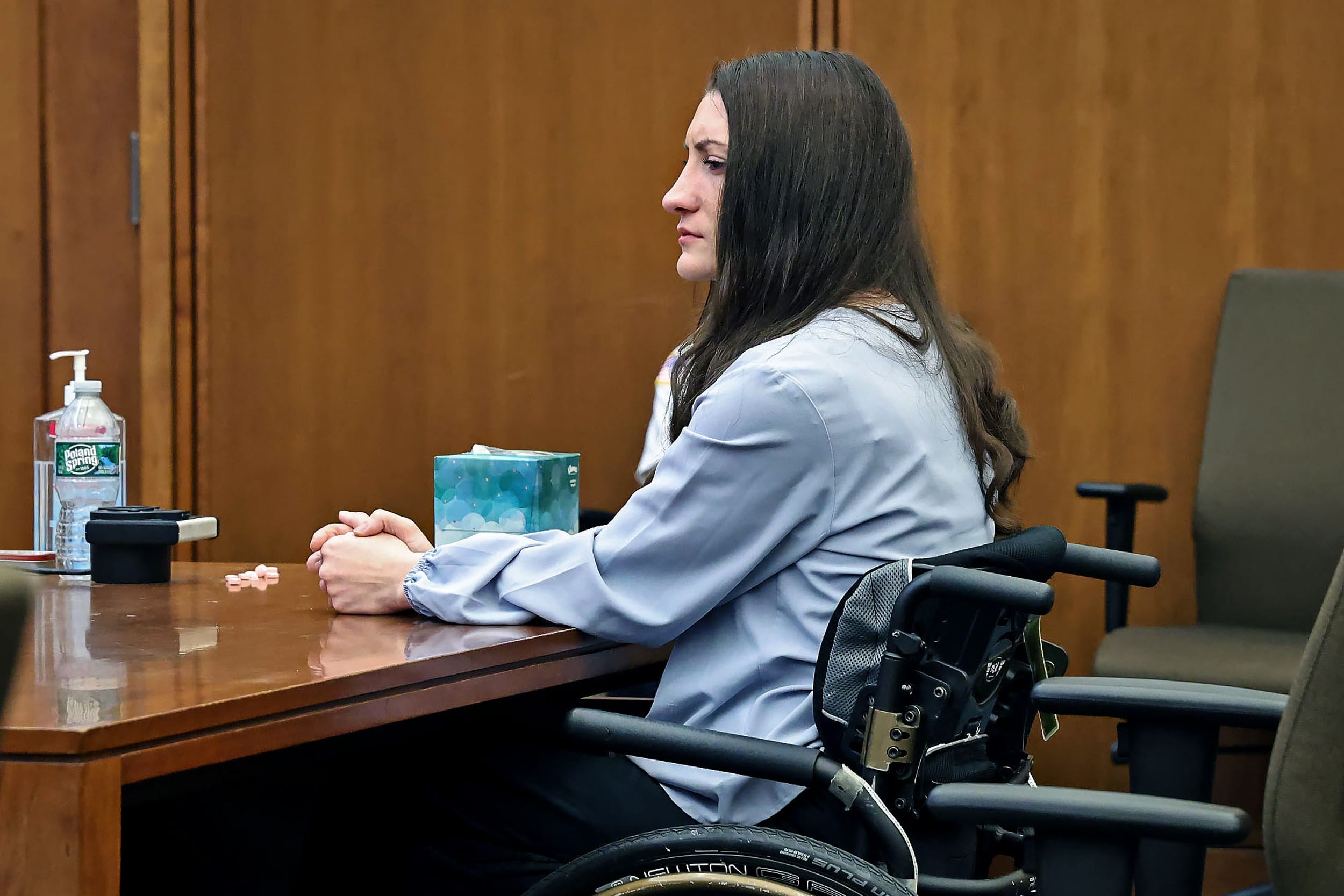
That design is now the defining fact of the Lindsay Clancy trial in Plymouth, Massachusetts, where Lindsay Clancy, 36, is charged with first-degree murder in the strangling deaths of her three young children. The case has moved from evidence to deliberations, and then into the tense terrain that courts politely call “impasse” and the public usually calls a hung jury.
Inside the courthouse, the 12 jurors have been sequestered together for the last week. Twice since Monday morning, they have reported that they cannot reach agreement, setting up the central question of this moment: can a jury that keeps saying it is stuck still get to a verdict?
Join the Discussion
What a hung jury is

A hung jury is not a verdict. It is a failure to reach one, after jurors have deliberated and still cannot agree on the required outcome. In a case being tried at Plymouth County Superior Court, that requirement is unanimity: a unanimous finding beyond a reasonable doubt to convict, or a unanimous conclusion that the prosecution has not met its burden, resulting in acquittal.
When unanimity does not happen, the judge may declare a mistrial. That does not mean the defendant was found “not guilty.” It means the trial ended without a decision the law recognizes as final.
In the Clancy trial, the jury consists of 12 jurors (nine women and three men). They represent a range of ages; most are white. After repeated reports of an impasse, the court has to decide whether more deliberation is likely to produce a genuine consensus or only a coerced compromise.
Why unanimity matters
Unanimity is one of the jury system’s built-in brakes. It forces the state to persuade a full cross-section of citizens, not just a majority. That requirement makes convictions harder, by design, because the power being exercised is the power to take liberty, sometimes for life.
There is also a constitutional logic to it. The Sixth Amendment guarantees a jury trial in criminal prosecutions. While the Constitution does not spell out every procedural detail of how juries must operate, modern criminal procedure has treated unanimity as a critical component of what makes a jury verdict legitimate, especially in serious cases.
That is why a deadlock matters so much. A split jury does not just delay closure. It is a sign that at least one juror believes the prosecution has not carried the burden of proof, or that at least one juror believes the defense has not created reasonable doubt, depending on which way the votes are leaning.
The dynamite charge
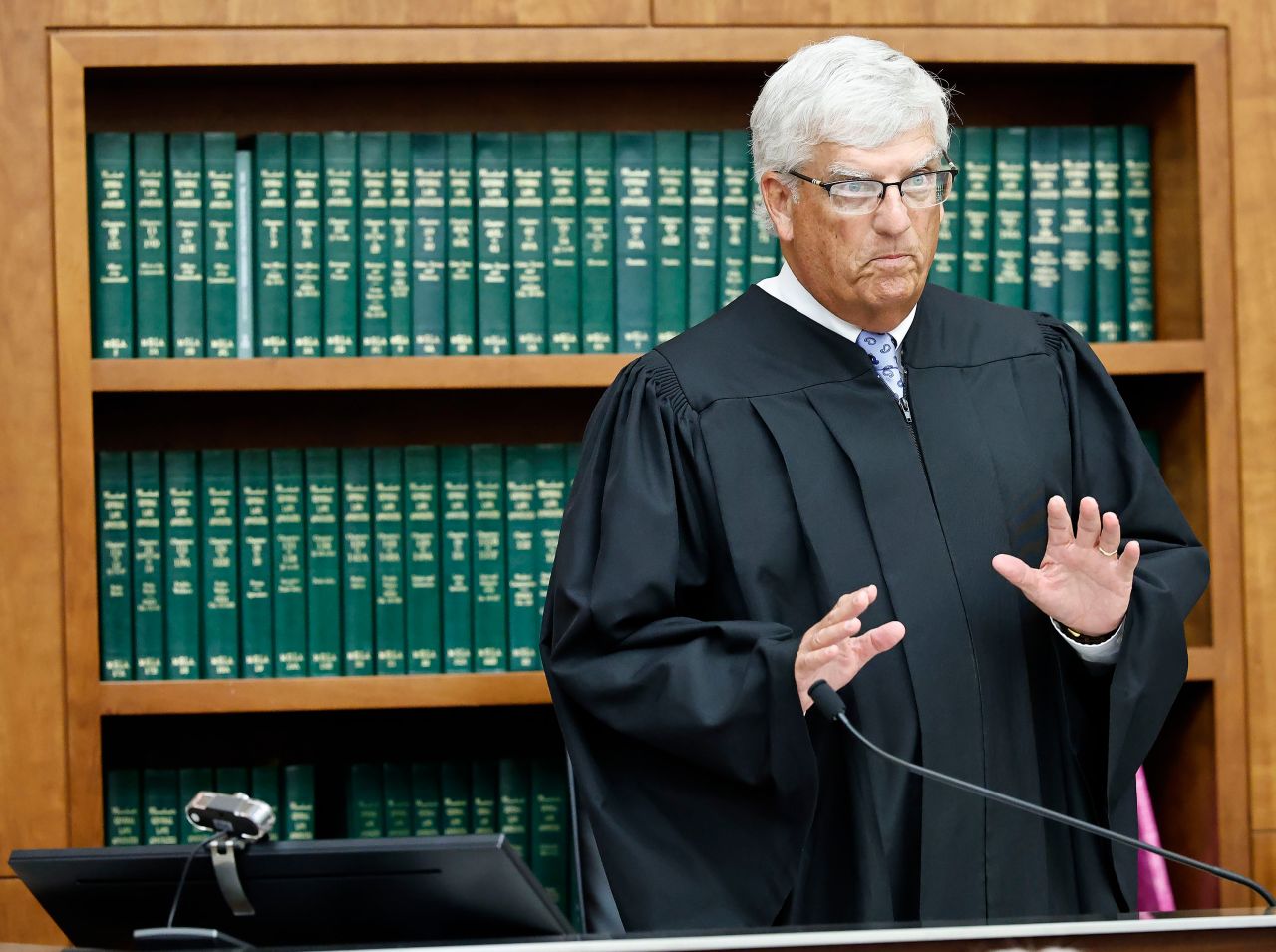
When a jury announces it cannot agree, judges have a narrow menu of lawful responses. One option is to send jurors back with additional instructions urging them to continue deliberating and to reexamine their views with an open mind. In Massachusetts, this instruction is commonly known as a “dynamite charge,” a nickname that captures its purpose: to try to break a deadlock.
In the Clancy case, the presiding judge, William Sullivan of Plymouth County Superior Court, read the jury a dynamite charge on Wednesday afternoon after jurors again reported an impasse. Several jurors appeared visibly weary as they listened. Judge Sullivan then ordered them to return Thursday for a sixth day of deliberations.
Supporters of the practice argue it can prevent mistrials in cases where a consensus is genuinely possible and the jury simply needs time. Critics argue that the very point of the instruction is pressure, and pressure can distort the most important safeguard a jury provides: that no person is convicted unless every juror is convinced beyond a reasonable doubt.
This is why the language of such instructions has been debated and, in some places, revised to sound less like a command to surrender and more like an invitation to keep talking. The constitutional worry is not hypothetical. A “try harder” instruction can unintentionally target the minority jurors in the room, the ones who are holding out for acquittal or for conviction, and make them feel personally responsible for the inconvenience of the court system.
How often juries hang
Hung juries are talked about endlessly and happen relatively rarely. Estimates put them at about 5 to 6 percent of criminal cases.
That number is easy to overlook until you stop and remember what it represents. In a system that asks 12 strangers to interpret contested facts under a demanding legal standard, it is almost surprising that most juries do reach agreement.
As Georgetown law professor Paul Butler put it: When you have 12 people, a cross-section of the community, who have to reach a unanimous verdict based on a very high standard of proof, it’s remarkable that hung juries are relatively rare.
Can this jury still decide
Yes. Deadlock is not destiny. But repeated deadlock is a warning sign that the gap is not just about needing more time. When jurors repeatedly report an impasse, experts say a breakthrough becomes less likely, because the disagreement often reflects fundamentally different readings of the evidence, different assessments of witness credibility, or different thresholds for what counts as “reasonable doubt.”
Deadlocked juries that are read a dynamite charge do sometimes return verdicts, said Jack Lu, a retired Massachusetts Superior Court judge who heard cases for almost two decades. When they do, those verdicts tend to come quickly.
Lu also captured the heart of the controversy: This ratchets up the pressure significantly.
That is the procedural and human tension now sitting in the Clancy jury room. The court is asking for more deliberation, while trying not to transform deliberation into surrender.
If the jury hangs
No, a mistrial does not mean Lindsay Clancy is “off the hook.” A mistrial after a hung jury generally permits the prosecution to try the case again. That reality surprises people because it feels like double jeopardy in spirit. But the constitutional rule is more precise than the instinct.
The Fifth Amendment’s Double Jeopardy Clause bars the government from trying someone twice for the same offense after an acquittal or a conviction. A hung jury produces neither. Because there is no final verdict, courts treat a retrial as a continuation of the same jeopardy, not a second jeopardy.
So if the Clancy jury cannot reach unanimity and the court declares a mistrial, prosecutors typically retain discretion to retry the case, negotiate a plea, or, in rare circumstances, dismiss charges. The defense, for its part, may push to narrow charges, press for dismissal, or use the mistrial as leverage in plea discussions.
What happens next
When jurors report they are stuck, the judge usually explores a few steps in sequence:
- Clarifying instructions on the law, if the jury asks questions.
- More deliberation time, sometimes after a dynamite charge.
- Assessment of “manifest necessity” for a mistrial if the impasse appears genuine and durable.
In plain English, the court is trying to protect two competing values at once: the defendant’s right not to be pressured into an unjust conviction, and the public’s interest in finality and enforcement of criminal law through a functioning jury system.
The bigger principle
Hung juries can look like the system failing. Sometimes they are. But sometimes they are the system refusing to pretend.
In Plymouth this week, that abstraction has a concrete shape: a sequestered jury, a repeated impasse, and a judge’s last-ditch instruction that tries to keep people talking without pushing them past the line of their own honest doubt.
The Constitution is not a document that promises easy answers. It is a document that builds friction into power. In the courtroom, friction looks like burdens of proof, unanimity rules, and the uncomfortable truth that “we cannot agree” is sometimes the most honest civic sentence a group of citizens can deliver.
Quick FAQ
Does a dynamite charge force a verdict?
No. Jurors are still instructed not to surrender sincerely held convictions. But it can increase psychological pressure to resolve the case.
How long can a jury deliberate?
There is no universal time limit. Judges consider the complexity of the case, the length of trial, and whether further discussion is likely to be productive.
If the jury hangs, does the judge decide guilt?
No. In a jury trial, the judge does not substitute their own verdict for the jury’s. The usual result is a mistrial.