
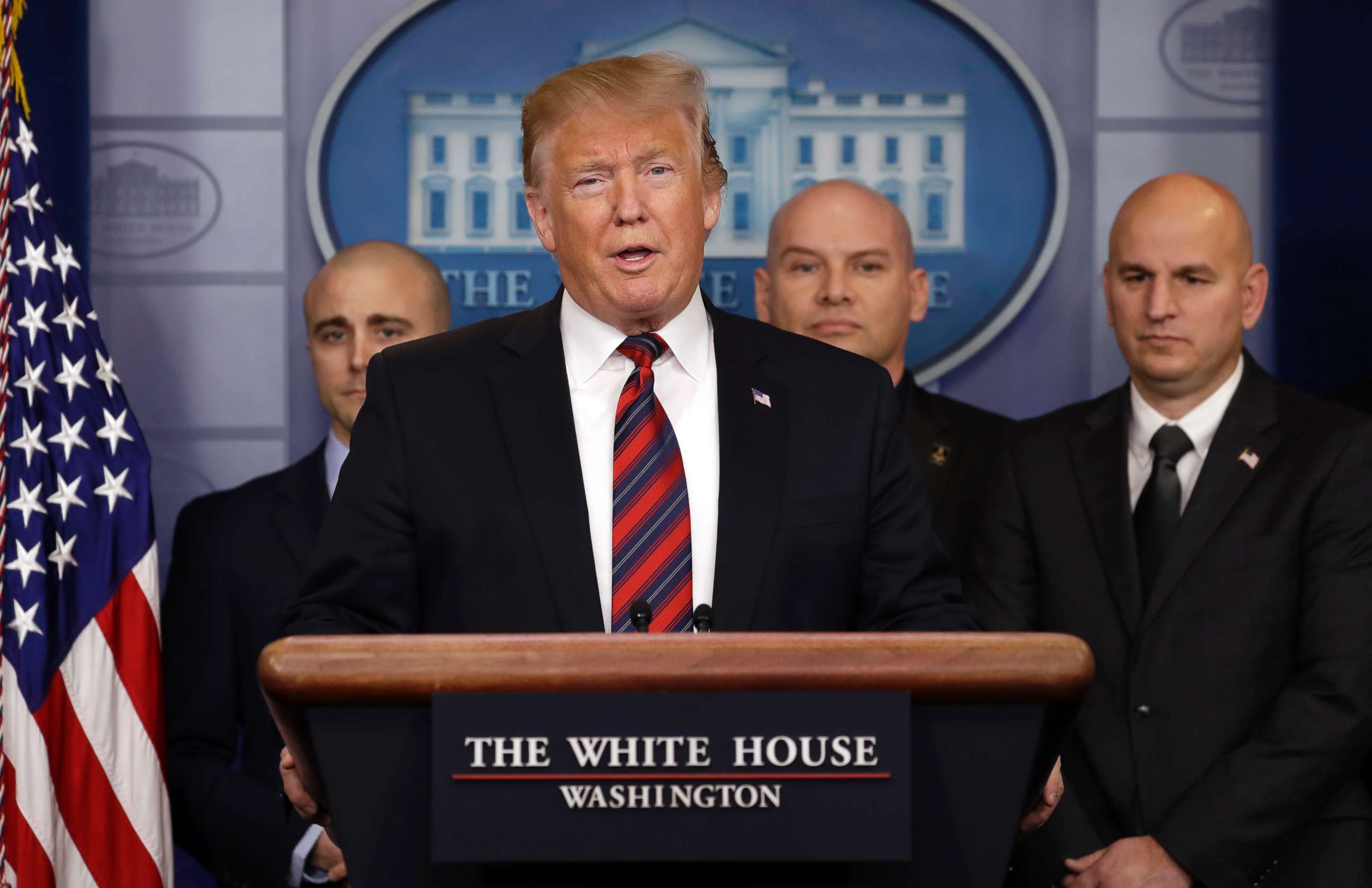
President Donald Trump announced he was banning three news organizations, CNN, MS NOW, and Politico, from White House access “effective immediately.” In the same post, he argued that outlets should not be able to “constantly write or report fiction and lies” when covering the President, the Trump Administration, or the country, adding: “Other Fake News Media Outlets to follow. Thank you for your attention to this matter!” The post used the phrase “fake news” three times.
That announcement raises a civics question many people ask: Does the First Amendment give the press a right to be inside the White House? The answer is nuanced. The Constitution strongly protects newsgathering and publication, but it does not automatically guarantee unlimited entry to every government-controlled space. In many credential disputes, the hardest legal fight is about how the government decides who gets credentials and whether those decisions may punish a viewpoint.
Join the Discussion
What happened
Trump framed the ban as a response to what he described as years of inaccurate coverage. He did not specify which outlets were in his crosshairs next, even as he wrote: “Other Fake News Media Outlets to follow.”
When asked about the decision, he pointed generally to “cumulative stories over the last few years,” without identifying a particular report.
As of Friday afternoon, CNN reporters remained seated in their White House workspace near the briefing room, even as the practical impact of Trump’s “effective immediately” announcement remained unclear. In a statement, a CNN spokesperson said: “CNN stands fully behind our White House team and their fair and accurate reporting. We have a right under the U.S. Constitution to do that reporting without hindrance or interference from the government. Should the ban which President Trump threatened go ahead, it would be an illegal assault on that fundamental and constitutionally-protected right.”
Criticism and response
Press-freedom groups criticized the move. The National Press Club urged the President to “reverse this declaration immediately,” warning that “If implemented, this ban would mark an unprecedented assault on press freedom.”
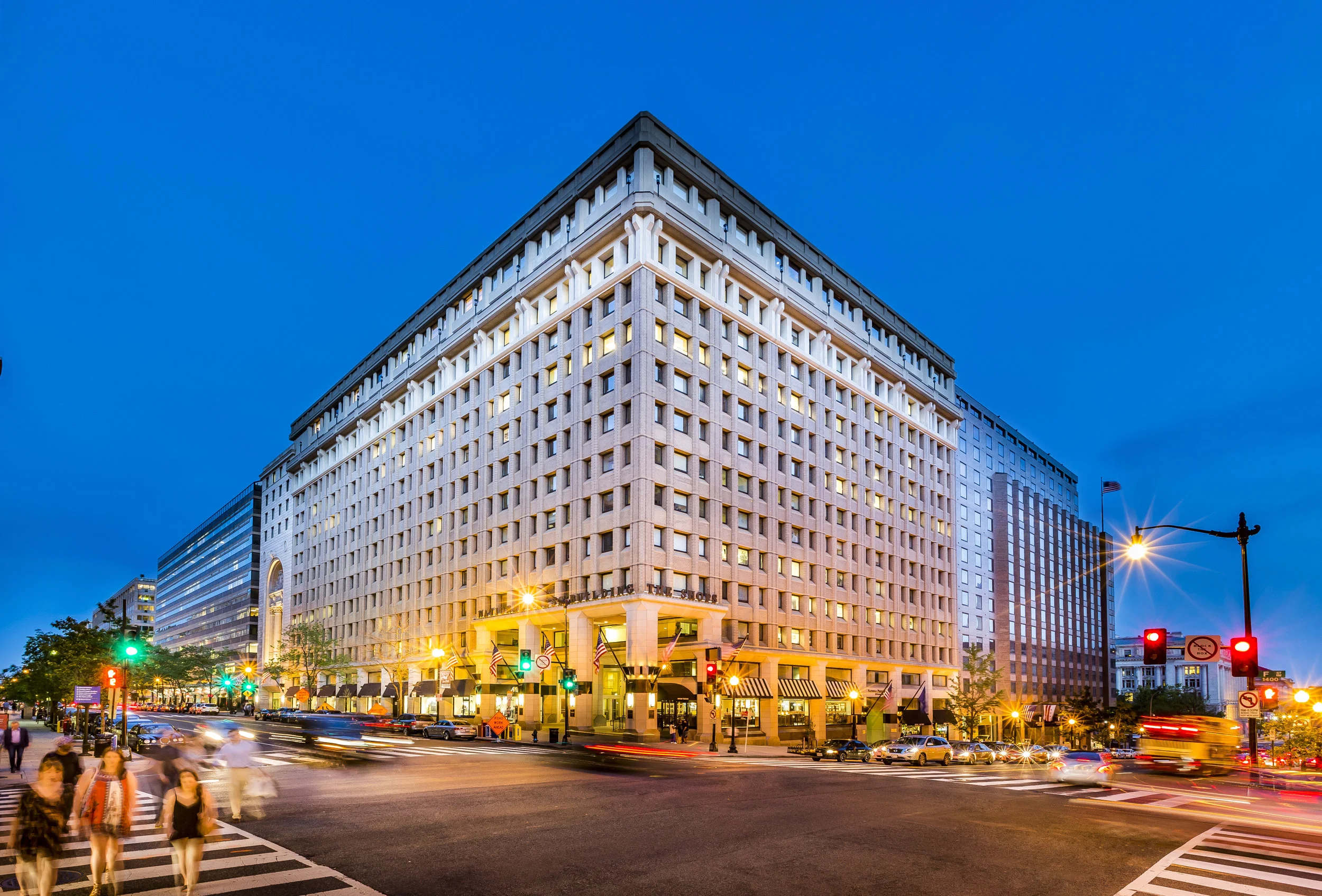
Seth Stern of the Freedom of the Press Foundation called it “difficult to imagine a more blatant violation of the First Amendment than Trump banning news outlets from the People’s House for criticizing the government.”
The constitutional issue
The First Amendment says, in part, that Congress shall make no law abridging freedom of speech or of the press. Over time, courts have applied these protections to the executive branch as well. But the Constitution does not contain a sentence that reads “journalists must be admitted to the White House.”
So what is the real legal question? Often it is this: once the government creates a press access system, it is typically expected to administer it using neutral, consistently applied standards, rather than shifting reasons that track who is favored or disfavored.
In everyday language: the White House can set rules for safety, space limits, and orderly operations. But if those rules are applied in a way that could look like retaliation for critical coverage, the policy may raise serious First Amendment concerns.
Viewpoint discrimination
Viewpoint discrimination is a First Amendment red flag. It happens when the government allows speech on a topic but penalizes a speaker because of the position they take.
Think of it this way:
- Content-based restriction: “No one may discuss topic X here.”
- Viewpoint-based restriction: “You can discuss topic X here, but only if you praise the government.”
If a White House exclusion is justified in a way that appears tied to whether coverage is friendly or critical, that is the kind of government action courts often scrutinize most intensely.
Space and access rules
Government properties are not all treated the same under the First Amendment. Courts often ask what kind of “forum” a space is.
- Traditional public forums (like sidewalks and parks): the government has very limited power to restrict speech.
- Nonpublic forums (like secure federal workplaces): the government can impose more restrictions to keep the space functioning, but it still generally may not discriminate based on viewpoint.
Most of the White House complex is not a public forum in the ordinary sense. It is a secure workplace and residence with tight access controls. That matters because the government has strong interests in security and administration. But it does not mean the government can hand out access as a reward for flattering coverage.
Credentials and fairness
Credential decisions can also raise basic fairness questions. Even when a journalist does not have a guaranteed right to enter a particular room, courts in many cases have been wary of systems where access can be removed with no clear rule, no explanation, and no meaningful way to challenge the decision.
That is why disputes about credentials often turn on practical questions, such as:
- Are the rules written down and applied consistently?
- Is there a neutral reason for denial or revocation (space, security, safety)?
- Is there an appeal or review process?
- Do the justifications track behavior, or do they track criticism?
Those details matter because they can help show whether a policy is truly about administration, or about punishment.
The earlier AP dispute
This is not the first high-profile credential fight of the Trump era. In February 2025, the Associated Press was barred from the White House after it did not adopt the President’s preferred name change for the Gulf of Mexico. The AP sued on First Amendment grounds; that case remains in litigation, and in the meantime the outlet’s access has been restored.
Why does that history matter? Because courts often evaluate a credential dispute in context. A government that repeatedly removes access from specific speakers, especially for reasons tied to messaging, may have a harder time arguing the restriction is viewpoint-neutral.
Public views
Law is one part of this story. Civic expectations are another. A recent Pew Research Center study found that 44% of U.S. adults say the press has become less free during the second Trump administration, compared with 12% who say it has become more free. Another 26% said there has been no change, and 17% were not sure.
Even when courts eventually decide a credential dispute, the bigger question for a constitutional democracy is whether the public accepts that government officials should be able to decide which journalists may do their jobs based on the tone of their reporting.
FAQ
Does the First Amendment give reporters a right to attend White House briefings?
Not in the absolute sense. But if the White House runs a credential system, it generally cannot administer it in a way that punishes disfavored viewpoints or applies rules arbitrarily.
Can the President ban a specific outlet just because he thinks it lies?
The government can respond to alleged falsehoods with its own speech, corrections, and transparency. When it uses exclusion from access as the remedy, it can invite claims that the credential system is being used as a tool of viewpoint discrimination, which courts often treat as constitutionally suspect.
Is the White House allowed to pick which outlets get in at all?
The White House has broad control over security and logistics, and press space is limited. But “limited space” is not a free pass for retaliation. Neutral, consistently applied criteria are the constitutional safest ground.
The bottom line
Press access is not a constitutional entitlement in the way that, say, the right to publish is. But once the government creates a press access system and uses it to provide routine coverage opportunities, it enters a zone where constitutional limits apply. The central risk is when access appears to hinge on whether coverage is friendly.
If this ban is implemented and enforced, any legal fight would likely center on whether the decision functions as viewpoint discrimination and whether the rules and process behind it are neutral, consistent, and reviewable. That is where the First Amendment is often most protective, and where executive control of government spaces meets its strongest constitutional boundary.