
There are two very different ways to read a president insisting a controversial government fund should “move forward” after the Justice Department has backed away and a judge has already blocked it.
One reading is political. The other is constitutional. And right now, President Donald Trump is forcing the country to sit with both at once.
Join the Discussion
What Trump says he wants
In a taped sit-down on a Wisconsin farm, President Trump said he still wants the so-called “weaponization” fund to proceed, even after the Justice Department backed off from it last week and acting Attorney General Todd Blanche said it was permanently halted.
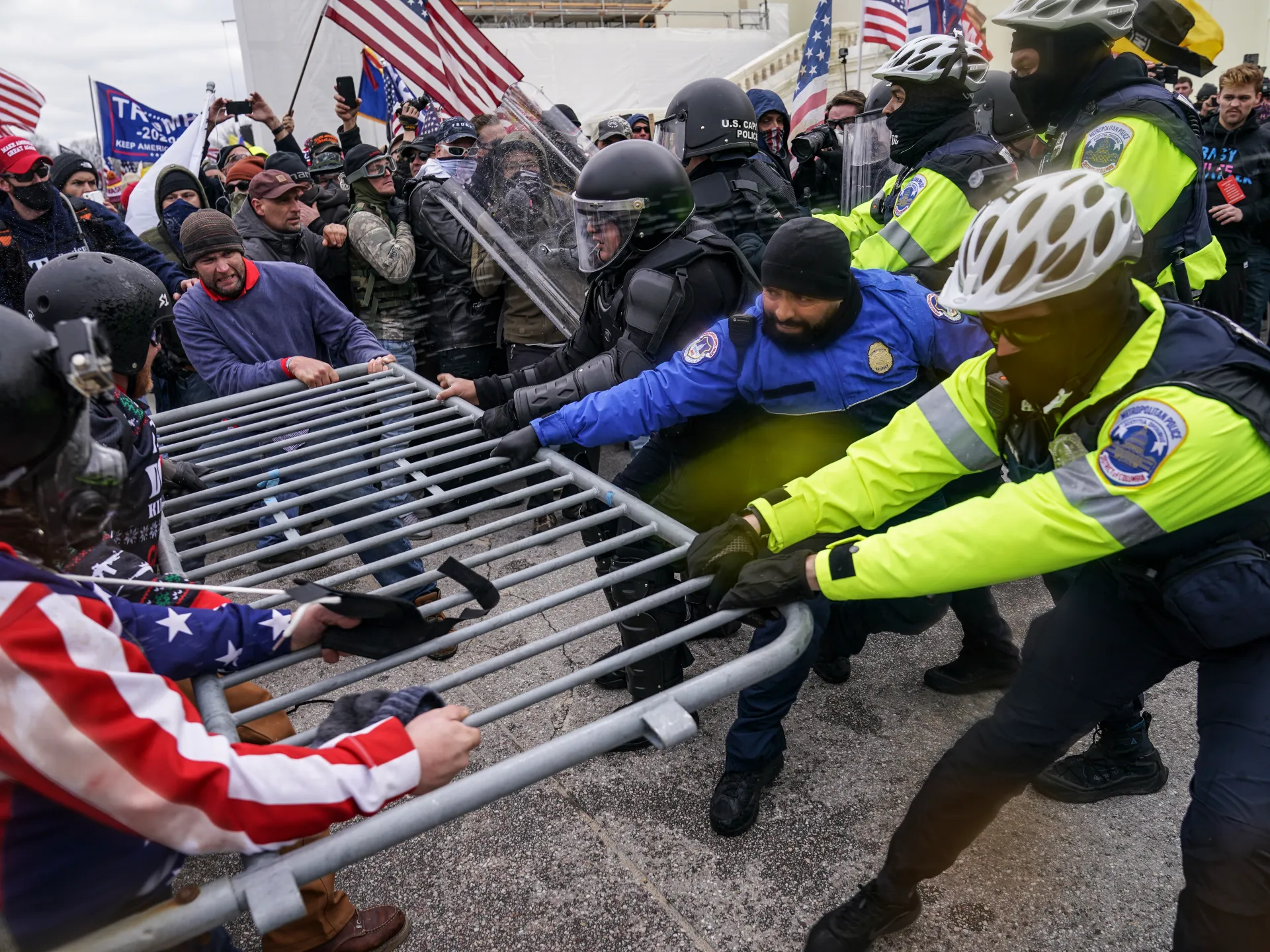
The fund totals $1.776 billion and is tied to compensating people who claim they were victims of “lawfare,” including convicted violent rioters who attacked police officers on Jan. 6, 2021.
Trump’s preference was explicit: If it was up to me, I’d pay them the kind of money that they deserve
, he said. He added, People have been destroyed. Lives have been destroyed. Many suicides, think of it.
The president has repeatedly made such claims without providing evidence.
He also framed the concept more broadly: I think the weaponization fund is a great idea
, adding, If they get it approved, that’s great; if they don’t get it approved, I’d be disappointed.
How it started and why it is in court
The fund was established after a settlement in which Trump ended a $10 billion lawsuit against the Internal Revenue Service over the leak of his tax information in 2019 and 2020, in exchange for the so-called weaponization fund, intended to compensate people who claim they were victims of “lawfare.”
The settlement also stipulates Trump, his family members, and related business entities are forever protected from tax audits and enforcement actions in connection with tax returns filed before the out-of-court settlement.
Politically, that combination is combustible. Legally, it is a direct test of how far executive-branch settlement power can stretch when the terms do more than end a dispute, and instead set up an ongoing structure with major downstream effects.
The controversy did not stay theoretical. The fund became a lightning rod on Capitol Hill, including among Republicans. And it has already been blocked in court as litigation proceeds.
Why Jan. 6 matters
If you want to understand why this proposal triggers such intense institutional resistance, start with what it could do in practice. If approved and implemented, it could financially compensate people convicted of violent conduct during an attack aimed at stopping Congress from completing a constitutional duty: counting electoral votes and certifying the presidential election.
That certification process is not just ceremony. It is the constitutional mechanism for transferring power. The events of Jan. 6, 2021 were an attempted disruption of that mechanism by force. The fund would ask the public to compensate some of the people found guilty of violence against police officers in the middle of that disruption.
This is not about whether you believe prosecutors have been too aggressive in some cases. That is a debate worth having, and due process exists precisely because government power can be abused.
It is about whether the government should use its authority to validate, financially, the idea that force used to interrupt a constitutional process deserves compensation. That is a different kind of claim, and it lands in a different part of the national argument.
The walkout and fraud claims
The president’s defense of the fund collided with another familiar insistence: claims of election fraud.
During the interview, Trump suggested Jan. 6 rioters were ushered into the Capitol by the FBI. He did not provide evidence for that claim, and it has been widely refuted by video showing rioters beating Capitol Police officers defending the building.
When pressed for evidence, he pivoted to broader fraud allegations: The election was rigged, it was a dirty election and it’s happening again right now in California
, he said, pointing to ongoing ballot counts in California primary contests.
California sends every registered voter a mail ballot and accepts ballots postmarked on or before Election Day if they arrive within a week. That procedure often means results take longer, especially as late-arriving mail ballots are processed. Trump called the process cheating and, when asked for evidence, said: All I have to do is look ... and I listen to people and let’s see what happens.
He also attacked the interviewer and the program: They’re crooked, just like you’re crooked, your press is crooked and ‘Meet the Press’ is crooked.
After repeated attempts to return to questions about acting Attorney General Blanche, Trump ended the interview abruptly: Let’s call it quits because I’ve had enough, thank you, darling, have a good time
, he said as he crushed his lapel microphone underfoot and walked off set.
What the Constitution demands
“Weaponization” is a word that does important rhetorical work because it blurs two ideas that the Constitution keeps separate.
- Political disagreement with law enforcement priorities, which is allowed and normal in a democracy.
- Retaliatory use of government power, which is precisely what constitutional structure is meant to restrain.
The constitutional question is not whether Trump feels certain people were treated unfairly. The question is whether the executive branch can create and defend a massive compensation fund, born from a settlement, while the judiciary is already weighing the legality of the arrangement after blocking the fund as the lawsuit proceeds.
That is separation of powers in real time. The president signals what he wants, the Justice Department attempts to manage legal and political fallout, Congress reacts, and courts decide what the law allows.
And in the background is a civic reality that no court can fully fix: persistent claims of election fraud, made without viable proof in court, erode trust in the very processes that allow constitutional government to function without force.
What to watch next
The fund’s future now sits at the intersection of three forces:
- Litigation, which can stop an executive initiative even when a president keeps publicly endorsing it.
- Institutional resistance, including within the president’s own party.
- Public narrative, especially the attempt to recast Jan. 6 as a story of victimhood rather than an assault on a constitutional transfer of power.
If you are trying to understand what happens next, watch for the details most people skip: the language of the settlement, the court orders that follow, and how the executive branch explains its authority when challenged.
Because the Constitution is not just a list of rights. It is a blueprint for how power is supposed to behave when a leader insists, against setbacks, that the government should still do what he wants.