

The Supreme Court has always had a fast lane for true emergencies. The trouble, as Justice Ketanji Brown Jackson sees it, is that the fast lane is starting to look like a main highway.
Speaking at the University of the District of Columbia on Thursday, Jackson warned that the Court’s increasing reliance on its “emergency docket” can have “an enormously disruptive and potentially corrosive effect.” Her concern is not just about procedure. It is about legitimacy: whether people can trust judicial decisions that arrive quickly, reshape the law in practice, and sometimes come with little or no explanation.
The timing matters, too. Her remarks came as the Trump administration asked the Court to keep allowing it to fast track deportations to third-party countries, though Jackson did not address that specific case.
If you have ever wondered how national rules can change overnight, sometimes before a full case is briefed or argued, this is the part of the Supreme Court’s work you are noticing.
Join the Discussion
What the emergency docket is
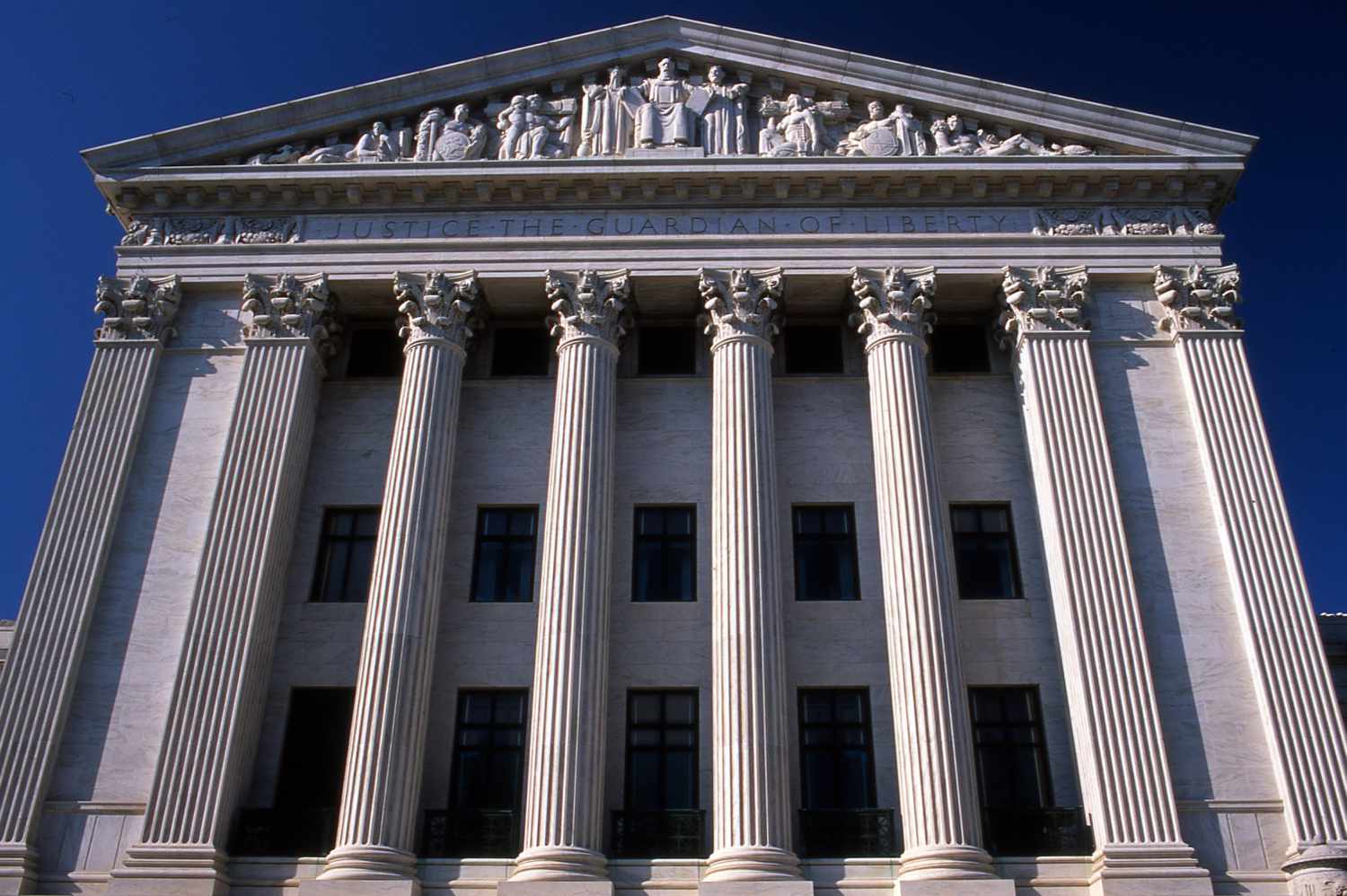
The emergency docket is the Court’s system for handling urgent requests, usually asking the justices to pause a lower-court decision or allow a policy to take effect while a case continues. Lawyers often call these requests “stays,” “injunctions,” or applications for emergency relief.
In a traditional Supreme Court case, you usually get:
- full written briefs from both sides and often from outside groups
- oral argument in the courtroom
- a signed opinion explaining the reasoning, plus any concurrences or dissents
Emergency orders can look very different. They can be decided quickly, with limited filings, no oral argument, and sometimes a short order that does not fully explain why the Court acted.
Why Jackson calls it corrosive
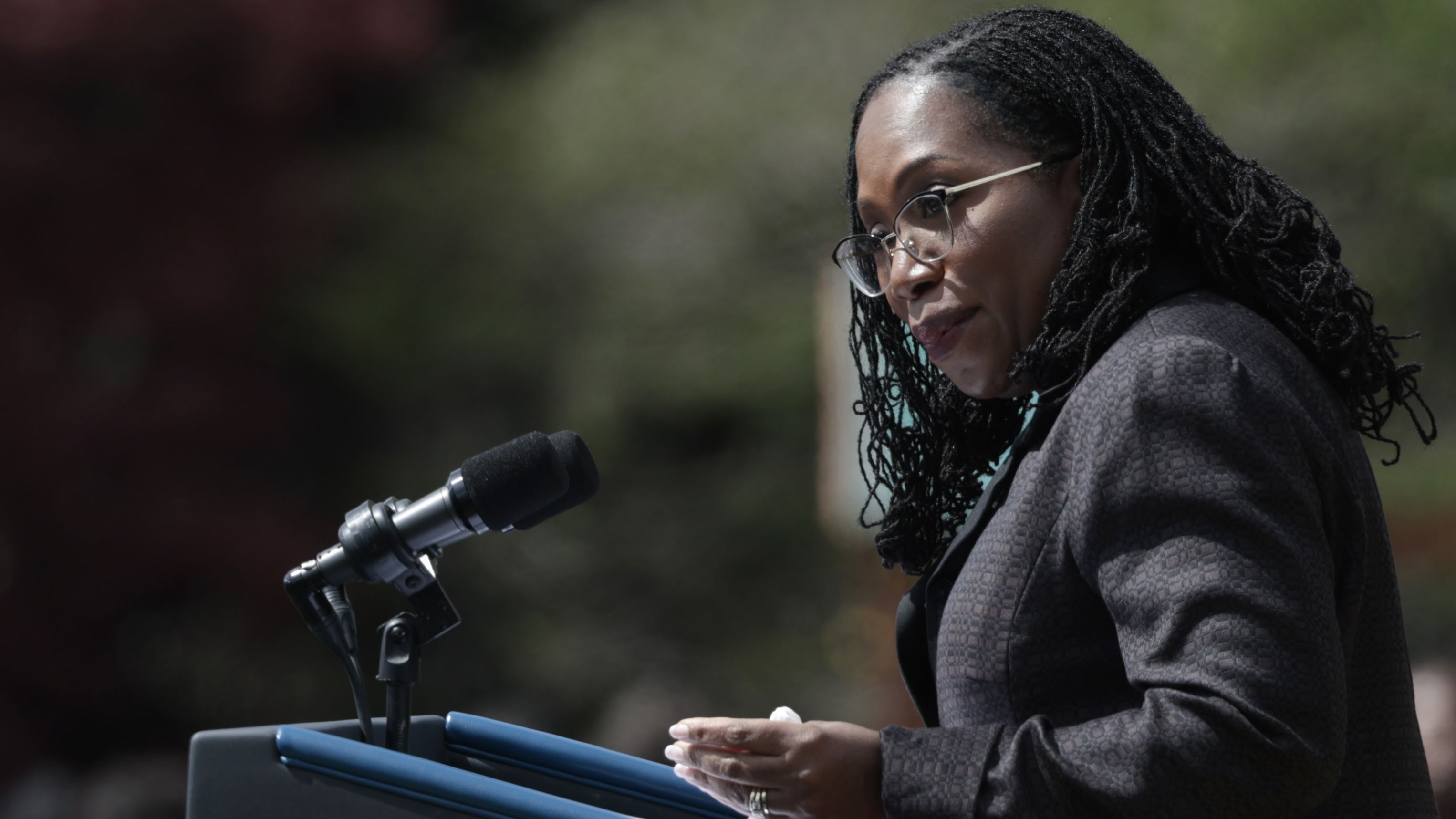
Jackson’s critique is aimed at what happens when emergency procedures become routine in high-stakes, politically charged disputes.
In her view, the public is being asked to accept major, real-world consequences without the kind of transparency people normally associate with courts. As she put it: “We cannot expect the public to have faith in our judicial system if, without clear explanation, we are consistently green-lighting harmful acts that do real damage to litigating plaintiffs.”
That is a powerful point for everyday readers. Courts earn trust the slow way: by showing their work. When outcomes arrive faster than explanations, it becomes harder for people to understand what rule is in place, why it is in place, and whether the Court is applying consistent principles.
How quick orders change rules
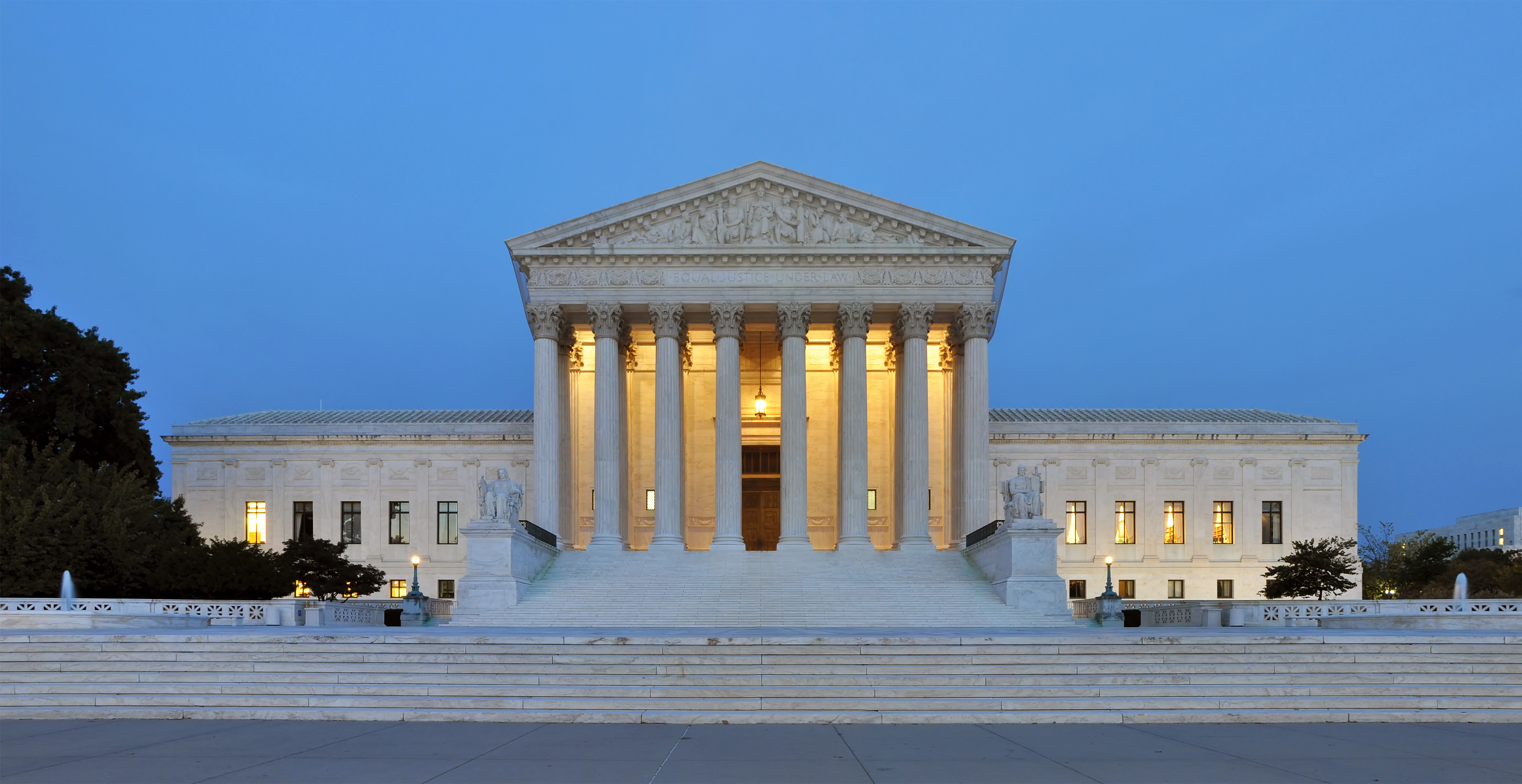
Emergency relief is supposed to be temporary. In practice, temporary can still be momentous.
When the Court grants an emergency request, it can effectively decide what policy governs the country right now, even though the full merits of the case have not been resolved. That can mean:
- a federal policy goes into effect immediately
- a state law is blocked immediately
- a lower-court ruling is frozen while appeals play out
Sometimes the case ends before a full Supreme Court decision ever arrives, or the emergency order becomes the practical final word because the policy runs its course. That is one reason critics worry about emergency decisions becoming a substitute for the normal process.
Why it is bigger now
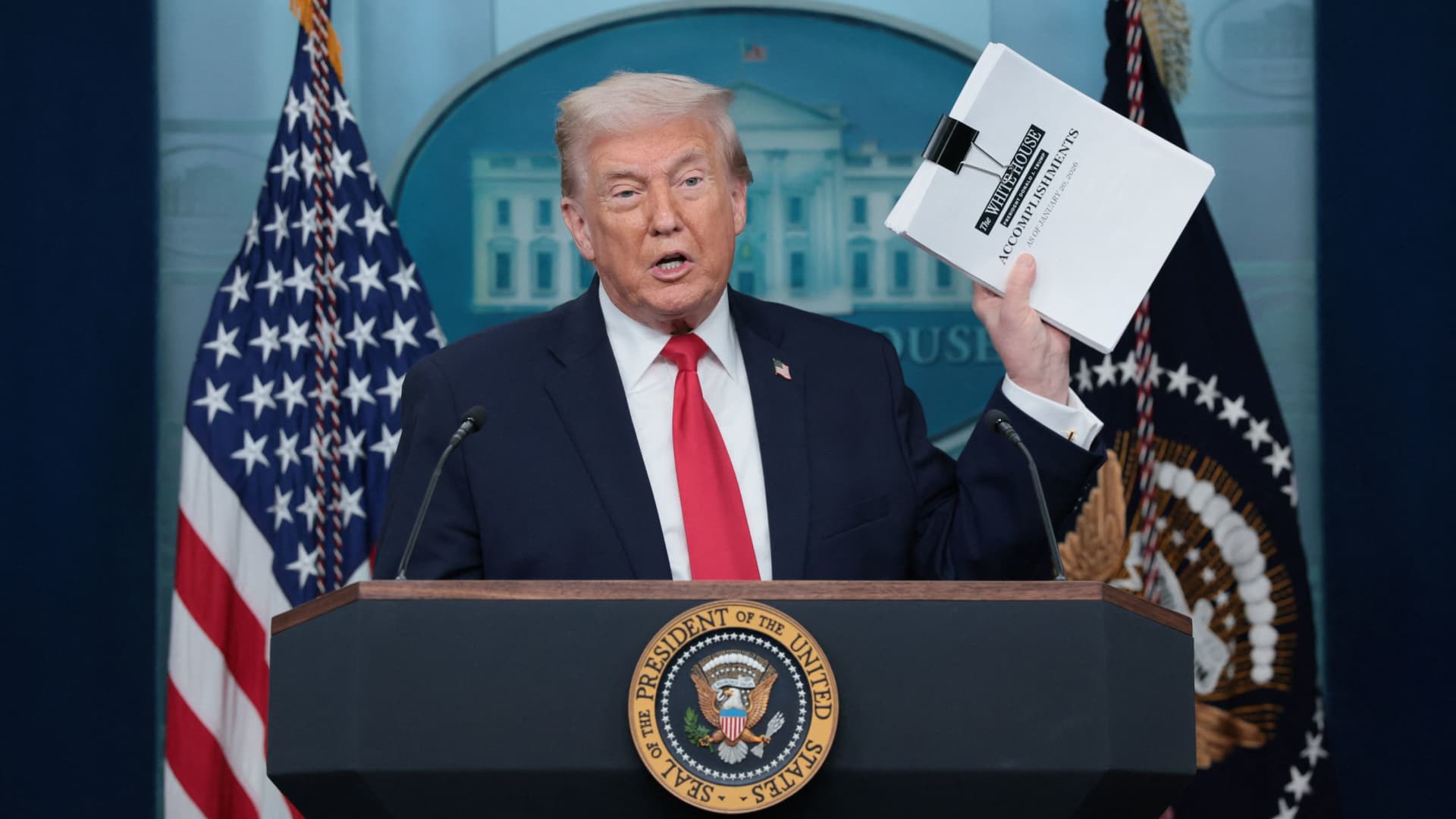
Jackson pointed to a pattern of recent, high-impact emergency orders involving major fights over President Trump’s agenda and federal power.
On one side of the ledger, she noted emergency rulings that helped President Trump, including decisions that weakened the Education Department, canceled large government grants, and expanded immigration agents’ discretion. On the other side, she contrasted those with emergency intervention that checked Trump’s power, such as an order blocking a National Guard deployment to Chicago.
Her broader warning is about consistency and restraint. She compared the situation to “Calvinball jurisprudence,” suggesting that when emergency rulings pile up without clear guidance, it can feel like the rules are changing mid-game.
Her prescription is not mysterious: a return to the Court’s traditional reluctance to intervene early in politically charged disputes unless truly necessary.
What the Constitution has to do with it
The Constitution does not mention an emergency docket by name. What it does establish is a judiciary with the power to decide cases and controversies, and a separation of powers that depends on each branch staying within its lane.
Emergency orders sit right at that pressure point:
- For the executive branch, they can determine whether a contested policy can proceed right away.
- For Congress, they can influence whether legislation or appropriations have immediate effect or are paused by litigation.
- For the courts, they test how much intervention is appropriate before a full record and full briefing exist.
Even when an emergency order is legally proper, it can still shape public expectations about whether big national questions will be decided through a careful, deliberative process or through rapid, interim decisions that function like final ones.
What could change next
Jackson is not the first justice to worry about emergency decision making, but her comments add force to a debate that is no longer confined to legal specialists.
If the Court takes the critique seriously, there are a few pressure-release valves it could use, even without changing any formal rule:
- More explanation in emergency orders, especially when they affect national policy.
- Narrower relief, avoiding sweeping nationwide impacts where possible.
- More patience, letting issues develop in lower courts unless a genuine, immediate harm demands intervention.
None of this would eliminate emergency relief. It would simply make it harder for emergency to become the default way major rules change.
Quick FAQ
Does an emergency order decide the whole case?
Not formally. It usually decides what happens while the case continues. But practically, an interim rule can become the rule people live under for months, or longer.
Why is there often no oral argument?
Time. Emergency requests can come in under tight deadlines, and the Court can act based on short filings.
Why do people say the process is out of public view?
Because decisions can be quick, orders can be brief, and there is often less public-facing explanation than in the Court’s regular argued cases.