When the Justice Department opens an antitrust investigation into major television networks, it immediately raises two different kinds of questions. One is practical: do the facts fit antitrust law? The other is about power: what happens when federal enforcement collides with press access and a White House that has been fighting with the media?
Those questions are now tied together in a formal federal investigation involving ABC, CBS, CNN, NBC, and Fox News. The Justice Department says it is examining whether the networks coordinated a boycott of White House events after CNN was blocked from serving its scheduled role in the White House television press pool.
Join the Discussion
What happened
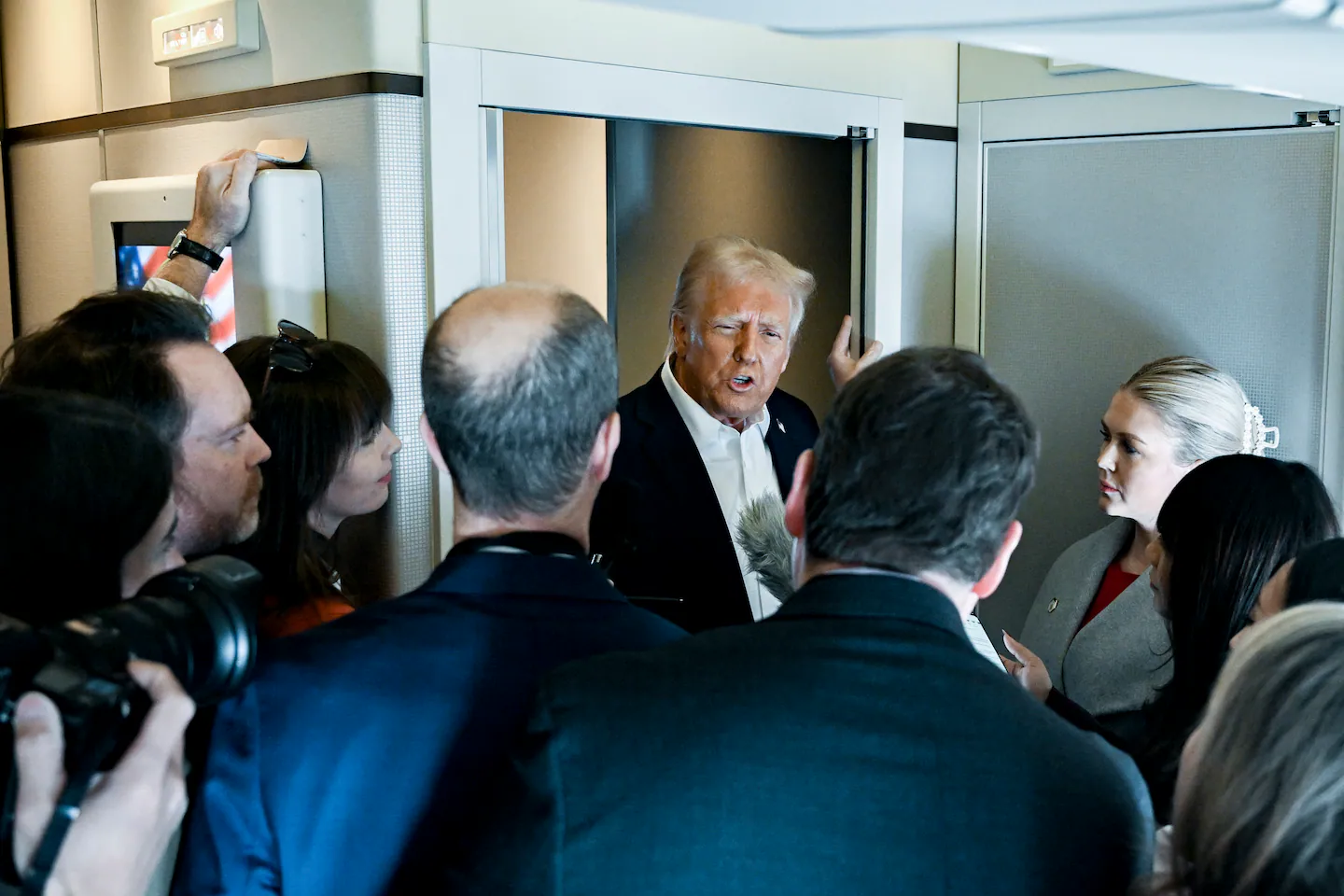
The White House television press pool is a longstanding arrangement in which a small group of outlets shares the work and cost of covering the president in tight spaces, such as Air Force One. Pool members rotate turns and share what they gather with other outlets.
Last month, after President Donald Trump criticized what he described as unfairly negative coverage, aides barred CNN, MSNOW, and Politico from the White House. The administration stripped White House press passes from more than 70 journalists. The three news organizations sued in federal court to have their access restored. In court, the Justice Department is citing national security grounds for the decision.
The federal judge overseeing the case issued a temporary stay requiring their passes to be restored and said a more enduring decision would come by Tuesday evening.
How the pool dispute led to antitrust
Separate from the press-pass dispute, the White House also blocked CNN from fulfilling its planned shifts as part of the TV press pool. The other networks, while making coverage decisions day to day, have agreed they would not substitute for CNN on the days the administration blocks the network.
As a result, the networks did not cover an event Trump had with Chinese President Xi Jinping.
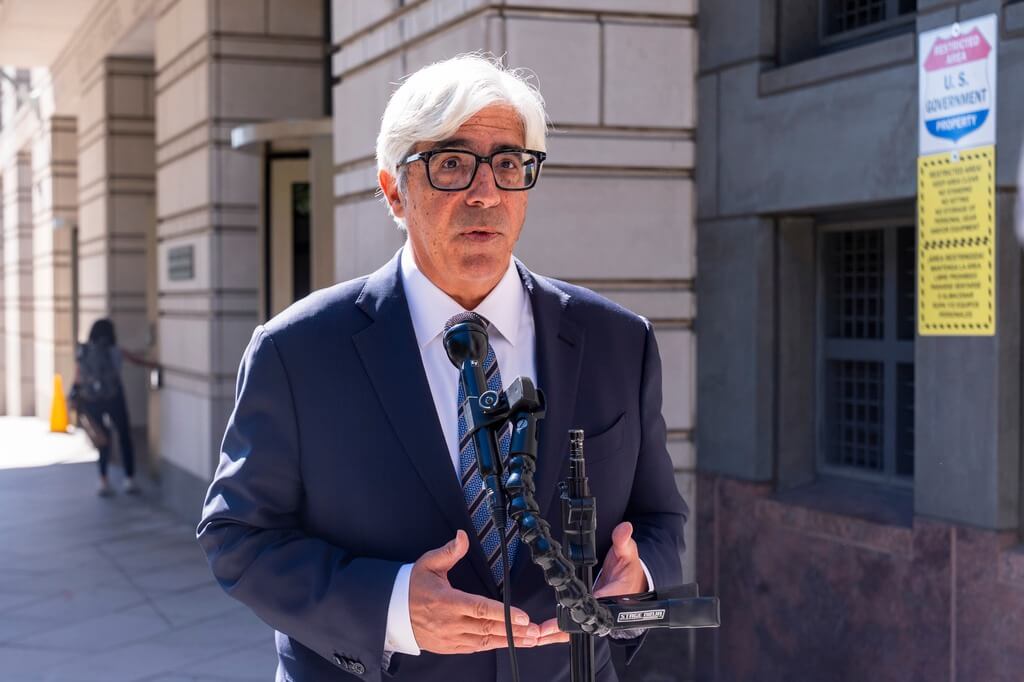
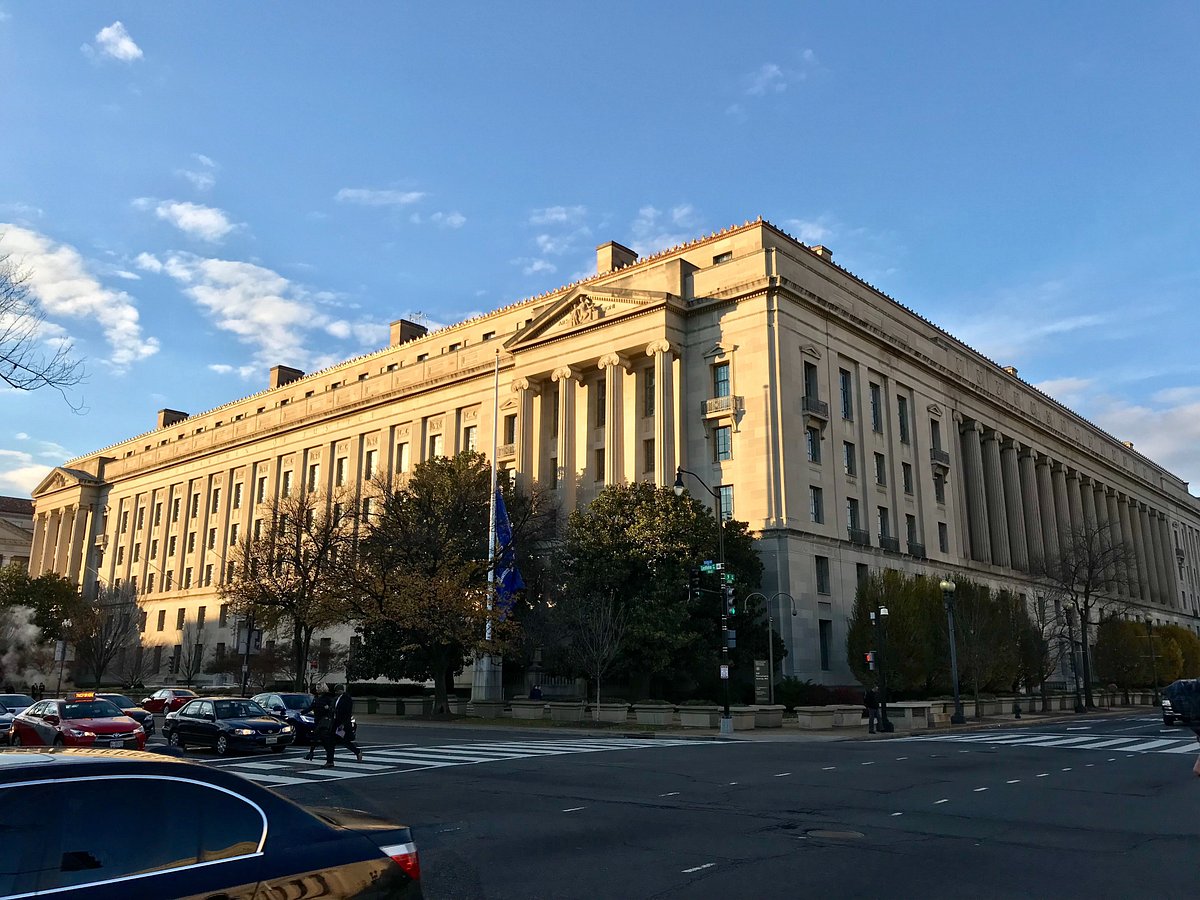
The Justice Department says it is reviewing whether the coordination of the networks' decision not to substitute amounts to anticompetitive behavior. In a statement released Saturday, the department said: “Members of the television press pool have proudly boycotted covering White House events. Group boycotts among commercial competitors can violate the Sherman Act. The Antitrust Division is investigating to determine whether these news organizations have violated the antitrust laws.”
What critics and experts are saying
Press-rights advocacy groups denounced the investigation as an escalation in the broader fight over access.
Bruce Brown, president of the Reporters Committee for Freedom of the Press, said: “[S]ummoning antitrust authority, on top of the retaliatory actions the White House has already taken to bar certain outlets, is another and even more brazen attempt to try to intimidate journalists.”
Michael Dorf, a constitutional law professor at Cornell University's law school, said political motivation by the president or the Justice Department in investigating the networks does not shield them from legal repercussions in court. He also said the networks' actions would be reviewed for whether they were reasonable and called the situation an “oddity.”
“If the networks agreeing not to cover the White House is illegal, why isn't the press pool itself illegal? Presumably the answer is that the kind of cooperation involved in the press pool is necessitated by the limited space in particular venues,” Dorf wrote in an email. “But if that's a sufficient justification for the cooperation in coverage, why isn't standing up to protect the free press at least as an important a justification?”

Related pressure points
The investigation comes amid other disputes involving broadcast regulation and media companies.
ABC and its parent company Disney are suing Trump's chief broadcast regulator after he mandated an immediate review of whether ABC should hold all eight of its local TV station licenses. Disney says the review is retaliation over content Trump does not like on The View and Jimmy Kimmel Live! A judge is weighing whether to intervene in the process.
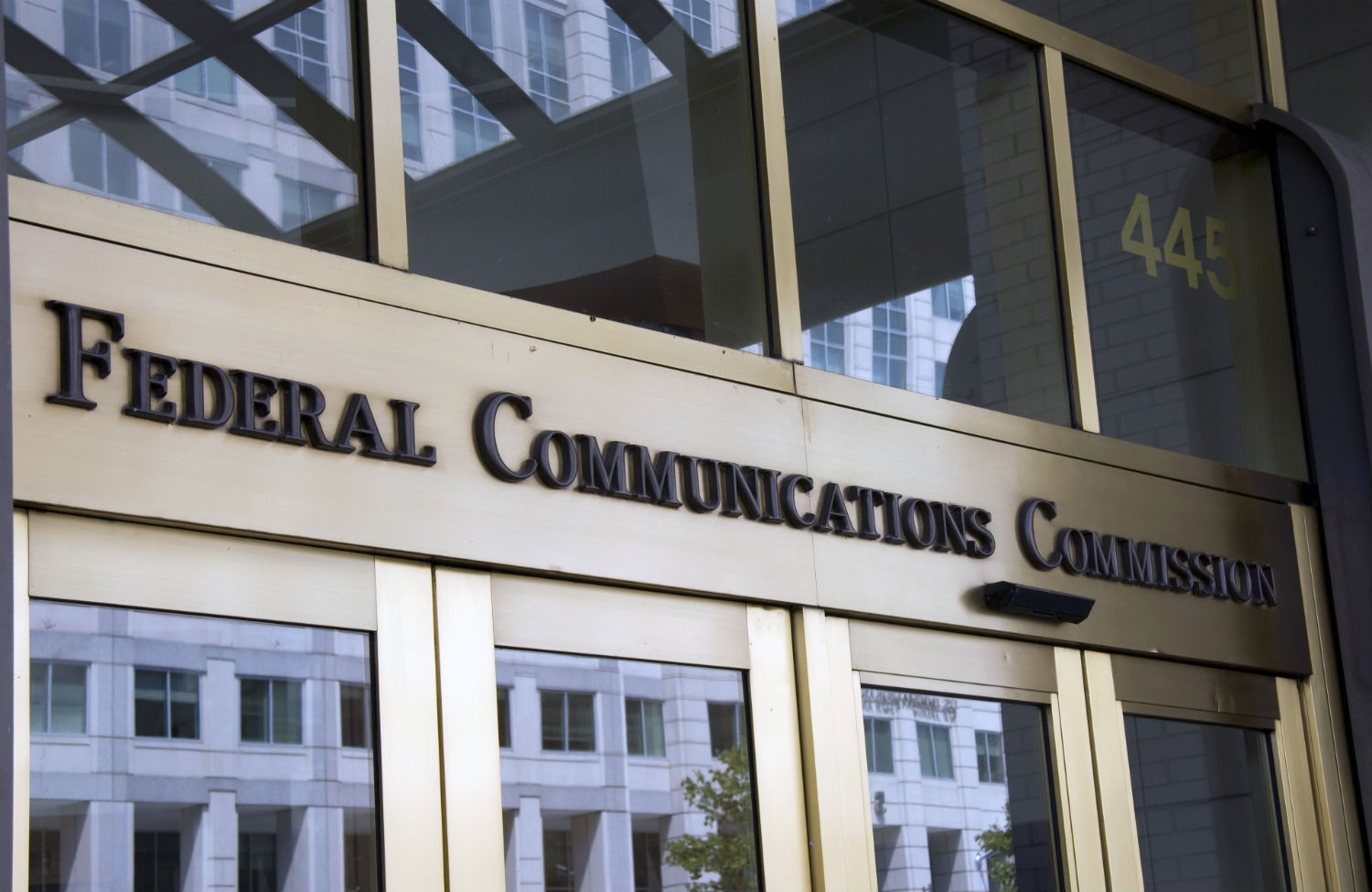
Federal Communications Commission chief Brendan Carr has said the issue is upholding “the public interest.” Under Carr, the FCC has also launched investigations of all other major broadcast networks, including NPR, with the exception of the Fox broadcast network, owned by Trump's political ally Rupert Murdoch.
Trump is also suing many major news organizations as an individual. Those outlets include The New York Times, BBC News, and The Wall Street Journal. ABC and CBS settled earlier lawsuits Trump brought against them.
One takeaway
The Justice Department is treating the networks' decision not to substitute for CNN as potential coordination among competitors, and it is investigating whether that coordination violates antitrust law. Critics say the investigation itself functions as pressure on journalism during a broader access fight.
Seth Stern, chief of advocacy for the Freedom of the Press Foundation, said: “The investigation is nonsense. Trump may view the presidency as a business venture, but news outlets' standing up for their constitutional rights has nothing to do with antitrust law.”
FAQ
Which networks are under investigation?
The Justice Department investigation involves ABC, CBS, CNN, NBC, and Fox News.
What is DOJ looking at?
The department says it is reviewing whether the networks coordinated a “group boycott” by agreeing not to substitute for CNN on days when the White House blocks CNN from its planned TV pool shifts, even as the networks handle coverage decisions day to day.
How does the press-pass case connect?
The antitrust investigation is unfolding during a court battle over access after CNN, MSNOW, and Politico were barred from the White House and more than 70 journalists had press passes stripped. A judge issued a temporary stay restoring the passes and said a more enduring decision would come by Tuesday evening.