Every year, library patrons ask some version of the same question: Are we supposed to feel good about Thanksgiving, or guilty about it? That question makes sense, because we have inherited two stories that often get presented as if only one can be true.
One story is familiar: a meal, cooperation, and a sense of shared survival. The other is painful: colonization, land loss, violence, and forced labor. The most helpful way I know to talk about Thanksgiving is to stop treating it like a single claim you either accept or reject. It is a modern holiday built on a selective national origin story, and it sits beside a much larger history that cannot be wished away.
Join the Discussion
What the evidence supports
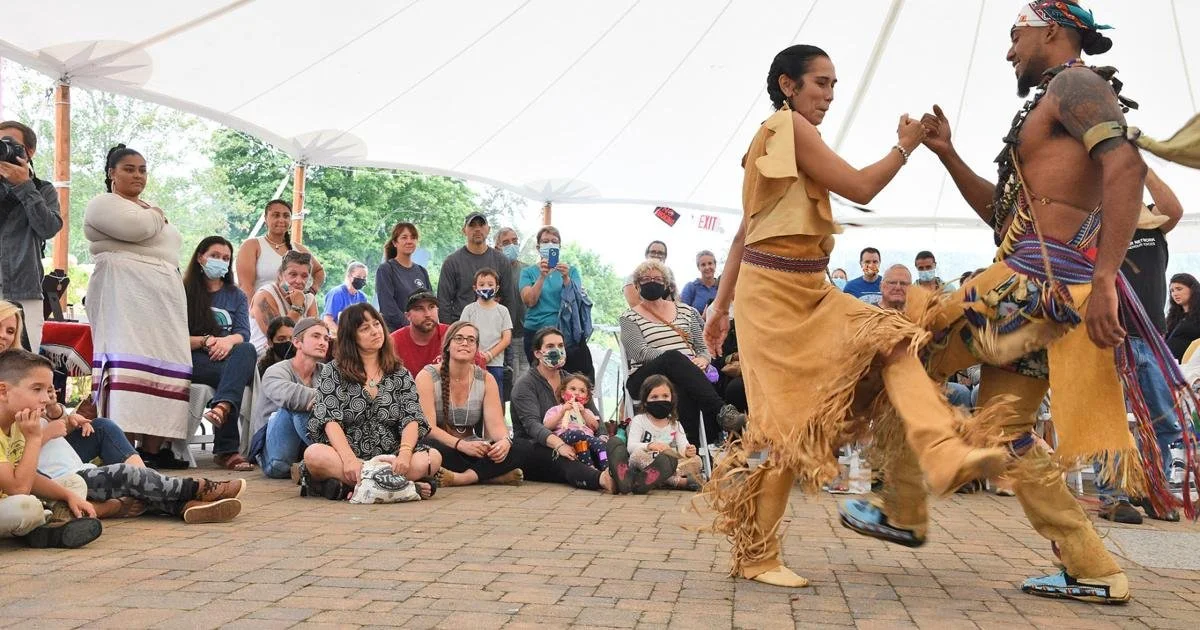
If we separate a few commonly mixed questions, the picture gets clearer.
- Did a 1621 gathering happen? Yes. It was a real harvest gathering involving English settlers and Wampanoag people.
- Was there genuine cooperation? Yes. There was an alliance and a period of diplomatic cooperation.
- Was this the beginning of the modern holiday? No. The national holiday developed centuries later.
- Did settlers and Indigenous people live happily together afterward? No. Colonial expansion led to dispossession, warfare, and enslavement.
- Is Thanksgiving essentially a celebration of colonialism? That is an interpretation of its historical legacy, not a complete description of what the modern holiday means to everyone.
In other words: the traditional story is not entirely fabricated, but the way it became a national symbol is selective. It elevates one relatively peaceful moment and often skips what followed.
Why acknowledgment matters
Many families experience Thanksgiving as a cultural tradition rather than a political statement: a day to gather, eat, and name what we are grateful for. That part is real, too.
The problem comes when gratitude is treated as requiring silence about dispossession. When the later history of colonization is erased to protect the warm feelings of the modern holiday, we turn a family tradition into a kind of national mythology. That mythology insists the country’s story is a steady march of good intentions and good outcomes. A mature national identity can do better than that.
Acknowledging Indigenous dispossession is not the same thing as telling your relatives they are bad people for enjoying dinner. It is a way of refusing to let the comfort of the present depend on forgetting the costs of the past.
Patriotism and mythology
It helps to draw a line between patriotism and national mythology.
You can appreciate elements of American society, community, democratic ideals, and the tradition of coming together without requiring a simplified origin tale. You can be grateful and still be historically informed. In fact, that pairing tends to produce a steadier kind of civic confidence, one that does not shatter when it encounters uncomfortable truths.
Thanksgiving, for many people, can hold several meanings at once:
- Appreciating the food, shelter, and opportunities you have.
- Sharing with people who matter to you.
- Recognizing that American life is shaped by many cultures.
- Acknowledging Indigenous peoples whose land the country was built on.
- Being honest about the historical costs of American expansion.
- Recognizing that Indigenous communities have survived and continue to exist.
You do not have to choose between gratitude and acknowledgment. You just have to refuse the idea that gratitude requires erasure.
What acknowledgment looks like
Families do this in different ways. Some people keep it simple: a brief statement that the meal is happening on land shaped by Indigenous history, and a commitment not to reduce that history to a feel good legend. Others add a moment of learning, a reading, or a discussion prompt.
The goal is not to deliver a lecture between the rolls and the pie. The goal is to be clear about two coexisting realities: a harvest gathering happened, cooperation existed, and colonization later brought dispossession, warfare, and enslavement.
Even a short, calm acknowledgment can change the tone of the day in a good way. It signals that your family is capable of holding more than one truth at a time.
Trump’s Thanksgiving post
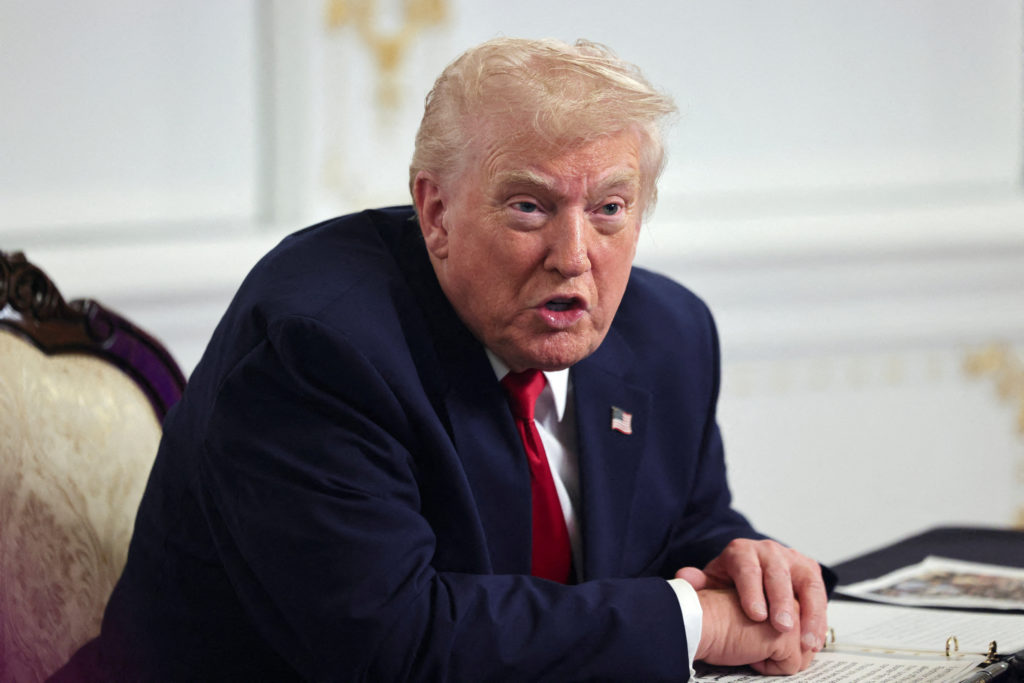
Public figures often use Thanksgiving to do more than express gratitude. This year, President Donald J. Trump posted a long Thanksgiving message on Truth Social that mixed holiday well wishes with a series of political grievances and claims.
Here is the post, quoted in full as written by President Trump (Truth Social, Nov 26, 2026, 7:45 AM):
"HAPPY THANKSGIVING TO ALL AMERICAN PATRIOTS WHO HAVE WORKED SO HARD TO MAKE OUR COUNTRY GREAT! Additionally, I would like to wish a Happy Thanksgiving to even those who issued fake Economic Numbers, just prior to the Election, and corrected them yesterday, three weeks late, showing that the GDP was actually 4.3%, versus 3.4%, A RECORD SETTING ERROR, and one so grave that it should be immediately investigated. Also, I would like to wish a very Happy Thanksgiving to all of those people that have worked so hard to bring our Country to the Radical Far Left, those that are looking to change our Court System to that of Sharia, those who want to redistribute Property, so that all of the hardworking people that have built up, over a lifetime, a certain Wealth, will now be forced to distribute it throughout the Country, even to those who refuse to work. I want to thank the 2% of our Somalian population that have a job, and are actually willing to work, without receiving Government Assistance. These are wonderful American “citizens,” and should be allowed to stay in our Country, and celebrate Thanksgiving with us. The others should be thrown out, immediately, thereby saving the Great State of Minnesota, which has no chance if they are allowed to stay. I want to commiserate with those Reporters and Citizens who don’t understand filth, dirt, lack of maintenance, and corruption, and are upset with me because I took time out of my very busy schedule to fix the 17 broken windows, numerous chipped and decaying columns, broken, dilapidated, and missing moldings, and lack of a proper plaster and paint job on the White House. It hasn’t been properly painted, or taken care of, for years. I felt strongly that, after being built in 1792, it was time to fix up the White House which is, after all, a primary symbol of our Country. Today, it has never looked better, and will soon have the Ballroom that Presidents have sought for over 150 years. Most importantly, thank you to the murderers, drug dealers, and criminals of all shapes, sizes, and colors, who illegally entered our Country from other countries’ jails, prisons, mental institutions, and places unknown, to rape, plunder, and kill American Citizens in record numbers. They are mostly gone now, brought back to their point of origin and, hopefully, living a beautiful and idyllic life, and promising, ideally, never to kill innocent people again, but we won’t have to worry about that, because they are GONE but, Happy Thanksgiving to them anyway, even though from Faraway Lands. We miss you dearly, but you will never be back, and America will never allow what you have done to us to happen again! President DONALD J. TRUMP"
In that single message, President Trump touched on several themes:
- Economic statistics: He alleged “fake Economic Numbers” were issued “just prior to the Election,” later “corrected,” and he cited GDP figures of 4.3% versus 3.4%, calling it “A RECORD SETTING ERROR” and urging investigation.
- Courts and ideology: He criticized “those that have worked so hard to bring our Country to the Radical Far Left,” including a claim about changing the court system “to that of Sharia,” and he objected to redistributing property and wealth.
- Immigration and Minnesota: He referenced “the 2% of our Somalian population that have a job,” argued those people should be allowed to stay, and said “The others should be thrown out” while mentioning the “Great State of Minnesota.”
- White House condition and repairs: He described repairing “17 broken windows” and other deteriorated elements, and he said the White House was built in 1792. He also said it “will soon have the Ballroom that Presidents have sought for over 150 years.”
- Crime and deportations: He offered thanks, sarcastically, to “murderers, drug dealers, and criminals” who “illegally entered” the country, and said “They are mostly gone now.”
Whatever one thinks of the post, it is a reminder that Thanksgiving is not just a family holiday. It is also a civic symbol that people regularly use to tell a story about what the country is, who belongs, and what deserves gratitude. That is one reason debates over acknowledgment and historical memory flare up this time of year.
The question for your home
If you are wondering whether your Thanksgiving celebration should explicitly acknowledge Indigenous dispossession, I would frame it this way: What story does your family want to practice telling?
You can keep the warmth of the holiday and still make room for truth. The 1621 gathering can be remembered as a real moment of cooperation, while the broader arc of colonization is acknowledged as a reality that brought dispossession, warfare, and enslavement. When those two things coexist, gratitude becomes sturdier, not smaller.