
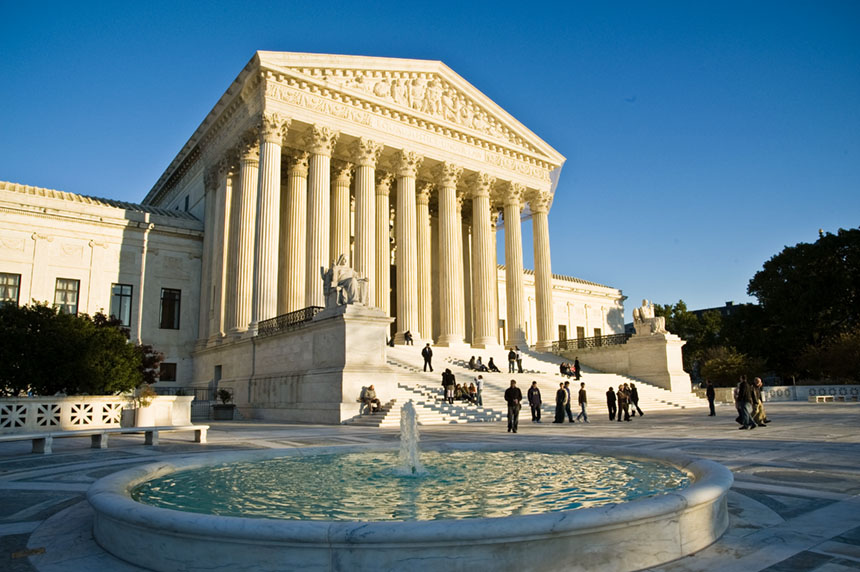
In Second Amendment disputes, a lot of arguments boil down to a deceptively simple question: What kinds of arms are protected at all? As the Supreme Court heads into oral argument on December 2 in two consolidated challenges to “assault weapon” bans that cover commonly owned semiautomatic rifles, the challengers are urging the justices to treat that threshold question as basically settled.
Their point is straightforward. In District of Columbia v. Heller (2008), the Court described the Second Amendment as protecting arms “in common use” for “lawful purposes like self-defense.” In New York State Rifle & Pistol Association v. Bruen (2022), the Court repeated that idea while recognizing a right to carry handguns in public, noting that handguns are “indisputably in ‘common use’ for self-defense today.”
So if a firearm is “in common use” for lawful purposes, the petitioners say, Connecticut and Cook County cannot prohibit it simply by relabeling it “unusually dangerous.”
Join the Discussion
The cases
The Supreme Court will hear argument in Khaya v. Cook County (previously Viramontes v. Cook County) and Grant v. Higgins, which have been consolidated. The petitioners include the Firearms Policy Coalition and the Second Amendment Foundation. They are asking the justices to reverse two federal appellate decisions that upheld bans covering AR-15 platform and similar semiautomatic rifles.
Connecticut and Cook County are defending laws that reach some of the most popular rifles sold in the United States. That popularity matters because the petitioners are anchoring their entire pitch to the “common use” framework from Heller and Bruen.
Common use basics
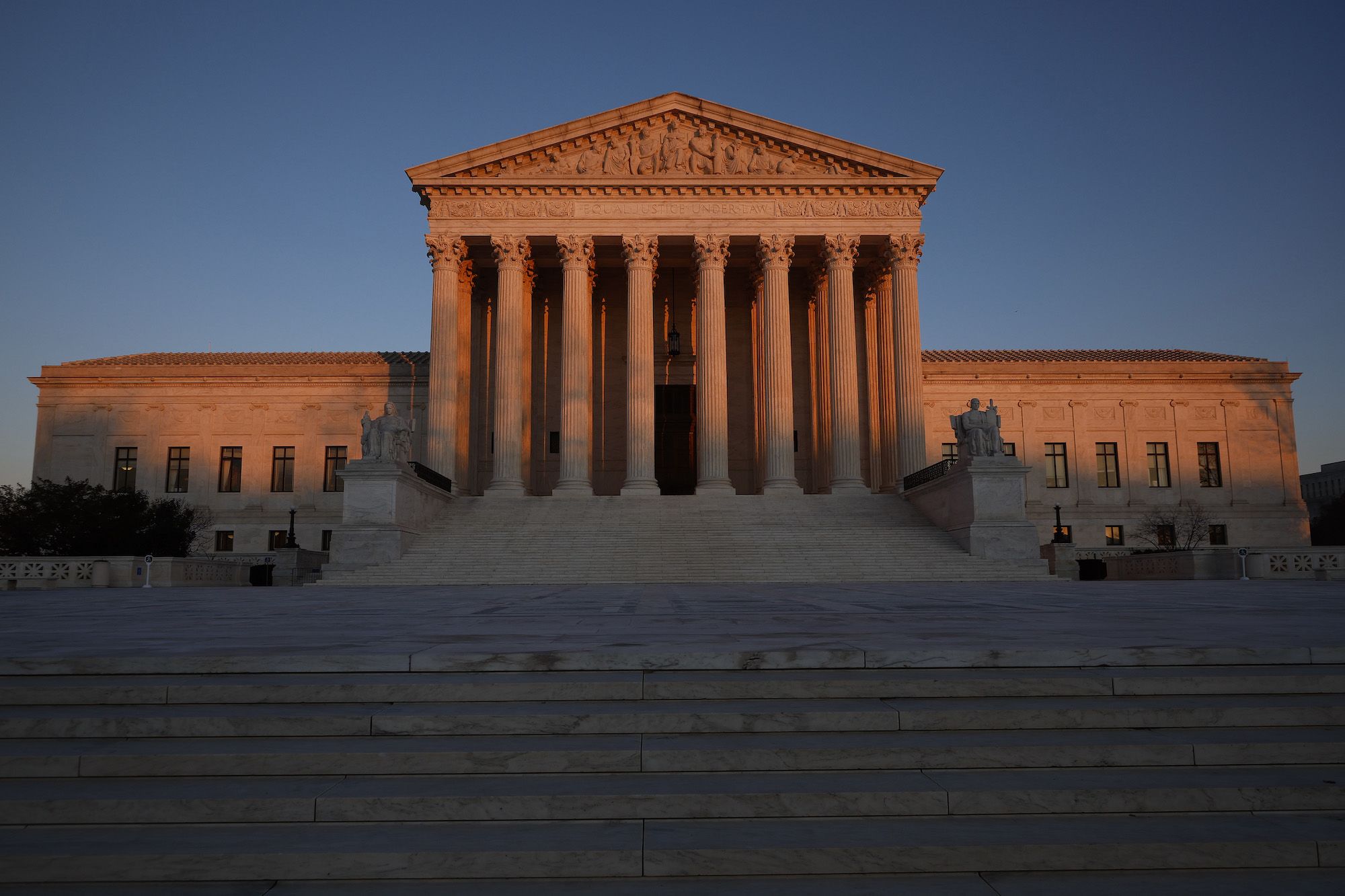
Put simply, Heller does not read like a menu where lawmakers can cross out whatever they dislike. The Court drew a line between arms that are both “dangerous and unusual” and those that are widely possessed for lawful purposes.
Heller acknowledged a historical tradition of restricting “dangerous and unusual weapons.” But it also treated common ownership as a constitutional fact with real force, rejecting a handgun ban even while recognizing the conspicuous role handguns play in violent crime. The reasoning was that criminal misuse does not erase the right of law-abiding people to possess a category of arms that is in ordinary lawful circulation.
In other words, “common use” is not a decorative phrase. It is doing work.
The petitioners’ warning
In a reply brief filed last Friday, the petitioners frame the choice for the Court in unusually stark terms: “It is not possible for this Court to affirm without overruling the core holdings of Heller and Bruen.” They argue the Court has already adopted the rule that “the sorts of weapons protected were those in common use,” and that Bruen repeatedly applied it.
Connecticut and Cook County answer by saying that Heller and Bruen did not “decide[d] anything about the kinds of weapons that people may possess.” On that view, legislators may ban even commonly owned firearms if they decide the arms are “unusually dangerous.”
The petitioners respond that this flips Heller on its head because Heller treated commonality and lawful purpose as precisely the reason the class of firearms at issue could not be banned.
Why popularity matters
To see why “common use” is the flashpoint, it helps to notice something the Supreme Court itself said recently. Last year, a unanimous Supreme Court described the AR-15 as “the most popular rifle in the country,” adding that these rifles are “both widely legal and bought by many ordinary consumers.”
Against that backdrop, the petitioners argue, it becomes much harder to treat AR-15 platform rifles as “unusual” in the sense that matters under Heller, which paired “unusual” with “dangerous” as the category historically subject to prohibition.

Bruen and the test
Bruen did more than discuss “common use.” It also reset the methodology for reviewing gun laws. The Court said governments carry the burden of showing a restriction is “consistent with this Nation’s historical tradition of firearm regulation,” typically by pointing to historical analogs that are “relevantly similar” in both why they were adopted and how broadly they operated.
The petitioners argue that Connecticut and Cook County are, in effect, asking courts to smuggle back a type of means-end judging that Bruen rejected. Bruen expressly rejected “independent means-end scrutiny under the guise of an analogical inquiry.” In the petitioners’ telling, calling a commonly owned rifle “unusually dangerous” invites the same kind of cost-benefit assessment Bruen says is not the constitutional test.
Features and categories
A practical problem with many “assault weapon” definitions is that they often do not track raw ballistic capability. The petitioners point out that AR-15s are not particularly powerful compared to other rifles, and they argue that the ability to pierce body armor does not meaningfully separate the banned rifles from other centerfire rifles. They also emphasize that “matters such as muzzle velocity, firing rate, and ammunition are irrelevant” because the bans “do not regulate them.”
Instead, the petitioners say, the bans often turn on features such as grips and stocks. In their framing, those features promote accuracy, and the “usability, adaptability, and accuracy” of these firearms are among the reasons why they are so popular among law-abiding citizens.
Cook County’s ordinance
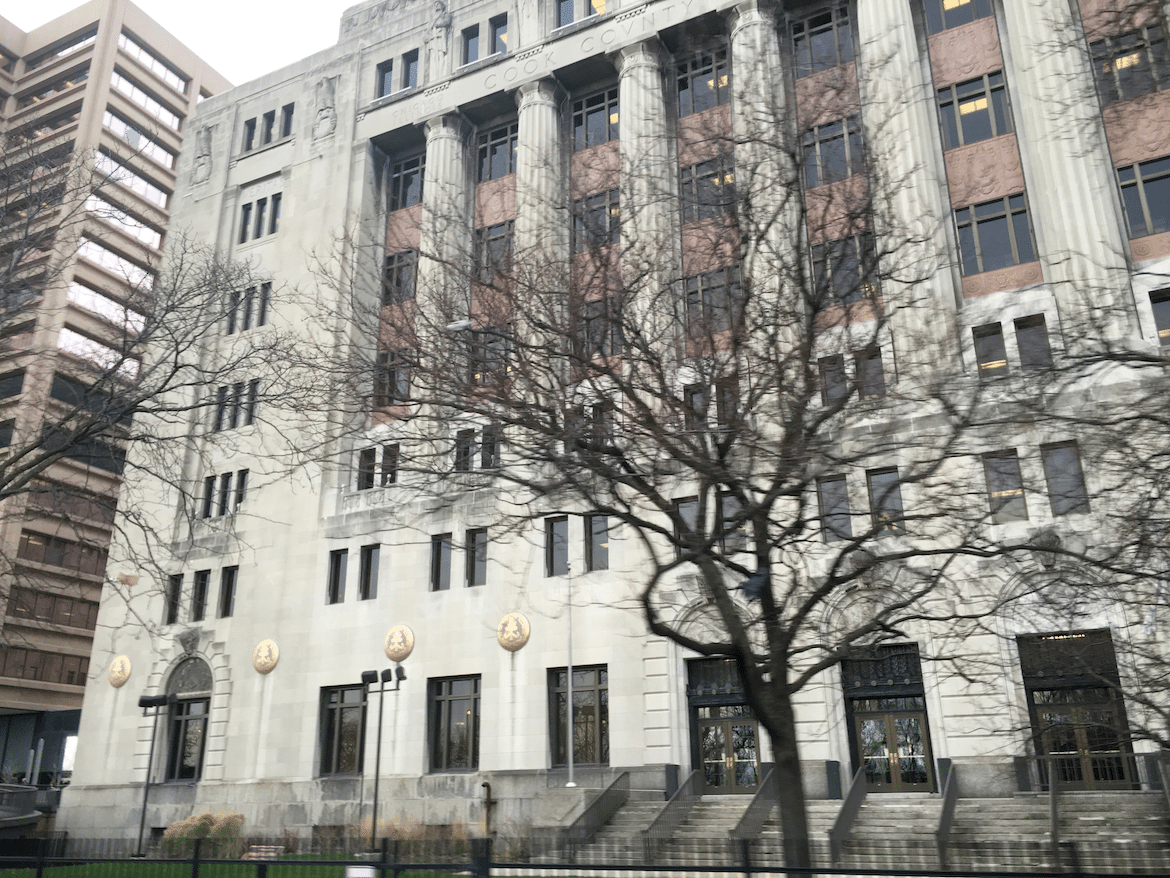
The Firearms Policy Coalition highlights how sweeping Cook County’s approach is. Under the ordinance, it says, a semiautomatic rifle can be prohibited if it can accept a magazine holding more than ten rounds and has just one of several listed features, including a “barrel shroud” that protects the shooter’s supporting hand from being burned by the barrel.
The group notes that protective handguards have been standard rifle components for generations, yet Cook County treats that longstanding feature as grounds for banning a wide range of ordinary semiautomatic rifles. It also points out the ordinance names dozens of prohibited rifles, including AR-15s, AK-47s, Galils, and even the Ruger Mini-14. The group says its attorneys “are not aware of a single semiautomatic rifle that would escape the County’s ban.”
Self-defense and handguns
Connecticut and Cook County maintain that the banned rifles are “exceptionally lethal weapons that are disproportionate to the end of self-defense.” But the petitioners argue the Second Amendment does not allow politicians to second-guess the judgments of law-abiding gun owners in the name of public safety.
They also lean on what Heller said about handguns: criminal misuse does not justify banning a class of arms that is commonly owned. In their reply brief, the petitioners note that criminal misuse of handguns is orders of magnitude greater than criminal misuse of the banned rifles. They also state that handguns “are the firearm most commonly involved in” mass shootings, and add that researchers with a “bias” against assault weapons were “shocked” to find that mass shootings with handguns produced more deaths than those with rifles. The brief further says handguns are the most common weapon involved in law enforcement killings.
The comparison is not meant to minimize violence. It is meant to press a constitutional point: if the Court protected public carry of handguns in Bruen because those arms are “in common use,” then, the petitioners argue, bans that reach into the home to prohibit possession of commonly owned rifles look even more like the kind of categorical ban rejected in Heller.
What to watch
If you want a simple listening guide for December 2, focus on two recurring questions.
- Does “common use” operate like a rule or like a suggestion? The petitioners insist it is a rule with bite, and that upholding these bans would require the Court to retreat from what it said in Heller and repeated in Bruen.
- How will the Court handle “dangerous and unusual” language? The key tension is whether Connecticut and Cook County can treat a very widely owned rifle as “unusual” simply by declaring it “unusually dangerous,” or whether common ownership for lawful purposes blocks that move.
Second Amendment law can feel abstract, but this dispute is remarkably concrete. It is about whether Connecticut and Cook County may prohibit possession of a class of firearms that the Supreme Court has described as both widely legal and commonly bought by ordinary consumers. As SAF Executive Director Adam Kraut put it, “The Supreme Court need not break any new ground here, just reiterate and apply what it has already said.”
Kraut adds: “The Second Amendment protects arms in common use for all lawful purposes, and if those words mean anything then the Second Amendment must protect the most popular class of rifles in the country, which are owned in the tens of millions by law-abiding Americans.”