
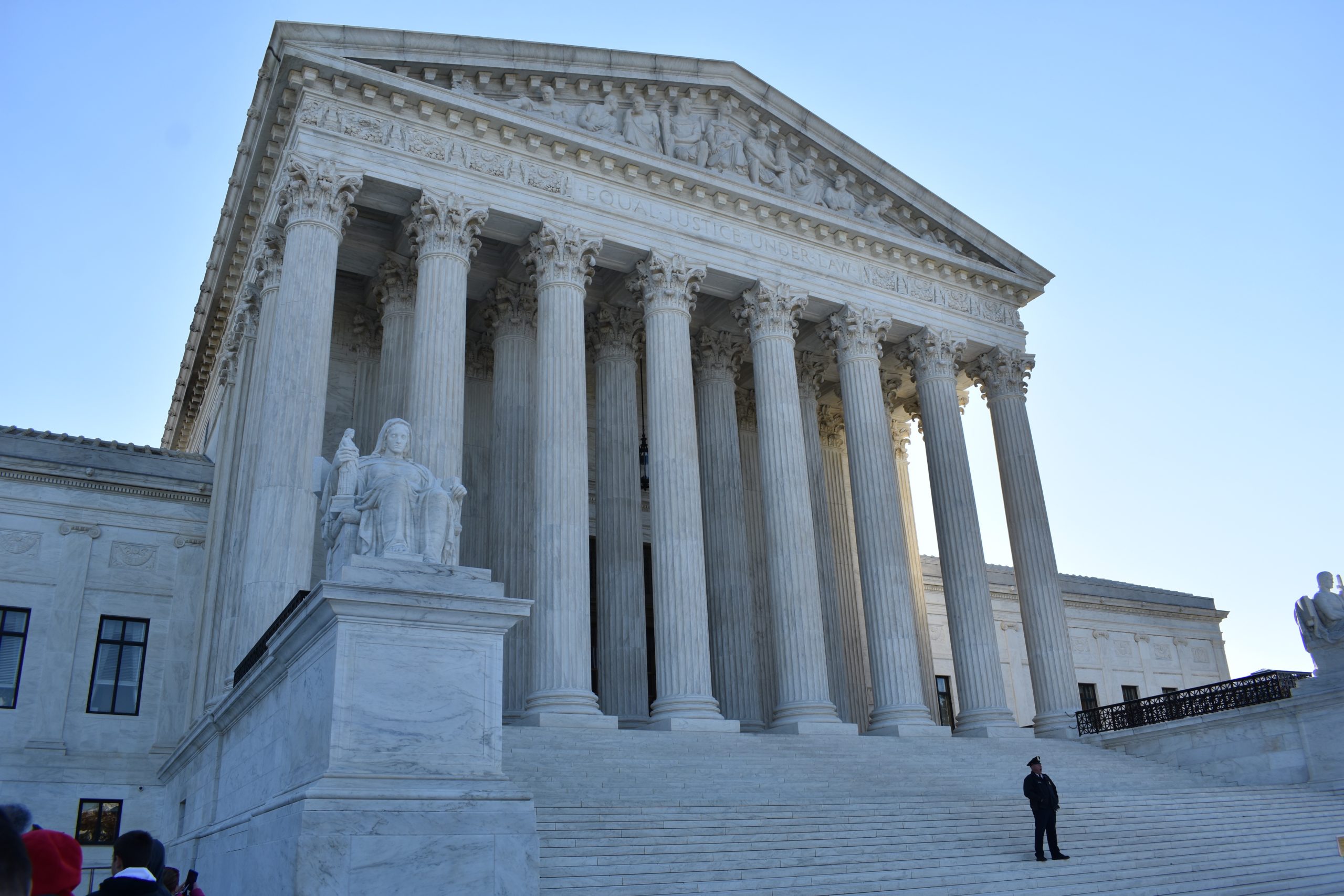
The Supreme Court has agreed to hear an immigration case involving lawful permanent residents, often called green card holders, who have been charged with crimes.
Beyond that basic frame, the central legal issue could take more than one form. Depending on what the justices agreed to review, the dispute could involve removal rules, detention, eligibility for relief, what records can be used, or how immigration judges must analyze a case when the criminal process is involved.
That may sound technical, but the stakes are personal and immediate. Lawful permanent residents live, work, pay taxes, and build long-term ties in the United States. When the government seeks to remove them, constitutional due process still matters, even though removal proceedings are civil rather than criminal.
Join the Discussion
What is known so far
Public information about the case at this stage is limited. The Court has agreed to review a dispute touching on green card holders who have been charged with crimes, but the precise legal question and the specific factual record are not fully clear from the initial grant alone.
Because of that, it is safest to read what follows as general context for the kinds of issues that often arise when immigration consequences intersect with the criminal system, rather than a claim about the exact arguments the justices will ultimately address.
What we do not yet know
Until briefing and the Court’s case materials are available, several basic details may remain unclear to the public, including:
- The case name and lower-court posture (what happened below and what the Supreme Court is being asked to reverse or affirm).
- The question presented (the specific issue the Court will decide).
- The statute and legal standard at issue (the exact immigration provisions and how they are being interpreted).
- Which records matter (for example, what parts of the criminal process the government relies on and what the noncitizen argues should count instead).
What the Court may decide
Immigration cases that overlap with criminal charges or criminal history often turn on statutory interpretation, procedural fairness, or both. Depending on the question presented, the Court’s decision could focus on:
- Statutory questions: how Congress wrote the rules that govern removability, detention, or eligibility for relief, and what the government must prove to apply those rules to a lawful permanent resident.
- Process questions: what procedures are required for a fair hearing when immigration authorities rely on records connected to the criminal system, and how an individual can contest the government’s legal theory.
The eventual ruling may be narrow, aimed at specific statutory language, or it may also clarify what fairness requires in this particular setting.
Why due process is involved
Due process is easy to cite and hard to define, so it helps to translate it into plain terms.
The Fifth Amendment says the federal government may not deprive any person of “life, liberty, or property, without due process of law.” Two points matter here:
- “Person” is broader than “citizen.” Lawful permanent residents are protected by due process principles in removal proceedings.
- Removal is civil, but the consequences are severe. Immigration court is not criminal court, and the protections are not identical. Still, deportation can be life-altering, so courts examine whether the process is fundamentally fair.
In other words, deportation is not a criminal punishment in the technical sense, but it can still trigger constitutional guarantees about fair procedures.
Charges, records, and proof
For most readers, it feels intuitive that an accusation is not the same thing as a final determination in court. The criminal system reflects that distinction through ideas like the presumption of innocence and the requirement that guilt be proven beyond a reasonable doubt.
Immigration law does not always track criminal law neatly. Depending on the statute in question, immigration authorities may look to convictions, admissions, or other official records tied to the criminal process. In many disputes, the fight is less about what happened factually and more about how a past event is classified under immigration law.
In some cases, due process concerns can intensify when removal decisions depend on contested interpretations, incomplete records, or unresolved issues from another legal system. Procedural safeguards then become more than paperwork. They can determine whether errors get corrected or harden into outcomes that are difficult to undo.
Due process in immigration court
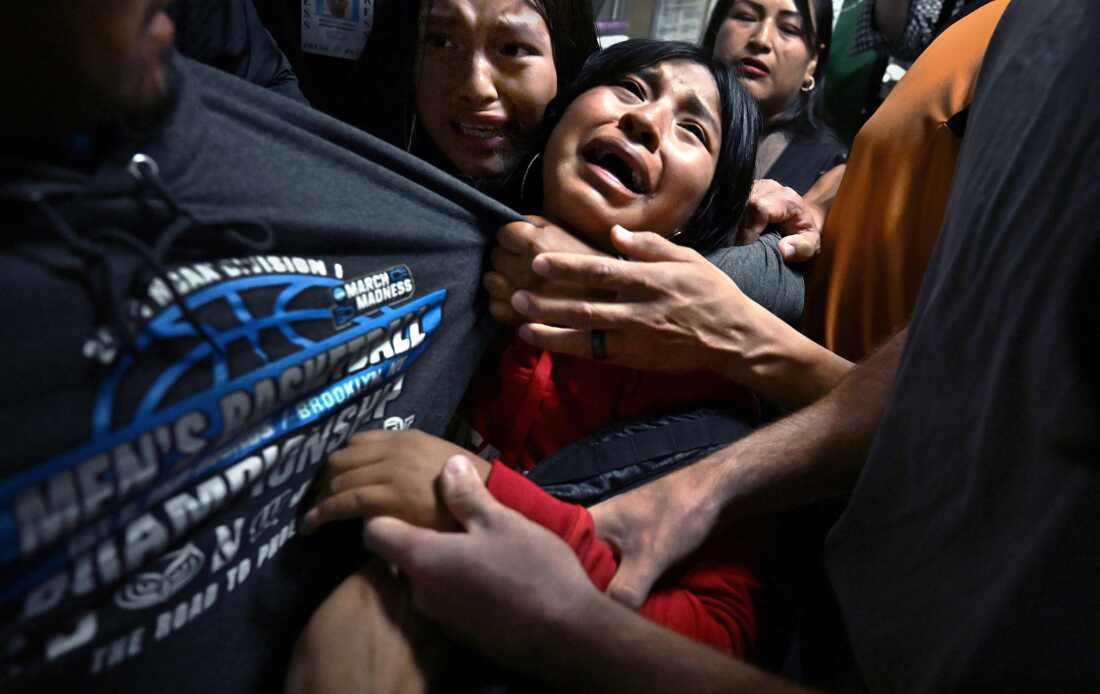
Due process is not a single checklist that applies the same way in every setting. In removal proceedings, it commonly includes:
- Notice: clear information about what the government alleges and what legal grounds it is using to seek removal.
- A meaningful chance to be heard: the ability to present evidence, challenge the government’s evidence when permitted, and argue the law.
- An impartial decision-maker: a judge who applies the law consistently rather than treating removal as automatic.
- Reasoned decisions and review: written rulings and some avenue for appeal or judicial review, depending on the issue.
The Supreme Court case is unlikely to rewrite immigration court from scratch. More realistically, it may clarify how existing statutory rules and baseline fairness principles apply to the specific issue the Court has agreed to review.
Key tensions
1) Authority and limits
Immigration is an area where Congress and the executive branch have substantial authority, and courts often give them room to set policy. But that authority is not unlimited. When the government takes action against an individual, courts still ask whether the process is fundamentally fair under the Constitution.
2) Speed and accuracy
Immigration systems are under pressure to move cases quickly. Speed can be valuable, but it can also increase the risk of error, especially when decisions depend on complex statutory categories or dense legal records. The Court’s ruling may signal how the legal system should balance administrative efficiency against careful, individualized adjudication.
What to watch
As briefing and oral arguments become public, a few details will help clarify what is truly at stake:
- The exact question presented and whether the Court frames it primarily as statutory interpretation, a due process issue, or both.
- The legal hook the government relies on and what the noncitizen argues should be required instead.
- How the Court describes the role of immigration judges in evaluating the government’s claims and the relevant records, rather than treating the outcome as automatic.
- What happens to judicial review when someone argues the process used was fundamentally unfair.
Even a decision that sounds technical can shape real outcomes, including whether people remain with their families while cases proceed, whether they have a meaningful chance to contest removal, and whether life-changing decisions turn on what the law actually requires.
Why it matters
This case highlights a recurring question in American law: how a system built on constitutional protections should operate when the government seeks one of its harshest civil outcomes, removal from the country.
Whatever the Court decides, the ruling could provide clearer guidance on how immigration enforcement interacts with criminal charges and related records, and what fairness requires when lawful permanent residents face the possibility of deportation.