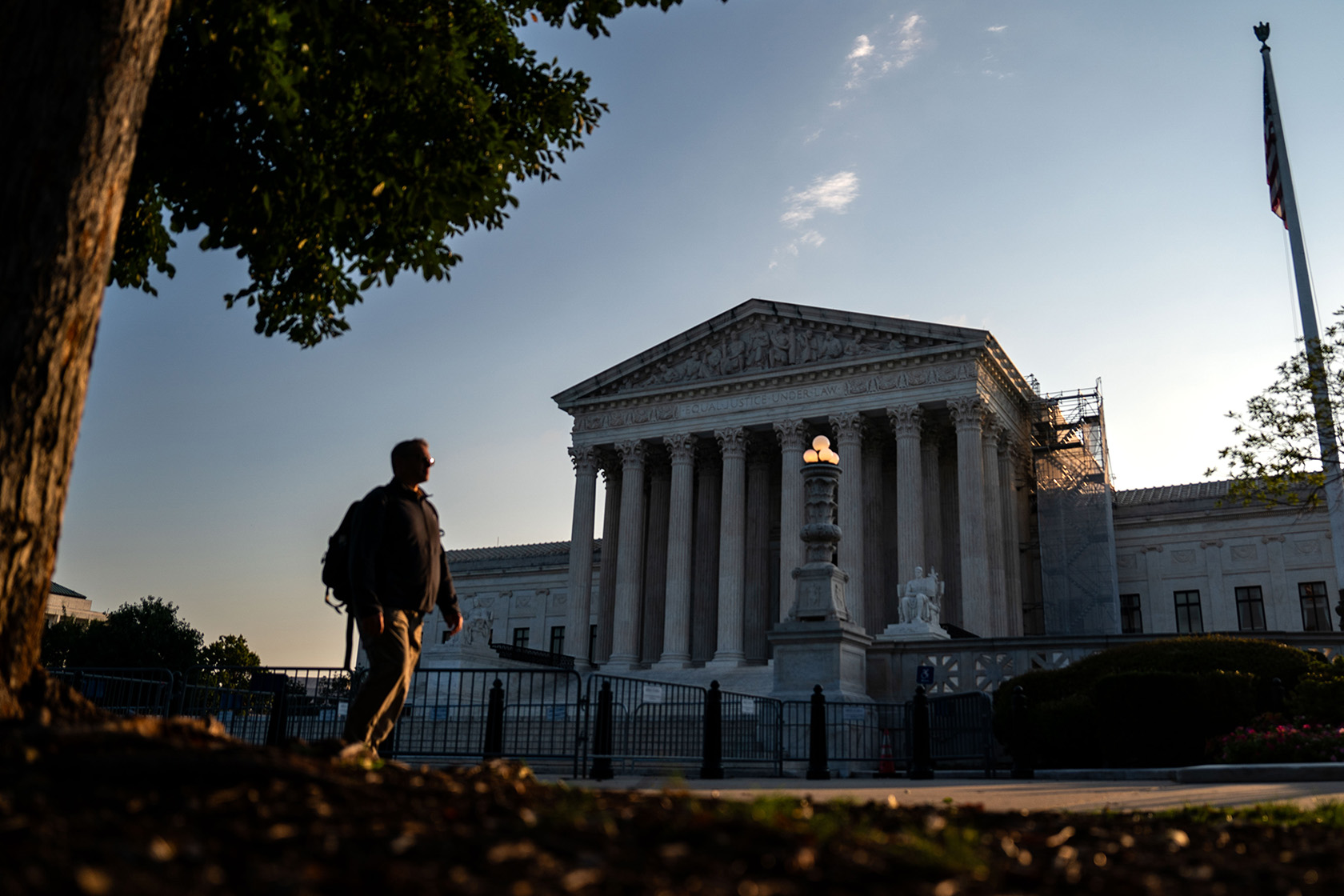
The Supreme Court is stepping into a high-stakes dispute over Temporary Protected Status, a humanitarian immigration program that lets people live and work in the United States when returning to their home country is unsafe.
At issue are Trump-era decisions aimed at ending TPS protections for Haitians and Syrians. If the administration ultimately prevails, the result could be sweeping: many people who have built long, legally authorized lives in the U.S. could lose the ability to remain and work here, potentially triggering large-scale removals.
Join the Discussion
What TPS is, in plain terms
TPS is not a green card. It is not citizenship. It is a time-limited protection created by Congress in 1990 for people already in the U.S. who cannot safely return home because of conditions such as:
- armed conflict
- natural disasters
- other “extraordinary or temporary conditions”
Think of TPS as a legal pause button. It allows eligible individuals to remain in the U.S. and obtain work authorization while the home-country crisis persists. The program has been used by presidents of both parties for decades.
Why Haiti and Syria are at the center of these cases
The two TPS designations at the heart of the Court fight reflect very different crises.
Haiti
Haiti received TPS after the 2010 earthquake that killed more than 300,000 people. The legal debate now collides with the reality that severe instability has continued, including roving gangs, cholera epidemics, and the absence of a functioning government, conditions that persist today.
Syria
Syria’s TPS population is smaller, with roughly 7,000 people covered. The country has faced years of civil war, and Israeli bombing attacks continue in parts of the country.
The practical rules TPS recipients live under
One of the most misunderstood parts of TPS is that it applies only to people who have been continuously living in the United States since the relevant designation date. It is not a benefit someone can generally claim by arriving today.
TPS also comes with repeated screening requirements. Ahilan Arulanantham, who represents Syrians in the case, described the level of scrutiny this way: “They have to go through a vetting process which involves biometrics, background check, running them against all the government's databases.” He added, “Two misdemeanors, you're out.”
And it is not one-and-done. People typically must renew every 18 months, repeating the process to keep lawful presence and work authorization.
The legal question the Supreme Court is really being asked to answer
For a constitutional-law minded reader, the key issue is not only whether Haiti or Syria is safe. The deeper question is: Who gets to check the executive branch’s work?
The Trump administration’s position is that the TPS statute largely blocks courts from reviewing these termination decisions at all. In other words, once the executive branch makes the call, judges should not be able to second-guess it.
The TPS recipients respond with a narrower reading: courts are barred from reviewing only a specific slice of the statute, and the rest remains reviewable, especially where the government allegedly failed to follow required procedures.
Procedure matters: the APA
If you have ever wondered why courts sometimes focus on paperwork and process, this is why: federal agencies cannot simply announce major policy shifts any way they want. The Administrative Procedure Act (APA), enacted about 80 years ago, sets baseline rules for how agencies make and change decisions. It also supplies a framework for courts to review whether an agency acted in an arbitrary way.
In these TPS cases, recipients argue the government did not do what the law requires when it ended protections. A major point of friction is the consultation process the TPS statute contemplates, including engagement with the State Department about on-the-ground country conditions.
How supporters of termination frame it
The administration is not alone in arguing for wide executive authority here. Twenty-one Republican attorneys general are supporting the government’s position, emphasizing that TPS is supposed to be temporary rather than a long-term substitute for a permanent immigration status.
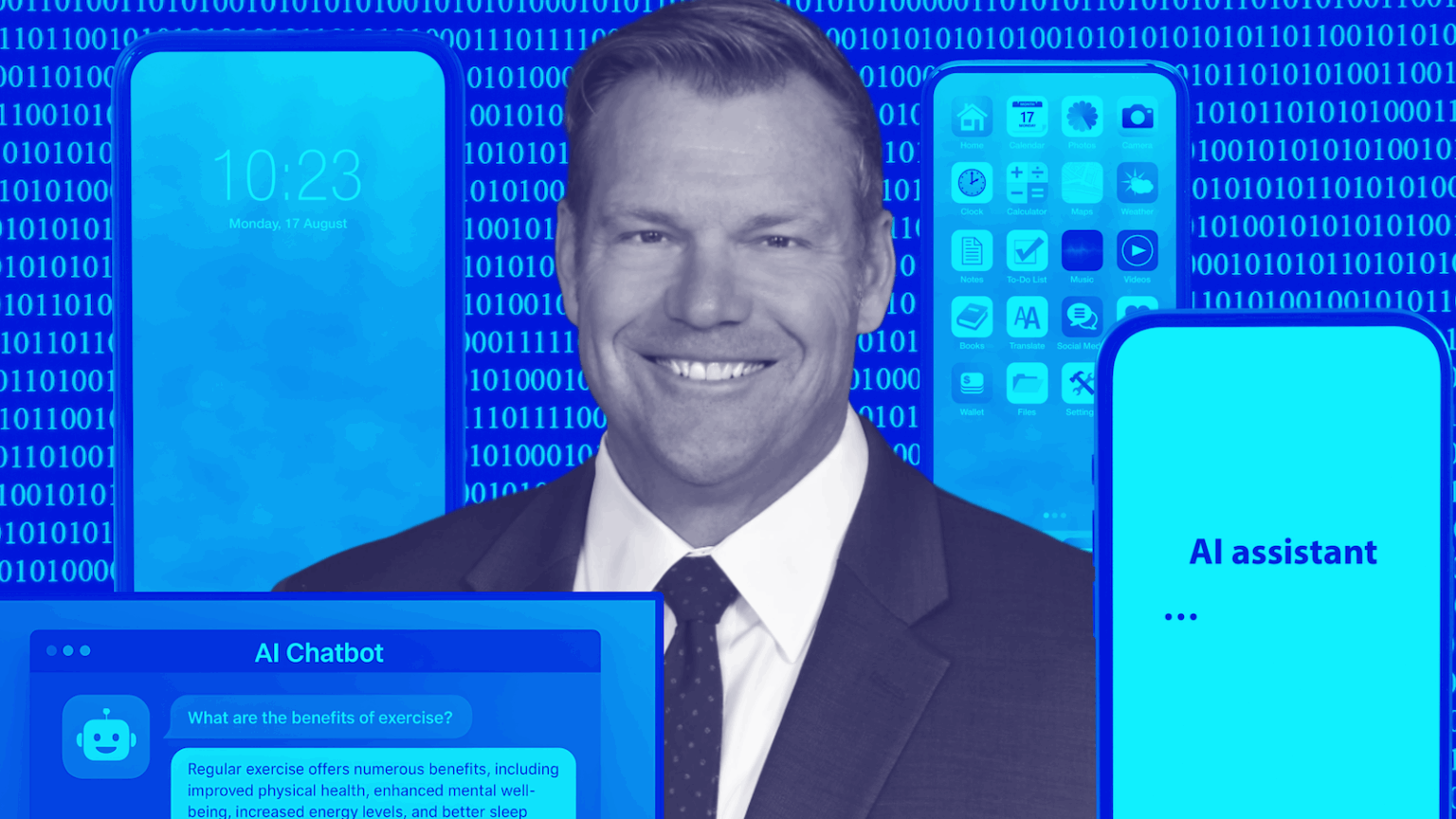
Kansas Attorney General Kris Kobach points to the reality that, under TPS, some of the 17 countries deemed too dangerous to return to have stayed on the list for more than a decade. “Temporary protective status was never intended to be a de facto amnesty,” Kobach says. “That status, as its name suggests, is temporary.”
What the administration said about ending Haiti and Syria TPS
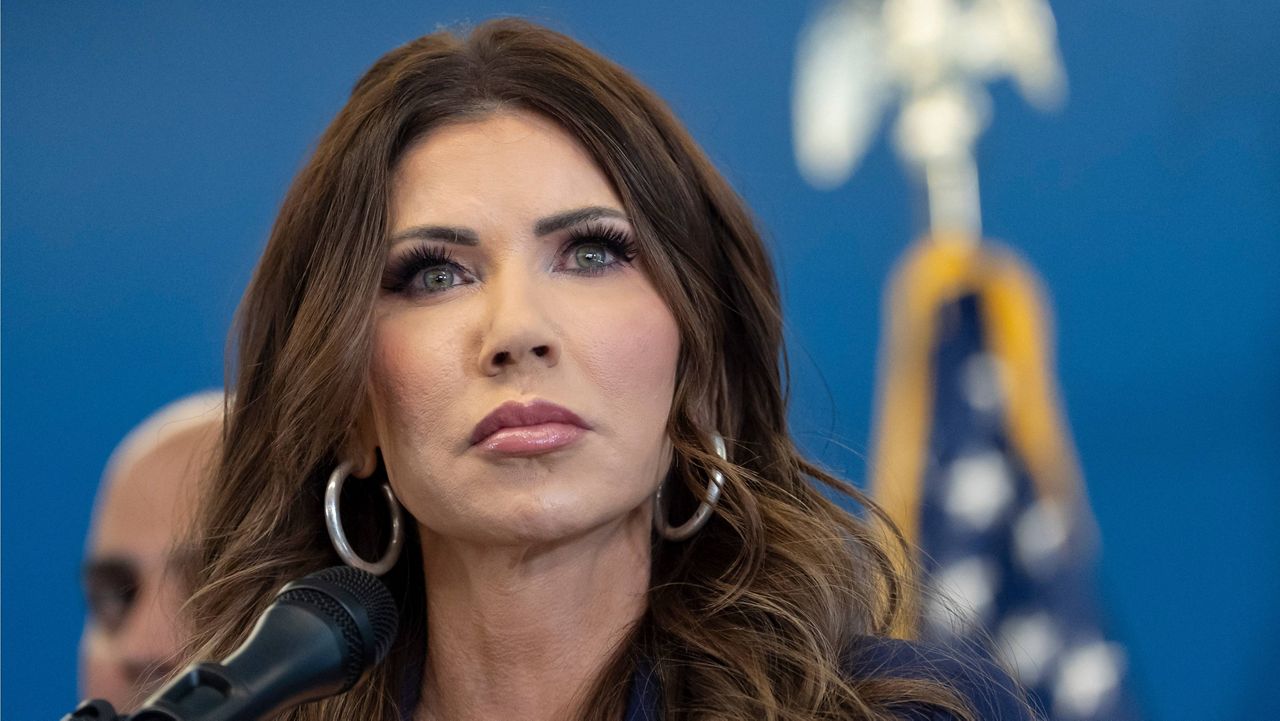
In the Haiti case, then-DHS Secretary Kristi Noem ended the designation in response to a Trump executive order. Her termination memo offered two core rationales:
- that Haiti no longer presented extraordinary conditions preventing safe return for TPS holders, and
- that even if Haiti were unsafe, ending TPS was required because continuing it would be “contrary to the national interest.”
Noem made similar findings for Syria, citing concerns about vetting and pointing to two Syrians under criminal investigation, though neither had TPS.
The government also leans on a theme the Supreme Court has often accepted historically: that immigration decisions intersect with “critically important” matters of “national security and public safety,” areas where the judiciary has tended to give the executive branch wide latitude.
The response: claims of pretext
Lawyers for TPS recipients argue the stated rationales in both cases were “pretextual,” meaning a sham. They contend that instead of conducting the extensive consultation with the U.S. State Department about conditions in Haiti and Syria that the law contemplates, the process functionally collapsed into a rubber stamp, with the State Department offering a two-sentence statement backing the DHS secretary’s findings.
A claim that goes beyond immigration: alleged race discrimination
The Haitian TPS recipients raise an additional argument that is not strictly about immigration discretion. They say the program’s termination reflects racial discrimination.
They point to a pattern of inflammatory statements about Haitians and Haitian migrants, including Trump’s past remark to supporters, “Why is it we only take people from shithole countries? Right? Why can't we have some people from Norway, Sweden. Just a few.” They also cite his false debate claim in September 2024 that Haitians in Springfield, Ohio, “are eating the dogs. The people that came in, they're eating the cats. They're eating the pets of the people that live there.”
That said, the Supreme Court has previously been reluctant to treat political rhetoric as legally decisive evidence, often labeling such statements as “political” rather than judicially actionable.
Where things stand now
In the lower courts, Haitians and Syrians initially won preliminary rulings that preserved TPS while the cases move forward. But the Supreme Court has frequently warned lower courts against overreaching in immigration disputes, and in recent years the Court’s conservative majority has often been deferential to executive branch authority in this space.
For readers watching the constitutional stakes, this is the tension to track: Is TPS termination a largely unreviewable executive judgment, or a decision constrained by statutes and enforceable procedures? The answer will shape not only the lives of TPS holders from Haiti and Syria, but also how much real-world power courts have to demand accountability when agencies end protections that Congress created.