
Building a firearm at home used to sound like something only a dedicated hobbyist would attempt. Today, for many gun owners, it is closer to a practical form of customization, especially with modular platforms like the AR-15. That reality matters legally, because a federal appeals court has now made a threshold point clearer: restrictions on certain common firearm parts are not automatically just “commerce rules.” They can implicate the Second Amendment.
On April 23, the U.S. Court of Appeals for the 10th Circuit addressed a Colorado law that broadly prohibited the purchase, sale, transfer, and possession of certain un-serialized firearms and key components. The court did not decide whether Colorado’s law is ultimately constitutional. But it did decide something important on the way there: the district court was wrong to treat the law as outside the Second Amendment’s scope.
Join the Discussion
What the court ruled
Colorado’s June 2023 statute restricted un-serialized firearms, including firearm frames or receivers. In the lawsuit, three individuals, Christopher Richardson, John Howard, and Max Schlosser, along with two nonprofit groups, National Association for Gun Rights (NAGR) and Rocky Mountain Gun Owners (RMGO), challenged the law as a violation of the right to keep and bear arms.
The key point from the 10th Circuit is procedural but consequential: the district court had concluded the Colorado law did not implicate the Second Amendment. The appeals court rejected that conclusion and held the law does implicate the Second Amendment.
That distinction matters because once a court recognizes the Second Amendment is in play, the state cannot avoid Second Amendment analysis by characterizing the restriction as merely a rule about products in commerce.
Why parts matter
It is easy to think of the Second Amendment as protecting only fully assembled firearms. But for many modern firearms, “the gun” is a set of components that can be swapped, upgraded, and replaced. A law that forbids possession of a core component can operate, for a builder or someone repairing a firearm, like a ban on the firearm itself.
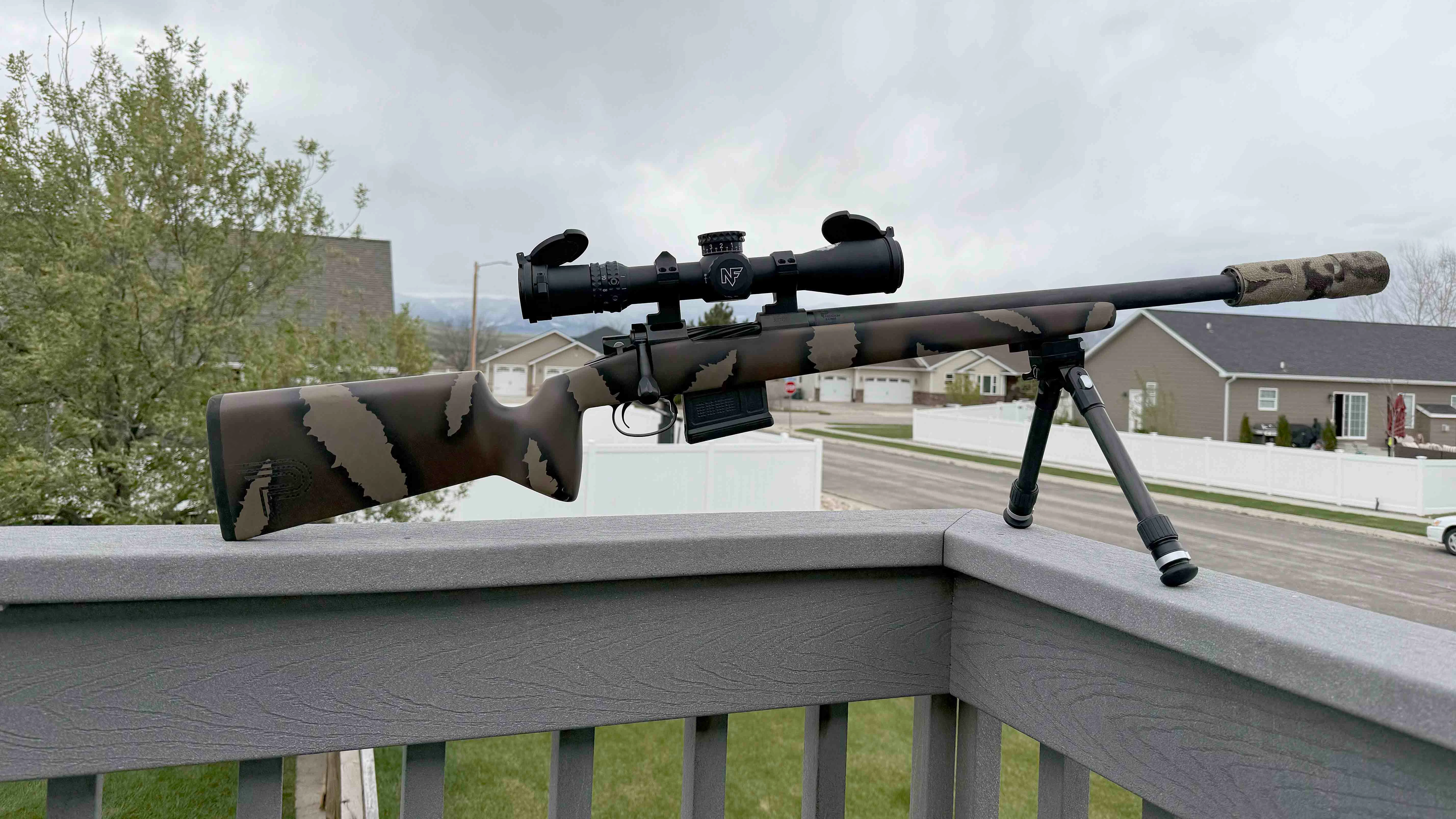
That is especially true with AR-15 style rifles, which are designed around modularity. Owners can pair one lower receiver with different upper receivers and barrels, effectively getting multiple configurations from the same base.
Firearms enthusiast Nic George described the culture of customization bluntly: It’s like Barbie dolls for men. It’s all about accessorizing
.
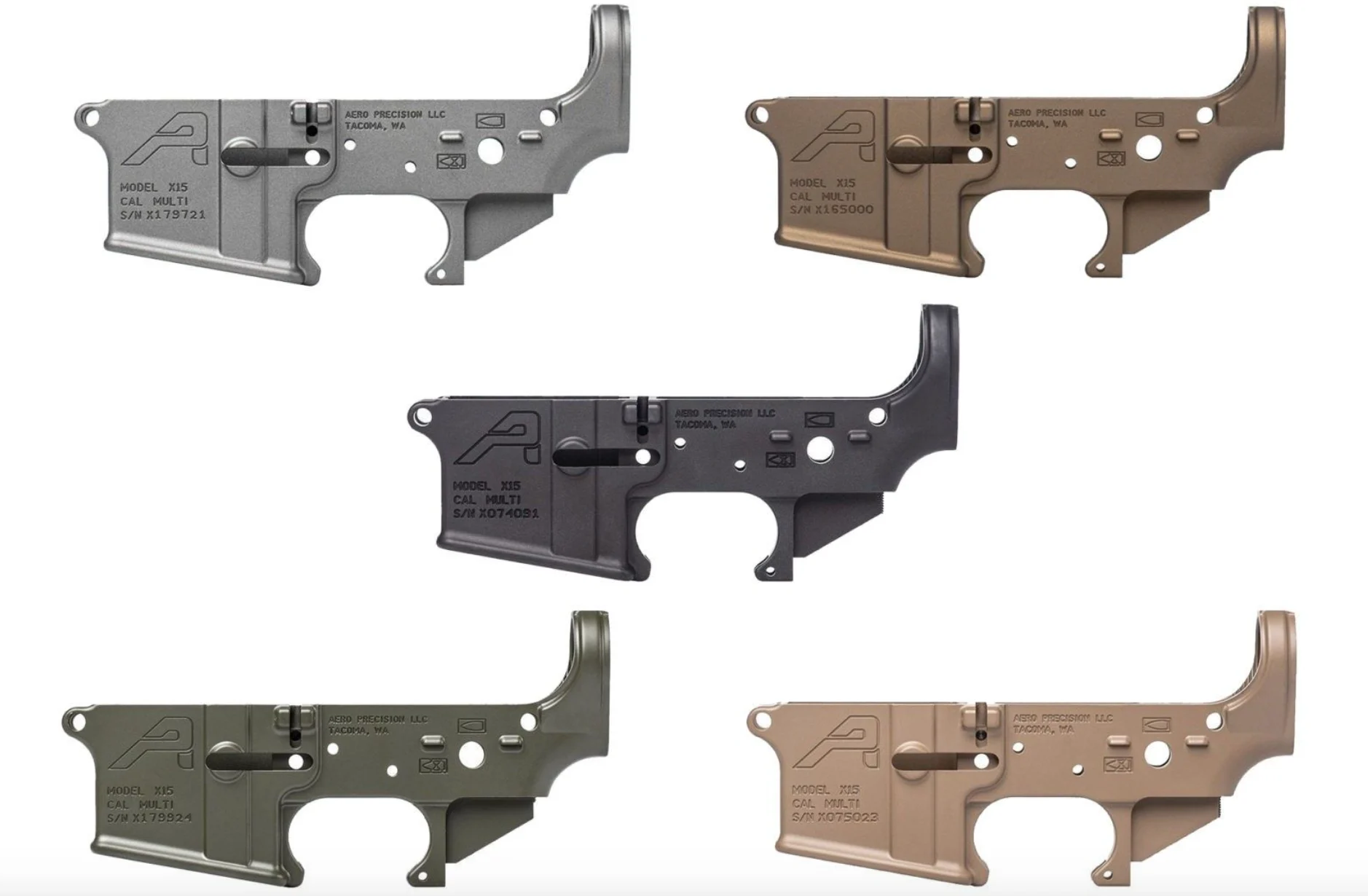
Frames and receivers
Gun laws often draw a line between ordinary parts and a specific, regulated component that the law treats as the firearm for tracking and sale purposes. In many designs, that regulated component bears the serial number and is typically bought through a licensed dealer, usually with a background check.
On an AR-15, the lower receiver is commonly central to that legal definition because it houses the trigger mechanism, safety, and magazine release. George put it this way: Every firearm has at least one part that is a regulated piece. The piece without which it won’t function. That’s usually where the serial number goes
.
George also emphasized that while it is “just one part,” the purchase is treated procedurally and legally as if you are buying the whole gun. After that, a buyer can add barrels, sights, stocks, and other components.
What it means for builders
If you are a home builder, the immediate practical takeaway is not “everything is legal now.” The ruling does not erase Colorado’s law. It changes how a challenge to laws like this can start.
Casper attorney Ryan Semerad described the core point this way: If you have a blanket prohibition, that it is illegal to sell or possess these sorts of gun parts, that is a matter of the Second Amendment
. He added, The government can’t just say, ‘it has nothing to do with bearing arms,’
.
Semerad also noted that if charges are brought against someone in connection with these kinds of firearm parts, that person could possibly challenge the case based on Second Amendment rights, and prosecutors cannot expect to win by arguing the case has no Second Amendment connection.
Why AR-15s are central
Wyoming Tactical Firearms and W.T.F. Silencers owner Joshua Kinderknecht described AR-15-style rifles as the king of modular firearms, and said the trend toward building your own is growing because parts and accessories are abundant and widely available. It’s extremely popular, so it’s good to know (about the 10th Circuit Court’s ruling),
he said.
Kinderknecht said that once you have the serialized lower receiver, the possibilities are practically endless. He described how one lower can be used with multiple upper receivers and barrel assemblies chambered for different cartridges. In his words: I’ve got one AR lower that I have three different upper receivers for. It’s really handy
.
What to watch
For readers trying to keep their footing in Second Amendment litigation, the most useful question is often not “Did the court strike the law down?” but “Is the Second Amendment even part of the analysis?” This ruling answers that threshold question: yes, it is.
Next steps to watch include:
- Further proceedings in the Colorado case, where the state must defend the law with the Second Amendment in view rather than treating the amendment as irrelevant.
- How other courts handle broad restrictions on un-serialized frames and receivers, especially where the practical effect is to block acquisition and possession of core components.
- How lawmakers draft future bills, including whether they pursue narrower approaches that regulate serialization and sales without sweeping bans on possession.
In the meantime, for hobbyists and home builders, the decision is a reminder that the constitutional fight is not always about whole categories of firearms. Sometimes it turns on the parts and pieces that make them work.