
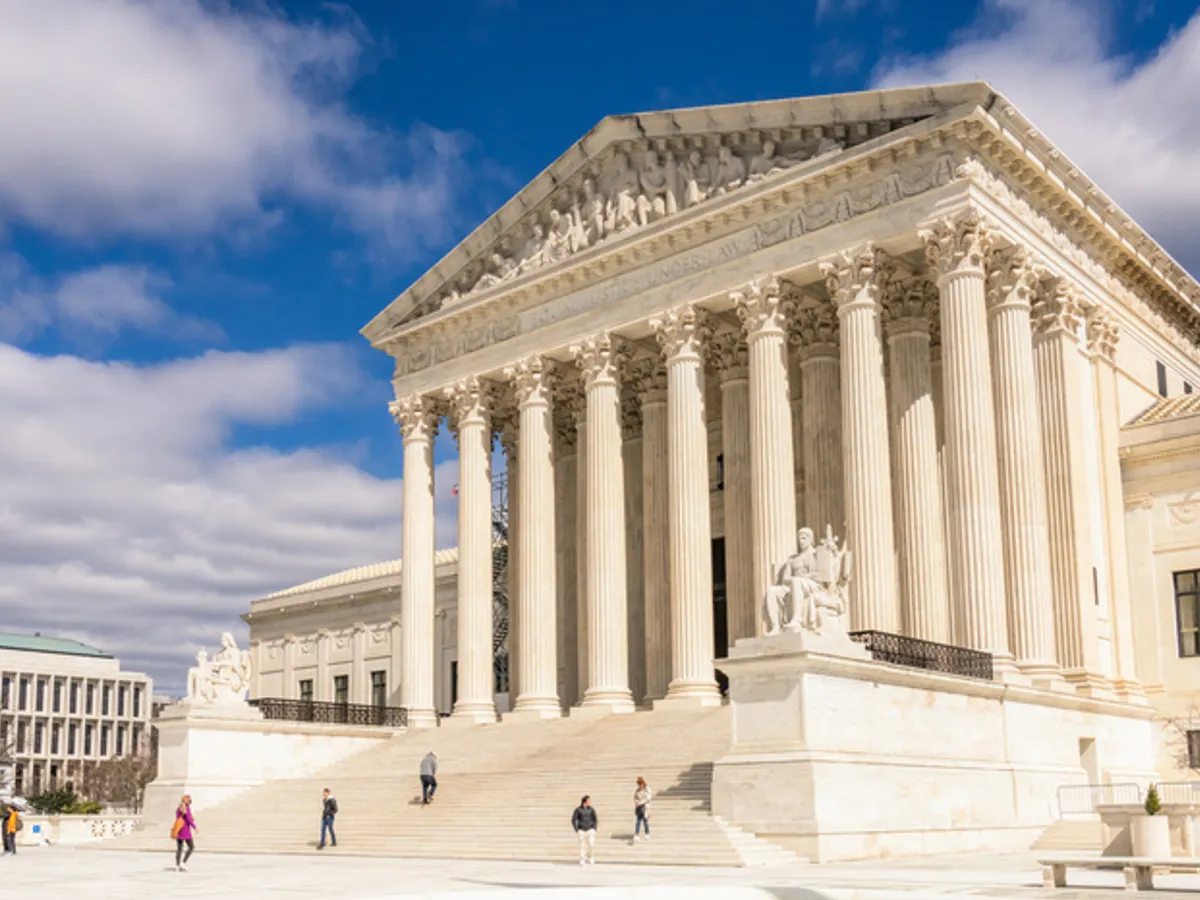
The Supreme Court reopened a fight over federal efficiency rules for natural gas home-heating equipment this week, vacating a lower-court decision that had upheld the Biden-era standards and sending the case back to the U.S. Court of Appeals for the D.C. Circuit.
No full opinion, no sweeping language, and no headline-grabbing oral argument. Just an order that, in the world of administrative law, can still rearrange the playing field. And in this case, it literally involves furnaces.
Join the Discussion
What the Court did
The case is American Gas Association, et al. v. Department of Energy, et al. The Supreme Court granted review, vacated the D.C. Circuit’s judgment, and remanded the dispute for further consideration.
That procedural posture matters. A “GVR” order (grant, vacate, remand) does not decide the underlying policy question. Instead, it tells the lower court to take another look, usually because something important changed or because the government has taken a new or clarified position that could affect the legal analysis.
Here, the Supreme Court told the D.C. Circuit to reconsider the case in light of the position asserted by the Solicitor General in a brief filed April 28, 2026.
What the rules cover
The challenged standards were finalized during the Biden administration and address efficiency requirements for certain natural gas furnaces and certain commercial water heaters. Industry challengers say the rule would effectively push many existing models out of the market and drive up home-heating costs.
One key data point has driven much of the debate: non-condensing furnaces account for approximately 55% of natural gas furnaces on the U.S. market, according to the American Gas Association.
Under the rule, those non-condensing furnaces would become illegal in 2028 (as the challengers have described the effect). The practical concern is not just the sticker price of a new furnace, but what it takes to install a different kind of unit.
In many homes, replacing a non-condensing furnace with a condensing model can require significant structural modifications. Industry groups challenging the rule warned: “Their removal from the market would saddle families with costly renovations or eliminate gas as a home heating option all together.”
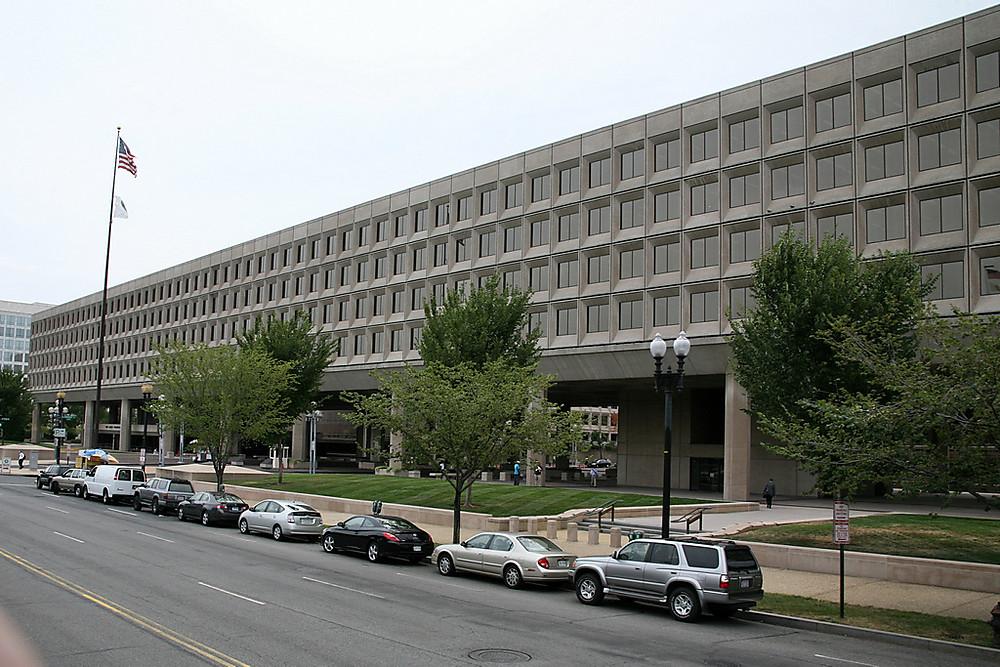
Why this is about agency power
On the surface, this is a dispute about appliance standards. Underneath, it is a civics lesson about how much room federal agencies have to interpret and enforce laws passed by Congress.
The Department of Energy writes energy conservation standards under federal statutes that delegate rulemaking authority. For decades, courts often gave agencies a measure of deference when statutes were ambiguous. But the Supreme Court has been tightening the leash on agency interpretation, and the post-Chevron landscape has made challenges like this more potent.
This remand signals that the justices want the D.C. Circuit to apply the government’s updated view of the case and reassess whether the rule is legally sound under today’s administrative-law framework, not yesterday’s.
What it means for households
If you are a homeowner trying to plan a replacement timeline, this kind of procedural decision can feel frustratingly abstract. The most honest answer is that it creates more uncertainty in the short term.
- The rule is not “dead” just because the Supreme Court vacated the appellate ruling that upheld it.
- The challengers are not “automatically winning” either. They have simply been given another shot at persuading the D.C. Circuit.
- The practical market impact often depends on how manufacturers, contractors, and regulators respond while litigation continues.
For consumers, the cost question tends to break into two buckets: (1) potential up-front installation costs if a home needs modifications to accommodate a different furnace type, and (2) potential long-term operating costs, since higher-efficiency equipment can reduce fuel use over time but may cost more to purchase and install.
Constitution in plain English
Nothing in the Constitution mentions furnaces. But the Constitution does establish a structure where Congress writes the laws, the executive branch enforces them, and the courts say what the law is.
When agencies issue rules with huge real-world consequences, courts increasingly demand a clear line back to statutory authority. In everyday terms, the question is: Did Congress actually give the Department of Energy the power to reshape this part of the market in this way?
The Supreme Court’s order suggests that question is still open enough, under the government’s current position, that the lower court needs to revisit its analysis.
What to watch next
Here are the practical next steps that will tell homeowners and contractors where things are headed:
- The D.C. Circuit’s next decision: Will it again uphold the rule, narrow it, or strike it down?
- Any changes from the Department of Energy: Agencies sometimes revise rules during litigation, especially when legal standards shift.
- Signals from the Supreme Court: A GVR is not a final merits ruling, but it can foreshadow how the Court is thinking about agency authority.
For now, the biggest impact is that the case is back in play. And for a policy that could affect the availability of products used in millions of homes and businesses, “back in play” is not a small thing.