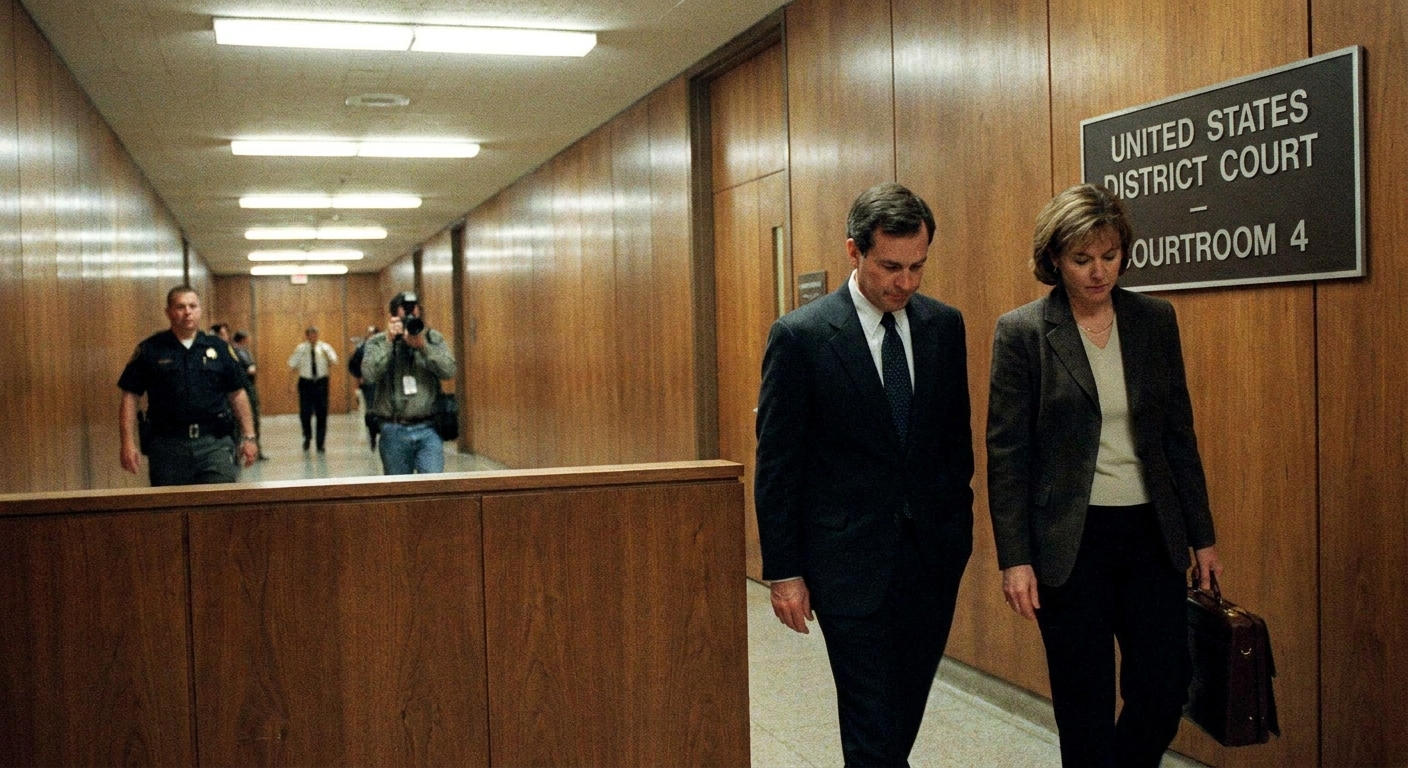
Federal sentencing has a reputation for being cold and mathematical, like you type a few numbers into a formula and the judge prints a prison term.
In reality, one of the most influential documents in the entire process is often written after the plea or verdict, when most of the drama seems “over.” It is called the Presentence Investigation Report, usually shortened to the PSR. (You may also hear “presentence investigation” or “PSI,” but in federal practice PSR is the more common shorthand for the report.)
If you want to understand why one defendant gets 18 months and another gets 10 years for conduct that sounds similar on the surface, you usually end up in the same place: what the PSR says happened, what the Guidelines say that means, and what the judge believes is fair under the law.
Join the Discussion
What the PSR is
The Presentence Investigation Report is a written report prepared by a U.S. Probation Officer to help the judge decide a sentence. In federal court, sentencing is not supposed to be guesswork. The judge needs a reliable record of:
- What happened (the offense conduct and relevant conduct)
- Who the defendant is (history, family, education, work, health, finances)
- What the law recommends (the U.S. Sentencing Guidelines calculation)
- What the judge must follow (statutory minimums and maximums, restitution, and supervised release when required or typically imposed)
Think of the PSR as the court’s master summary. It is not written by the prosecutor or the defense. It is written by probation for the judge, but both sides scrutinize it because it can drive the outcome. In some cases, mandatory minimums or a narrow legal issue may do most of the work. In many others, the PSR is where the real sentencing story gets written down.
Where the PSR fits
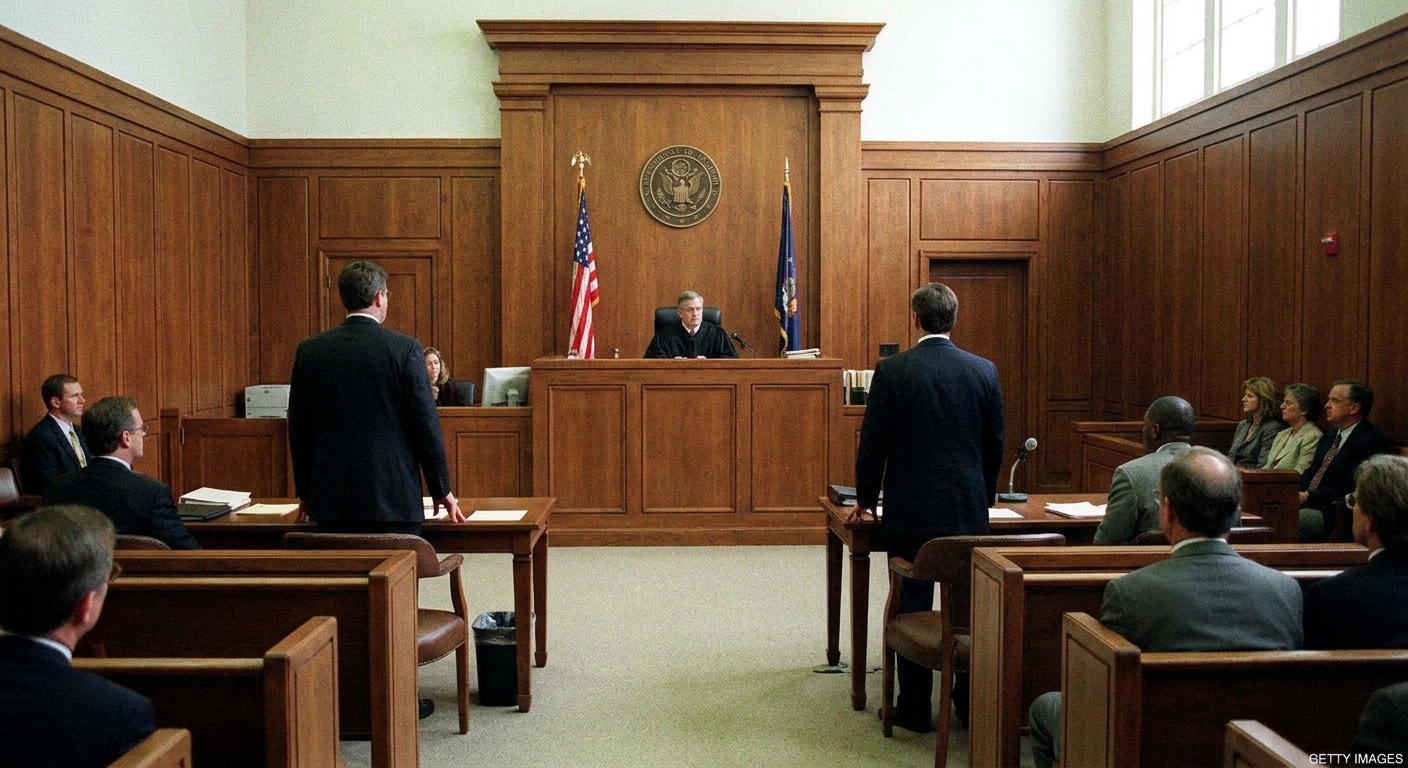
A PSR is prepared after a defendant has either pleaded guilty or been found guilty at trial. The court then schedules sentencing weeks later to give probation time to investigate and write.
A typical sequence looks like this:
- Plea or verdict
- Probation interview and investigation
- Draft PSR disclosed to both sides
- Objections and revisions
- Final PSR submitted to the judge
- Sentencing hearing
There are formal timelines in Federal Rule of Criminal Procedure 32 that govern disclosure, objections, and the final report. The exact scheduling details vary by district and judge, but the basic pattern is the same. Most of the “sentencing battle” happens on paper before anyone stands up in court.
The probation interview
The probation officer will typically interview the defendant, and will also gather information from documents and third parties. The interview is not casual small talk. It is an evidence-gathering process aimed at answering two questions: how serious is the conduct, and how risky is the person.
Common topics
- Personal background: upbringing, family responsibilities, housing stability
- Education and work: employment history, skills, military service
- Physical and mental health: diagnoses, medications, treatment history
- Substance use: alcohol and drug history, treatment participation
- Finances: income, debts, assets, ability to pay fines or restitution
- Criminal history: prior convictions, supervision violations
- Offense details: the defendant’s account of what happened
Probation will often request records such as medical records, school records, tax records, payroll information, and documentation of counseling or rehabilitation. They may also speak to family members or employers if permitted and relevant.
One crucial warning
Defendants should talk with their attorney before the interview. The Fifth Amendment right against self-incrimination does not vanish at sentencing, but how it plays out can be legally and strategically nuanced. As a practical matter, statements made during a presentence interview can affect:
- the offense description in the PSR
- whether the defendant is seen as accepting responsibility
- whether enhancements apply
- restitution amounts
Rules and practices vary by court, by case posture, and by what is in a plea agreement. In some situations, statements can also create problems beyond the guideline math. The safe general rule is simple: prepare with counsel, and do not wing it.

Guidelines
The U.S. Sentencing Guidelines are designed to promote consistency. They are no longer mandatory in the strict sense, but they remain the starting point for federal sentencing. The judge must calculate the guideline range correctly, then decide whether to sentence within that range or impose a different sentence under the statute.
At a high level, the guideline process has two major parts:
- Offense level: how serious the conduct is under the Guidelines
- Criminal history category: how significant the defendant’s prior record is
Offense level basics
Most guideline calculations start with a base offense level for the crime, then add or subtract levels based on specific facts called adjustments or enhancements. Common examples include:
- Loss amount in fraud cases
- Drug quantity in drug cases
- Role in the offense (leader or minor participant)
- Use of violence or weapons
- Obstruction of justice (for example, destroying evidence or lying under oath)
- Acceptance of responsibility (often a decrease when a defendant pleads guilty and demonstrates genuine acceptance)
Those facts are not always limited to what a jury found or what a plea agreement lists. Federal sentencing often considers relevant conduct, meaning related conduct that the court finds by a lower standard of proof than “beyond a reasonable doubt,” typically a preponderance of the evidence. That is one reason the PSR is so consequential.
Criminal history basics
The Guidelines assign points for prior convictions and certain prior sentences. Those points place a defendant into a Criminal History Category (I through VI). Two people convicted of the same federal crime can face very different ranges if their criminal history differs.
Mandatory minimums and maximums
Even a perfect guideline math problem cannot ignore the statute. Some crimes carry mandatory minimum sentences, and every crime has a statutory maximum. The final sentencing options must fit inside those boundaries, regardless of what the guideline range suggests.
Departures vs variances
You will hear two similar-sounding concepts. A departure is a Guidelines-based adjustment (built into the Guidelines framework). A variance is a sentence outside the guideline range based on the broader sentencing factors in 18 U.S.C. § 3553(a).
What is in a PSR
Although PSRs vary by district, most include a recognizable structure:
- Offense conduct: a narrative description of what happened
- Victim impact and restitution: losses, harms, and proposed restitution calculations
- Guideline computation: base level, enhancements, criminal history, final range
- Defendant history: personal background, health, education, work
- Sentencing options: imprisonment range, supervised release, fines
One thing to keep in mind is that the PSR is not written like a neutral encyclopedia entry. It reflects probation’s assessment of what the evidence shows and what sentencing factors matter. The offense narrative, in particular, can become a quiet battlefield.
Confidentiality and access
People are often surprised by this: a PSR is not usually public in the way many court filings are. Access is typically limited to the court, the parties, and others with an authorized need (often including the Bureau of Prisons for designation, classification, and programming). Courts and districts handle PSR confidentiality and redactions differently, but as a general rule you should not assume the PSR will appear on the public docket in full.
Objecting to the PSR
After the draft PSR is disclosed, both the defense and the prosecution can submit written objections. These objections can be about small errors, or about issues that change the guideline range by years.
Common disputes
- Whether the PSR includes disputed facts as if they were proven
- Drug quantity or loss amount calculations
- Whether an enhancement applies (weapon, leadership role, vulnerable victim, obstruction)
- Whether a prior conviction counts for criminal history points
- Restitution amounts and who qualifies as a victim
Probation may revise the report in response. If a dispute remains, the judge can resolve it at sentencing. Sometimes that requires evidence, testimony, and argument. When facts matter to the guideline range, the parties may treat parts of sentencing like a mini-trial.
Practical ways to prepare
If the PSR is the court’s master summary, preparation is about making sure the summary is accurate and complete. Defense teams often focus on three buckets:
- Records: documents that prove employment, medical history, treatment, education, caregiving responsibilities, finances, and restitution ability
- Corrections: identifying inaccuracies early and supporting objections with reliable materials
- Mitigation: a sentencing memo, character letters, and a plan (treatment, counseling, job prospects) that makes rehabilitation look real on paper
None of this changes the law. It changes what the court believes is true, and what it can responsibly rely on.
Victims’ rights
Federal law gives crime victims specific participatory rights in the process. The best-known right is the ability to be heard at sentencing, often through a victim impact statement or other statement exercising the victim’s right to be reasonably heard.
In practice, victims may:
- submit written statements for the court to review
- speak in court at sentencing
- provide information relevant to restitution
Victim statements are not just emotional add-ons. They can affect how the judge views the seriousness of the offense, the need for deterrence, and the scope of restitution. They also serve a civic function: the public record acknowledges that crimes happen to people, not to statutes.
What happens at sentencing
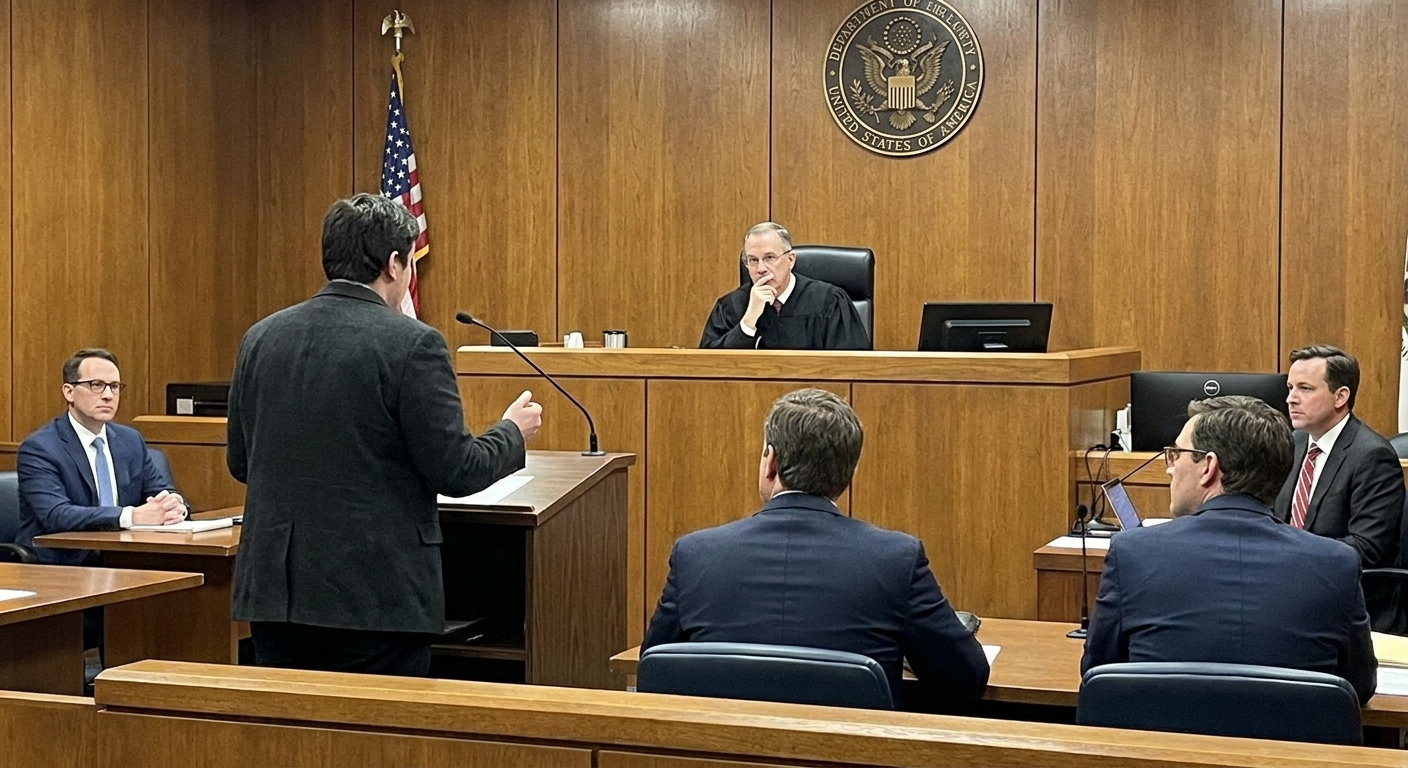
Federal sentencing hearings are structured, but they are not identical from courtroom to courtroom. Still, most follow a familiar rhythm.
1) The judge confirms the guideline calculation
The judge must determine the correct advisory guideline range. If there are unresolved objections to the PSR, the judge addresses them. Lawyers argue, and in contested cases witnesses may testify.
2) The parties argue for a specific sentence
The prosecution recommends a sentence, and the defense recommends a sentence. Sometimes there is a plea agreement that includes recommendations, but the judge is usually not bound by those recommendations.
3) Victims may be heard
Victims who wish to speak may do so, subject to the judge’s procedures and time limits.
4) The defendant has the right to speak
Before sentence is imposed, the judge will typically ask the defendant if they want to speak. This is the defendant’s right of allocution. It matters because it is one of the few moments when the system pauses to hear directly from the person being sentenced.
Judges vary in what they find persuasive, but allocution can influence whether the court sees remorse as real, whether rehabilitation looks credible, and whether a below-guidelines sentence is appropriate.
5) The judge applies the federal sentencing factors
After calculating the Guidelines, the judge turns to the broader legal framework in 18 U.S.C. § 3553(a). These factors include:
- the nature and circumstances of the offense
- the history and characteristics of the defendant
- the need for the sentence to reflect seriousness, deterrence, protection of the public, and rehabilitation
- avoiding unwarranted sentence disparities
- restitution to victims
This is where sentencing becomes more constitutional in spirit, even if not in a headline-grabbing Bill of Rights way. The Guidelines are about consistency. The sentencing factors are about justice in an individual case.
6) The sentence is announced
The judge states the sentence in open court. That can include:
- imprisonment
- supervised release (conditions after prison)
- fines and special assessments
- restitution
- recommendations (such as treatment, program placement, or facility type)
The judge often explains the reasons on the record. That explanation matters for transparency, and it matters if there is an appeal.
After sentencing
Once the judge imposes sentence, several things can happen next, depending on the case:
- Designation and surrender: Some defendants are remanded immediately; others are allowed to self-surrender later.
- Written judgment: The court enters a formal written judgment that controls the sentence and conditions.
- Appeal: Defendants may appeal, though many plea agreements include appeal waivers and appeals can be limited.
- Restitution administration: Payments and enforcement can continue for years.
What usually does not change is the central fact that the PSR becomes a lasting record. It can follow the defendant into the Bureau of Prisons classification and programming process and later into supervision. That is why accuracy matters, even when the immediate sentence seems set.
The constitutional backdrop
The Constitution does not contain a neat “sentencing clause.” But sentencing is where several constitutional principles collide in real life.
- Due process: the right to fair procedures when liberty is on the line
- Sixth Amendment: the right to counsel, which remains critical at sentencing
- Eighth Amendment: limits on cruel and unusual punishments, often argued in extreme sentences
Yet the most common experience of sentencing is not a dramatic constitutional showdown. It is a slower question: what does the system believe about the defendant, and what does it write down as fact?
That is the real power of the presentence investigation. It turns a case from an argument about guilt into an argument about meaning.
Quick takeaways
- The PSR is probation’s report to the judge and is often one of the most influential documents at sentencing.
- The probation interview covers offense facts and life history, and statements can have real sentencing consequences.
- The Sentencing Guidelines are advisory, but judges must calculate them correctly and treat them as the starting point.
- Guidelines “departures” and § 3553(a) “variances” are different tools that can both change the final sentence.
- Victims can submit statements and may speak at sentencing, including on restitution and impact.
- The defendant has a right to speak before sentence is imposed, and judges often take allocution seriously.