
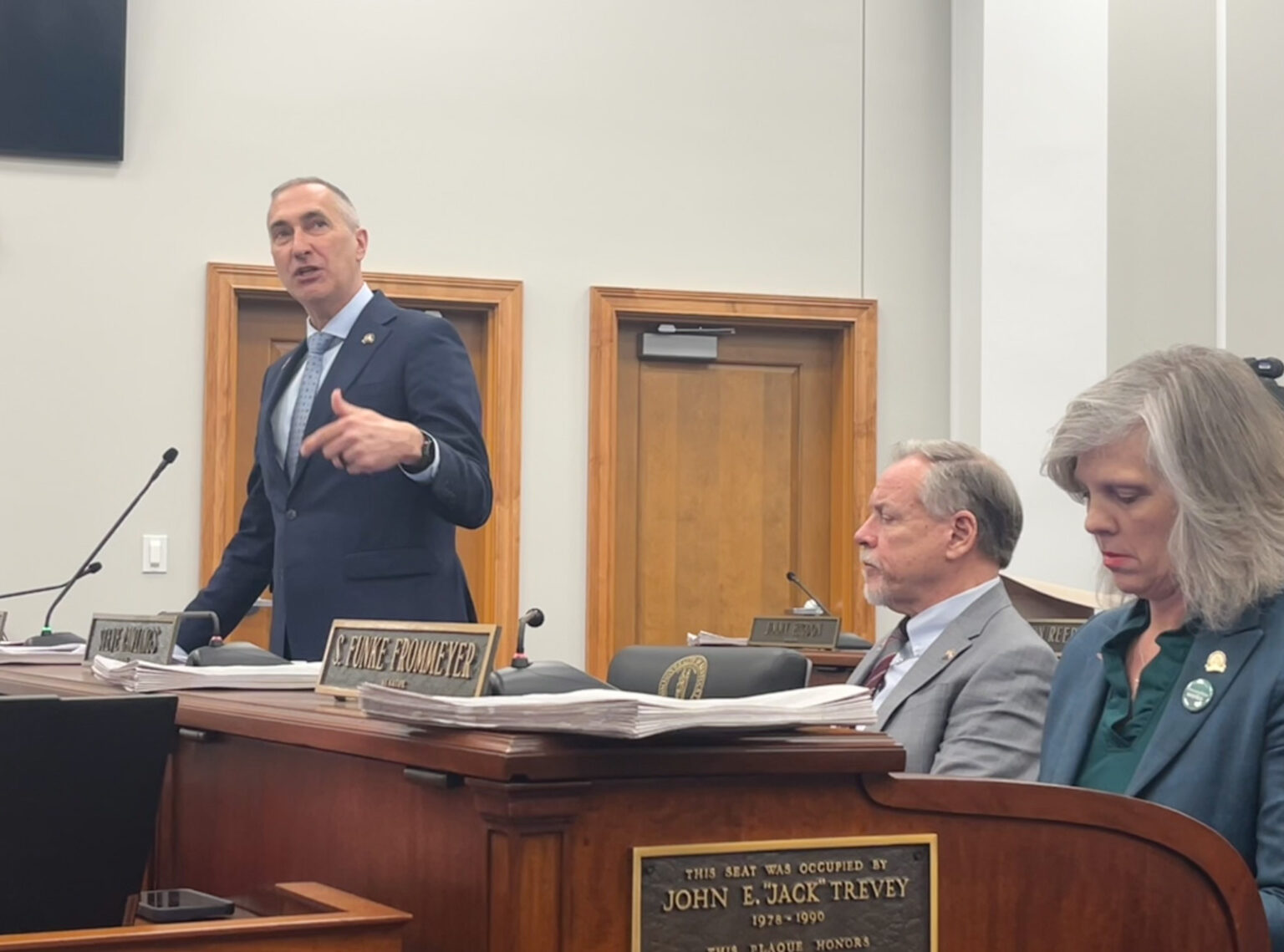
Kentucky is in the middle of a familiar American argument: who gets to set the rules when a national controversy lands on a statehouse desk?
This time the spark is HB 78, a bill the legislature passed and Gov. Andy Beshear vetoed on April 6, 2026. The National Association for Gun Rights is urging Kentucky lawmakers to override the veto.
The immediate dispute is about one bill. The larger dispute, depending on where you stand, is about how much public policy should be shaped through legislation versus litigation, especially when lawsuits target an industry that is already politically charged.
Join the Discussion
What HB 78 does
HB 78 is framed as the “Protection Lawful Commerce in Arms (PLCAA) Clarification Act of 2026”. That name points directly at the federal baseline: the Protection of Lawful Commerce in Arms Act, passed in 2005 and signed by President George W. Bush.
In plain English, HB 78 would establish state-level liability protections for manufacturers and sellers of firearms against specified legal actions arising from the criminal or unlawful use of firearms or ammunition that were legally made and legally sold.
It is not written as a blanket promise that gun companies can never be sued. Instead, it targets a particular kind of claim: efforts to hold a lawful manufacturer or seller responsible for what a third party later does unlawfully, including lawsuits centered on the criminal misuse of legally made and legally sold products.
Why the veto matters
When Americans argue about guns, we tend to jump straight to the Second Amendment. This fight also sits in the overlap of federal law, state courts, and tort claims.
Supporters of HB 78 describe it as a way to reinforce the 2005 federal protections inside Kentucky’s own statutes and courts. Backers argue that, if enacted, the bill could make Kentucky a less attractive place to bring certain categories of civil claims tied to third-party criminal misuse.
Critics of measures like this often see a different risk: that tightening liability rules can limit the ability of plaintiffs to test alleged wrongdoing in court. So the debate is not only about guns, but also about which institution should be doing more of the deciding.
State issue, outside push
Supporters of overriding the veto are not subtle about what they think is happening. Dudley Brown, president of the National Association for Gun Rights, put it bluntly: “By vetoing HB78, Kentucky Gov. Beshear must have gotten a call from Michael Bloomberg. It’s time to override him and protect the Second Amendment.”
Brown sharpened the point further: “Kentucky legislators need to decide if they represent the Bluegrass state, or New York. If they’re elected in Kentucky, they should override Beshear’s veto.”
More broadly, some observers note that high-profile state fights can attract attention and advocacy from beyond state lines. Whether that outside involvement is seen as healthy participation or unwanted pressure often depends on whose priorities are winning.
How supporters talk about costs
One argument commonly raised by supporters of bills like HB 78 is economic rather than constitutional. Even when a manufacturer or seller believes it has a strong legal defense, supporters argue that the process of litigation can still be expensive. Discovery, experts, and prolonged motion practice can add up, and repeated legal exposure can shape business decisions.
Supporters commonly argue that these costs could show up in the marketplace through:
- higher liability insurance premiums for manufacturers and retailers,
- higher compliance and legal overhead, and
- higher sticker prices for law-abiding consumers.
This is a general talking point in the wider debate over liability protections. It is not a claim about specific price changes stated in HB 78’s text. Still, it helps explain why a debate that sounds technical can turn into a high-stakes push for an override.
What an override would mean
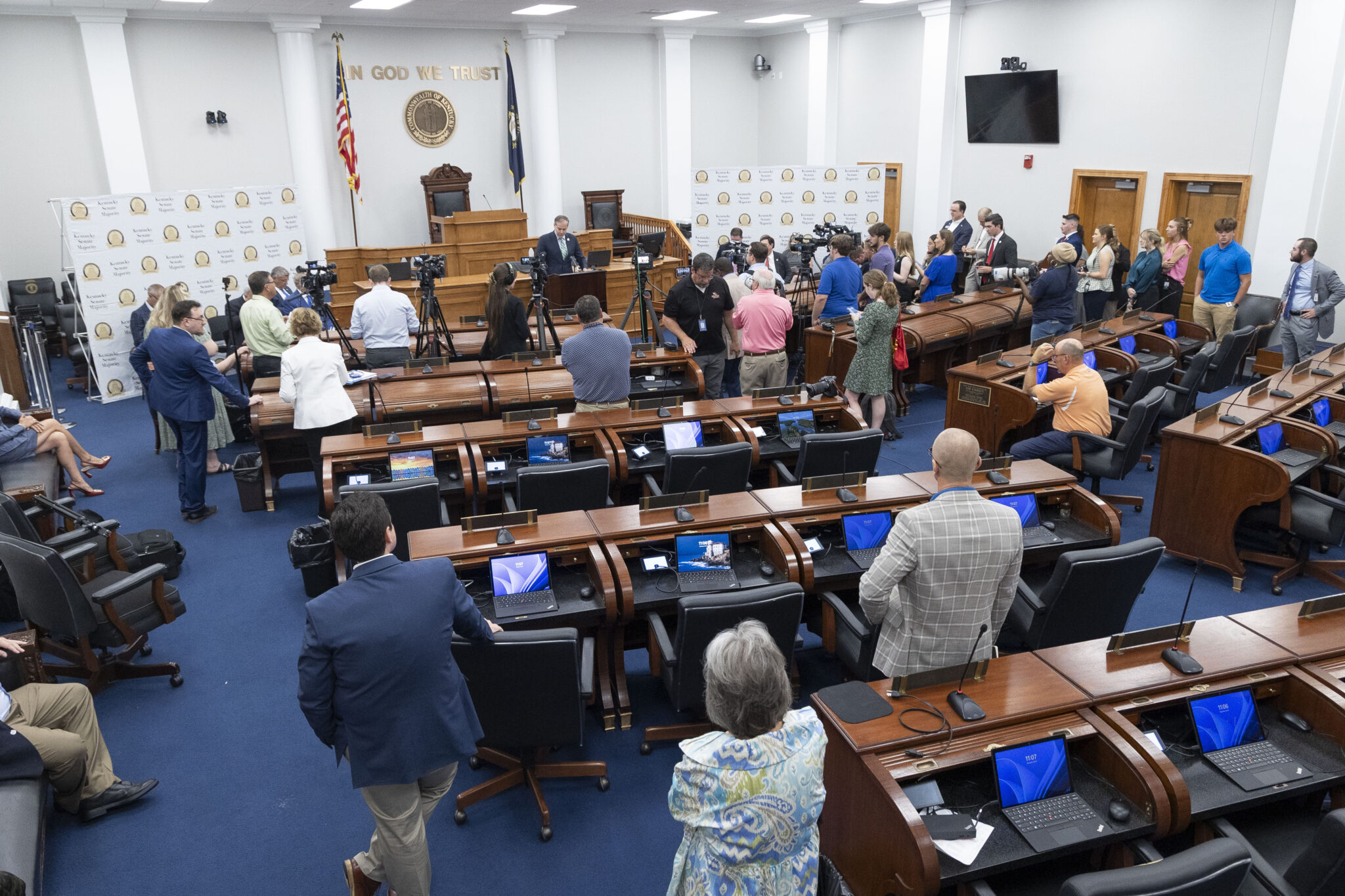
If lawmakers override the veto, Kentucky would be signaling that it wants tighter guardrails on specified legal actions of the kind described in HB 78, aligned with the bill’s stated goal of bolstering PLCAA-style protections at the state level. That would not automatically end all litigation involving firearms. Claims that fit within exceptions to federal protections, or claims based on distinct alleged wrongdoing, can still proceed where the law allows.
If the veto stands, the practical effect would be to leave current Kentucky law in place rather than adding HB 78’s state-level layer of PLCAA-style protections. Supporters of the bill could view that outcome as leaving more room for lawsuits that try to hold manufacturers and sellers financially responsible for third-party crimes.
Either way, the underlying governance question remains: how much policy should be made by juries and judges versus elected lawmakers?
Takeaway
HB 78 is a reminder that these fights are rarely only about one statute. They are also about which lever of power people trust more, and which one they suspect the other side is trying to use.
In Kentucky, that debate now runs straight through one concrete decision: whether lawmakers will override Gov. Beshear’s April 6, 2026 veto.