
Evanston, Illinois is preparing to send a new round of publicly funded reparations payments: $25,000 each to 44 residents. The city’s reparations committee has said the payments are meant to help cover housing expenses, and that additional recipients are lined up behind them as money becomes available.
For many Americans, “reparations” can sound like an abstract national debate. Evanston’s program is the opposite. It is local, specific, funded through local revenue streams, and administered through a municipal process that moves in batches rather than all at once.
Join the Discussion
What Evanston is doing
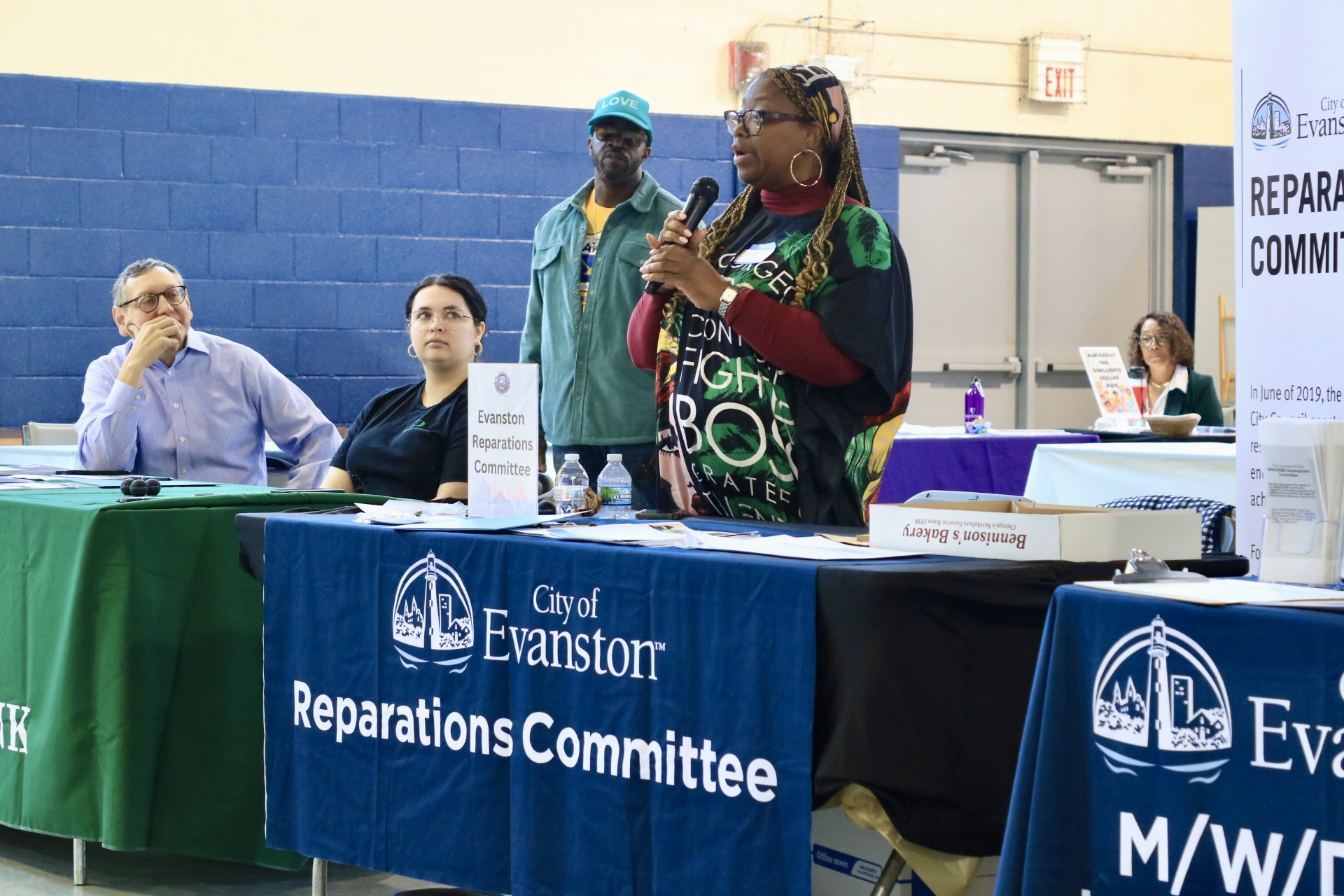
The Evanston Reparations Committee has announced that 44 payments will be issued on February 5, each for $25,000. The city has described these payments as support for housing-related costs.
The committee also identified which applicants are next in the queue. Those “next in line” have selection numbers 121 through 171, a detail that helps explain why the program does not move at the pace some people might expect. This is not a single lump sum appropriation that instantly pays every eligible person. It functions more like a funding pipeline.
Where the money comes from
Evanston’s reparations fund is supported primarily by two local revenue sources:
- A cannabis sales tax
- Real estate tax money
The city’s broader plan aims to distribute $10 million over a ten-year period. That timeline matters because it shapes everything else: when checks go out, how many people can be paid in a given round, and how officials explain delays.
How it started and why housing came first
Evanston took a notable step in 2019, when it became the first city in the United States to provide publicly funded reparations to Black Americans. The city has tied its planning process to a City Council resolution that affirmed a commitment to ending structural racism and pursuing racial equity.
The first program using these funds was approved in May 2021. That initial focus on housing is not accidental. Housing policy has long been one of the most concrete ways governments shaped wealth and opportunity, through practices such as exclusionary zoning, discriminatory lending patterns, and unequal access to stable homeownership. Evanston’s approach attempts to address harm in the very arena where many families feel it most directly: the cost of a place to live.
Why payments happen in batches
One of the most common points of confusion in any benefits program is timing. Evanston Council member Krissie Harris has stressed that the city pays recipients as funds accumulate, not because the city is trying to hold money back. As she put it: “It’s really important for people to understand we pay as we have the money, and it’s not that we’re withholding from paying everyone. It’s just we have to accumulate the funds to make sure we can pay.”
That explanation is simple, but it carries an important civic lesson: when a program relies on designated tax streams, the program’s speed will rise and fall with actual revenue. In practice, that can mean waiting, rounds of paperwork, and periodic announcements rather than a single dramatic moment.
The national backdrop
The United States has not adopted a nationwide reparations program for slavery. Even so, the broader conversation has continued for years, and a number of state and local governments have explored what reparations could look like in practice. Some jurisdictions have created task forces to examine options and to define who would qualify, what harms are being addressed, and what forms repair could take.
In Evanston, a 2023 advisory committee report outlined multiple approaches, including ideas beyond a single payment. Those options included proposals aimed at supplementing the income of lower-income African American households, expanding access to financial education, and financing a debt-forgiveness program, alongside the lump-sum model.
These debates are also unfolding at a politically sensitive moment, as President Donald Trump has been dismantling diversity, equity and inclusion programs across the federal government.
The legal question
Whenever government benefits are tied to race, constitutional scrutiny is never far behind. Evanston’s program has drawn legal opposition on that exact point. A lawsuit filed last year by Judicial Watch challenges the program’s use of race as an eligibility requirement, arguing it violates the 14th Amendment.
At the heart of the issue is a familiar tension in American constitutional law. The Equal Protection Clause is often understood as a limit on government decision-making that sorts people by race. At the same time, governments have sometimes defended race-conscious remedies as necessary to address documented, persistent discrimination. In court, programs like these often face heightened scrutiny.
In plain English: Evanston is trying to build a remedy for race-based harm. The legal challenge argues that using race to define who receives the remedy is itself unconstitutional.
What happens next
The city expects to send notification letters within the next two weeks, and residents have been encouraged to get their paperwork ready. The reparations committee also has meetings scheduled for March and April, which could clarify next steps for future rounds of payments.
For readers watching from outside Illinois, the key takeaway is not just the size of the check. It is the structure: Evanston has created a funding stream, a queue, and an administrative process that turns a national argument into a set of local decisions. That inevitably brings local politics and constitutional law into the same room, because in the United States, big questions about equality often arrive first through small, concrete programs.