
Constitutional Topics
Browse articles in Constitutional Topics on U.S. Constitution

Citibank Directed by Trump Officials to Suspend Biden’s $20 Billion Climate Initiative Pending Probe
Citibank finds itself embroiled in a high-stakes saga involving a $20 billion climate fund from the Greenhouse Gas Reduction Fund, an initiative sparked by the Biden administration’s 2022 Inflation Reduction Act. The Trump administration recently ordered Citibank to freeze these funds, citing...
Read more →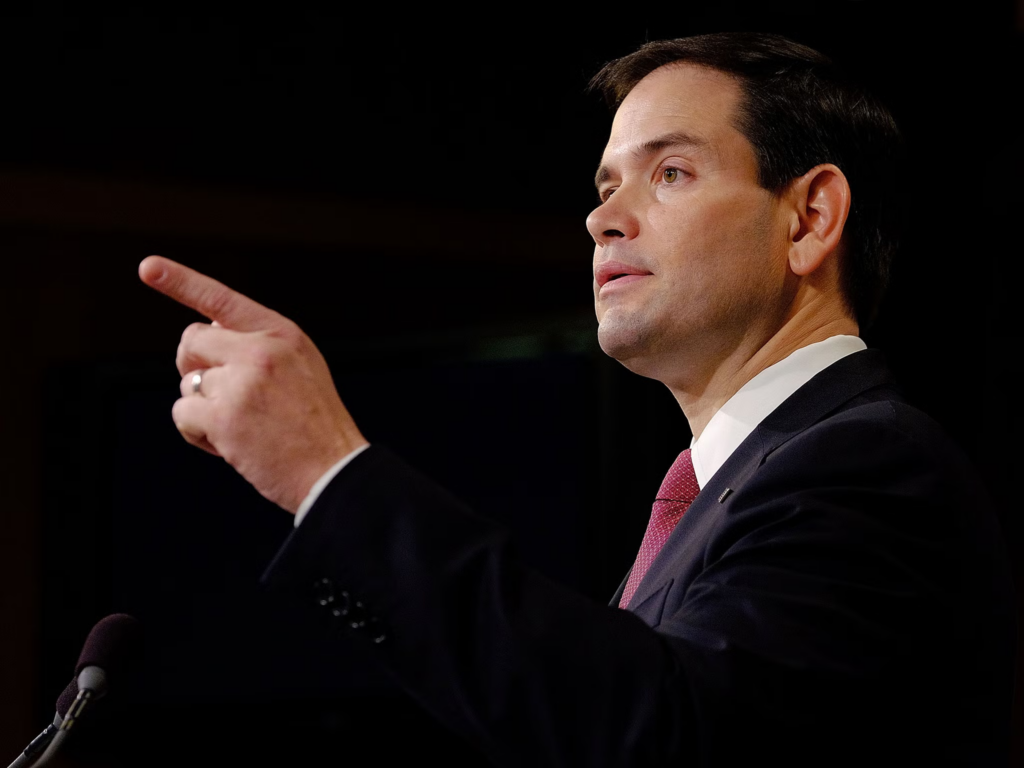
Rubio Targets ‘anti-semitic and pro-terrorist’ Visa Holders
Secretary of State Marco Rubio has adopted a stringent approach to visa policies, targeting individuals involved in what he terms anti-Semitic and pro-terrorist activities. Rubio emphasized that foreign nationals openly supporting Hamas, a U.S.-designated terrorist group, have no claim to remain...
Read more →
Trump’s Firing Deemed Unlawful, Judge Reinstates Labor Board Member
Judge Beryl Howell from the DC District Court has made headlines by reinstating Gwynne Wilcox to the National Labor Relations Board (NLRB). This decision serves as a reminder of the constitutional principles that guide our nation’s governance. Wilcox’s removal by President Donald Trump was...
Read more →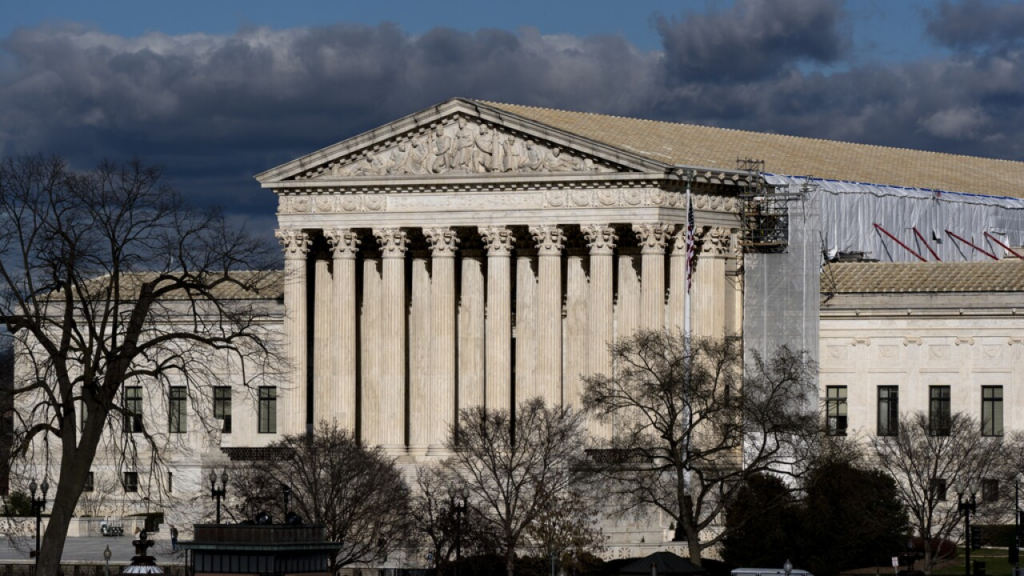
Trump asks Supreme Court for Birthright Citizenship Restrictions
President Trump’s executive order aims to restrict the Fourteenth Amendment’s broad birthright citizenship. It targets children born in the U.S. to parents without permanent legal status. This action has prompted numerous legal challenges, arguing that Trump’s interpretation conflicts with...
Read more →Constitution’s First Day: March 4, 1789
On March 4, 1789, the United States government began operating under the U.S. Constitution, marking the end of the Confederation Congress that had governed under the Articles of Confederation. Despite this significant change, only 22 of the expected 81 members arrived at New York City's Federal...
Read more →Are (Today’s) Tariffs Constitutional?
From the earliest days of the republic to modern trade wars, tariffs have shaped the very balance of power between Congress and the presidency. What began as a clear constitutional mandate for Congress under Article I, Section 8 has shifted dramatically over time, as presidents have claimed...
Read more →Trump’s Affirmative Action Order
The 14th Amendment, ratified in 1868 after the Civil War, aimed to extend equal protection under the law to all citizens, regardless of background. It marked a significant step in ensuring constitutional rights for those previously enslaved. The Slaughterhouse Cases of 1873 initially limited the...
Read more →Article II, Clause 1: What Exactly The Constitution Says About Presidential Executive Power
“The executive power shall be vested in a President of the United States of America.” This sentence in Article II, Section 1, Clause 1 of the U.S. Constitution has sparked numerous debates. The clause was designed to create a single executive, addressing concerns that fragmented leadership...
Read more →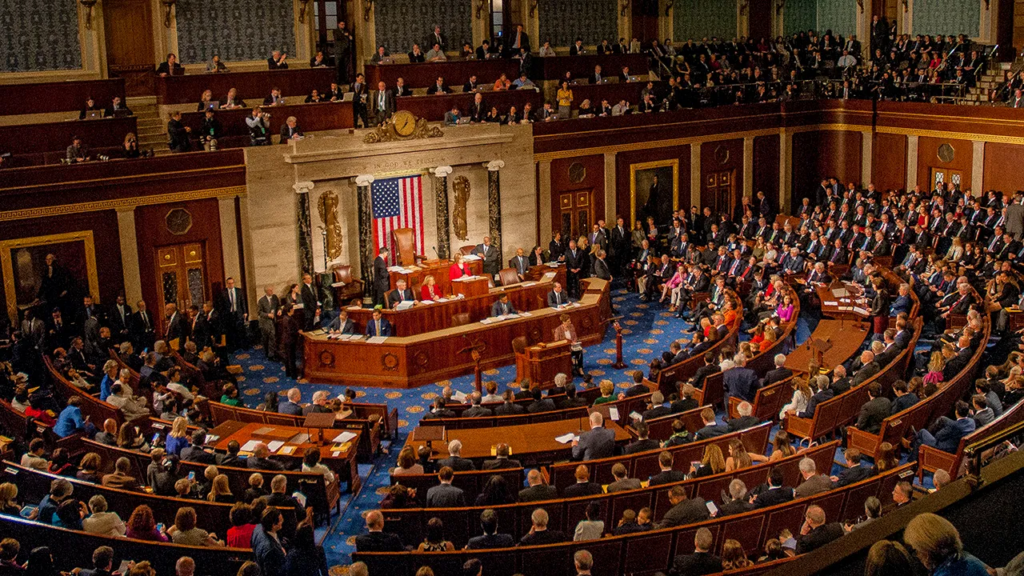
What Happens if Congress and the President Disagree on War?
The U.S. Constitution establishes the framework for war powers in Articles I and II. Congress has the power to declare war, as stated in Article I, Section 8. This ensures major military escalations receive broad deliberation. The President, as Commander in Chief (Article II, Section 2), leads...
Read more →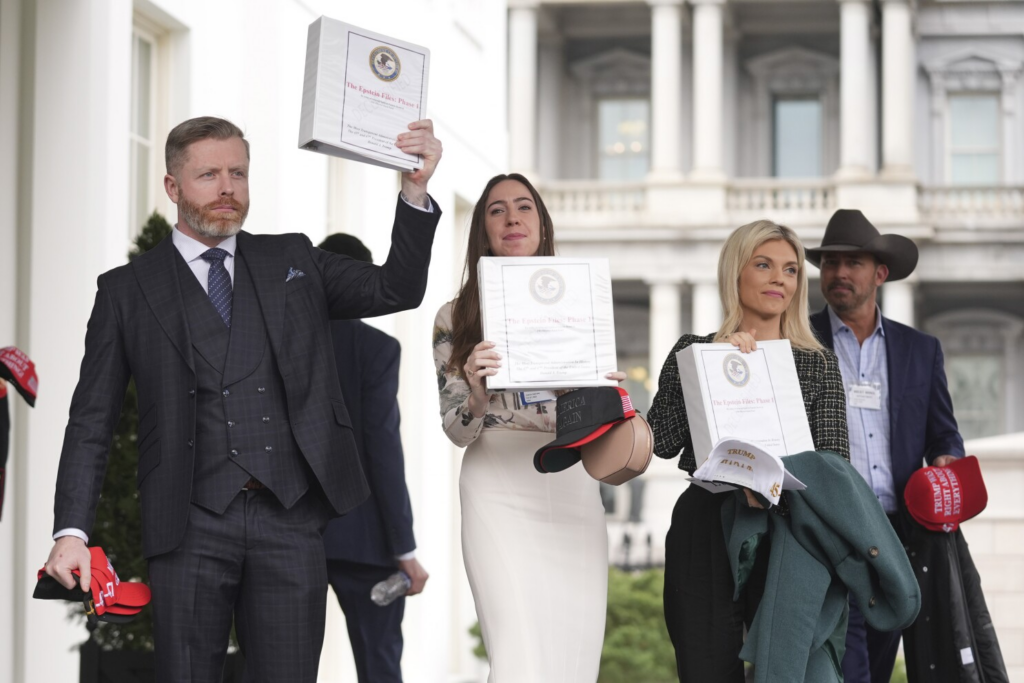
Who Gets to See Classified Docs First
The release of classified documents to individuals before Congress or the public is complex and uncommon. Precedents generally allow classified material to be withheld from public release to protect national security, with congressional oversight providing a legal avenue for review. The Epstein...
Read more →
6 Times Progressives Defied Presidential Power
The judiciary was designed to be impartial, yet history has shown that some judges have pushed beyond their constitutional role, injecting politics into the bench. Now, as impeachment proceedings against judges gain momentum, the question arises: Are these necessary checks on judicial overreach, or...
Read more →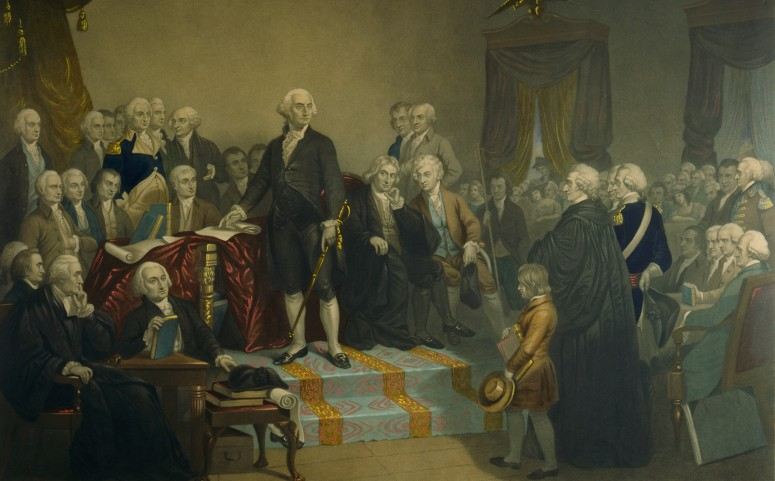
Hamilton vs. Jefferson: The Cabinet Meeting That Started It All
George Washington established the Cabinet in 1789, relying on his judgment to assemble a group of advisors to shape America’s path. Alexander Hamilton joined as Secretary of the Treasury, Thomas Jefferson as Secretary of State, and Henry Knox as Secretary of War. Edmund Randolph served as...
Read more →
Does Rising Crime Warrant Federal Control Over D.C.?
President Donald Trump envisions a federal takeover of Washington, D.C. to address crime and leadership issues. He proposes leveraging D.C.’s unique constitutional status to allow federal governance of the District. Trump argues this approach could tackle: Crime Graffiti Homelessness These...
Read more →55% of Voters Agree with Unconditional Birthright Citizenship
The Harris Poll reveals a prevailing belief among Americans regarding birthright citizenship. 63% believe the Constitution mandates citizenship for anyone born in the United States , including children of illegal immigrants. This view is rooted in the 14th Amendment’s wording. Support varies...
Read more →
Is Congress Losing Its Power of the Purse to Trump’s Budget Demands?
President Donald Trump has endorsed a House budget plan that aims to increase funding for: Border security The judiciary National defense These goals align closely with his agenda. The plan proposes cutting at least $1.5 trillion in other areas. House Republicans are eager to push it through, but...
Read more →
Is It Constitutional for the U.S. to Demand Repayment from a War-Torn Ally?
The Constitution allocates power between branches of government for foreign aid and international agreements. Congress has primary authority to regulate foreign commerce, while the President negotiates treaties subject to Senate ratification. This system of checks and balances ensures neither...
Read more →
Mangione Case: Defense Challenges Unconstitutional Practices
Luigi Mangione’s legal proceedings have taken a contentious turn as his defense attorney, Karen Friedman Agnifilo, raises significant concerns over potential constitutional rights violations during evidence collection. The core of her argument centers on search and seizure issues that emerged...
Read more →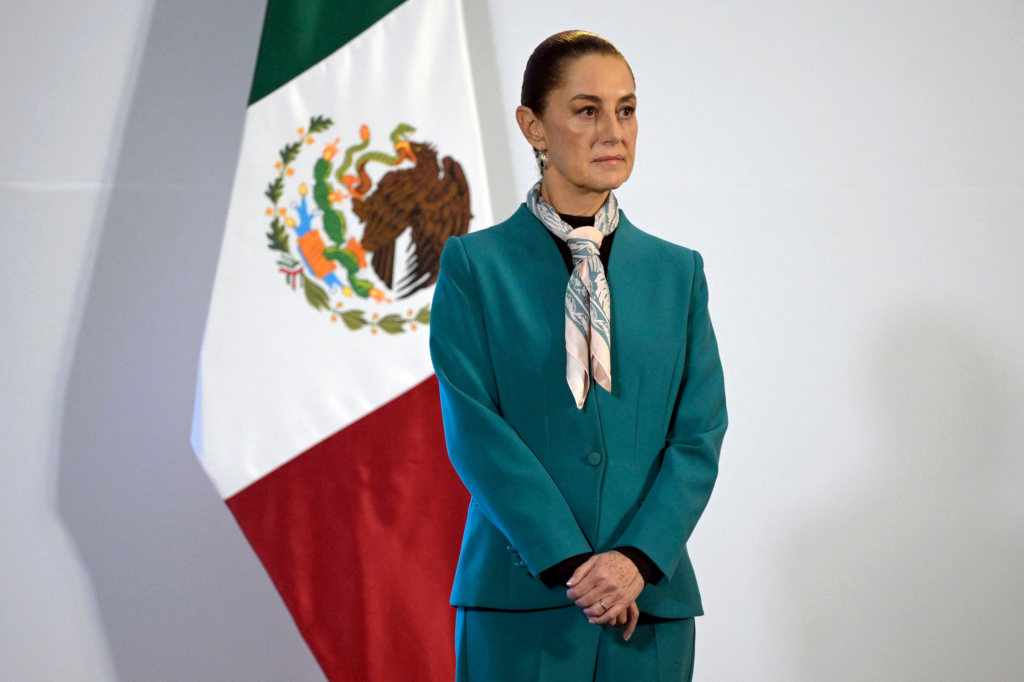
Can the US Call Cartels Terrorists Without Violating Sovereignty?
Mexican President Claudia Sheinbaum’s response to the United States describing cartels as terrorist groups highlights important legal and political issues. Sheinbaum opposed external interference , citing Mexico’s refusal to allow foreign agents free rein. This underscores a key constitutional...
Read more →Can the U.S. Legally Exit the United Nations?
The U.S. Constitution doesn’t directly address withdrawal from international organizations like the UN. It grants treaty-making powers to the President, with Senate approval required. The process of leaving such treaties or commitments is less clear. Historical precedents show varied approaches...
Read more →Senate’s Crucial Role in Confirming Director Roles
The Senate's duty to advise and consent on presidential nominations is a key feature of our constitutional republic. This process helps maintain the independence necessary for upholding the law, especially for positions like FBI Director. During confirmation hearings, Senators examine nominees'...
Read more →