
Constitutional Topics
Browse articles in Constitutional Topics on U.S. Constitution
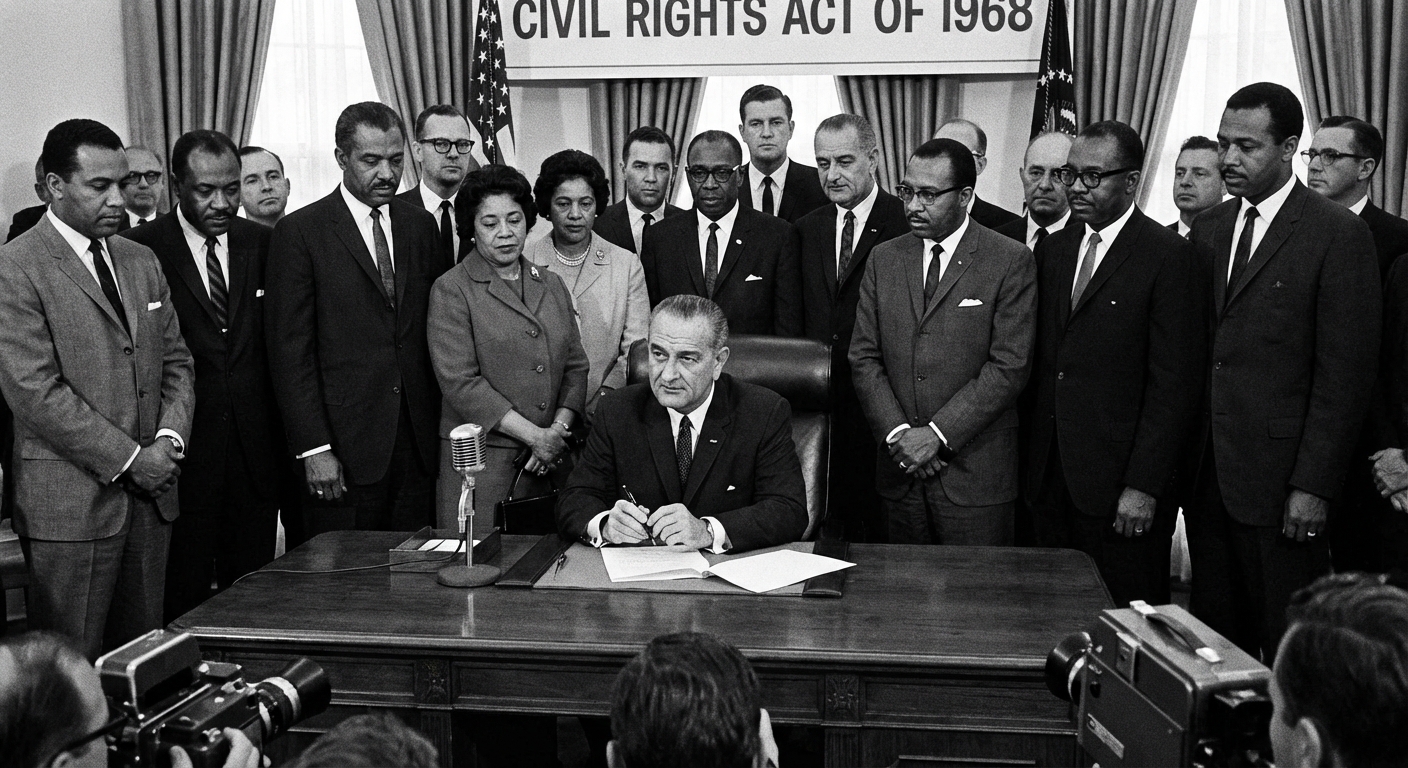
1968 Civil Rights Act Signed
April 11, 1968, marked a pivotal moment in American history with the signing of the Civil Rights Act of 1968 , also known as the Fair Housing Act, by President Lyndon B. Johnson. This legislative milestone came just a week after Martin Luther King Jr.'s assassination, which acted as a catalyst for...
Read more →
What It Means When Democrats Vote Like Republicans
In 2025, American politics resembles a battlefield more than a republic, with key figures like Jared Golden marking new paths by crossing party lines. Golden supported the SAVE Act, which demands proof of citizenship before voting—a move he defends as necessary to prevent fraud. Critics argue it...
Read more →
Can Congress Regain Tariff Power?
The U.S. Constitution designates Congress as the primary authority over tariffs. Article I, Section 8 endows Congress with the power to "lay and collect Taxes, Duties, Imposts and Excises," and to "regulate Commerce with foreign Nations." These words cement Congress's central role in shaping...
Read more →
Presidential Authority on the Brink: Will the Court Rewrite the Rules?
The recent legal developments concerning President Trump’s dismissals of Gwynne Wilcox from the National Labor Relations Board and Cathy Harris from the Merit Systems Protection Board have significant implications. A federal appeals court’s en banc 7-4 decision to reinstate these members,...
Read more →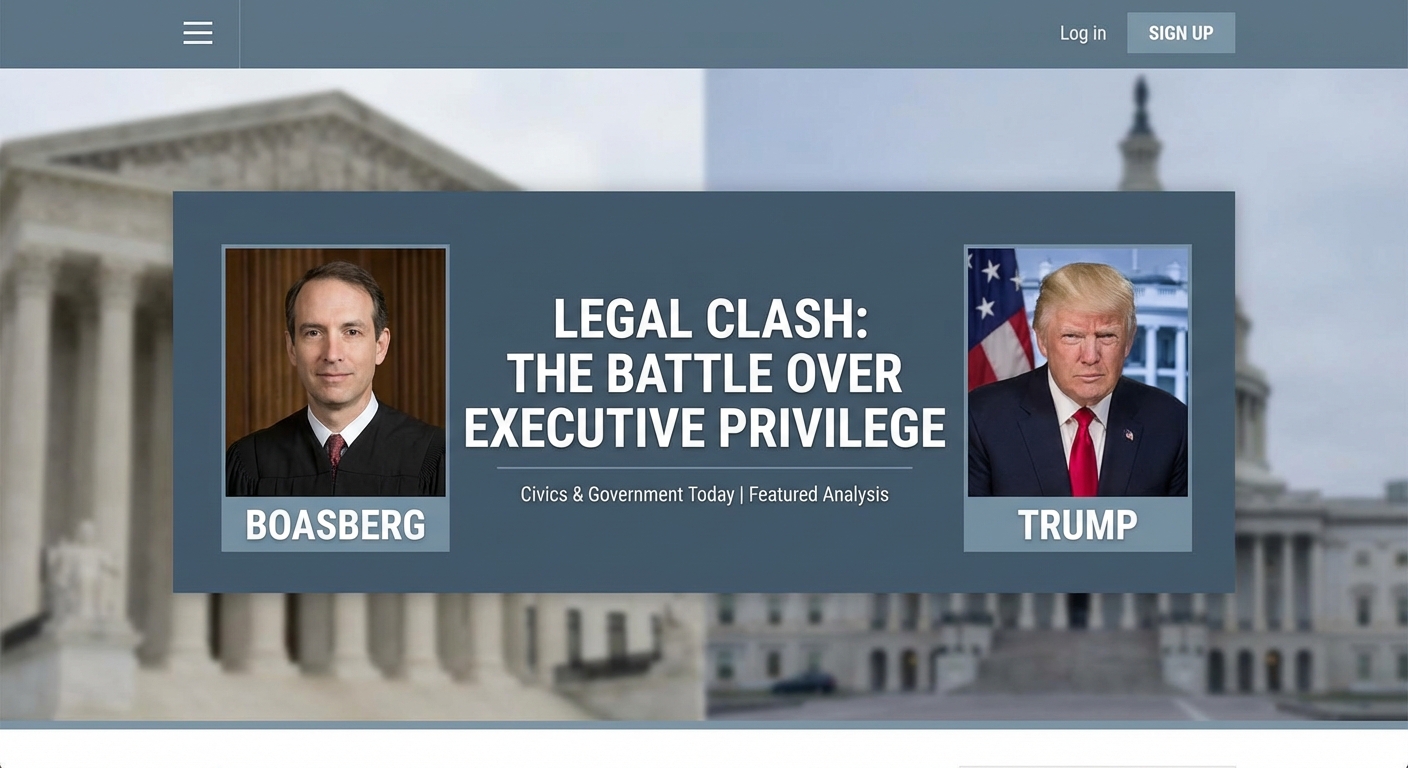
A True Battle Between Judiciary & Executive: Trump’s Rebellion Intensifies
Judge James Boasberg finds himself at the center of a legal showdown with the Trump administration over deportations under the Alien Enemies Act. In a recent hearing, Boasberg pointed out potential rule-breaking as two planes carrying alleged Venezuelan gang members were sent to El Salvador despite...
Read more →
Maine Faces Legal Consequences for Defying Transgender Athlete Policy
Maine finds itself in a heated conflict with the Trump administration over its approach to transgender participation in girls’ sports. The issue centers on Title IX enforcement —a federal civil rights law prohibiting sex-based discrimination in education. Maine has allowed transgender girls to...
Read more →
Presidential Pardon for Dark Web’s Most Infamous Kingpin
When the dark web’s most infamous kingpin walks free at the hands of a U.S. president, the world takes notice. Ulbricht, the mastermind behind Silk Road , envisioned a decentralized, anonymous marketplace rooted in libertarian ideals and enabled by emerging technologies like Tor and Bitcoin. But...
Read more →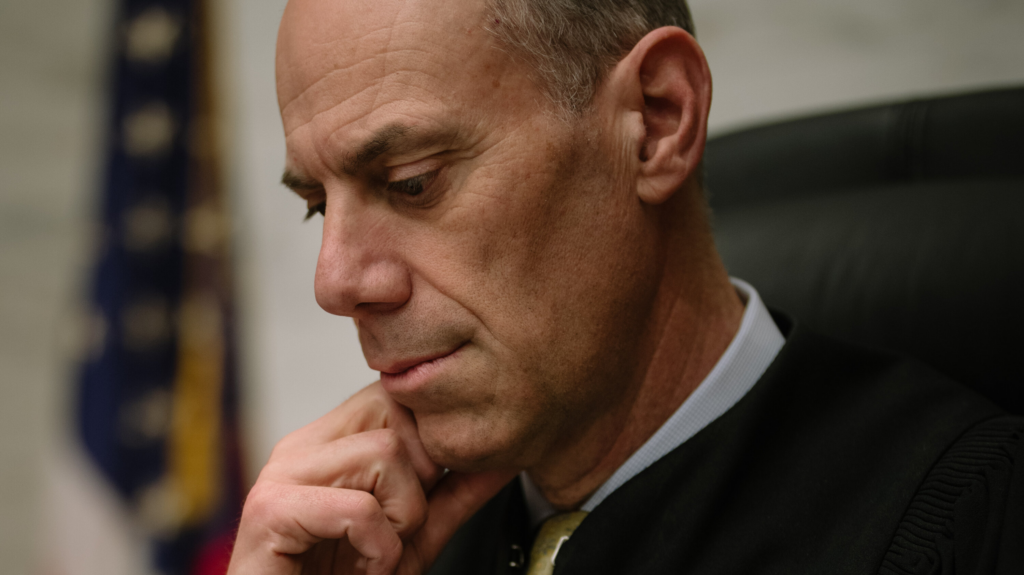
Boasberg Considers Contempt of Court
U.S. District Judge James Boasberg closely examined the Trump administration’s handling of deportations under the 1798 Alien Enemies Act. This scrutiny arose from the administration’s apparent disregard of a court order halting deportations of Venezuelan nationals. Boasberg focused on the March...
Read more →
Are we watching the slow dismantling of federal healthcare guarantees?
The Supreme Court’s deliberations on the Medicaid Act’s “qualified provider” definition have sparked debate over states’ ability to block Medicaid funds from Planned Parenthood. This issue centers on interpreting the Act’s guarantee of patient choice in healthcare providers. The...
Read more →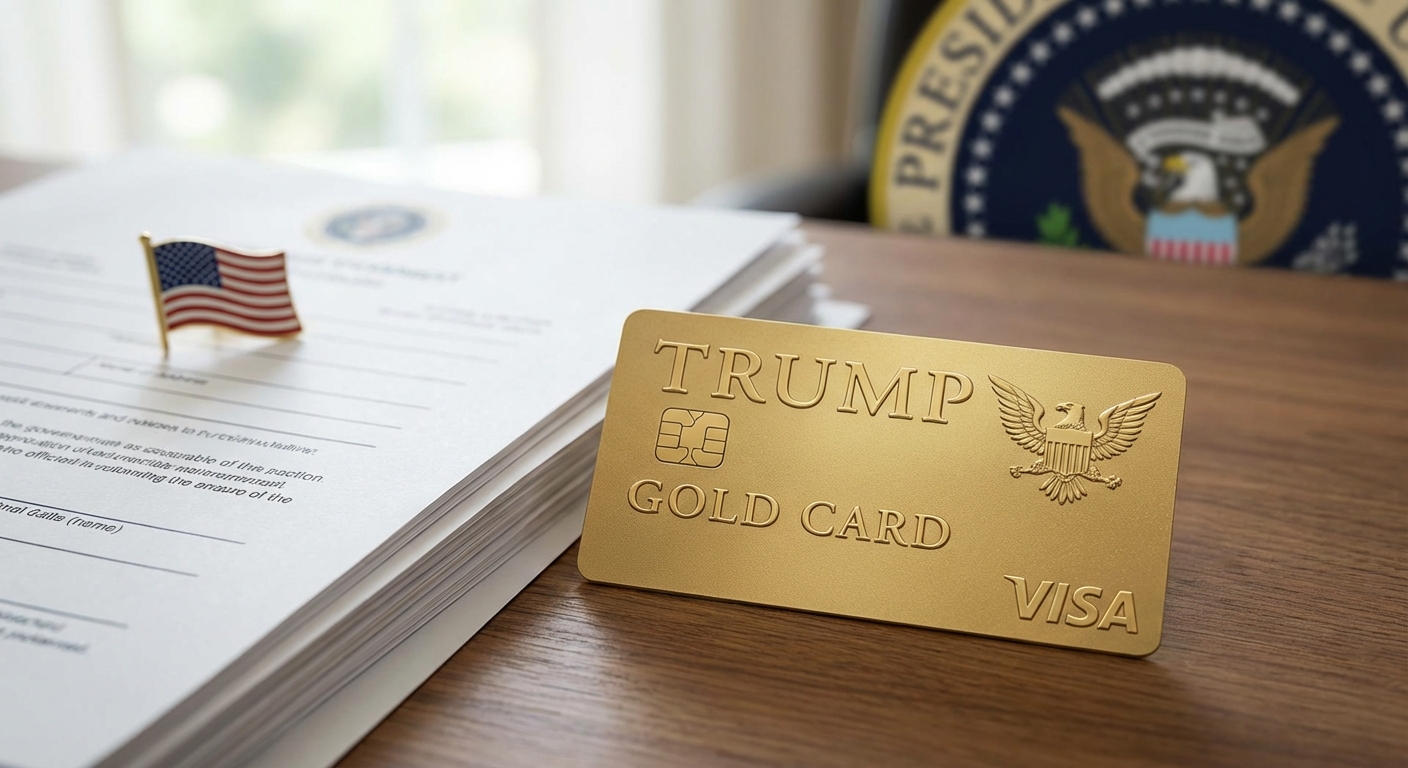
Trump’s Gold Card Visa
President Trump's "gold card" proposal suggests a streamlined path to U.S. citizenship for wealthy investors. Unlike the current EB-5 Visa, which requires substantial investment leading to job creation, the gold card offers a simpler option — a $5 million payment without the need to demonstrate...
Read more →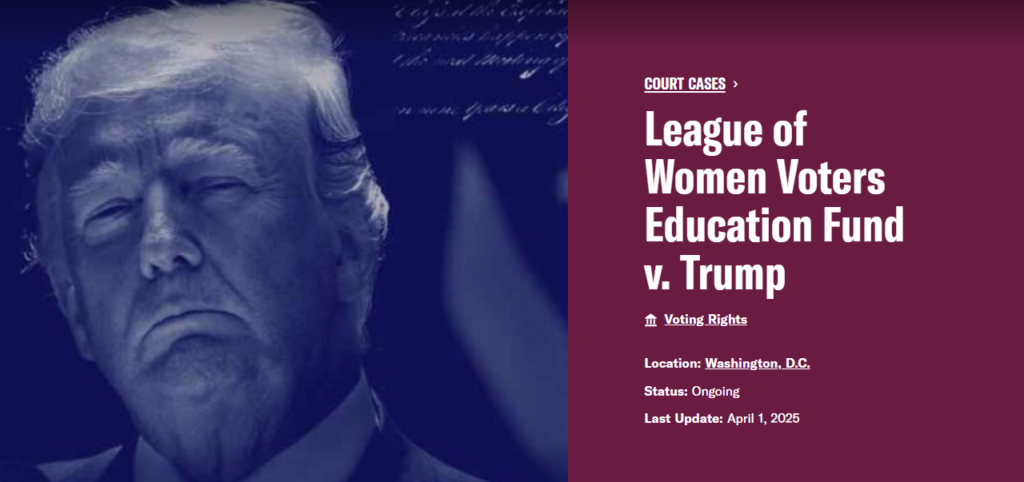
Constitutional Basis for Trump’s Voter Order Lawsuit
In the United States, the Constitution establishes the foundation for our republic. It clearly defines the powers of Congress and the states to regulate elections, intentionally excluding the President from this authority. This division ensures protection against executive overreach. A recent...
Read more →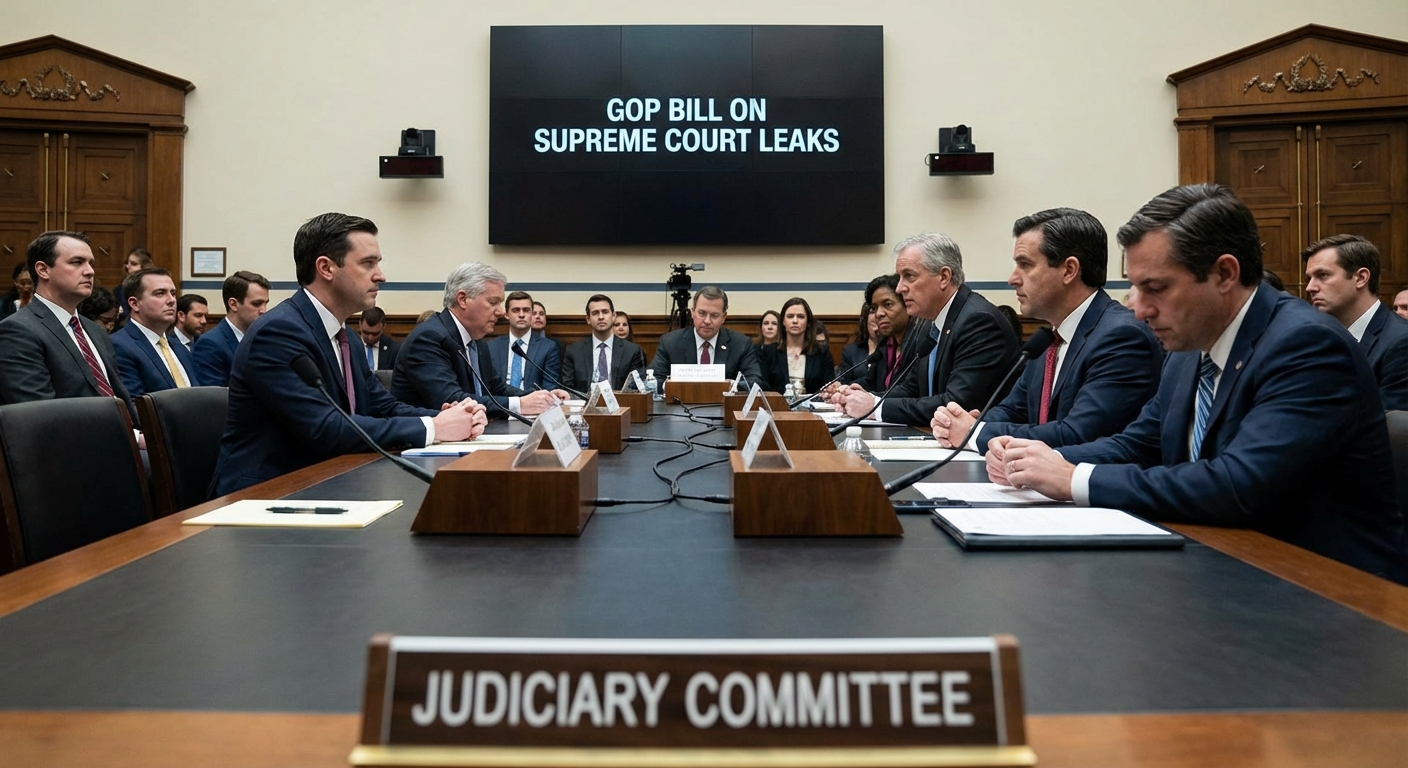
Republican Bill Targes Supreme Court Leaks
Supreme Court leaks have become a contentious issue. The 2022 leak of the Dobbs decision draft opinion marked a significant change, exposing the court’s position on a major abortion case. It ignited protests outside the homes of conservative justices, highlighting potential risks of such...
Read more →
Did Trump Find a Loophole to Extend His Presidency?
The 22nd Amendment, ratified in 1951, restricts presidents from being elected beyond two terms. This rule was inspired by Franklin D. Roosevelt’s unprecedented four terms as president. While the amendment seems straightforward, some legal scholars have identified a potential loophole. Consider...
Read more →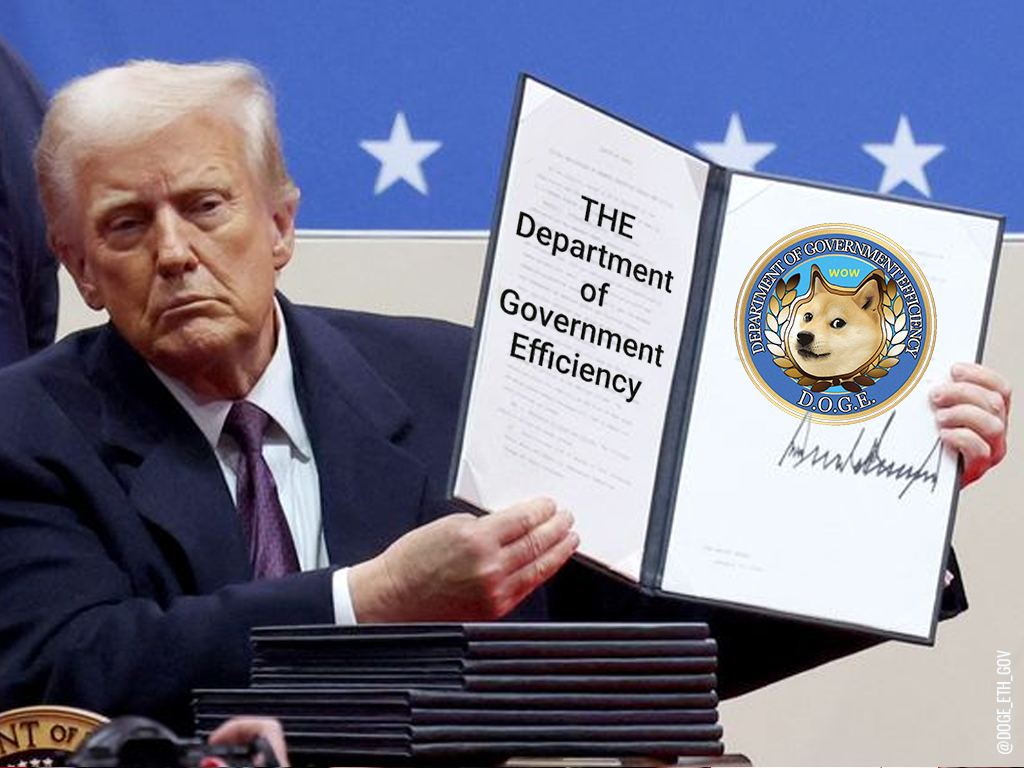
Is DOGE a Government Agency?
DOGE, created by President Trump, operates within the U.S. Digital Service (USDS) to streamline government functions. However, its status as a legitimate government agency remains unclear. DOGE’s unconventional structure and operations raise questions about its true position within the federal...
Read more →
High Profile First Amendment Case: Supreme Court to Side with Religious Groups
The Supreme Court appears ready to side with Catholic Charities in a crucial First Amendment case, potentially expanding tax exemptions for religiously affiliated groups. Justices, including liberals, expressed concern over Wisconsin’s approach of categorizing religious groups based on their...
Read more →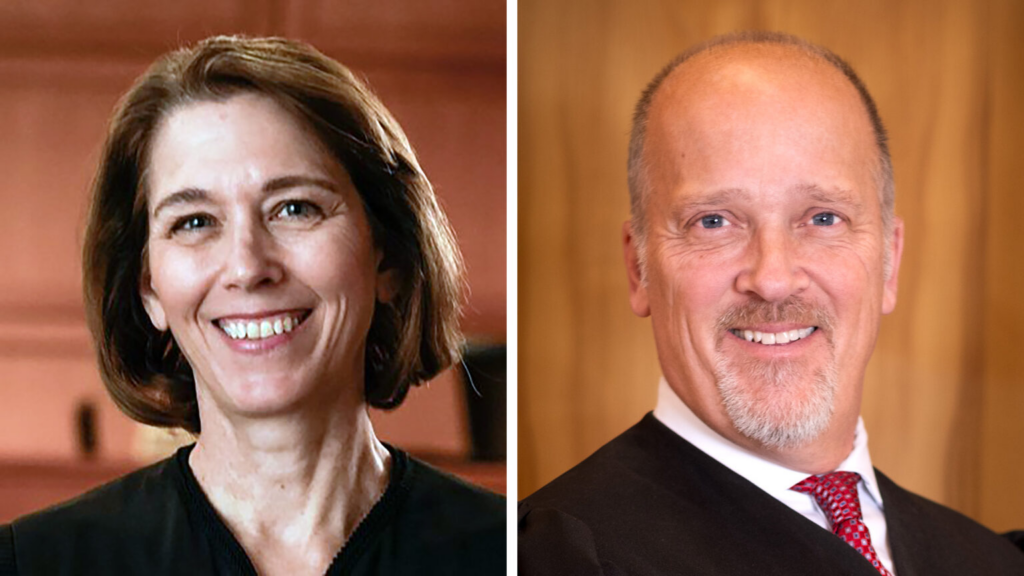
Why The Wisconsin Supreme Court Election Is So Important
The Wisconsin Supreme Court election on April 1 holds significant importance for the state and potentially the nation. This contest between Judge Brad Schimel and Judge Susan Crawford could determine the court’s ideological balance for years to come. Schimel, supported by Donald Trump, advocates...
Read more →
Legality of Tufts Student’s ICE Detention
The detention of Rümeysa Öztürk, a PhD student at Tufts, has ignited a debate on constitutional rights and immigration enforcement. Öztürk was apprehended by ICE officers in Boston and transferred to a detention center in Louisiana, allegedly due to an expired visa. Her legal team, backed by...
Read more →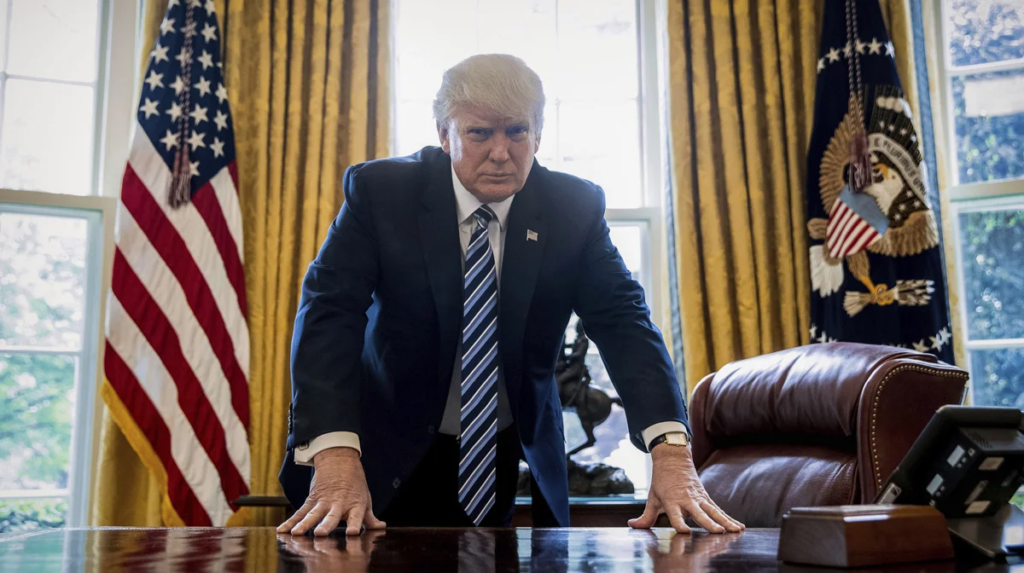
Trump Serious About Third Presidential Term
President Donald Trump recently declared he’s “not joking” about seeking a third term, hinting at potential ways to circumvent the constitutional limit. In an NBC News interview, Trump alluded to the possibility of Vice President JD Vance running and later transferring the presidency, though...
Read more →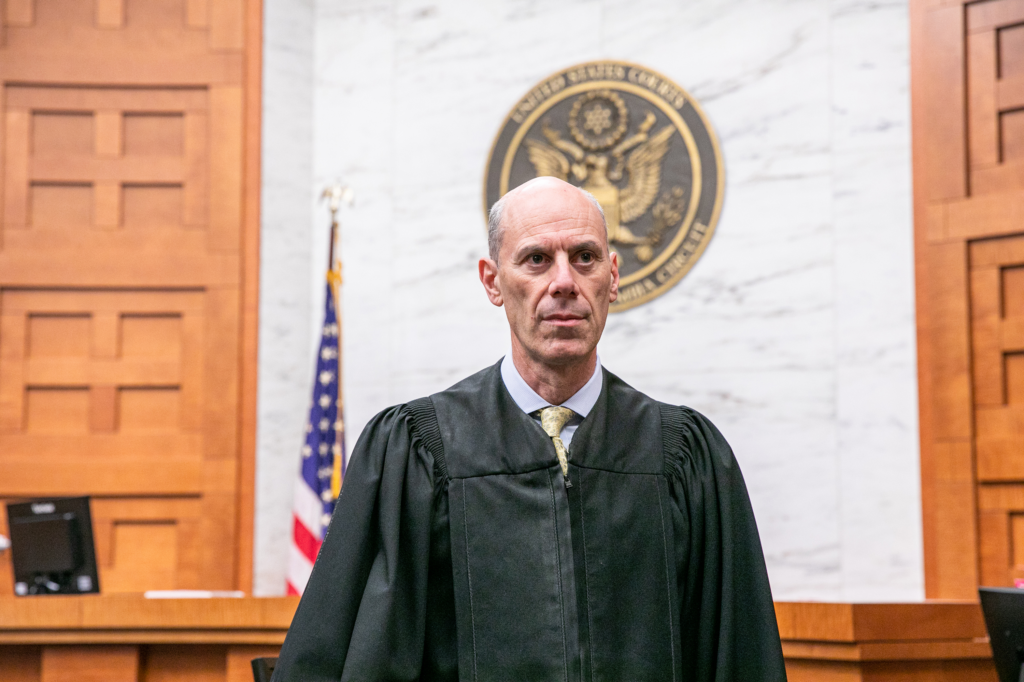
What To Know About Judge Boasberg And His Pre-Trump Cases
Judge James “Jeb” Boasberg found himself at the center of a political storm when he presided over a case concerning the deportation of suspected Venezuelan gang members. This triggered a showdown with President Trump’s administration, which had taken steps to deport these men to El...
Read more →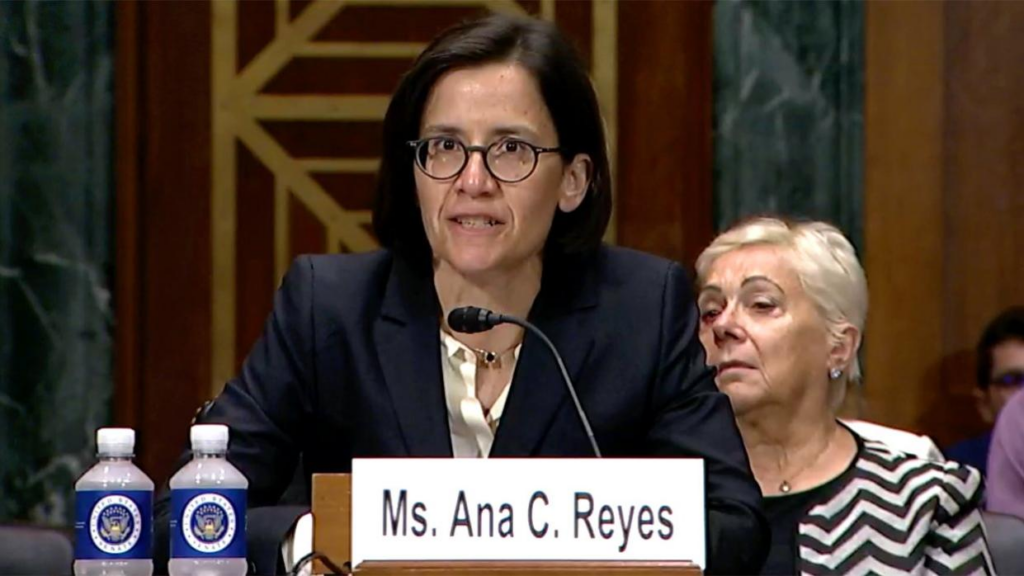
Judge Doesn’t Agree That Watchdog Firings Were Unconstitutional
Judge Ana Reyes faces a complex decision regarding the dismissal of eight inspectors general by President Donald Trump. While their terminations may not fully comply with legal requirements, reinstating them poses significant challenges. Judge Reyes expressed doubt about returning the inspectors to...
Read more →