
Constitutional Topics
Browse articles in Constitutional Topics on U.S. Constitution

Qualified Immunity
Qualified immunity is one of those legal phrases that sounds like a technical footnote until you realize it can decide whether a person ever gets their day in court. It comes up most often in lawsuits against police officers, but it applies more broadly to many government officials. When qualified...
Read more →
What Is the Filibuster and How Does It Work?
The filibuster is one of those Washington words that sounds like a dusty procedural relic until it suddenly becomes the main character of American lawmaking. When the Senate “filibusters” a bill or nomination, what is really happening is simple: a minority of senators is using the Senate’s...
Read more →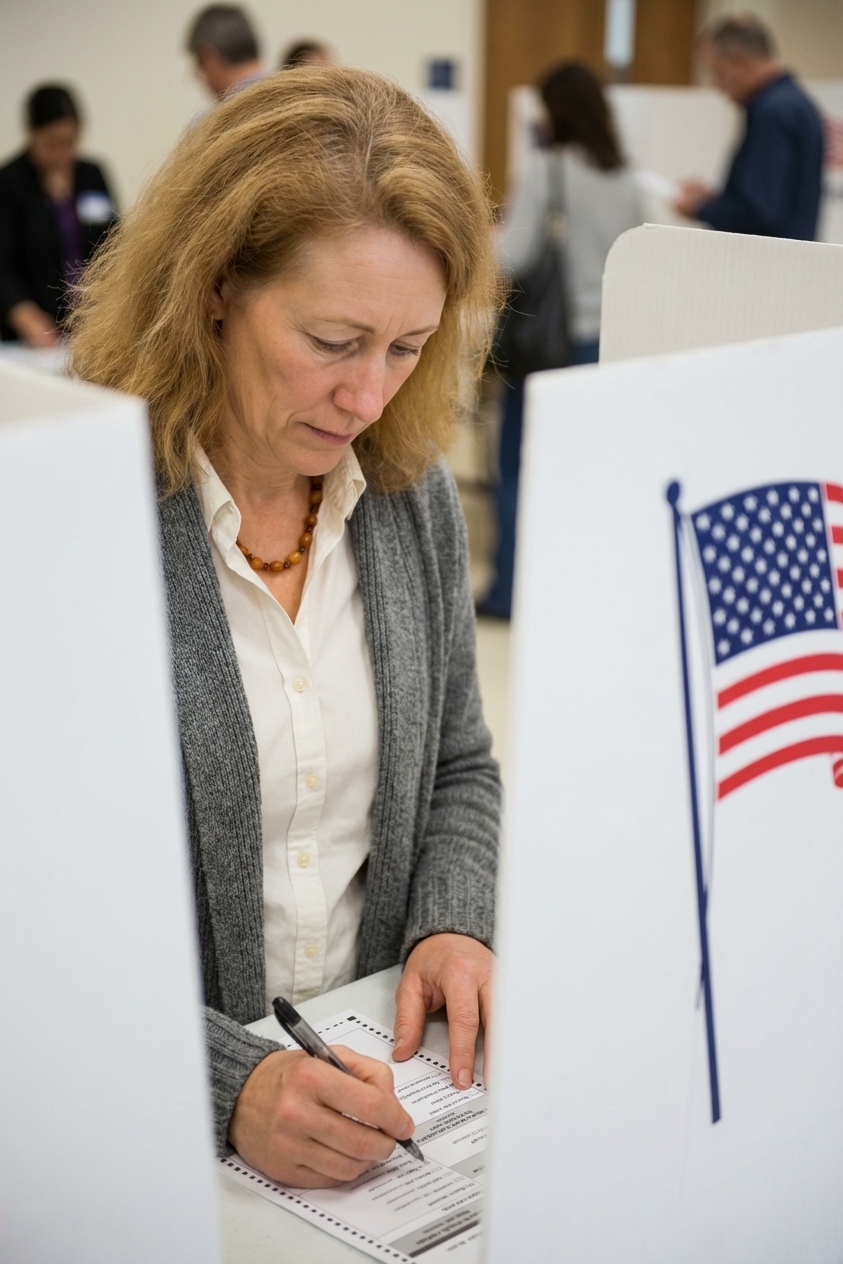
Can a Person With a Felony Conviction Vote? Voting Rights by State
“Can a person with a felony conviction vote?” sounds like it should have one national answer. It does not. In the United States, voting rights after a felony conviction are mostly a state policy choice, and the differences are dramatic. In some states, you can vote even while incarcerated. In...
Read more →
Civil Asset Forfeiture Explained
Civil asset forfeiture is one of those government powers that sounds like a plot device until it happens to you. A traffic stop. A search. A dog alert. A wad of cash in the glove compartment. Then the officer says the words that change the entire posture of the encounter: the property is being...
Read more →
Separation of Powers: The Three Branches Explained
Most Americans can name the three branches of government. Fewer can explain what each one actually does without slipping into civics class shorthand like “Congress makes laws” and “the President enforces them.” That shorthand is not wrong. It is just incomplete. The Constitution does not...
Read more →
Jury Nullification: Can a Jury Legally Ignore the Law?
Every criminal trial ends with the same ritual: the judge explains the law, the jury “finds the facts,” and everyone pretends those roles never overlap. Then a jury walks into the deliberation room and does something the system is built to discourage, but cannot completely prevent: it refuses...
Read more →
Habeas Corpus Explained
Habeas corpus is one of those constitutional phrases people recognize without quite knowing what it does. It sounds ceremonial, like something you would find engraved on a courtroom wall. In reality, it is a blunt tool. A person is locked up. A judge demands an answer. The government must either...
Read more →
Judge’s Shorter Sentence for ISIS Supporter Draws New Scrutiny
A criminal sentence can feel like the end of a story. But sometimes it is the beginning of a much harder civic question: what did the justice system decide, and what risks did that decision leave behind? That question is at the center of renewed attention on the federal case of Mohamed Jalloh, a...
Read more →
Article II Unbound: Is Trump Redefining the Presidency Through Force?
From the fortified streets of Caracas to the protest-choked avenues of Minneapolis, the American presidency is undergoing a radical stress test. In a matter of weeks, President Donald Trump has asserted a sweeping interpretation of Article II powers that challenges a century of legal norms, leaving...
Read more →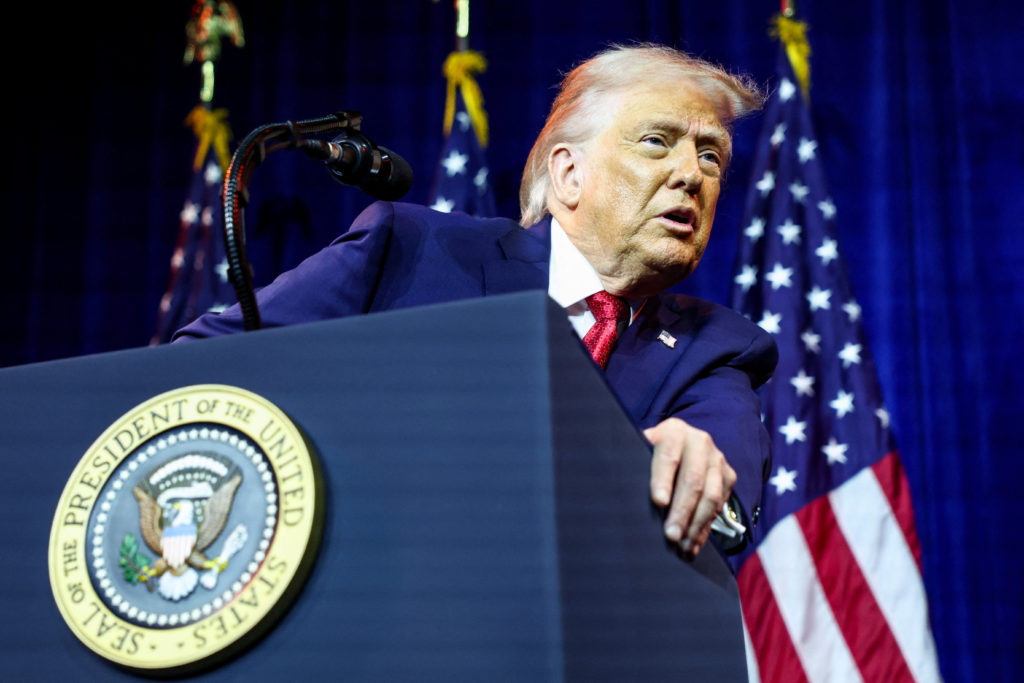
Trump “Jokes” About Canceling the 2026 Midterms
The setting was the Kennedy Center. The audience was House Republicans at their annual retreat. The date was January 6, 2026 – five years exactly since the Capitol attack. And the president mused aloud about canceling the 2026 midterm elections. Then he caught himself. “I won’t say, ‘Cancel...
Read more →
The 12 Most Insane Constitutional Crises of 2025
Twelve months. Twelve constitutional explosions. Some made headlines for a week. Others are still burning through the courts. This isn’t your civics teacher’s review of separation of powers. This is the year the Constitution stopped being a dusty document and became the most fought-over...
Read more →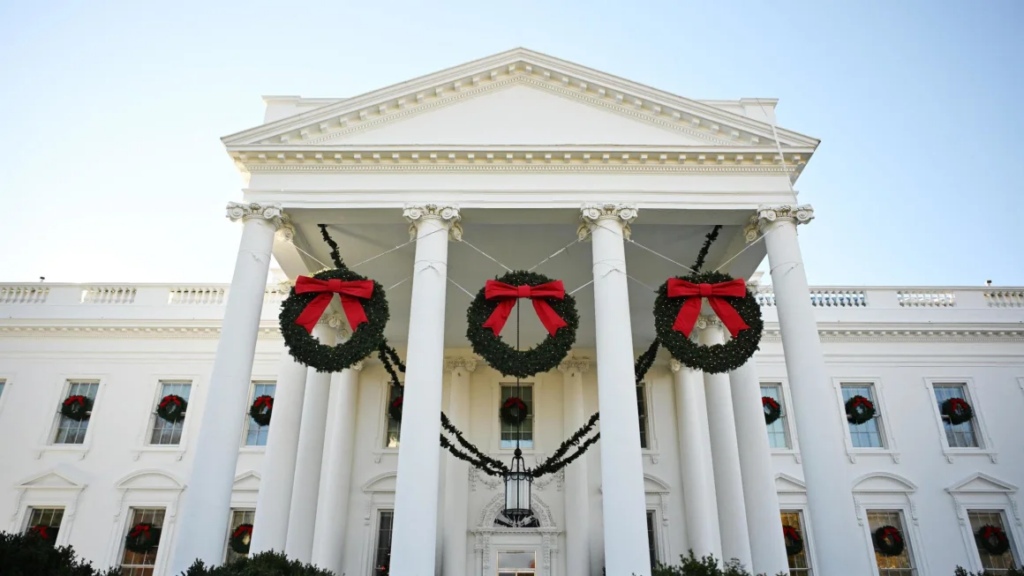
Does Christmas As a Federal Holiday Violate The Constitutional Separation Of Church And State?
Every year on December 25th, the federal government closes. Post offices shut down. Federal employees get paid time off. Courts don’t convene. All to observe Christmas – a holiday celebrating the birth of Jesus Christ. How does that not violate the First Amendment’s prohibition on...
Read more →
Did the Supreme Court Invent a New Gun Right?
For 217 years, the Second Amendment didn’t protect your right to own a gun for self-defense in your home. Then in 2008, it suddenly did. The Supreme Court’s decision in District of Columbia v. Heller declared for the first time in American history that the Constitution guarantees an individual...
Read more →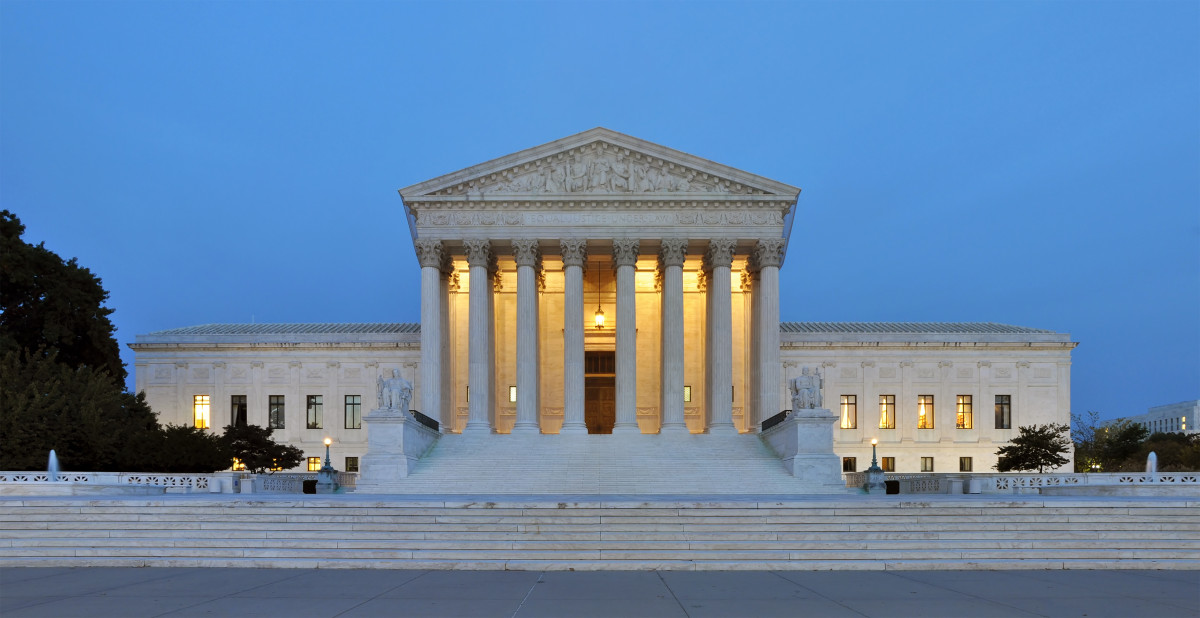
Five Rights You Think Are in the Constitution
You have a constitutional right to privacy. Everyone knows that. Except the Constitution never mentions privacy. Not once. Not in any amendment, clause, or footnote scribbled in the margins by a Founder having second thoughts. The right exists because nine Supreme Court justices in 1965 decided it...
Read more →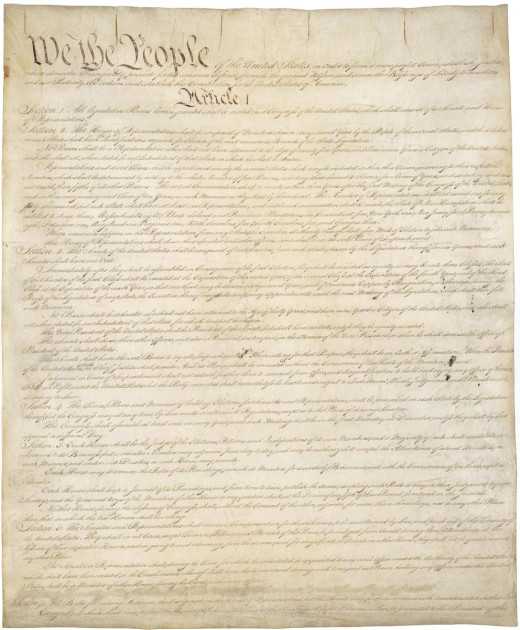
Presidents Have Been Stealing From the Treasury For 200 Years. Nobody Stops Them.
President Trump announced he’d send $2,000 checks to Americans funded by tariff revenue. No Congressional appropriation. No legislative authorization. Just an executive decision to redistribute tax dollars and a prediction that Congress would either approve it or stay silent. The announcement...
Read more →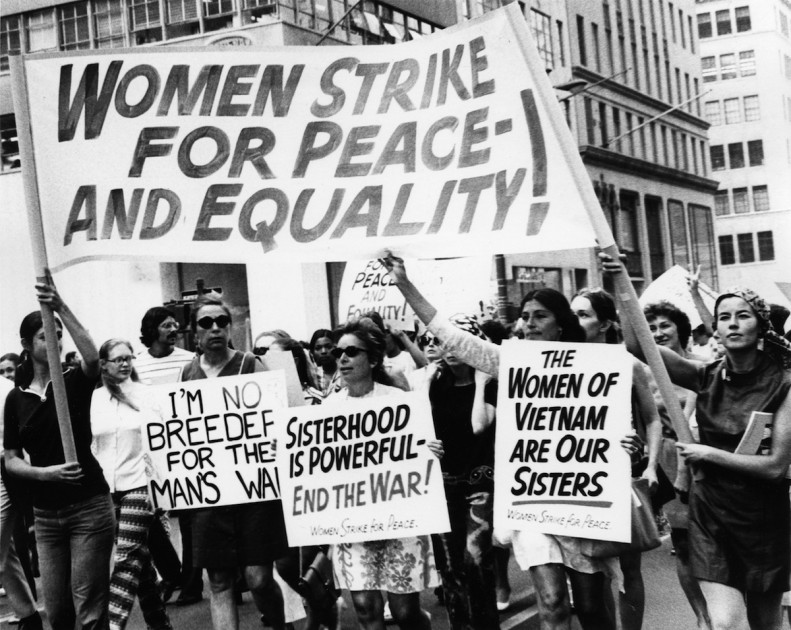
The 7 Constitutional Amendments That Almost Happened: What American’s Failed Changes Reveal About Power
The Equal Rights Amendment passed Congress in 1972 with overwhelming bipartisan support. It needed ratification from 38 states. Within five years, 35 states had ratified. Just three more states and women’s constitutional equality would have been guaranteed. Fifty-three years later, the ERA still...
Read more →
Poverty as Probable Cause? Proposed Drug Testing for SNAP Recipients Faces Significant Constitutional Obstacles
Representative David Rouzer introduced H.R. 372 in January requiring states to drug test SNAP food stamp recipients quarterly or lose federal funding. The bill mandates testing for anyone arrested for drug offenses in the past five years, screens others for “risk of substance abuse,” and denies...
Read more →
The Constitutional Rundown About Medals of Freedom And Controversial Recipients
The Presidential Medal of Freedom represents America’s highest civilian honor. Presidents award it to individuals who’ve made exceptional contributions to national security, world peace, cultural endeavors, or public service. And the Constitution doesn’t authorize it at all. The medal exists...
Read more →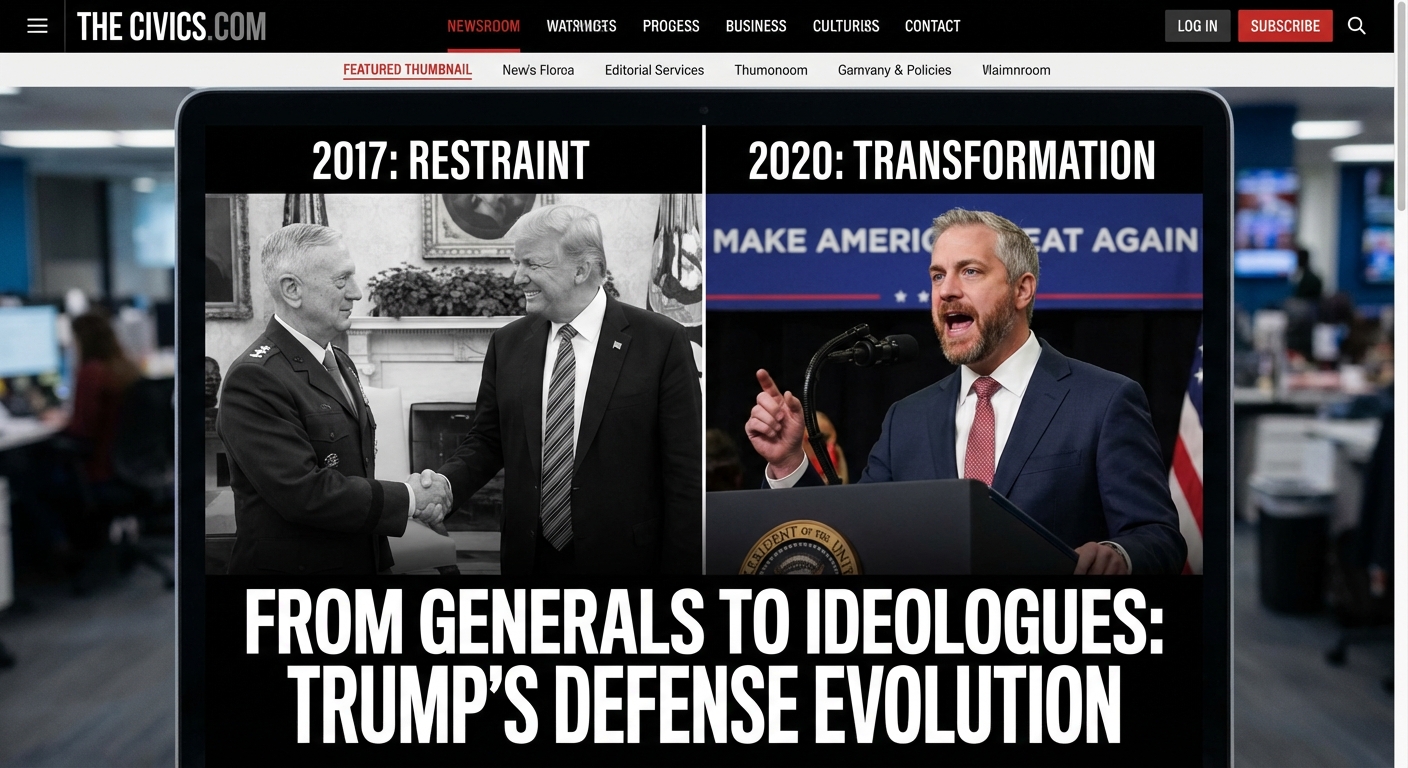
From Generals to Ideologues
Donald Trump has appointed six people to lead the Department of Defense across his two non-consecutive presidencies. The progression from his first term to his second reveals a dramatic shift in priorities – from prioritizing military experience and institutional credibility to selecting...
Read more →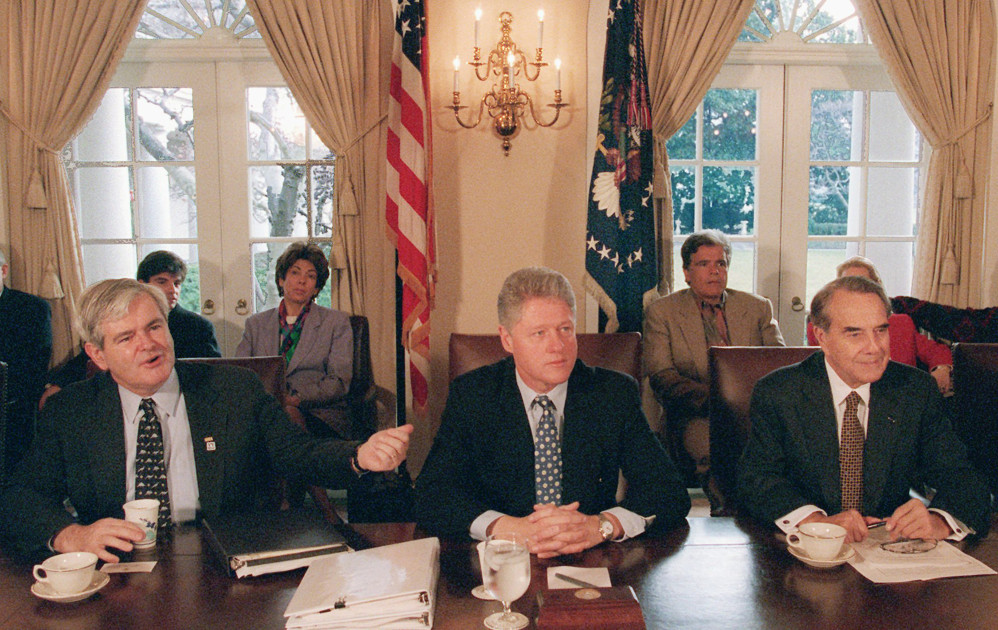
Government Shutdowns Explained: A Historical Guide to Their Causes and Consequences
When the clock strikes midnight on September 30, the United States government may, once again, shut down. The word “shutdown” has become a familiar part of our political vocabulary, a recurring threat in our bitterly divided politics. But what does it actually mean? How did we get to a place...
Read more →