
Constitutional Topics
Browse articles in Constitutional Topics on U.S. Constitution
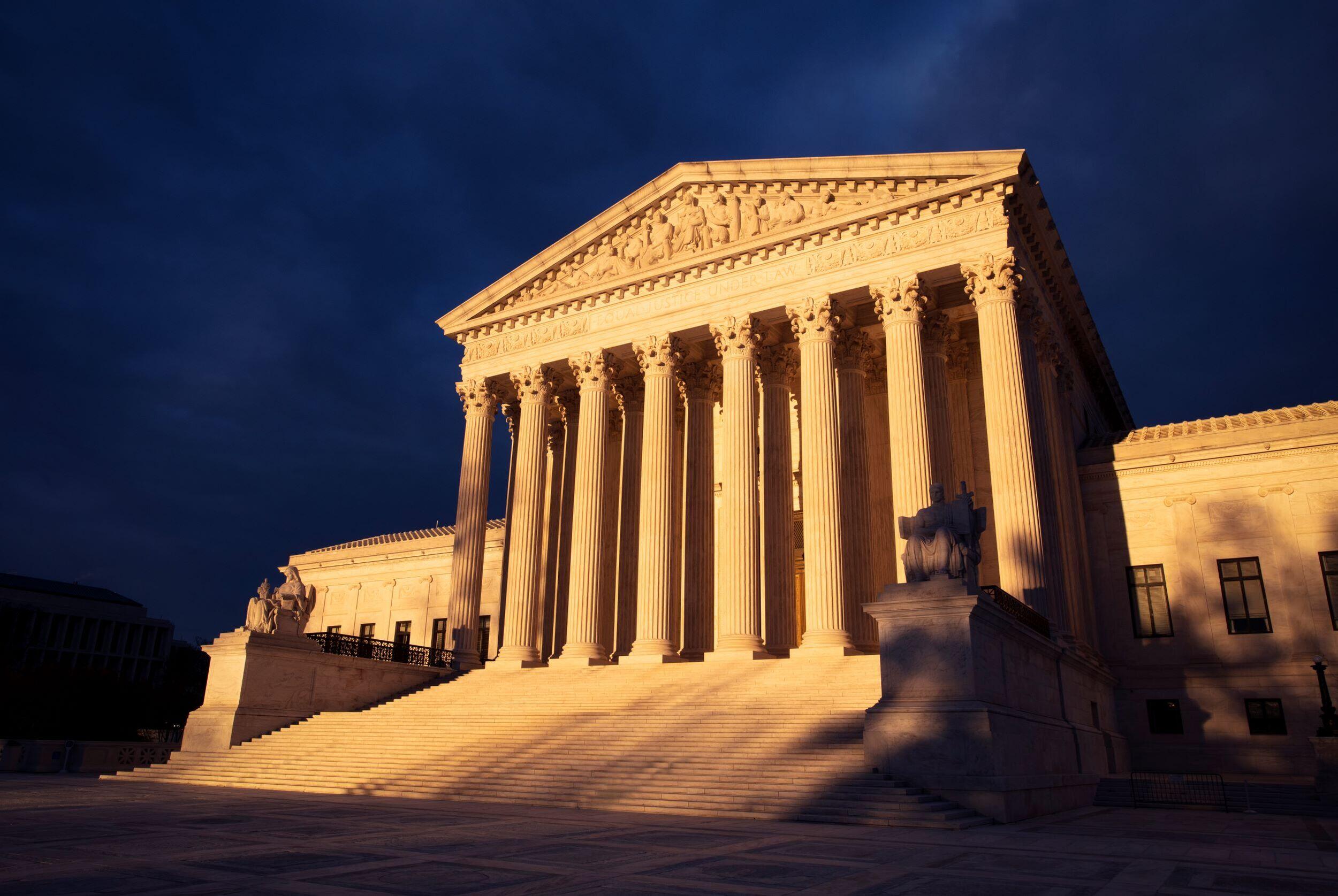
Abortion Shield Laws Explained After Dobbs
You can feel the post-Dobbs legal map in the latest headlines. One frequently cited estimate, from the Society of Family Planning’s #WeCount project, reports roughly 330,000 medication-abortion regimens were provided via telehealth under protective shield-law regimes to patients living in states...
Read more →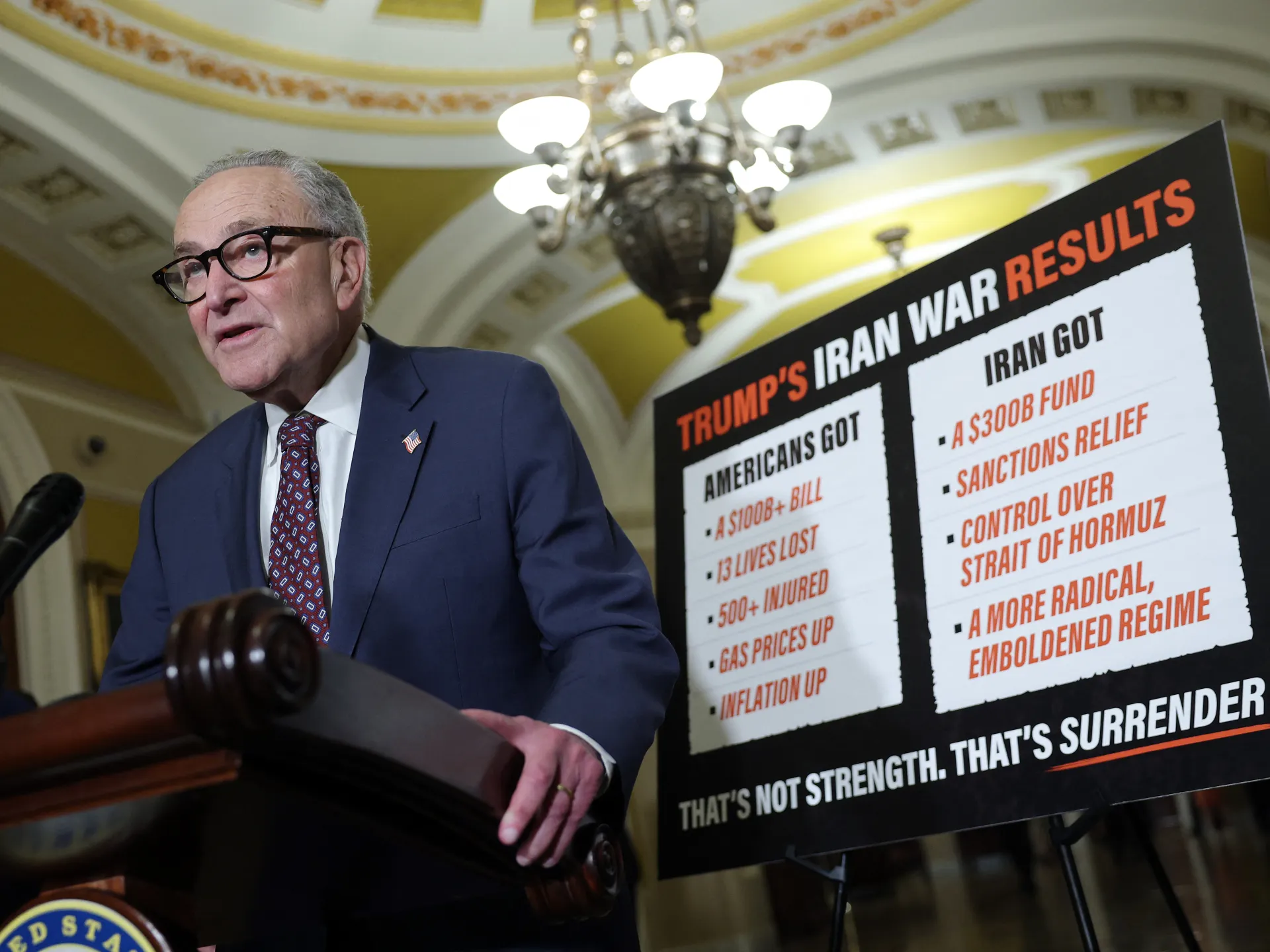
War Powers Act Explained: What Congress Can and Cannot Do
When a war powers vote hits the Senate floor during a live foreign policy standoff, the public question is predictable: can Congress actually make a President stop? The legal answer is less satisfying, but more important. The Constitution splits war authority between two branches on purpose, and...
Read more →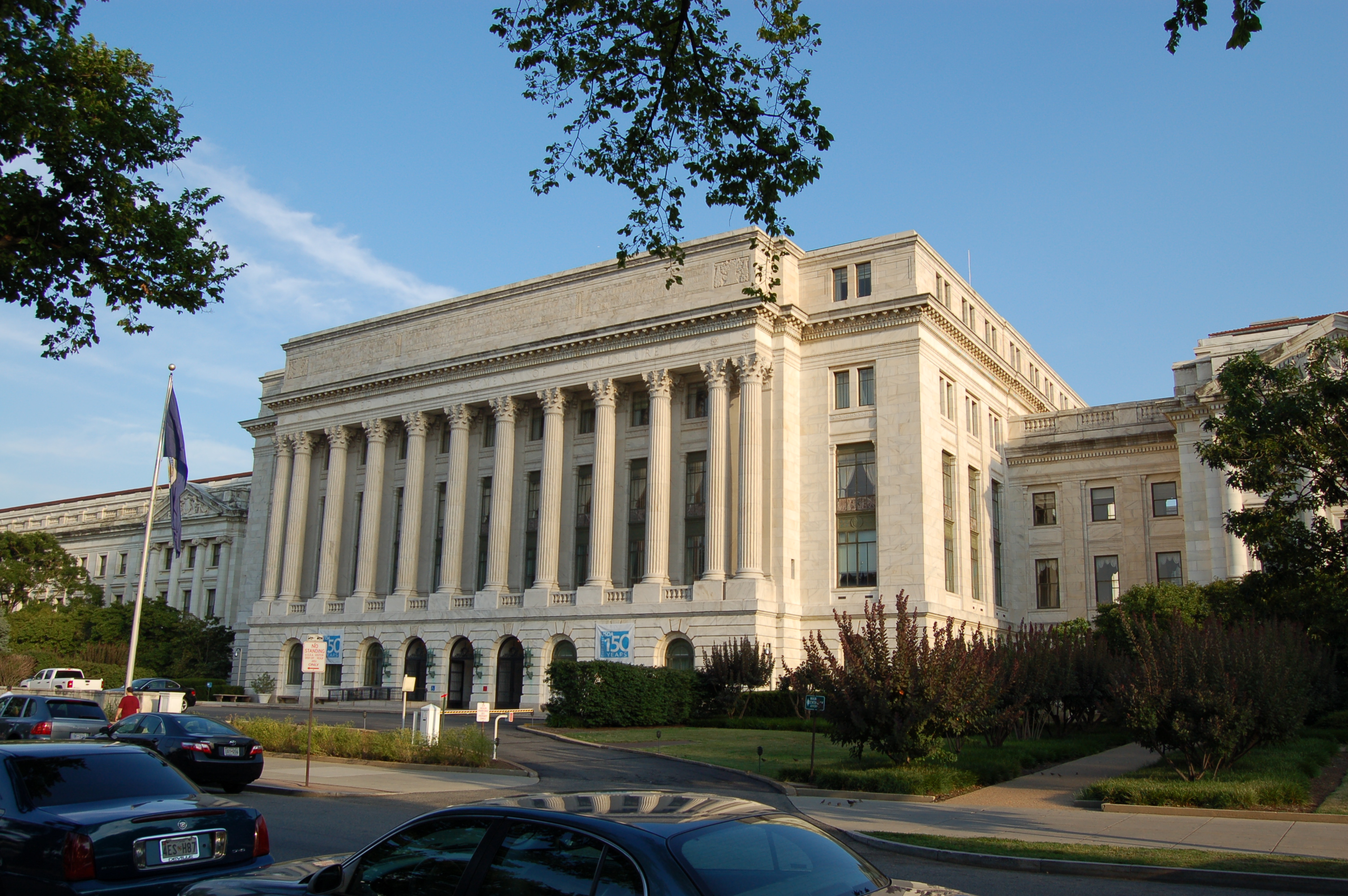
Can USDA Ban Soda From SNAP? What the Law Would Require
When a headline says a judge “blocked a SNAP soda ban,” it sounds like a food policy dispute. But the core issue is older, and more constitutional, than soda: who gets to decide what a congressionally funded benefit covers , Congress or the executive branch? Important context: There has not been a...
Read more →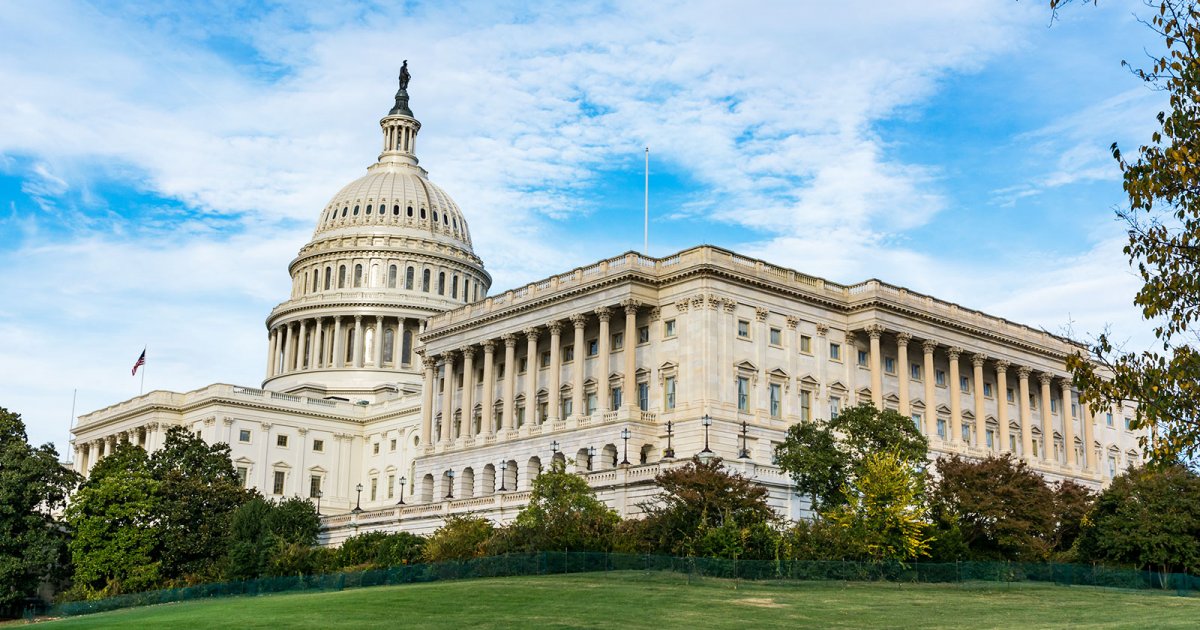
Filibusters, Shutdowns, and Voter ID: What the Constitution Leaves to the Senate
When headlines say the Senate is “stuck” over the filibuster , or that a spending deadline could trigger a government shutdown, it can sound like a constitutional crisis. Most of the time, it is not. It is something more mundane and more revealing: the Constitution gives Congress a structure, but...
Read more →
Can a President Block Hormuz, Lift Sanctions, and Set Nuclear Terms Without Congress?
When a president claims he can do three things at once, keep a strategic waterway open (or blockade it), release sanctions money into a U.S.-monitored escrow channel, and lock in “highest level” nuclear inspections “long into the future,” the constitutional question is not whether the goals are...
Read more →
Can Congress Stop Wall Street From Buying Homes?
When a headline says Congress is moving to stop “Wall Street” from buying homes, most people hear a simple question: can the federal government block a private buyer from purchasing a house? The constitutional answer is not a clean yes or no. It depends on how Congress writes the restriction, what...
Read more →
Hur Audio Fight: Executive Privilege and DOJ Records
When the executive branch refuses to release audio recordings from a high-profile special counsel investigation, it can feel like a procedural footnote. It is not. In the dispute over audio from Special Counsel Robert Hur’s investigation into President Joe Biden’s handling of classified materials,...
Read more →
Who Controls the Kennedy Center?
The Kennedy Center sits in Washington, DC, hosts presidents, premieres, and school groups, and carries a name that feels as permanent as marble. But its real story is not just cultural. It is civic. The Center is a performing-arts venue with an unusually federal footprint, and that hybrid design...
Read more →
Reflecting Pool Vandalism Arrests: What Federal Law Says
When people hear about arrests connected to the Lincoln Memorial Reflecting Pool, the instinct is to treat it like any other local vandalism case. It is not. The Reflecting Pool sits on federal land, managed as part of the National Mall , and that changes many of the practical basics: who...
Read more →
Can Members of Congress Trade Stocks?
Every time a headline resurfaces about a lawmaker buying or selling shares at a politically convenient moment, the same public question returns: is congressional stock trading actually legal ? Today’s news hook is a familiar one: a former House member who once brushed off the idea of a ban now says...
Read more →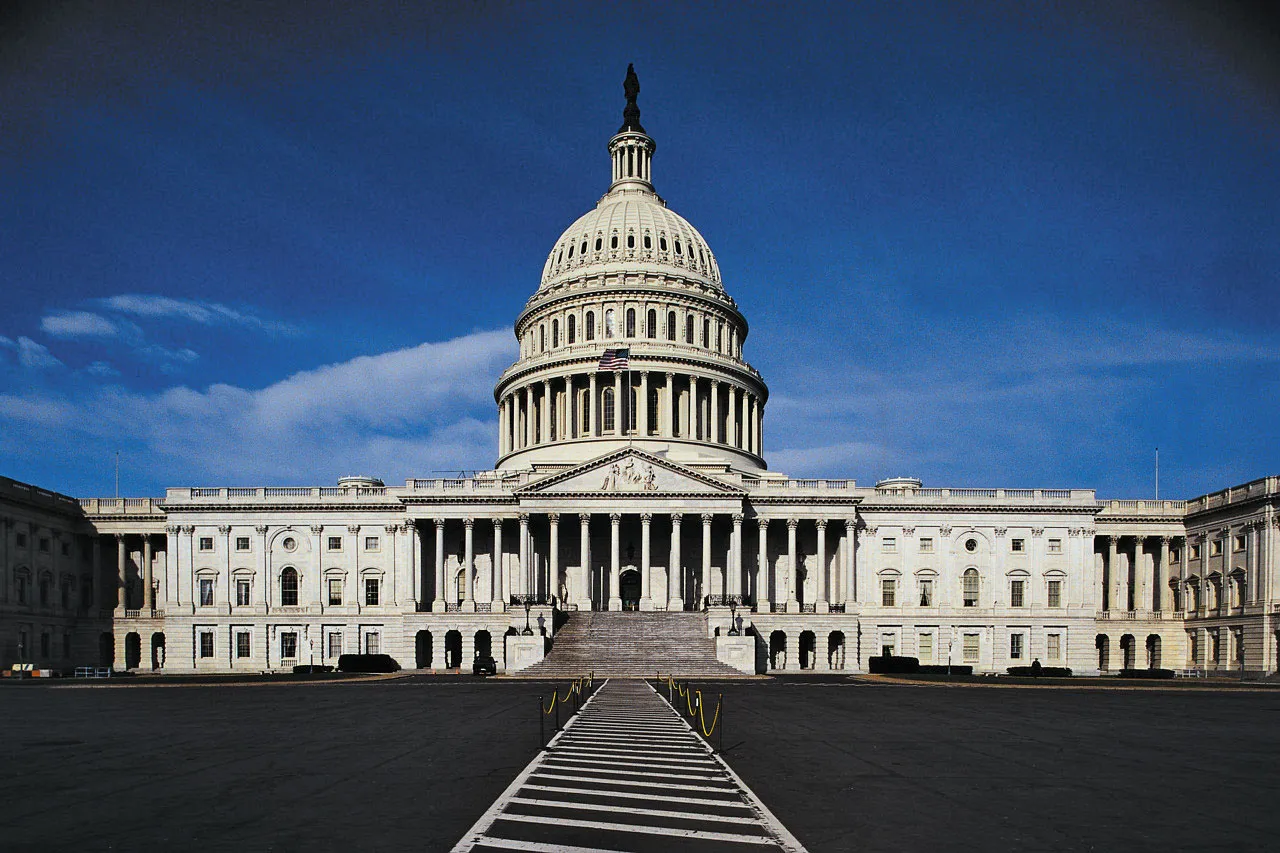
Can a State Limit ICE? Sanctuary Laws, Federal Power, and Preemption
When headlines say the Justice Department is suing a state over “sanctuary” limits, the constitutional question is usually simpler than the politics: Can a state refuse to help ICE , and if it can, how far can it go before it starts interfering with federal law ? To be clear on the factual setup:...
Read more →
Can Courts Control a District Attorney?
District attorneys are typically elected to make hard calls that judges are not supposed to make. Who gets charged, what the charges are, whether a plea deal is offered, and whether a conviction should be defended on appeal are core prosecutorial functions. In American constitutional design, those...
Read more →
What Is FISA? How Confirmation Votes and Surveillance Renewal Got Linked
FISA is one of those Washington acronyms that seems designed to stay mysterious until it suddenly becomes the headline. It stands for the Foreign Intelligence Surveillance Act , a post-Watergate and Church Committee era law that created special rules for spying in the name of national security. It...
Read more →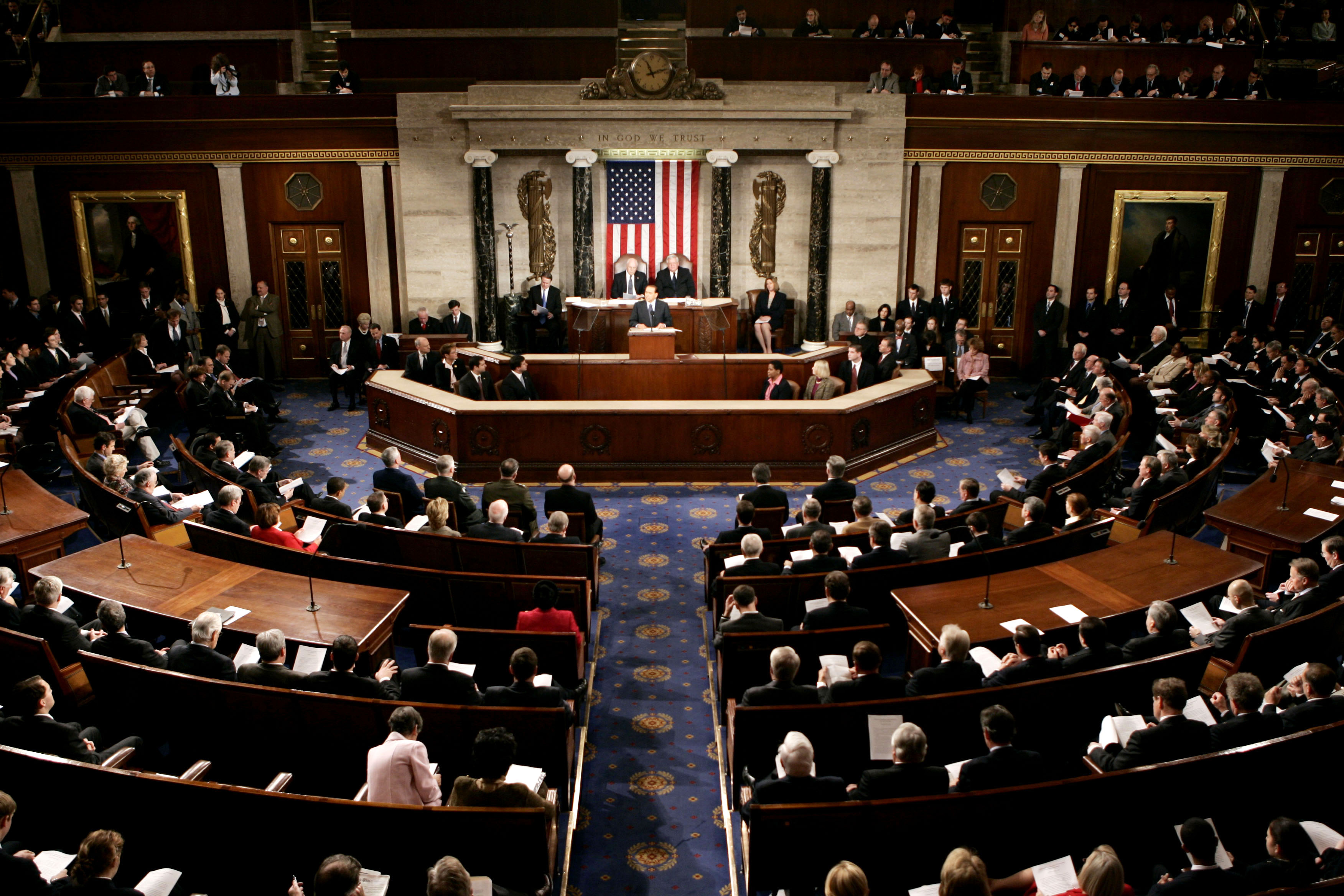
What Is the Filibuster? Senate Rules, New States, Court Expansion, and the Save America Act
The word filibuster does not appear anywhere in the Constitution. And yet it routinely determines what the United States can and cannot do, not because it is a constitutional command, but because the Senate chose to build a supermajority gate into its own procedures. That is why a single newsy...
Read more →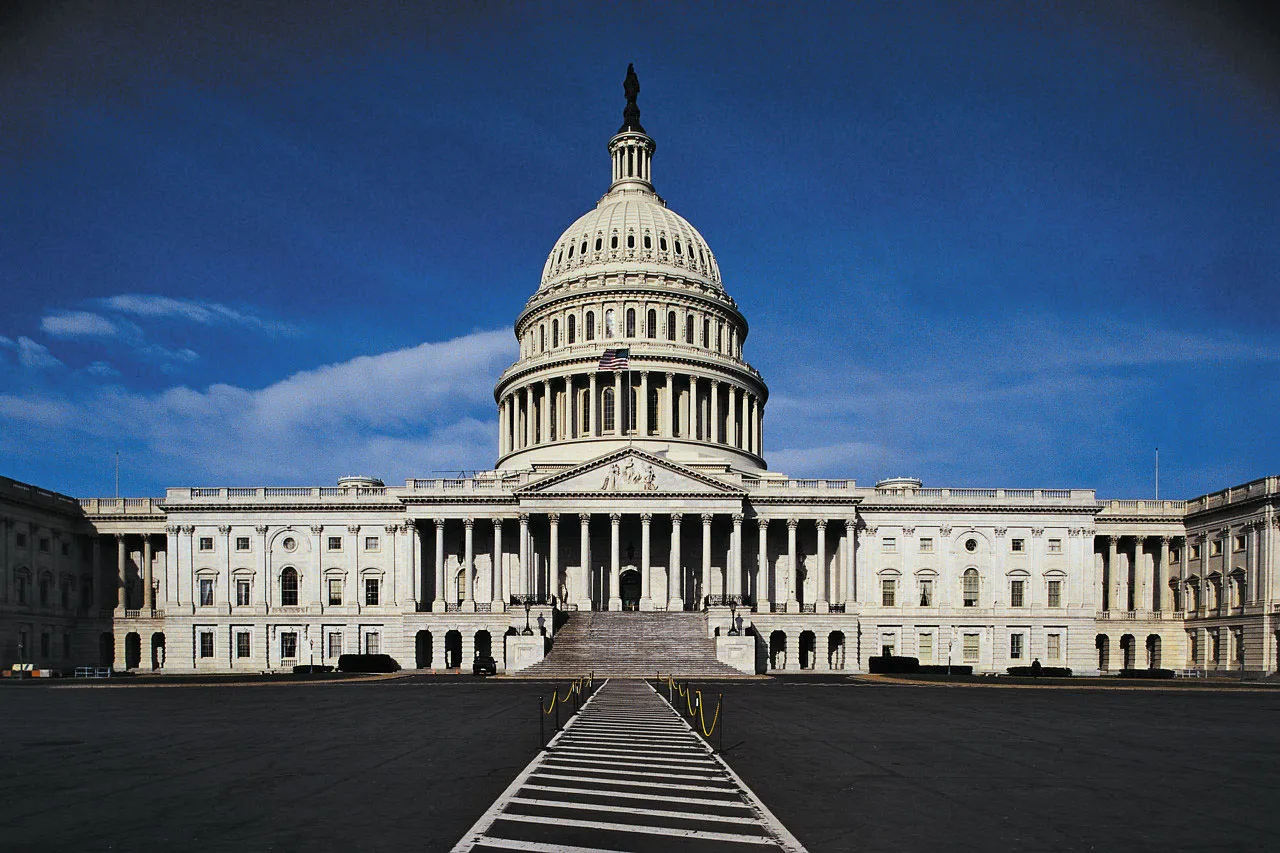
What Is FISA Section 702?
When surveillance makes the news, the public question is almost always the same: Can the government spy without a warrant? FISA Section 702 sits right on that nerve. It is a federal surveillance authority designed for foreign intelligence gathering, built for the reality that modern communications...
Read more →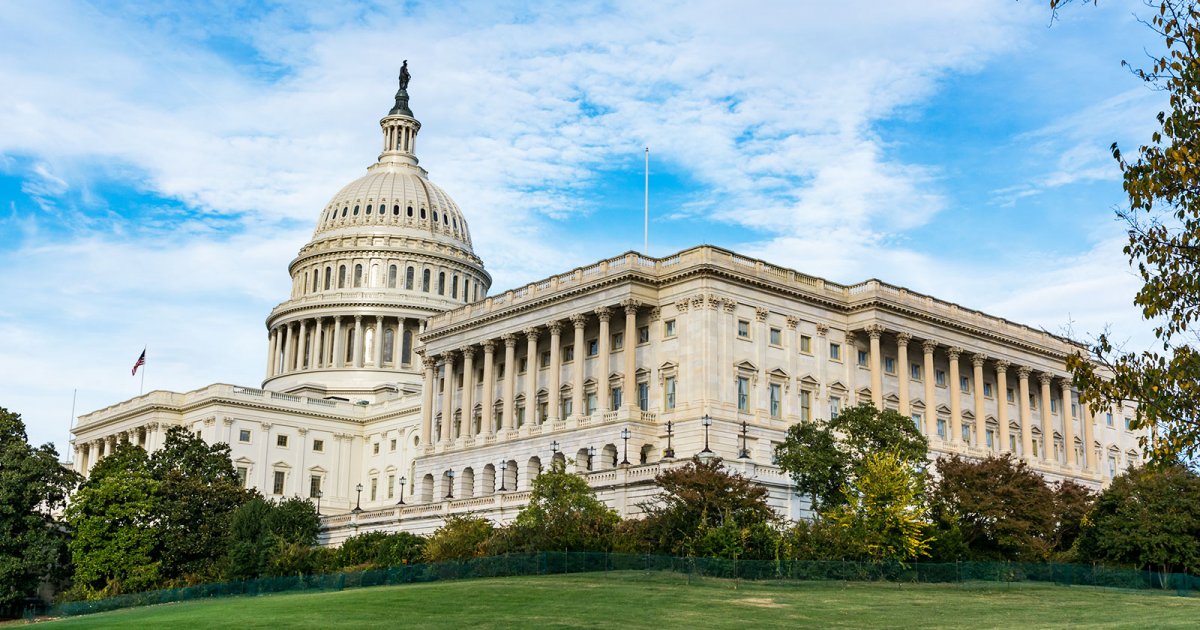
Court Packing and the Separation of Powers
A sitting U.S. senator just addressed, in plain terms, a topic that can turn politically volatile fast. Senator Raphael Warnock of Georgia, asked on Meet the Press about expanding the Supreme Court , replied that all options have to be on the table . That line matters because court expansion is not...
Read more →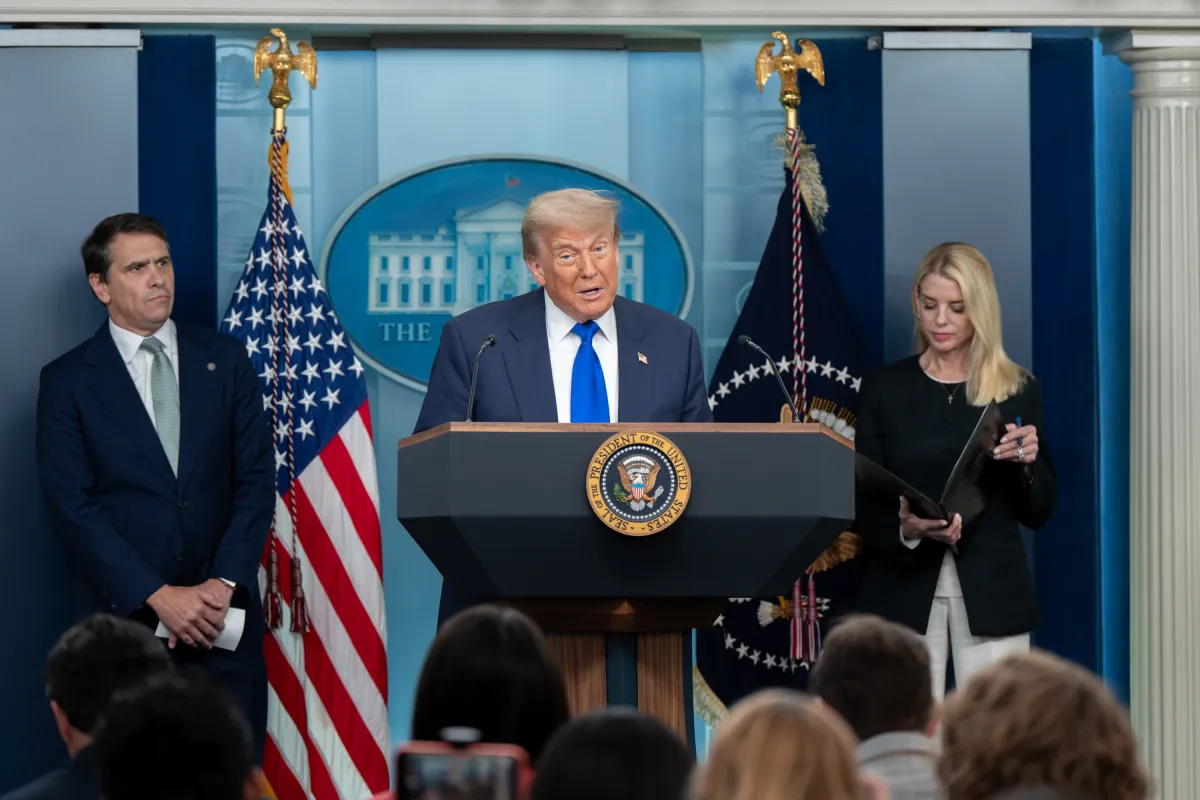
Can a President Suspend Habeas Corpus?
Habeas corpus sounds like Latin you can safely ignore until the day it becomes your problem. In plain English, it is the right to ask a judge a simple question: Why is the government holding this person? If the government cannot justify the detention under law, the court can order release or other...
Read more →
Patagonia vs. Pattie Gonia: When Trademark Law Meets Parody
There is a familiar American story hiding inside a very modern fight: a famous brand says it has to police its name, and an activist says their work depends on being recognizable. On Jan. 21, 2026 , Patagonia filed a trademark infringement lawsuit against environmental activist and drag performer...
Read more →
Techdirt’s Funniest Comments of the Week, and Why They Matter
There is a particular kind of comment section that does not just dunk on the news. It audits it. Techdirt tends to draw that kind of reader. People who can spot a bad incentive structure from a mile away, people who understand that “just ban it” is not an argument, and people who use humor the way...
Read more →
Mail and Wire Fraud Explained
Mail fraud and wire fraud are the federal government’s legal Swiss Army knife for deception that crosses a mailbox or an internet connection. They show up in investment scams, fake invoices, corrupt contracting, bogus charities, identity theft rings, and corporate coverups. The reason is simple:...
Read more →