
Every generation finds a new way to ask an old question: who is an American?
Sometimes the question comes dressed as a moral argument. Sometimes it shows up as a budget argument. Lately, it shows up in court as a sovereignty argument, the claim that the United States can only remain a nation if it tightens the gate on who becomes a citizen at birth.
That is the real tension underneath today’s birthright citizenship battles. Not paperwork. Not politics. Power. The power to define membership in the constitutional order.
Join the Discussion
The clause that keeps starting fires
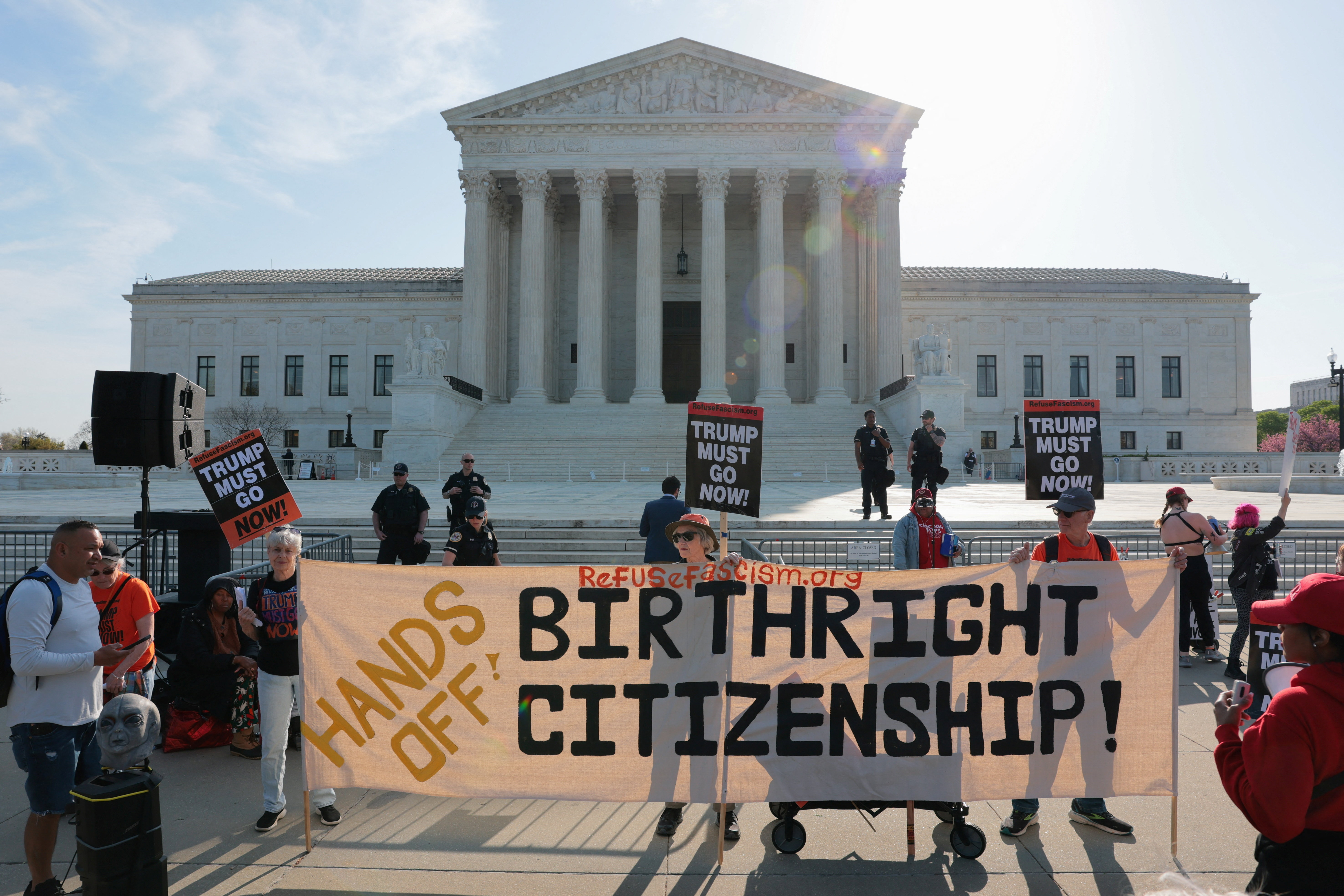
The modern fight centers on one short sentence in the Fourteenth Amendment: “All persons born or naturalized in the United States, and subject to the jurisdiction thereof, are citizens of the United States…”
That phrase, “subject to the jurisdiction thereof,” is the match. Everyone agrees jurisdiction matters. The disagreement is what it means.
One reading treats jurisdiction as basically territorial and legal: if you are born here and you are not in a narrow category of exceptions, you are under U.S. law and therefore within U.S. jurisdiction. Another reading tries to convert jurisdiction into something closer to political allegiance, which would give government more room to deny citizenship to some children born on U.S. soil.
That might sound like a technical debate. It is not. It is a debate about whether citizenship is a constitutional fact or a policy choice.
Sovereignty: the word that gets used as a weapon
When people say birthright citizenship threatens American sovereignty, they are usually making a claim like this: a nation is only sovereign if it controls its own membership.
There is a serious point inside that claim. Sovereignty does involve the authority to define the political community. But the Constitution does something uncomfortable for modern politics: it places some membership rules beyond ordinary political control.
The Fourteenth Amendment was written after a national catastrophe. It was designed to stop states, and eventually the federal government, from manipulating the meaning of citizenship to serve the needs of the moment. In plain English, it tried to lock in a baseline rule: the country cannot create a permanent class of people who are born here but never fully belong.
So the sovereignty question is not whether the United States can define citizenship. Of course it can. The question is whether the Constitution already did, at least for people born on U.S. soil.
Two competing visions of citizenship
Here is the fork in the road the Court keeps approaching, no matter what case name is on the cover.
Vision one: citizenship as a constitutional guarantee
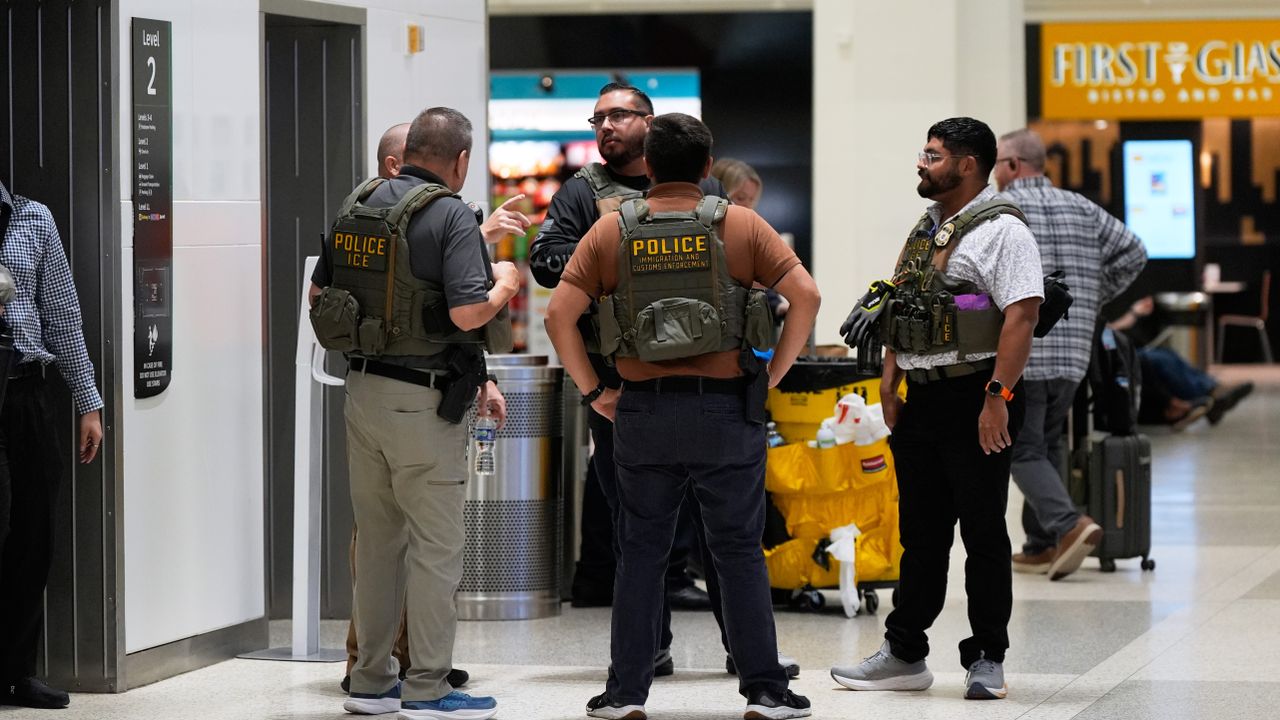
Under this view, birthright citizenship is not a gift from the government. It is a legal status that attaches at birth because the Constitution says so. The government can police immigration, deport people who have no legal right to remain, and regulate naturalization. But it cannot retroactively redraw the citizenship line for people born here.
Vision two: citizenship as a lever of national control
Under this view, citizenship policy is a tool for protecting national cohesion and limiting incentives for unlawful entry. The Fourteenth Amendment is treated as more flexible, with “jurisdiction” doing a lot of heavy lifting to narrow who qualifies.
Notice what is really being argued. Not just whether Congress can pass a law. Not just whether the executive can issue a rule. The argument is whether the political branches can narrow a constitutional promise by redefining its vocabulary.
The Court’s problem: text, history, and consequences all pull at once
Supreme Court cases like these are rarely decided on a single thread. The justices juggle at least three forces at once.
- Text: What does “subject to the jurisdiction” naturally mean in legal English?
- History: What did the Fourteenth Amendment’s framers think they were cementing after the Civil War?
- Consequences: What happens if citizenship becomes something that can be turned on and off by shifting political majorities?
This is where Americans often underestimate the stakes. If the Court opens the door to a narrower reading, it does not just change immigration incentives. It changes the relationship between the individual and the state.
It would mean the government has more authority to declare, in effect, “you were born here, but you are not fully one of us.” That is a dangerous kind of power for any republic to normalize.
The hard question we avoid
When my students used to argue about citizenship, they usually wanted a clean moral story: heroes and villains, law and chaos, compassion and control. But the Constitution does not hand us clean stories. It hands us hard questions.
Here is the one we keep dodging: Do we want citizenship to be a stable constitutional status, or a policy instrument?
If it is stable, then some outcomes will frustrate people who want maximum governmental control over the border. If it is an instrument, then the temptation to manipulate membership for political advantage will always be waiting, not just for immigrants, but for anyone unpopular enough to target.
The Fourteenth Amendment was written by people who had watched a government treat human beings as a problem to be managed. They responded by hardening citizenship into a constitutional commitment.
The question now is whether we still have the courage to live with that commitment when it becomes politically inconvenient.
What to watch next
If the Supreme Court is forced to address birthright citizenship directly in the near term, watch for three signals.
- How the Court defines “jurisdiction”: as ordinary legal authority, or as something closer to consent and allegiance.
- Whether the Court invites political branch experimentation: by suggesting Congress or the executive has room to carve out new categories of non-citizen births on U.S. soil.
- How the Court talks about statelessness and second-class status: even if not using those words, the concern will show up in the reasoning.
Birthright citizenship is not a side issue. It is one of the load-bearing beams of post-Civil War constitutional America. The Supreme Court does not just interpret a clause when it takes these cases. It decides what kind of country the Fourteenth Amendment still commands us to be.