
Election Day often brings to mind a polling place, a line, and results that start rolling in that night. But for many Americans, especially in rural and remote communities, voting looks different. It can depend on a plane, a boat, a snow machine, or simply the hope that the mail arrives on time.
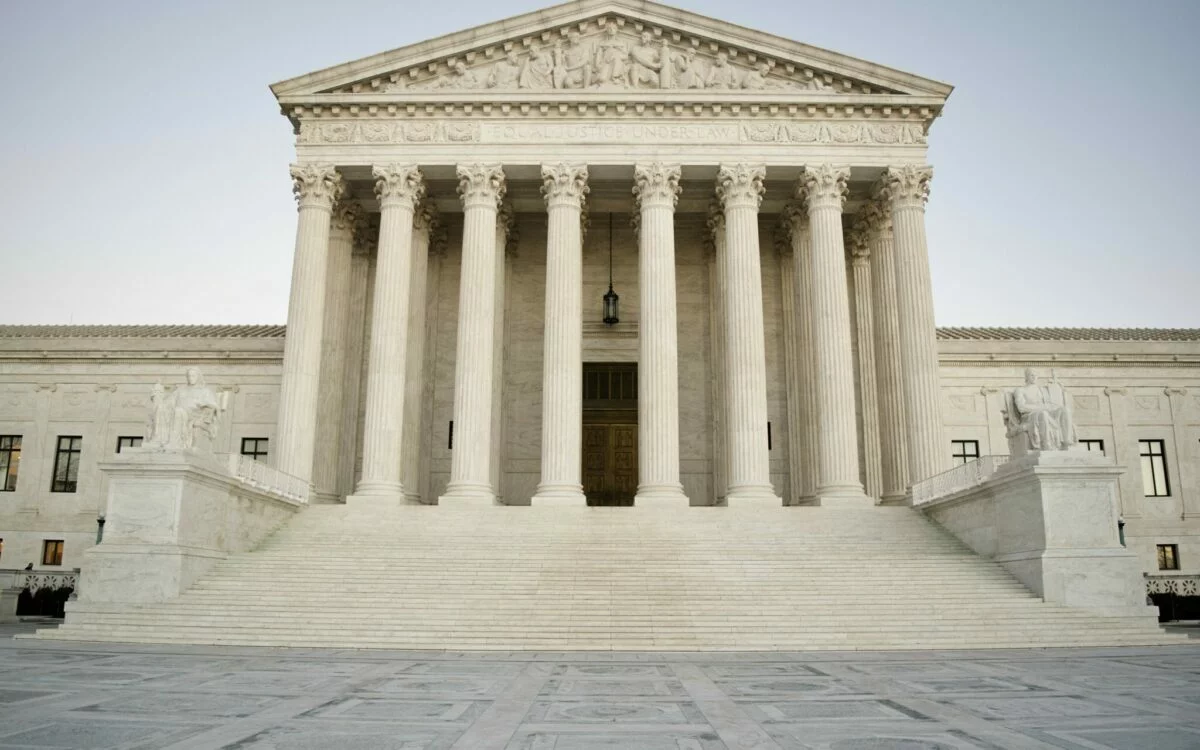
Now the Supreme Court is considering a case that could change how much room states have to count mail-in ballots that arrive after Election Day, even when voters sent them on time. The practical question is simple: If your ballot is postmarked by Election Day but arrives late because of weather or distance, should it count?
Join the Discussion
What the Court is weighing
The case involves a challenge to a Mississippi law that permits counting certain mail-in ballots that arrive after Election Day, so long as they were sent by the deadline. The legal fight centers on federal law that sets a single national Election Day for federal offices.
Supporters of stricter receipt deadlines argue that a nationally set Election Day means ballots must be received by Election Day to be valid. States that allow counting after Election Day, the argument goes, are effectively stretching the election beyond the one day Congress chose.
States that allow a short grace period respond with a straightforward point: voters do not control mail delivery. They can do everything right, mail the ballot on time, and still lose their vote because of transportation delays, storms, or interruptions in service.
Weather and distance are the story
This is where legal rules meet everyday reality. In some parts of the country, late mail is not an occasional inconvenience. It is part of life.
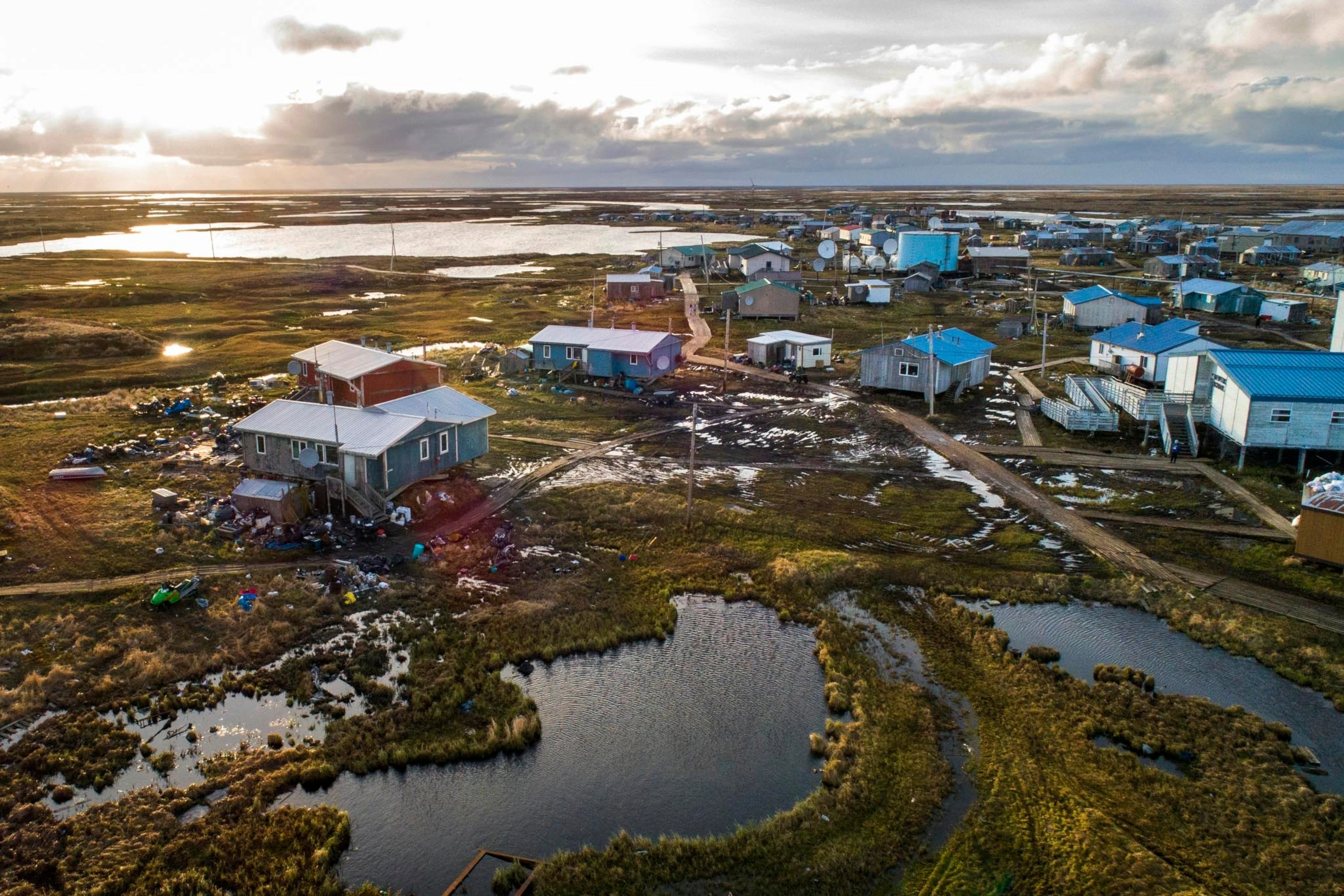
In Alaska, for example, some communities are not connected to the road system. The Bering Sea coastal community of Platinum has no local post office. Residents have to get across a bay to another town for postal service, and the community is reachable only by plane, boat, or snow machine. Lou Adams, acting tribal administrator for the Platinum Traditional Village Council, described how long mail can be disrupted when conditions turn dangerous: “The longest may be almost two months.”
When that is the baseline, a received-by-Election-Day rule is not just a deadline. It can become a barrier that falls unevenly on voters depending on where they live.
How Alaska counts late arrivals
Alaska is one of the states that counts some ballots that arrive after Election Day. Under current Alaska rules, mail-in ballots can be counted if they are postmarked by Election Day and arrive within a defined window. For ballots mailed within the United States, Alaska allows up to 10 days after a general election for delivery.
That system is designed around the state’s logistical constraints. Richard Moses, an Alaska-based campaign and election lawyer who has represented parties involved in ballot recounts, described how delays can play out even when a voter meets the mailing deadline. Recalling a recount experience, he said: “One of them was from out in western Alaska. It was postmarked prior to Election Day and still arrived seven or eight days after the deadlines.”
In other words, the grace period is not a loophole. It is a buffer against predictable disruptions.
What changes could mean in practice
The Constitution gives states the primary role in running elections, but Congress has power to set certain “Times, Places and Manner” rules for federal elections. That shared authority is why mail ballot deadlines regularly end up in federal court. One side emphasizes uniformity and clear finality. The other emphasizes access and equal opportunity to participate.
It also helps to separate two ideas that are easy to blur:
- When the voter must act. Many states treat Election Day as the deadline for the voter to mail or submit the ballot.
- When the state must finish counting. Many states continue counting valid ballots after Election Day, especially when the law requires verification steps or when ballots arrive later despite being timely sent.
The Court could draw a sharper line between those two ideas. If it reads federal law to require receipt by Election Day for federal elections, states may have less room to accommodate late delivery, even when the voter followed the rules.
Who feels it first
Any shift would ripple outward, but the first and strongest effects are likely in places where mail service is least predictable. That often means:
- Remote communities without nearby postal facilities
- Regions where storms regularly halt transportation
- Areas where voters rely heavily on absentee-by-mail because there is no local polling place
In Platinum, Adams said all 50 residents vote absentee-by-mail because the community is too small and remote to have an in-person polling site. A rule that discounts ballots arriving after Election Day would not just change a timeline. It could change whether voting is realistically possible for some residents.
Why “mail earlier” is not simple
A common response to mail delays is simple: send ballots earlier. In theory, that is workable. In practice, it asks some voters to make decisions earlier than everyone else because of where they live.
Michelle Sparck, who leads the nonpartisan Get Out The Native Vote effort operating under the Alaska Federation of Natives, put the fairness concern plainly: “When everybody has the luxury until 8 p.m. on Election Day to make their decisions, it’s not fair to put the burden on us to vote as soon as possible.”
That is not just about convenience. The final weeks of a campaign are when debates happen, new information emerges, and voters weigh late-breaking developments. A legal rule that effectively forces some communities to vote early can make political participation less equal, even if the rule is written neutrally.
What Alaska told the Court
In court filings, Republican Party lawyers argued that counting delayed ballots violates federal law that sets a national Election Day. Alaska’s attorney general also filed a brief that did not take a side, but described the practical challenges Alaskans face when voting across vast distances and unpredictable weather.
Options if the rule tightens
If the Supreme Court limits counting of ballots that arrive after Election Day, states will not be powerless. But the solutions may require money, planning, and time. Options could include:
- More local polling locations in remote communities (where feasible)
- Expanded ballot drop boxes and secure pickup systems
- Earlier distribution of ballots and clearer outreach about mailing timelines
- Improved mail logistics in partnership with carriers and local governments
Each option has tradeoffs. For a community that currently depends on irregular transportation, even the best outreach cannot create roads or calm a storm.
Why it matters beyond Alaska
This issue is not limited to one state. Twenty-nine states count at least some mail-in ballots that are postmarked on or before Election Day even if they arrive later. A Court decision narrowing those practices could force changes in election administration across the country.
In Platinum, Adams described the emotional stakes in everyday language: “It’s kind of disheartening. You want your vote to be counted.” For many voters, that is the heart of the issue. Whatever legal line the Court draws will land in very real mailboxes, or fail to.