
When a president sues the press for libel, the case is never just about one story. It is a stress test for the rules that let Americans argue about powerful people without having to hire a lawyer first.
In Trump v. Dow Jones & Co., Inc., U.S. District Judge Darrin Gayles (Southern District of Florida) dismissed President Donald J. Trump’s libel lawsuit over reporting that he authored a birthday letter for Jeffrey Epstein. The dismissal was with prejudice.
Join the Discussion
The ruling in plain English
The order did not decide whether the letter is authentic. It addressed a narrower question: did Trump plead enough specific facts to plausibly show that the defendants published the story with actual malice?
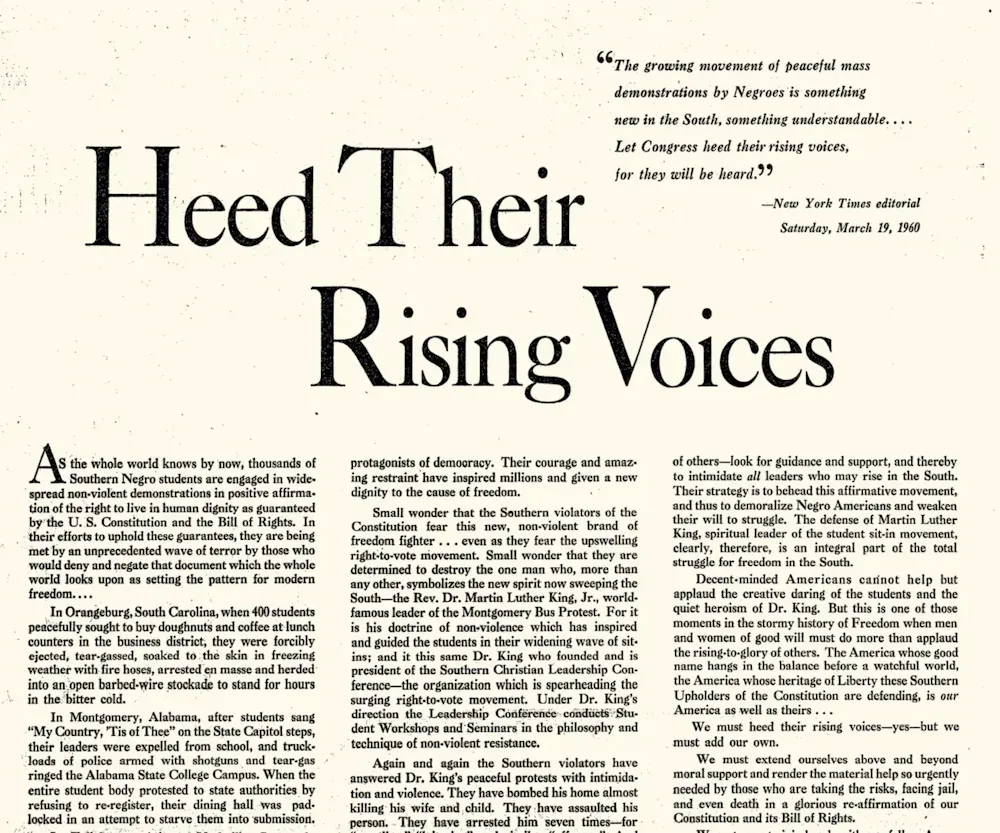
Because Trump is a public figure, he cannot recover damages for defamation just by alleging the story was false and harmful. Under New York Times Co. v. Sullivan (1964), he must plausibly allege the publisher either knew the claim was false or recklessly disregarded whether it was true.
Judge Gayles’s bottom line: Trump tried twice to plead that state of mind and failed twice. The amended complaint was dismissed with prejudice.
What actual malice means
Most people hear “malice” and think it means hatred or political bias. In constitutional libel law, that is not the test. The test is about knowledge and recklessness concerning truth or falsity.
Judge Gayles emphasized something that matters for press freedom: the First Amendment protection is not just a shield at trial. It also limits what a public figure can demand from media defendants through the litigation process itself.
He quoted the logic behind Sullivan, including Justice Louis Brandeis’s warning about fear and repression from Whitney v. California (1927):
“Those who won our independence believed … that public discussion is a political duty; and that this should be a fundamental principle of the American government.”
Then comes the practical point for modern defendants. The order notes that “[t]he costs and efforts required to defend a lawsuit through [discovery] could chill free speech nearly as effectively as the absence of the actual malice standard altogether,” so a public figure must plausibly allege actual malice at the outset.
How the dispute started
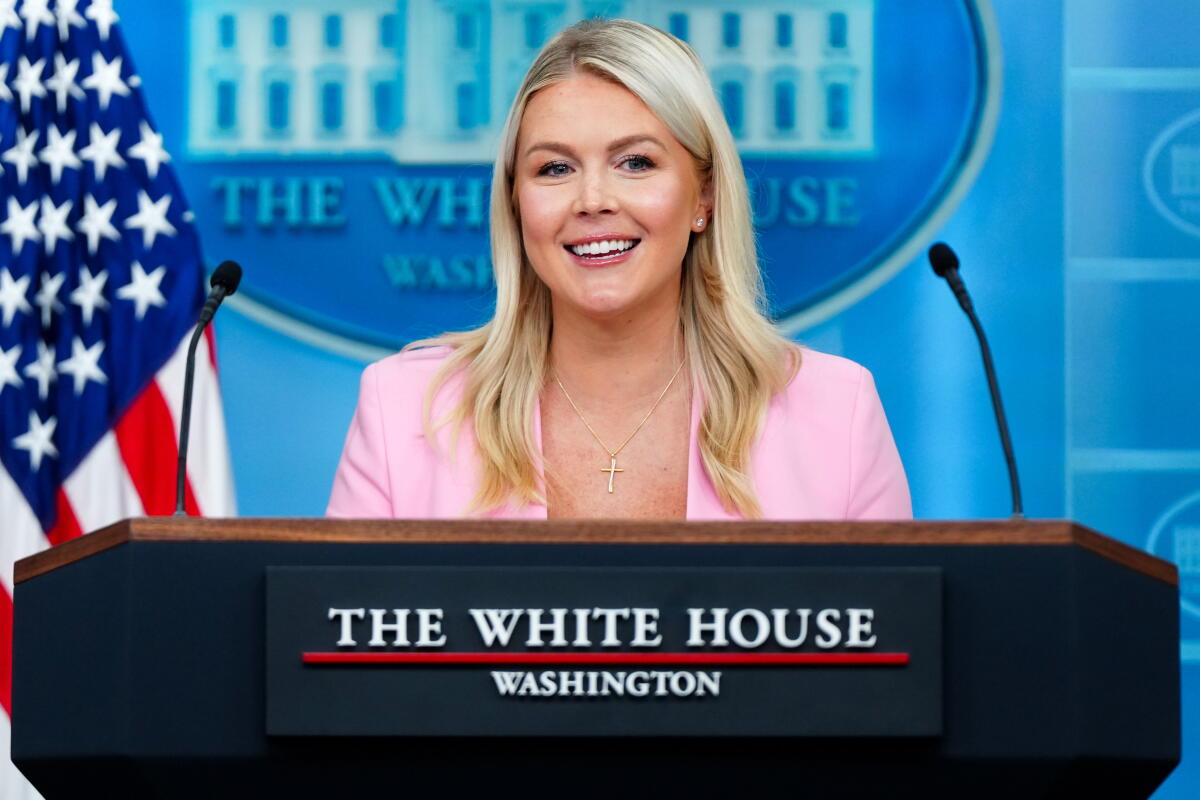
The dispute traces to July 2025. On July 15, 2025, Palazzolo emailed then White House Press Secretary Karoline Leavitt to say Dow Jones intended to publish a story about a purported birthday letter from Trump to Epstein (the “Letter”). Trump’s team pushed back quickly.
Leavitt called Palazzolo and told him the “subject matter” of the proposed story was false. Trump, through counsel, denied writing the Letter and warned the defendants not to publish. Trump also denied writing the Letter in an interview before publication. And Trump directly told Murdoch that he had not signed or sent the Letter. When Murdoch responded that he would “handle it,” Trump thought the story would not run.
Two days later, the publisher’s online edition published the article.
The published account described a leather-bound birthday album compiled by Ghislaine Maxwell, with pages it said it reviewed and that it said had been examined by Justice Department officials during earlier investigations. The story included Trump’s denial prominently, including his quote: “This is not me. This is a fake thing. It’s a fake Wall Street Journal story.”
Later, on September 8, 2025, a separate article offered a “visual breakdown” that compared features of the Letter, including signature and typeface, with prior communications by Trump, while again including denials.
Why the complaint failed
Judge Gayles identified recurring problems in the amended complaint. They are familiar pleading gaps that show up when a public figure tries to turn a public dispute into a defamation case without concrete facts about a defendant’s state of mind.
1) “Knew or should have known” is not enough
The order says Trump leaned on broad claims that the defendants “knew or should have known” the statements were false. The court treated that as conclusory language that does not plausibly allege a defendant’s state of mind.
2) A denial does not equal actual malice
This is the press-freedom heart of the case. Trump’s theory, as the court read it, effectively asked for a rule that would block publication whenever a powerful person says, “That is fake.”
The judge rejected that logic. The order explains that were the law, journalists would be immediately blocked from publishing “negative or contradictory press” any time a public figure issued a denial.
The order also stressed that the story did not ignore or minimize Trump’s denial. It informed readers that he decried the Letter as a fake and denied writing it. By “allowing readers to decide for themselves what to conclude,” the court reasoned, allegations of actual malice were “less plausible.”
3) “They did not investigate enough” usually is not enough
The order draws a line the Supreme Court has drawn before: negligence is not actual malice. A weak investigation, standing alone, does not prove the publisher suspected falsity.
To plead actual malice through investigation flaws, a plaintiff needs facts pointing to deliberate avoidance of the truth, not just missed steps.
Here, the order points to what the story itself described: outreach to Trump and his team, outreach to Justice Department officials, an approach to the FBI (which declined comment), attempts to contact Maxwell (no response), and contact with others named in the birthday book including Leslie Wexner and Alan Dershowitz, plus people tied to the binding of the book who confirmed that Herbert Weitz assembled it. Those are not the hallmarks of purposeful blindness.
4) The “we did not see a copy” point went nowhere
Trump also attacked the reporting on the ground that the defendants reviewed the Letter but did not possess a copy. The court said it could not see a meaningful difference, for purposes of actual malice on these allegations, between reviewing a document and obtaining or retaining a copy.
Why “with prejudice” matters
“With prejudice” is the court’s label for this dismissal.
For readers who assume lawsuits are mostly about who has the better narrative, this is a reminder: libel law for public figures often turns on whether the plaintiff can plead, early and specifically, what the publisher allegedly believed when it hit publish.
What this means for press freedom
This ruling is not a press free pass. Defamation law still exists. If a public figure can show knowing or reckless falsehood, the First Amendment does not protect that.
But the Constitution does protect something less glamorous and more essential: the ability to publish contested reporting about powerful people without having every dispute dragged through costly discovery based on thin allegations.
Judge Gayles framed that protection in the language of Sullivan and Brandeis, emphasizing that fear of punishment and coercive silence can distort public discussion.
What it means for libel cases
If you want the doctrinal takeaway, it is this: for public figures, actual malice is a pleading requirement, not just a trial requirement.
That pushes plaintiffs toward specificity. Who at the publication doubted the material? What did they know, and when did they know it? What concrete facts show they suspected falsity and published anyway? Without that kind of detail, a public figure case can die before discovery begins.