
The lead-lined walls of the Capitol’s most secure briefing rooms were the only witnesses to a tense confrontation Monday as the “Gang of Eight” received their first classified look at the intelligence behind the weekend’s massive strikes. While the administration points to a “substantially ahead” mission in Iran, the legislative branch is awakening to a reality where the lines of military authority have shifted almost overnight.
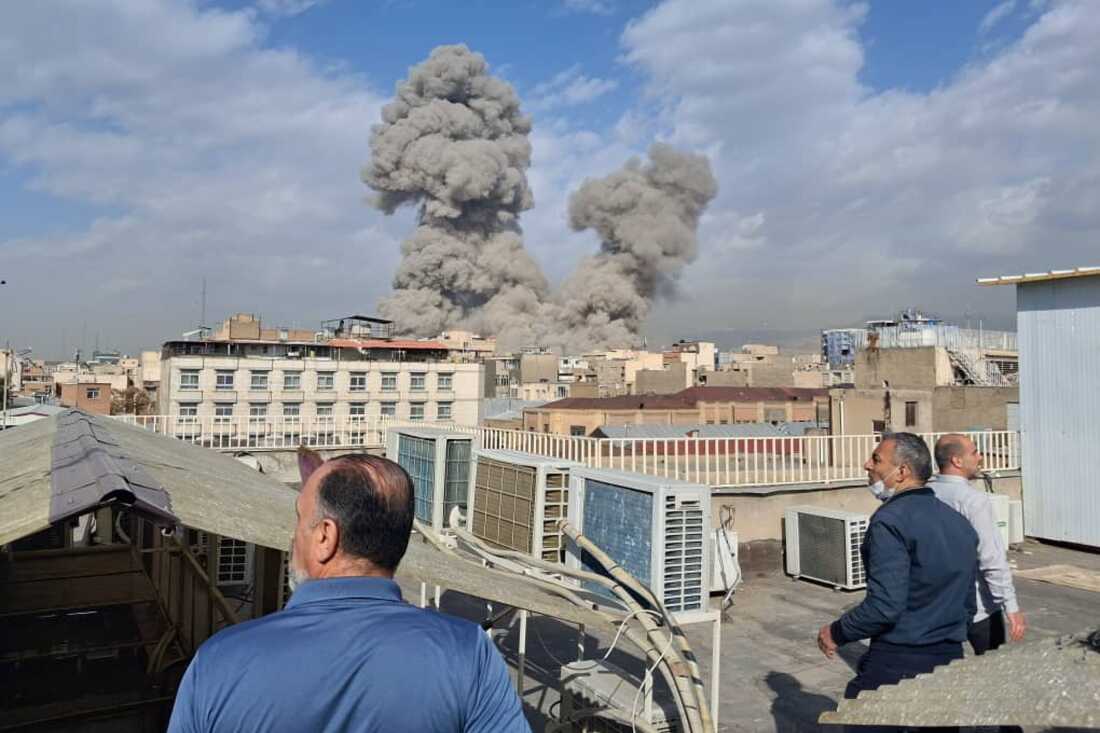
As the tactical smoke settles over Tehran, a secondary political firestorm is igniting in Washington over the fundamental soul of American war-making. With reports of casualties and shifting rationales emerging from the SCIF, a high-stakes legislative gamble is now underway to determine if the “Executive Sword” can truly be wielded without the explicit consent of the people’s representatives.
How We Got Here: From “Epic Fury” to the Gang of Eight Briefing
The current constitutional friction stems from Operation Epic Fury, the joint U.S.-Israeli campaign that targeted dozens of senior Iranian leaders over the weekend. President Trump has characterized the operation as a necessary preemptive strike, but the shifting explanations for the mission have left many in Congress skeptical of the administration’s long-term endgame.
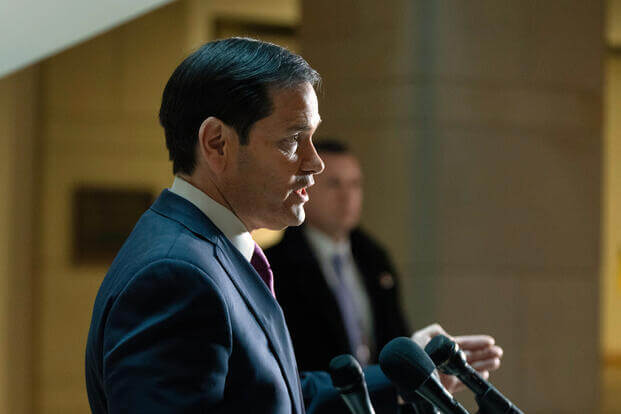
On Monday, top officials including Secretary of State Marco Rubio and CIA Director John Ratcliffe briefed Congressional leaders on the “imminence” of the Iranian threat. However, ranking members like Senator Mark Warner expressed concerns that the administration’s rationale has changed multiple times, moving from nuclear containment to regime change in a matter of days.
The War Powers Resolution of 1973 was designed precisely for this moment—to prevent the Executive from drifting into a “war of choice” without a clear, authorized mandate from the Legislative branch.
The Hard Facts: Six Casualties and the 25% Threshold
While the White House highlights the neutralization of 49 senior Iranian leaders, the human cost on the American side is coming into sharper focus. Defense Secretary Pete Hegseth confirmed that six U.S. service members have been killed in the conflict so far, with warnings that more losses are expected as the “big wave” of the operation approaches.
Politically, the administration is fighting an uphill battle for public sentiment. New polling suggests that only one in four Americans currently support the military operation in Iran, providing Democrats with the political capital to force a floor vote on the President’s war powers.
- The “Imminence” Dispute: Senator Mark Warner stated that officials failed to prove an imminent threat to the U.S..
- Foreign Policy Threshold: Warner argued that a threat to an ally does not automatically grant the President unilateral war power.
- Evacuation Orders: The State Department has urged Americans to “depart now” from over a dozen Middle Eastern countries due to escalating safety risks.
- Legislative Strategy: House and Senate Democrats are demanding an immediate vote to limit the scope of the war, citing a lack of strategic clarity from the White House.
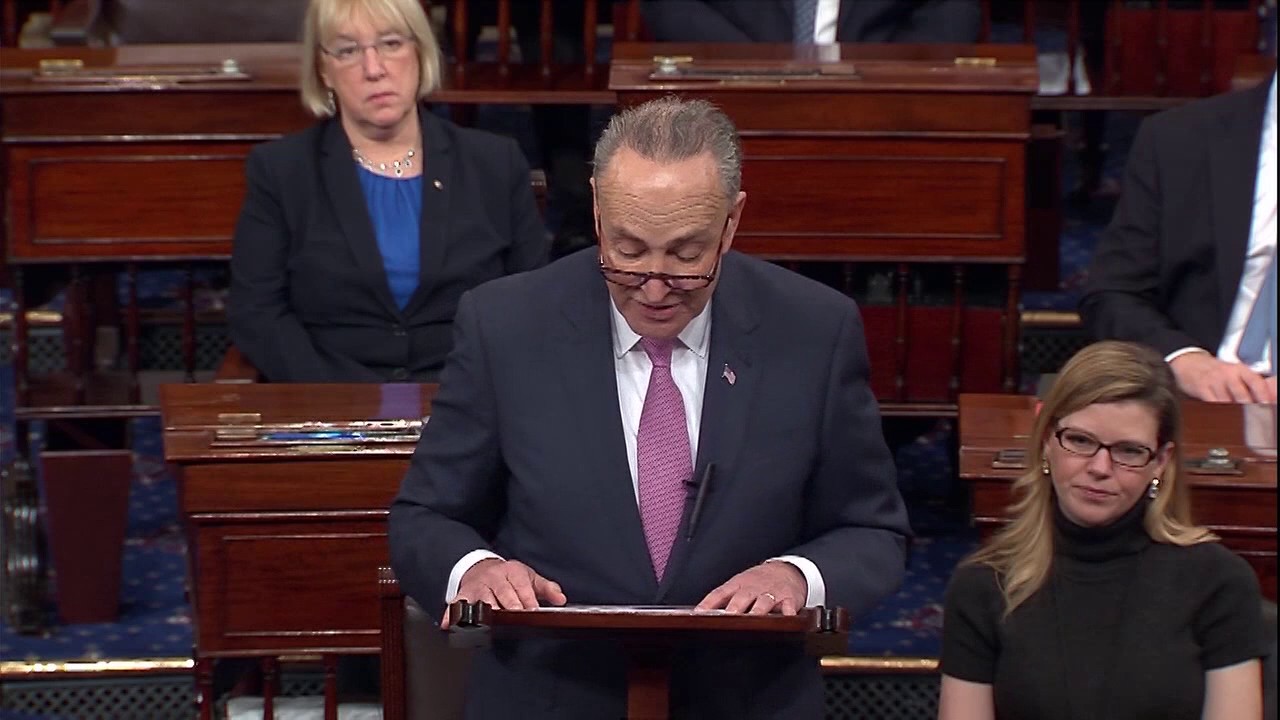
“This is Trump’s war. This is a war of choice. He has no strategy, he has no end game.” — Senate Minority Leader Chuck Schumer
The Friction of Collective Defense
At the heart of the 2026 crisis is Article II, Section 2, which names the President as Commander-in-Chief, vs. Article I, Section 8, which reserves the power to declare war for Congress. The administration’s “preemptive” strikes suggest a theory where defensive actions can be expanded into all-out war without a formal vote, provided the threat is framed as regional.
Equating a threat to Israel with an imminent threat to the U.S. effectively bypasses the Separation of Powers. If this interpretation holds, the legislative check on war-making becomes a historical relic, essentially allowing the Executive to define “emergency” at its own discretion.
The 48-Hour Clock and the Legislative Brink
The strikes on Iran have reached the critical 48-hour reporting deadline mandated by the War Powers Act. While Speaker Mike Johnson defends the operation as a “defensive measure,” the Democratic push for a vote ensures that the administration will have to defend its “end game” on the record.
The 2026 constitutional landscape is one where the “Power of the Sword” is being challenged by a reawakened “Power of the Gavel”. As the conflict moves into a new, more dangerous phase, the ultimate question is whether the Constitution’s referee—the Congress—has the resolve to reassert its role before the temporary strikes become a permanent regional war.