
Join the Discussion
A Modern Call to Wealth Redistribution
In the ongoing debate about wealth inequality in America, a new legislative proposal has emerged that aims to shift financial burdens from struggling households to the nation’s wealthiest individuals.
Progressive lawmakers, led by Senator Bernie Sanders and Representative Ro Khanna, have introduced a bill that not only seeks to impose a substantial wealth tax on billionaires but also promises direct financial relief to families in need.
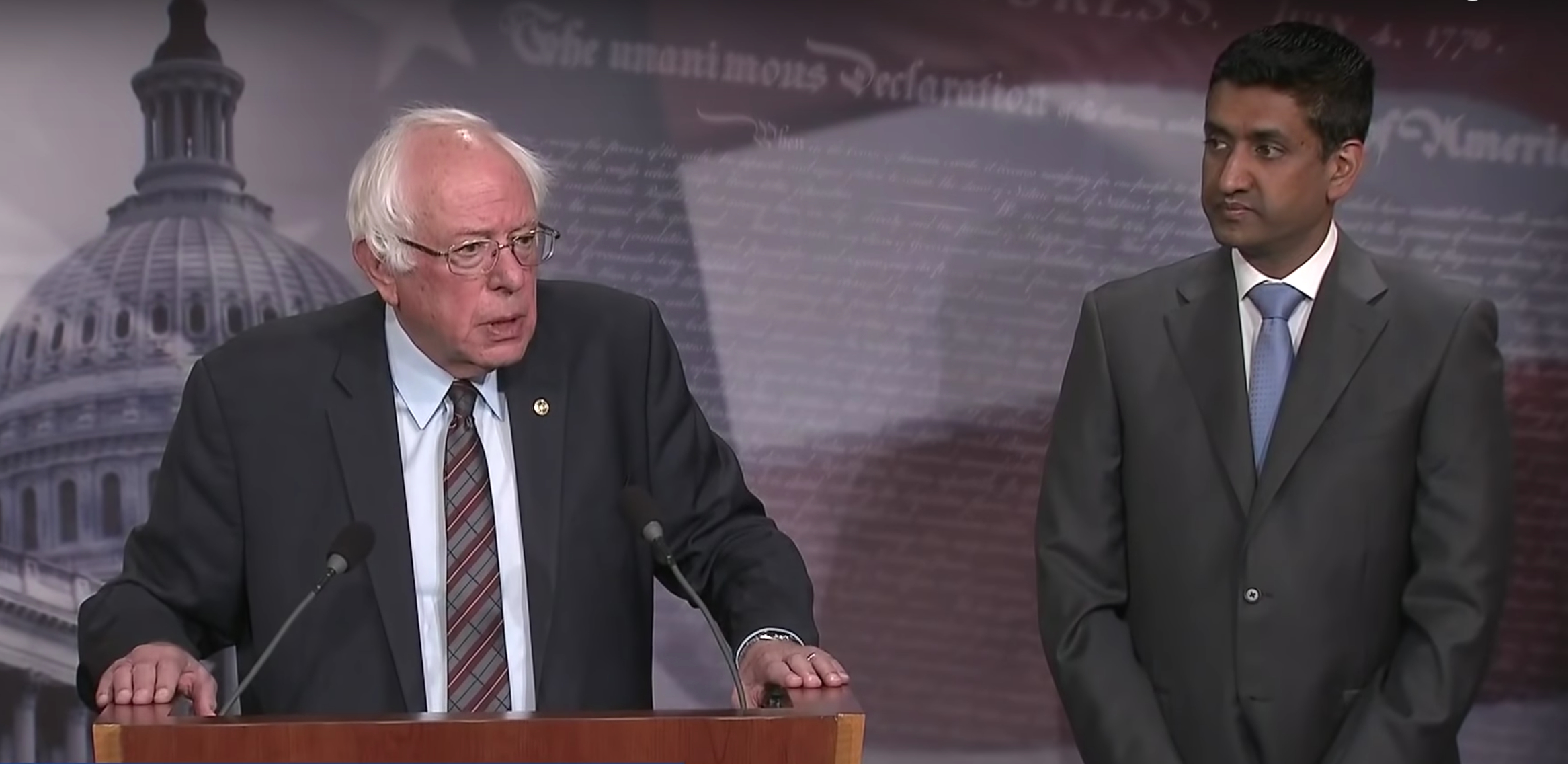
This initiative reflects a broader economic narrative that has evolved over decades, grappling with the persistent divide between the affluent and the economically disadvantaged.
The proposal, known as the “Make Billionaires Pay Their Fair Share Act,” targets a select group of billionaires with a hefty 5% annual wealth tax on assets exceeding $1 billion.
In a country where income inequality has reached alarming levels, the legislation aims to redistribute a significant amount of wealth – estimated at $4.4 trillion over the next decade – to fund various social programs and provide $3,000 payouts to qualifying households.
As this initiative unfolds, it raises critical questions about the constitutional implications of such wealth redistribution and the historical context surrounding taxation in the United States.
The Legislative Proposal: An Overview
At its core, the proposed legislation seeks to impose a wealth tax on 938 individuals, including high-profile billionaires like Elon Musk and Jeff Bezos.

The projected revenue from this tax is intended to finance a range of government initiatives, including
- expansions in Medicare,
- affordable housing projects, and
- educational support for public school teachers.
By targeting the wealthiest Americans, the bill aims to address what proponents describe as a corrupt tax system that favors the ultra-rich at the expense of average citizens.
Senator Sanders articulated the rationale behind the proposal, stating,
“At a time of unprecedented income and wealth inequality, this legislation demands that the billionaire class in America finally pay their fair share of taxes.”
This sentiment resonates with a growing number of Americans who feel left behind in an economy that seems to benefit only a select few.
The Idea Is Not New
The concept of a wealth tax is not entirely new in American history. Various forms of taxation have been employed over the years, particularly during times of economic upheaval. For instance, during the 1930s, the federal government increased taxes on the wealthy to fund New Deal programs aimed at alleviating the effects of the Great Depression.
Similarly, post-World War II America saw the implementation of high-income tax rates on the wealthy to address economic challenges and fund public infrastructure.
However, the modern legislative landscape surrounding taxation has shifted significantly. The complexities of tax codes and the influence of lobbying efforts have led to a system that many argue disproportionately benefits the wealthy.
This latest proposal seeks to challenge that status quo by directly addressing the concentration of wealth and its implications for economic mobility.
Constitutional Considerations
As lawmakers push forward with this ambitious tax proposal, it is essential to consider the constitutional underpinnings of taxation in the United States. Article I, Section 8 of the Constitution grants Congress the power to levy taxes, but it also mandates that taxes must be uniform across the states.
This raises questions about how a wealth tax, which varies significantly based on individual net worth, would align with constitutional requirements.
Critics of the proposal may argue that such a tax could face legal challenges on constitutional grounds, particularly regarding the principle of equal protection under the law. The debate will likely center on whether the wealth tax constitutes a direct tax, which is subject to strict constitutional limitations, or if it falls under the purview of permissible income taxation.
Political Dynamics and Vote Math
The political landscape surrounding this proposal is equally complex. With a divided Congress, the success of the “Make Billionaires Pay Their Fair Share Act” hinges on the ability of its proponents to galvanize support among their colleagues.
Currently, Democrats hold a slim majority in the Senate, which will be crucial for advancing such legislation. However, unity among Democrats is not guaranteed, as differing views on taxation and economic policy persist within the party.
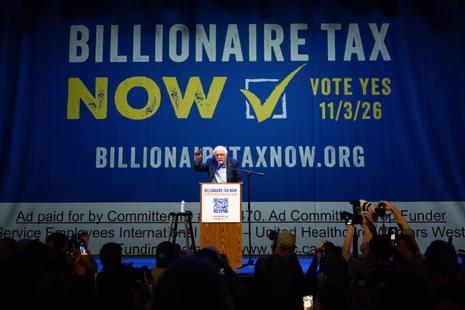
Additionally, the proposal faces significant opposition from Republican lawmakers, who argue that imposing a wealth tax could drive billionaires out of the United States, ultimately harming the economy.
As noted by Tax Foundation senior fellow Jared Walczak, proponents of the bill must convincingly demonstrate that the anticipated revenue will not lead to adverse economic consequences.
The Future of Wealth Redistribution in America
The introduction of a wealth tax targeting billionaires represents a pivotal moment in the ongoing dialogue about economic inequality in America. As lawmakers navigate the complexities of taxation and its constitutional implications, the outcome of this proposal could shape the landscape of wealth distribution for generations to come.
The fundamental question remains: can a system designed to alleviate economic disparity effectively harness the resources of the wealthiest while adhering to the principles of fairness and equality enshrined in the Constitution?
“Billionaires cannot have it all. It is time to enact a wealth tax on billionaires and use this revenue to address some of the major crises facing working families.” – Senator Bernie Sanders