
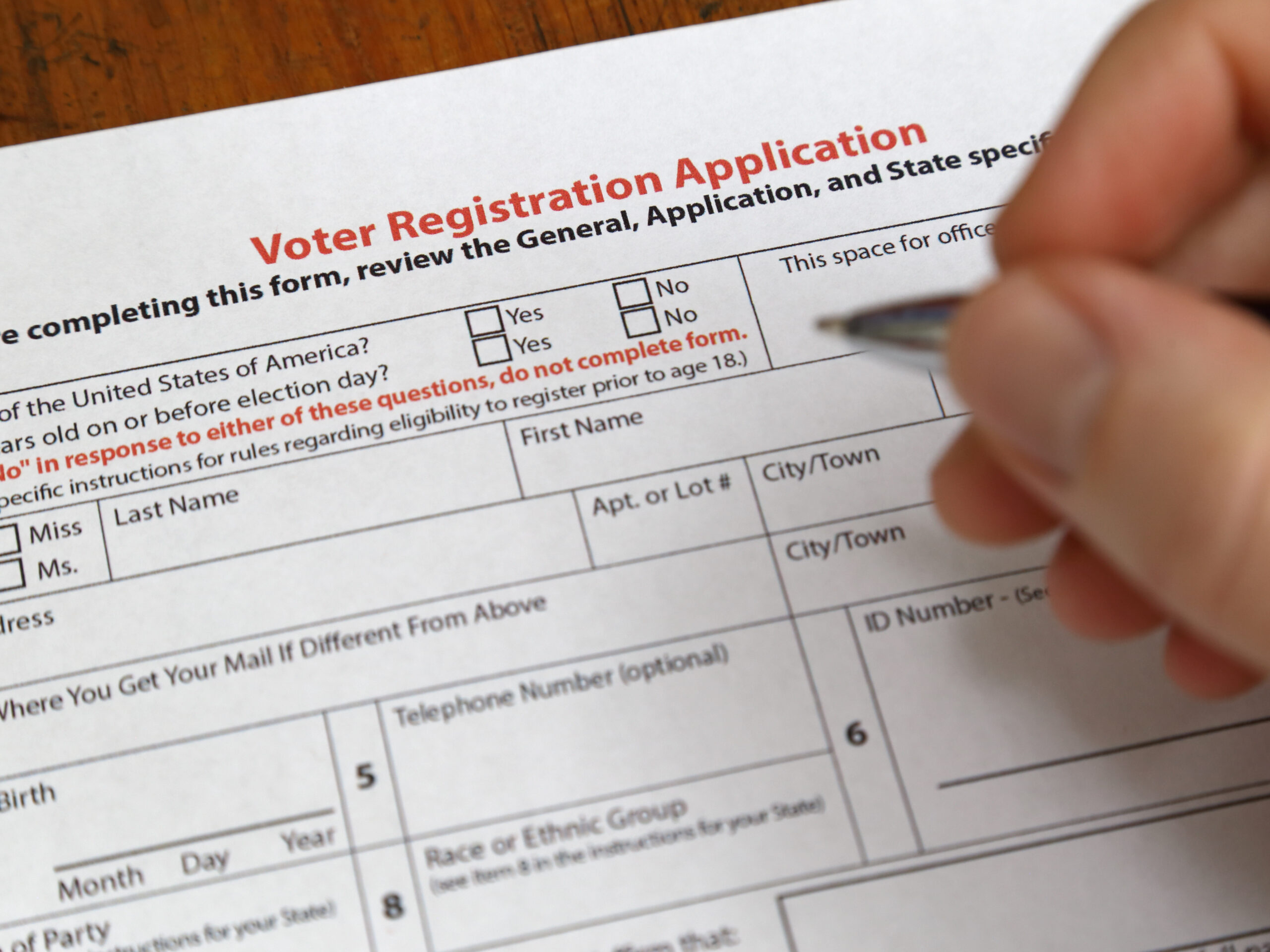
Voter registration records sit in a complicated place. States often let the public view or purchase parts of the voter file, but those same states also treat the information as something that can create serious privacy and security problems if it spreads too broadly.
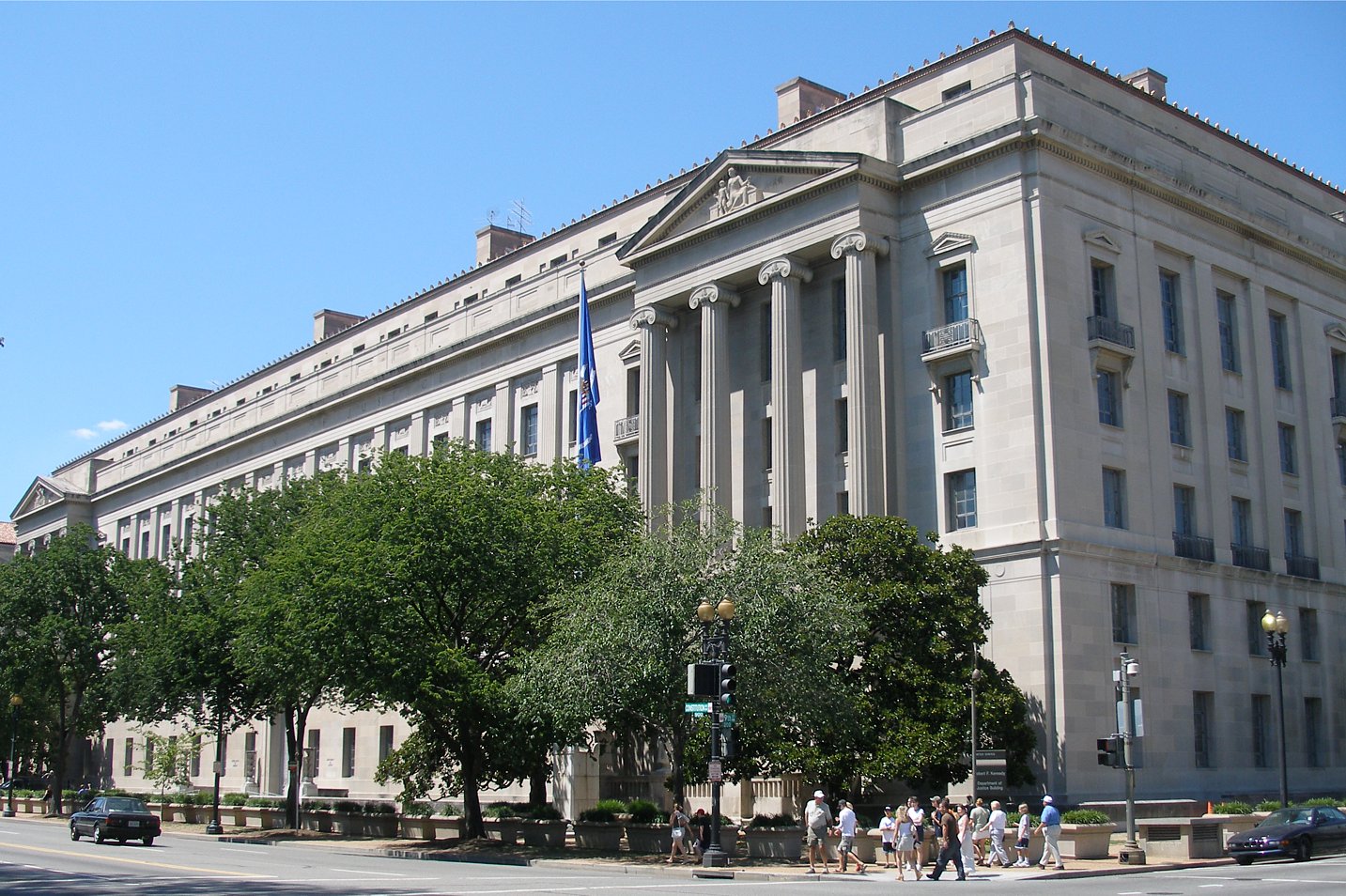
That push and pull is why critics react strongly when the Department of Justice (DOJ) presses states to turn over voter data, and why the SAVE America Act raises alarms as a tool that could strong-arm states into doing it. What is available under a state’s own disclosure rules is not the same as a large-scale transfer for federal use.
Join the Discussion
Public has limits
There is no single national standard for what voter file details are shareable. Each state decides how much information about an individual voter can be released and what must remain protected.
States also control the practical terms of access, including what the data costs. So even when voter registration records are described as public, that label comes with state-by-state boundaries.
Why states restrict it
States build guardrails around voter registration records because the data points back to real people. Even when some fields are legally available, voter files can still contain sensitive information.
The risk is not theoretical. Personal data can be exploited by bad actors, and it can also be mishandled by people who are simply careless. Limits on distribution are one way states try to reduce those risks while still allowing some public access.
Federal collection concerns
Critics say the calculus changes when voter data is aggregated at the federal level. Consolidating large volumes of voter information can create a more attractive target for hackers and other cybersecurity threats.
If a breach hits a combined dataset, the harm can land on two fronts at once: weakened election security and reduced privacy for individual voters.
Why this hits now
People have grown used to the idea that personal information moves widely in modern life, often traveling far beyond what they can easily see or control once it is collected and stored digitally.
Against that backdrop, it can be easy to miss what critics say is different here: custody and scale. State-controlled disclosure is not the same thing as expanding federal possession of sensitive voter information.
Intent and misuse
Privacy and cybersecurity are only part of the objection. Critics also focus on what federal officials might try to do with voter data once they have it, especially given the DOJ’s pressure campaigns, litigation, and other tactics to obtain state voter information.
Those worries sharpen, critics argue, because the DOJ is stacked with election deniers. Trump loyalists inside the department have echoed the president’s baseless voter fraud claims, and critics fear voter data could be distorted, selectively framed, or otherwise misused to help set the stage for overturning election outcomes he does not accept.
SAVE Act pressure
For critics, the SAVE America Act raises the stakes because they see it as federal leverage that would push states toward handing over voter data.
They argue it would shift control away from state-by-state handling and toward broader federal collection, increasing the chances that sensitive information could be exposed, mishandled, or used in ways states did not intend.
Bottom line
Calling something a public record does not mean it is a free-for-all. Voter registration records may be accessible in part, but states impose rules because the information can be sensitive and the harm from mishandling can be serious.
- States set the rules. What can be released, and on what terms, varies from state to state, including the cost of access.
- Access can still be risky. Sensitive voter data can be abused by malicious actors or mishandled through simple carelessness.
- Federal aggregation raises exposure. Concentrating voter data at the federal level can increase vulnerability to hackers and cybersecurity threats.
- Context shapes trust. With election deniers in the DOJ and repetition of baseless fraud claims, critics worry voter data could be twisted or deliberately misread to support efforts to overturn results Trump does not accept.
That is why critics reject the idea that “public record” should function like a blank check.