
The Fourth Amendment was written with a simple instinct: a person’s home should not be treated like a public hallway. The recurring question in state and local policymaking is how far government should be able to go in peering into the home, and how easily private spaces can be treated as close enough to public for official purposes.
Some measures in this area can look technical, even boring. Administrative inspections. Data collection. Code enforcement. Public safety. But the constitutional question is anything but boring.
When proposals are introduced that widen government access to private property or home-linked information, the pressure does not land only on criminals. It can land on ordinary people. On renters. On homeowners. On the person who has nothing to hide but still has a right to shut the door.
Join the Discussion
What can expand
Not every privacy fight involves a police officer and a battering ram. Some of the most consequential pressure points are subtler, and that is exactly why they matter. The mechanisms below show how the law can drift toward greater access without always announcing it as such.
1) Easier entry for inspections
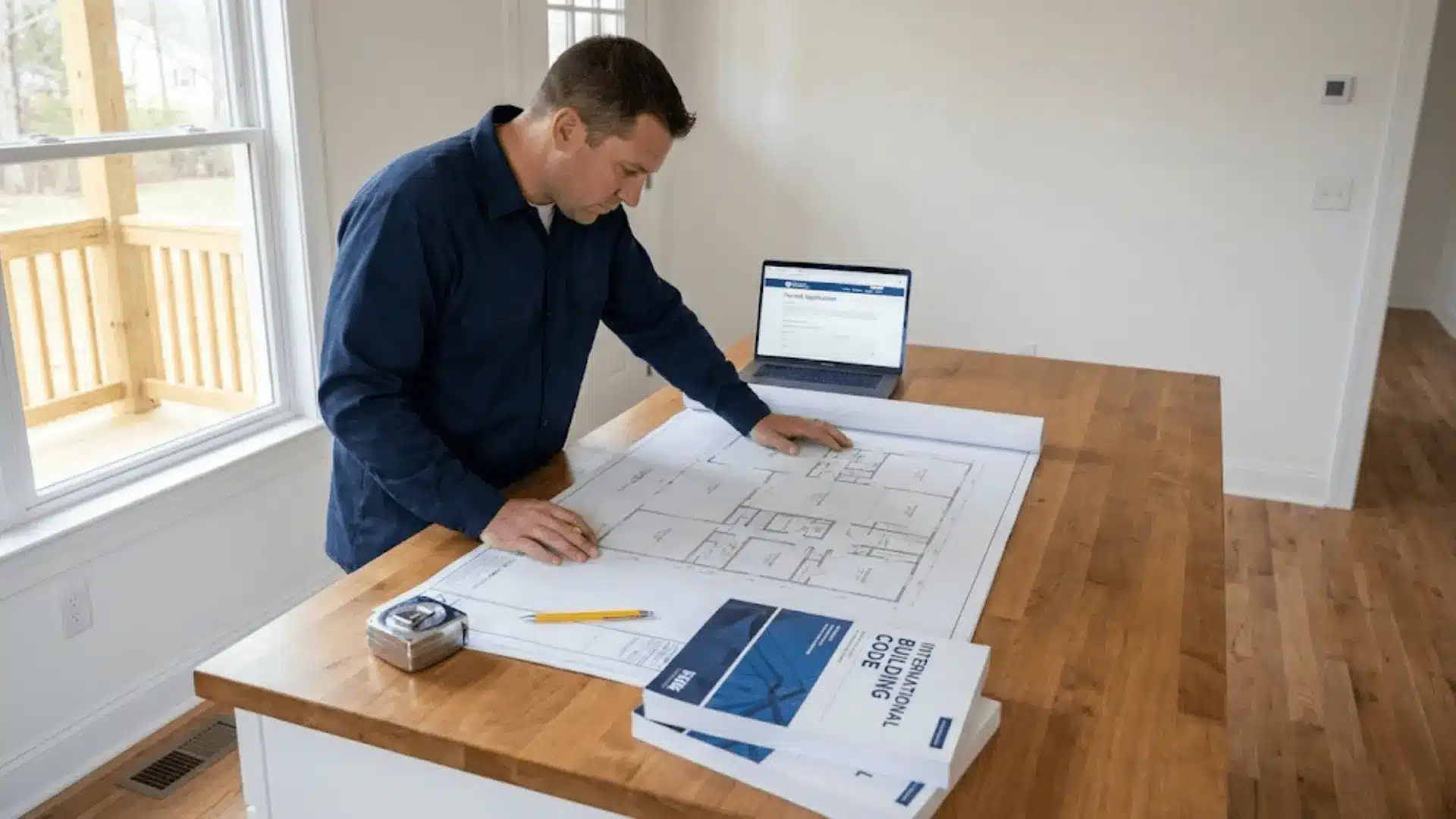
States and localities have long enforced building codes, health rules, fire safety standards, and nuisance ordinances. The constitutional issue can arise when officials are authorized to step onto private property, linger in home-adjacent areas, and document what they see with fewer practical limits or fewer procedural hurdles than people expect.
The language often leans on terms like administrative or civil, as if the Fourth Amendment only cares about criminal cases.
Labels do not control the analysis. The Fourth Amendment is about searches, not paperwork categories, and regulatory activity can still implicate search rules.
It is also worth acknowledging a practical middle ground many jurisdictions already use: an inspection or administrative warrant process. The dispute is usually not whether any inspection can ever occur. The dispute is about scope, standards, and whether refusal is treated as a right or punished like a violation.
Hypothetical example: A city ties a rental license to “periodic inspections,” then imposes escalating fines for tenants or landlords who refuse entry without individualized suspicion. Even if the stated purpose is housing quality, the Fourth Amendment question remains whether the program meaningfully respects the right to say no without being punished for it.
2) More access to home-linked data
“Home information” can mean far more than a deed at the county recorder’s office. Depending on the program, it can include occupancy records, permit histories, parcel-level imagery, utility usage patterns, or other records that sketch the rhythms of life. The constitutional friction point is not only whether the government can collect that information, but whether it can do so without a warrant and without meaningful limits on retention, sharing, or reuse.
Hypothetical example: A utility shares granular usage data with an enforcement agency to flag “unusual” patterns that might suggest unpermitted occupancy. Even if the intent is administrative, the result can feel like a proxy window into the home.
3) Workarounds for warrants
Some policies do not say “no warrant required” in big letters. Instead, they can create alternative mechanisms that function like shortcuts: broad “inspection authority,” paperwork-heavy “consent” regimes, or penalties that make refusal costly. If the choice is “let us in” or “you will be punished for saying no,” consent stops being consent and starts being coercion in administrative clothing.
Fourth Amendment basics
The Fourth Amendment protects against “unreasonable searches and seizures” and says warrants must be supported by probable cause and describe the place to be searched and the things to be seized.
On paper, that is clear. In practice, the fight is usually over two questions:
- Was there a search? If courts say “no,” the Fourth Amendment never enters the conversation.
- If it was a search, was it reasonable without a warrant? This is where exceptions expand, sometimes quietly.
The home sits at the center of Fourth Amendment protection. Courts have historically treated the interior of a home as the place where privacy expectations are at their highest. That does not mean the government can never enter. It means the government must usually meet the warrant requirement, unless a recognized exception applies.
Key pressure points
Curtilage
There is a reason people get uneasy when officials walk around the side of the house or linger near a backyard gate. Constitutional protection does not abruptly stop at drywall. Courts use the concept of curtilage, the area around the home that is intimately tied to home life.
When a government treats porches, side yards, fenced areas, and driveways as fair game for routine checking, the legal line between “outside” and “inside” can start to feel like a trick. Once this becomes normalized, it becomes easier to justify the next step.
Cameras and remote viewing
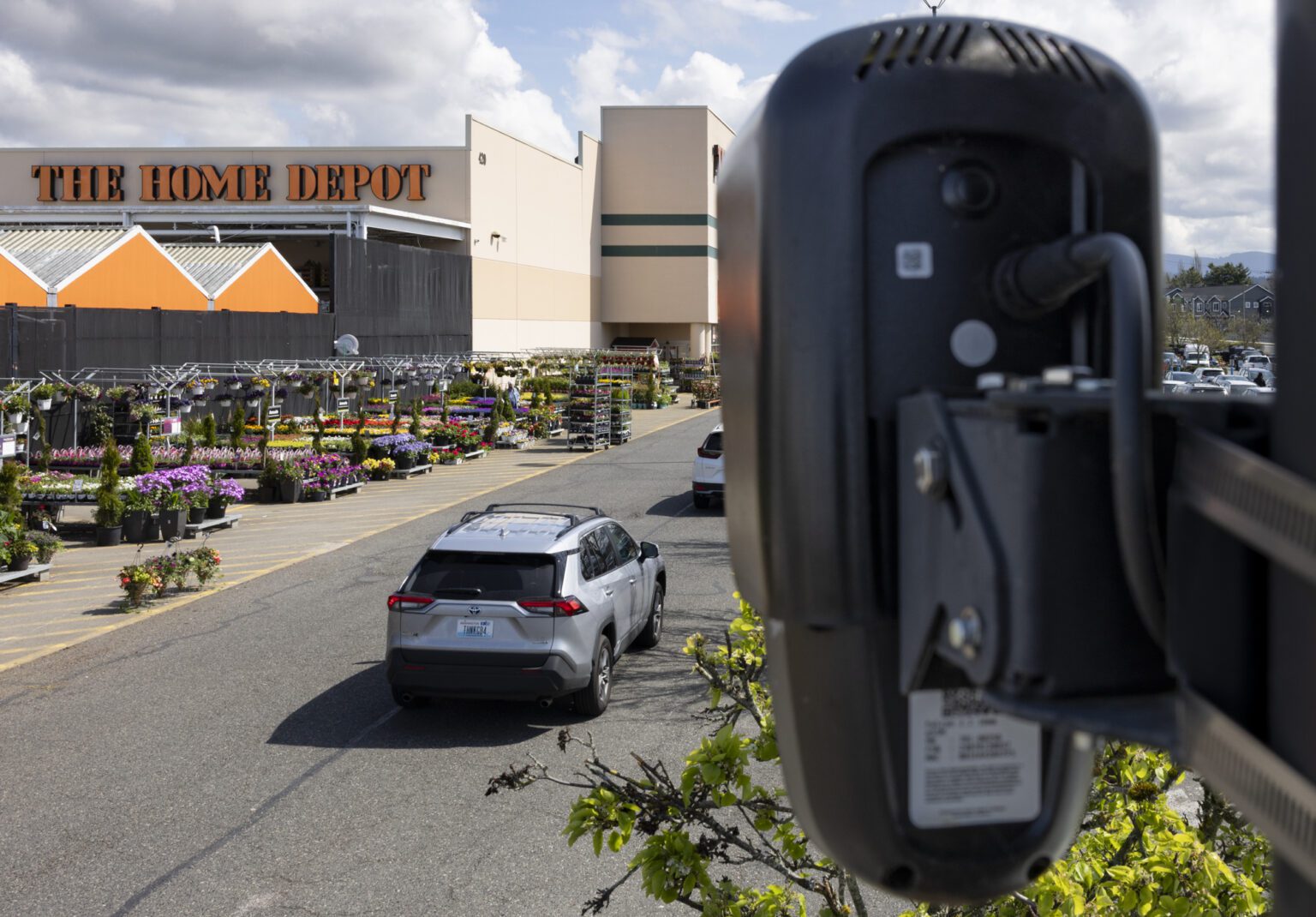
Modern technology tempts lawmakers with a simple pitch: why knock on doors when you can observe from a distance? Fourth Amendment disputes increasingly revolve around whether “no physical trespass” means “no search.”
High-resolution imagery, persistent surveillance, and automated analysis can reveal patterns of life that feel like an interior view even if the sensor is technically outside. The closer government gets to continuous visibility into home life, the more it risks turning the home into something that is always subject to review.
Consent
Consent is one of the most frequently invoked exceptions to the warrant requirement. It is also one of the easiest to manipulate. If a statute or policy creates conditions where saying “no” leads to retaliation, fines, denial of a permit, or other penalties, the Fourth Amendment problem does not disappear just because a form was signed. A coerced “yes” is not the kind of consent the Constitution is supposed to respect.
Administrative searches
Here is a point that gets lost in legislative drafting: the Fourth Amendment is not a criminal-only amendment. Health inspections, housing inspections, and regulatory checks can trigger constitutional rules. The government may sometimes be allowed to use a less demanding standard than probable cause in a strictly administrative context, but that does not mean it gets a blank check.
If a state or locality were to create broad authority to inspect homes, apartments, or home-adjacent areas without meaningful limits, it starts to resemble the very thing the Fourth Amendment was designed to prevent: generalized search power.
It is also worth saying plainly that inspections can serve legitimate ends. Fire safety, structural integrity, lead hazards, and emergency response are real concerns. The constitutional demand is not “never inspect.” It is “inspect with limits,” meaning a clear scope, a clear legal standard, and a clear paper trail that can be reviewed.
Why nothing to hide fails
In the civics classroom, I used to ask students a blunt question: if privacy only protects wrongdoing, why did the Founders bother?
Privacy is not a claim of innocence. It is a claim of ownership. It is the line between citizen and subject.
When government can more easily enter property, demand home-linked information, or assemble dossiers from quiet data streams, the public slowly adapts to being watched. The damage is not always dramatic. It is cumulative. People hesitate. They self-edit. They stop treating the home as a refuge and start treating it as a place that must always be inspection-ready.
What to watch for
- Broad inspection authority that does not clearly limit where officials may go and what they may record.
- Penalties for refusing entry that effectively force compliance.
- Data-sharing rules that allow information gathered for one purpose to be reused for unrelated enforcement.
- Technology permissions that enable persistent or automated monitoring near homes without clear warrant rules.
- Weak oversight, especially when there is no requirement for documentation, audits, or a clear path to challenge misuse.
- No consequences for misuse when an official exceeds scope, retains data too long, or repurposes it outside the stated mission.
The bottom line
The Fourth Amendment is not self-enforcing. It survives because citizens demand that government justify intrusion, and because courts are willing to say, “No, that is too far.”
In this policy category, measures are often presented as safety, housing quality, emergency response, or consumer protection. Those goals can be legitimate. The constitutional question is whether the tool being used is narrowly limited and meaningfully supervised, or whether it turns the home into an easy target for routine access.
The question for our time is whether the home remains the high ground of privacy, or whether it becomes just another node in a state-managed network of information. If the door is still yours, the law should treat it that way.