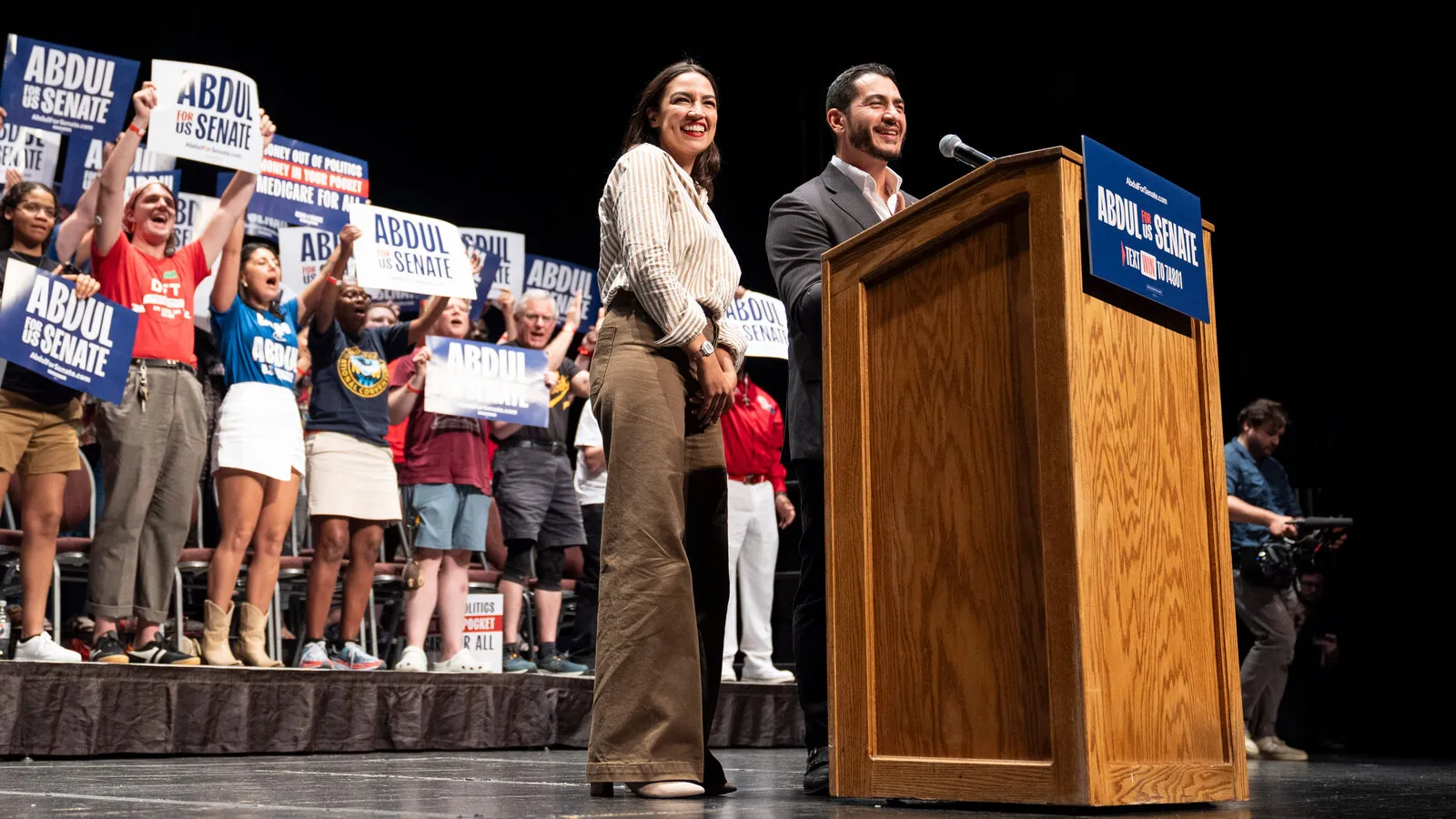
Campaign season has a way of turning personal fast. Michigan’s Senate race offered a clear example Thursday, when Democratic candidate Abdul El-Sayed’s “Shouldn’t Be This Hard” tour stopped in Iron Mountain for a town hall featuring Rep. Alexandria Ocasio-Cortez.
El-Sayed tore into President Donald Trump’s character and took a jab that had nothing to do with policy: “He’s a New York billionaire who has never cared about people in his life. And on top of that ... he has very small hands.” He also referred to Trump as a “punk.”
Hours earlier, Trump had accused El-Sayed of having ties to the Muslim Brotherhood, an allegation El-Sayed has repeatedly denied, while urging voters to back Republican Senate candidate Mike Rogers. Vice President JD Vance also took aim at El-Sayed at a rally in Monroe, accusing him of misrepresenting his background and questioning his priorities. Vance later added a blunt personal insult: “You deserve better than a little weasel who should shut his mouth and show a little gratitude to the country that gave him everything.”
Join the Discussion
Free speech basics
The First Amendment comes up whenever campaigns slide into mockery and provocation. As general civics, the key point is simple: the Constitution limits what government can do to punish speech. It is not a code of conduct for candidates.
Political speech about public figures is often protected even when it is sharp, mocking, or personal. Voters, not courts, usually decide what they will reward at the ballot box.
Iron Mountain remarks
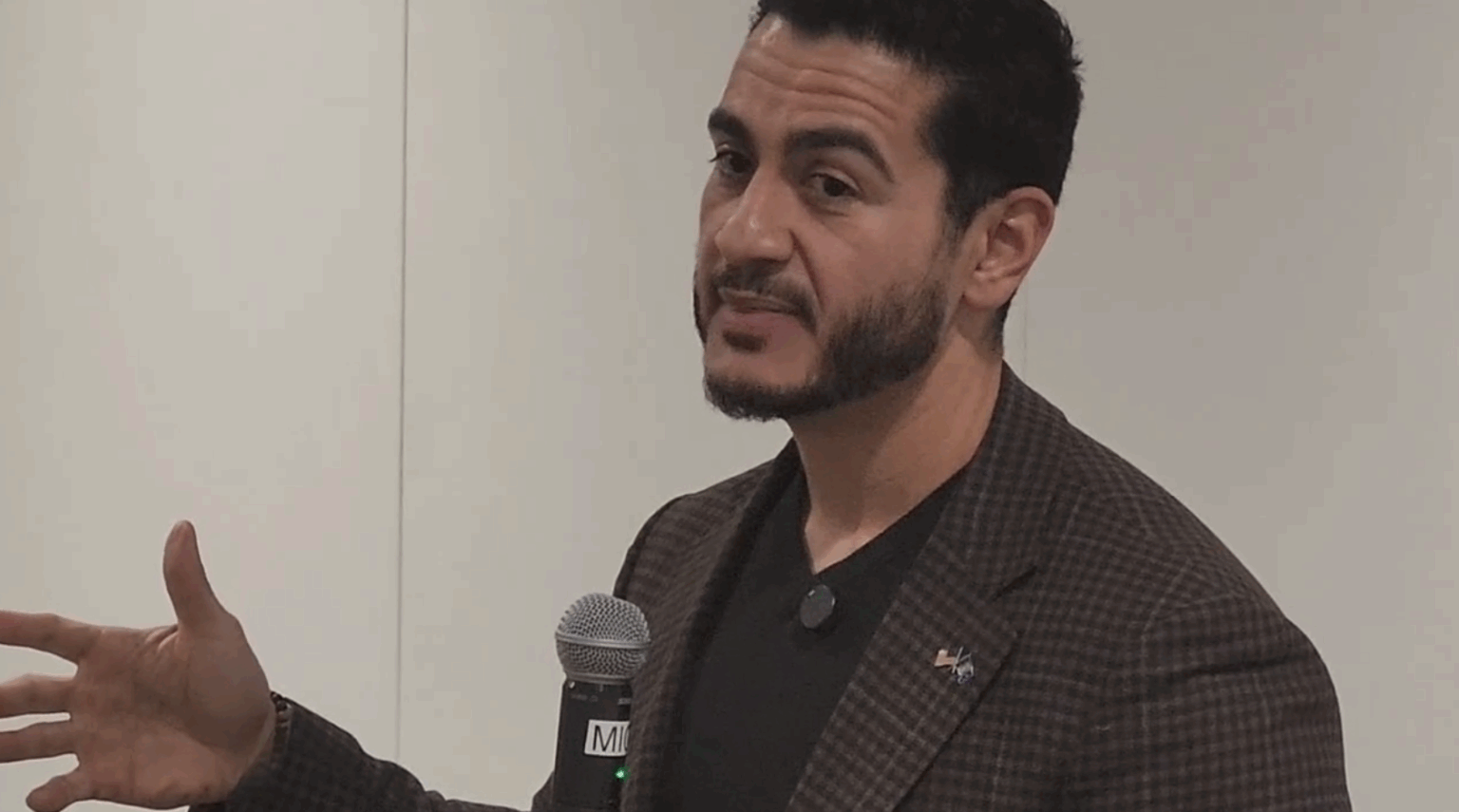
At the Iron Mountain stop with Ocasio-Cortez, El-Sayed aimed his criticism at Trump’s wealth and character, mocked Trump’s “very small hands,” and called him a “punk.”
He also argued Republicans are spotlighting his identity to change the subject. “The reason they keep pointing out my name and my faith is because they think they can distract you from the issues in your life,” he said. He added that his name has nothing to do with the cost of “gas, groceries or healthcare.”
During the town hall, he discussed the meanings of his first and middle names before predicting he would win the November election.
Trump and Rogers
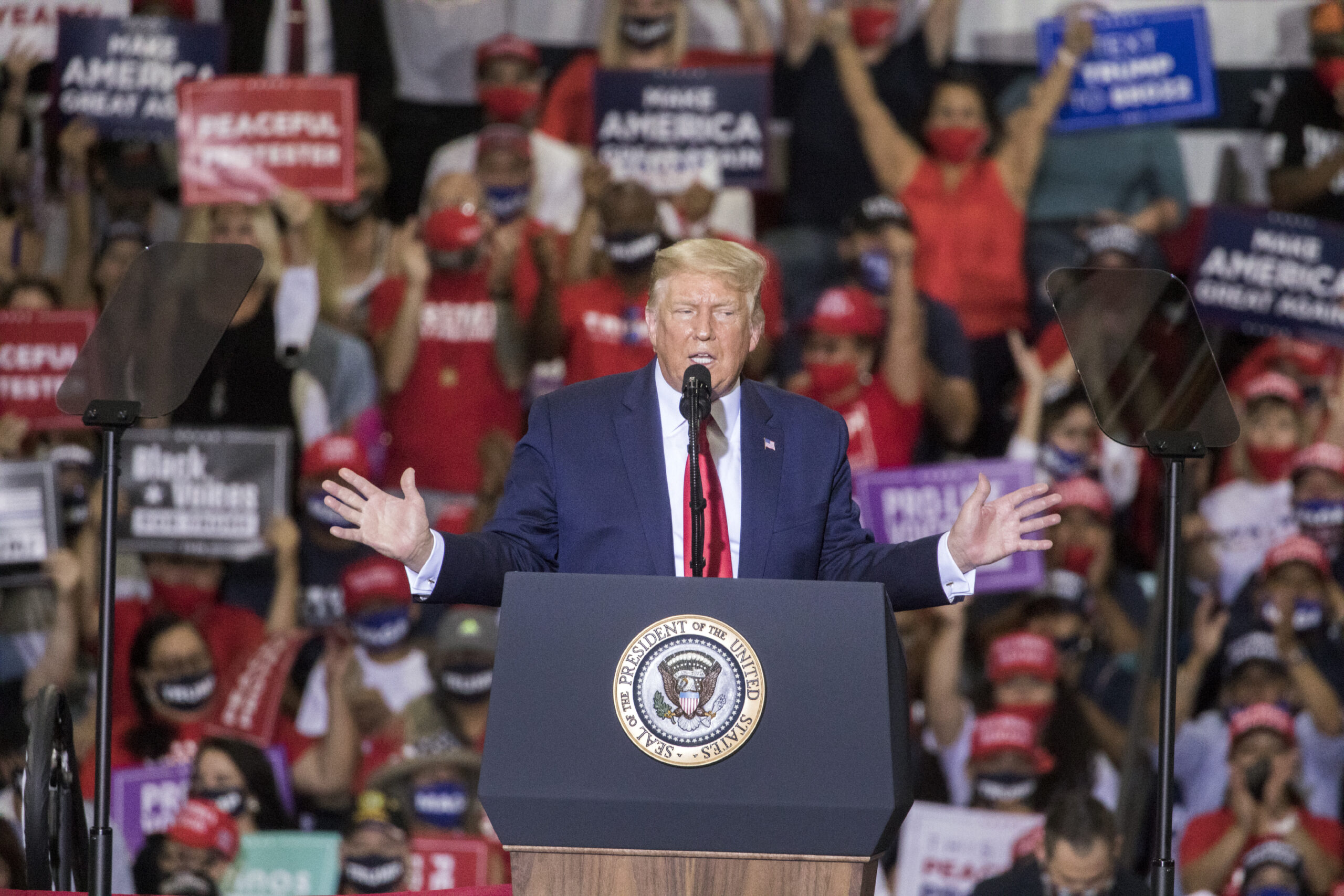
Earlier Thursday, Trump accused El-Sayed of having ties to the Muslim Brotherhood and urged Michigan voters to support Rogers.
“He’s a Muslim Brotherhood guy, 100%, 100%,” Trump said in the Rose Garden during an event for first responders. “How about having him be on the Senate Intelligence Committee? How about that?”
Trump also questioned El-Sayed’s patriotism: “I don’t think this guy likes our country at all,” he said, before adding, “He hates our country. So I hope that he is defeated.” Trump praised Rogers and urged supporters, “We’ve got to make sure that Mike Rogers wins.”
El-Sayed has repeatedly denied having ties to the Muslim Brotherhood, saying in a televised interview that aired Wednesday, “I have no ties, we have no ties.” He also pushed back on questions about social media posts from his half-sister alleging their mother had been involved with the Muslim Brotherhood in Egypt during the 1970s. El-Sayed said he had not discussed the alleged involvement with his mother and questioned the relevance of the decades-old claims. His campaign has previously accused Rogers of making politically motivated attacks on his faith and family.
Vance in Monroe
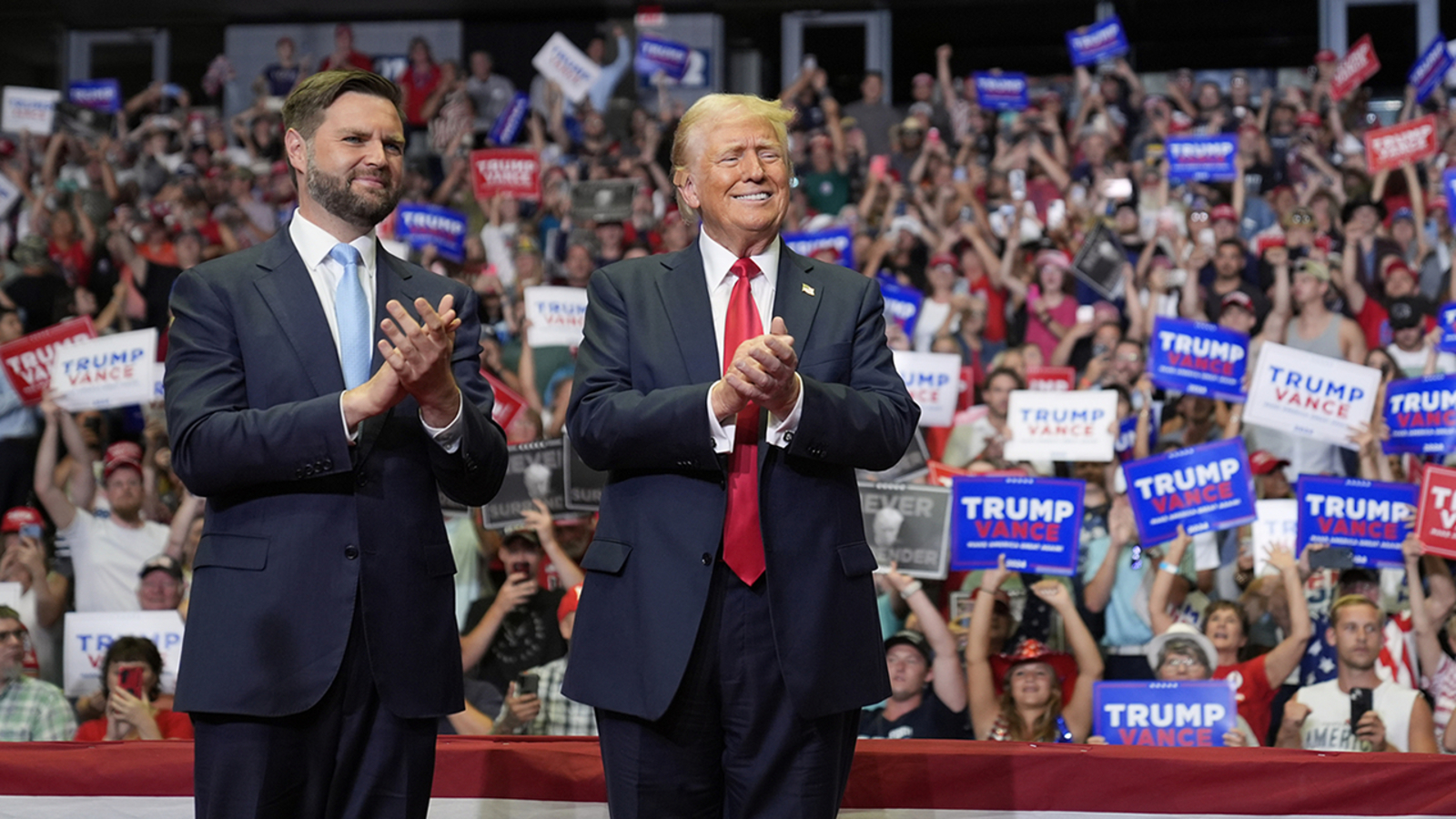
At a Thursday rally in Monroe, Vance accused El-Sayed of misrepresenting his background and prioritizing foreign conflicts over Michigan voters. Vance claimed El-Sayed, who was born in Michigan, had falsely portrayed himself as an Egyptian dual citizen and questioned his commitment to the state.
“He’s ten times more interested in what’s happening in Palestine than in Port Huron. He’s way more interested in what’s happening in Gaza than he is in what’s happening in Grand Rapids,” Vance said.
Vance urged voters to support Rogers, praised Rogers’ military service, and argued that Michigan voters deserve a senator committed to serving the country. He later added, “You deserve better than a little weasel who should shut his mouth and show a little gratitude to the country that gave him everything.”
What voters cite
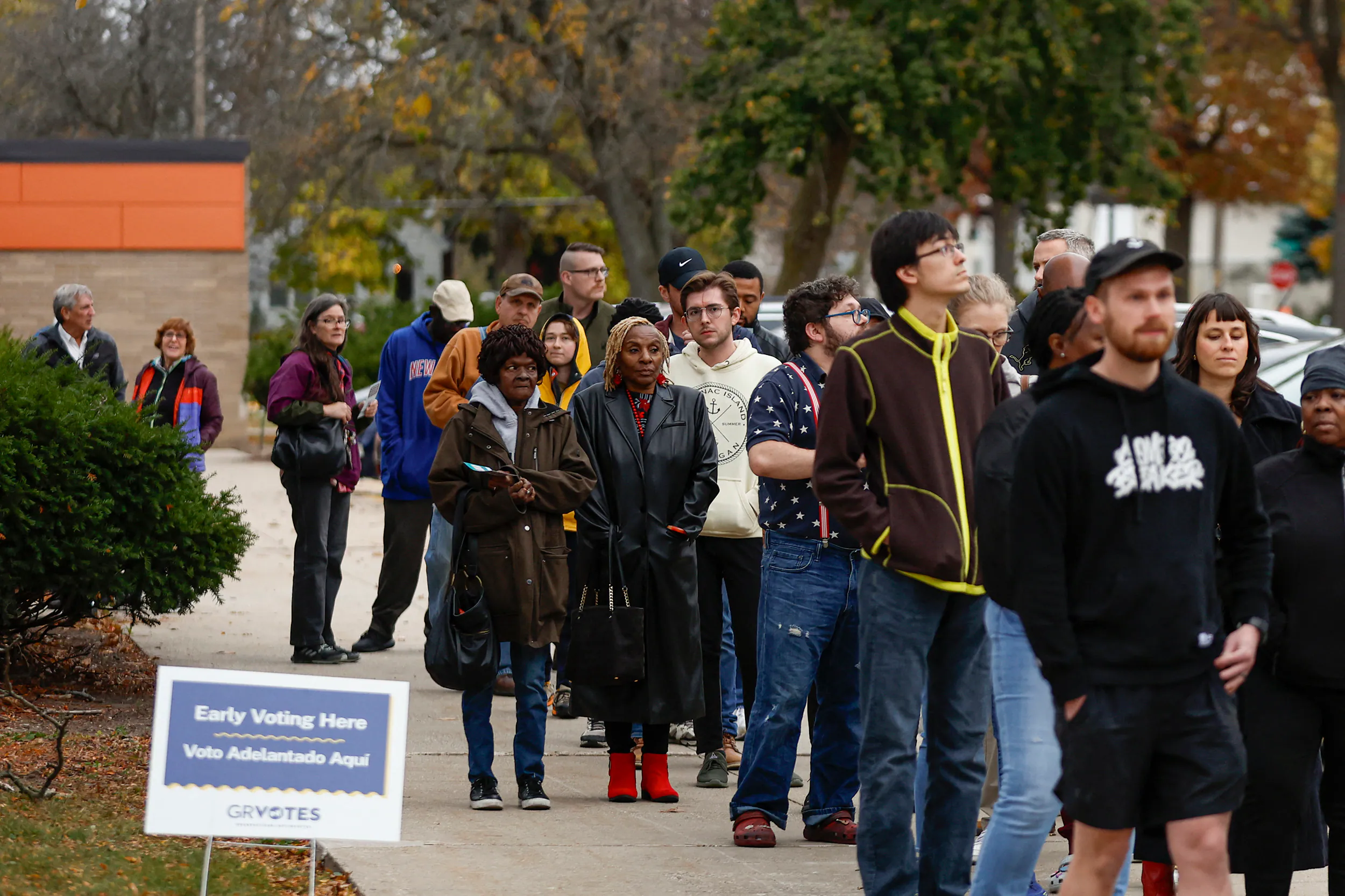
Campaign conflict can be loud, but voters still have a list of day-to-day concerns.
A new poll found that 60% of registered voters are extremely concerned about government corruption. Inflation, gas prices, government leadership and healthcare also rank among voters’ top concerns heading into the Nov. 3 midterm elections. Border security, immigration, crime and the war in Iran were also listed as concerns for voters ahead of Election Day.
El-Sayed argues that attacks on his name and faith are meant to pull attention away from costs like “gas, groceries or healthcare.” The question for the race is whether voters view the messaging as persuasion or as distraction.
Civics checklist
- Insults and mockery: common in campaigns, and often defended in broad free-speech terms in American civic life.
- Religion and identity as targets: hard to regulate as campaign talk, even when corrosive to pluralism.
- Constitution versus culture: constitutional limits focus on government punishment of speech, not on forcing politicians to show restraint.
- The accountability lever: voters decide what kind of rhetoric they want to reward.