
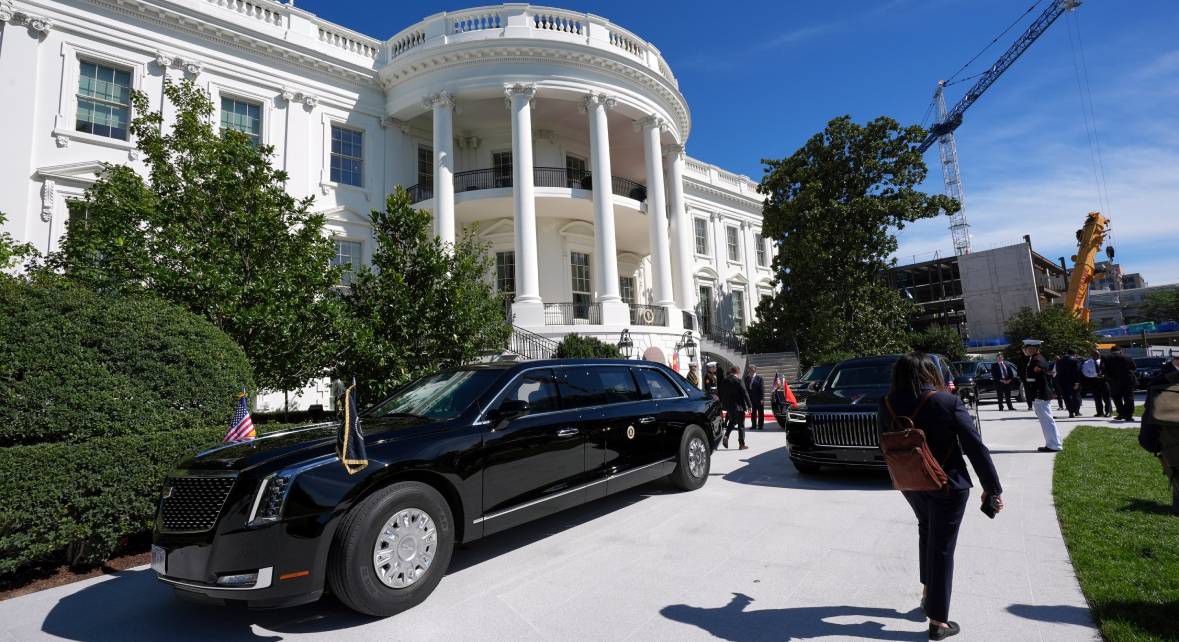
When the White House decides a particular news outlet will not travel on Air Force One, it feels like a modern version of an old problem: the government controlling who gets close enough to ask questions.
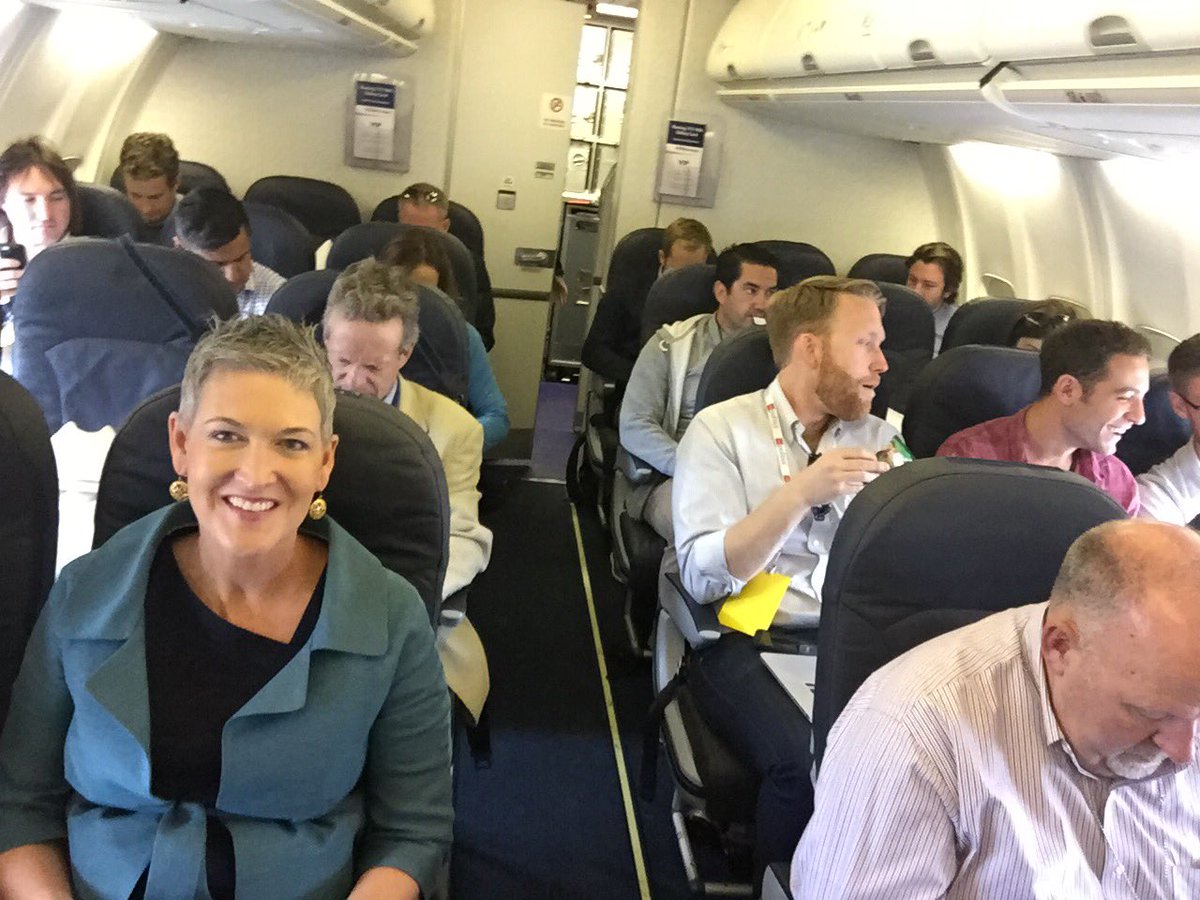
This week, the administration signaled that CNN would not be part of the press traveling with President Donald Trump on an upcoming trip to Knoxville, Tennessee, where he is scheduled to attend the University of Tennessee vs. University of Texas football game. The slot was instead assigned to Real America’s Voice News.
On its face, that might sound like an internal logistics decision. In reality, it sits at the intersection of security, press operations, and the First Amendment’s prohibition on government retaliation for protected speech.
Join the Discussion
What happened
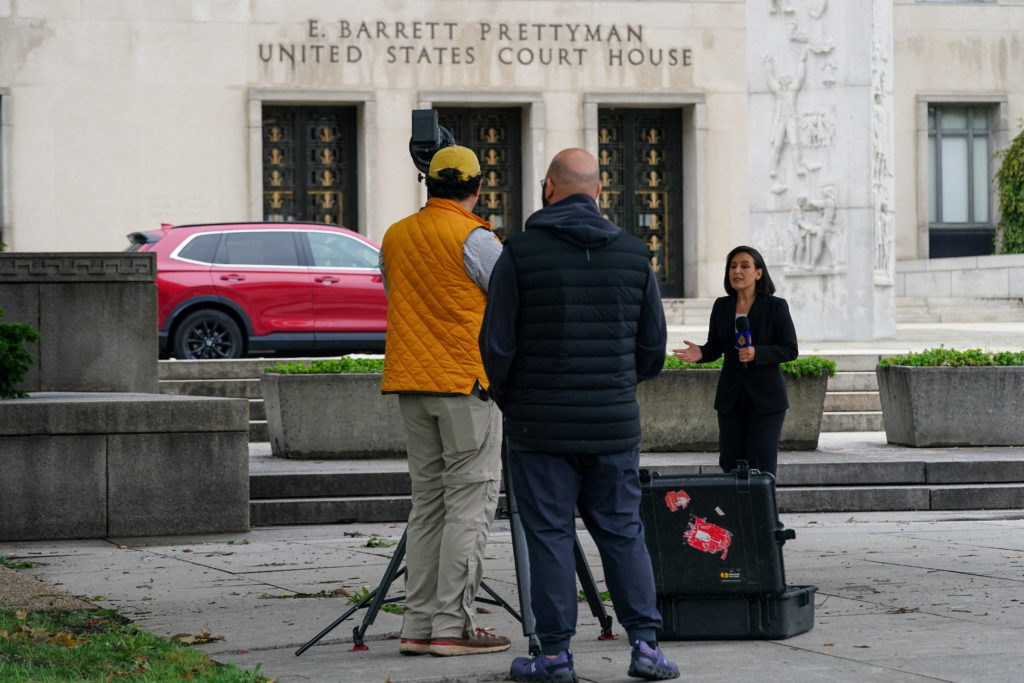
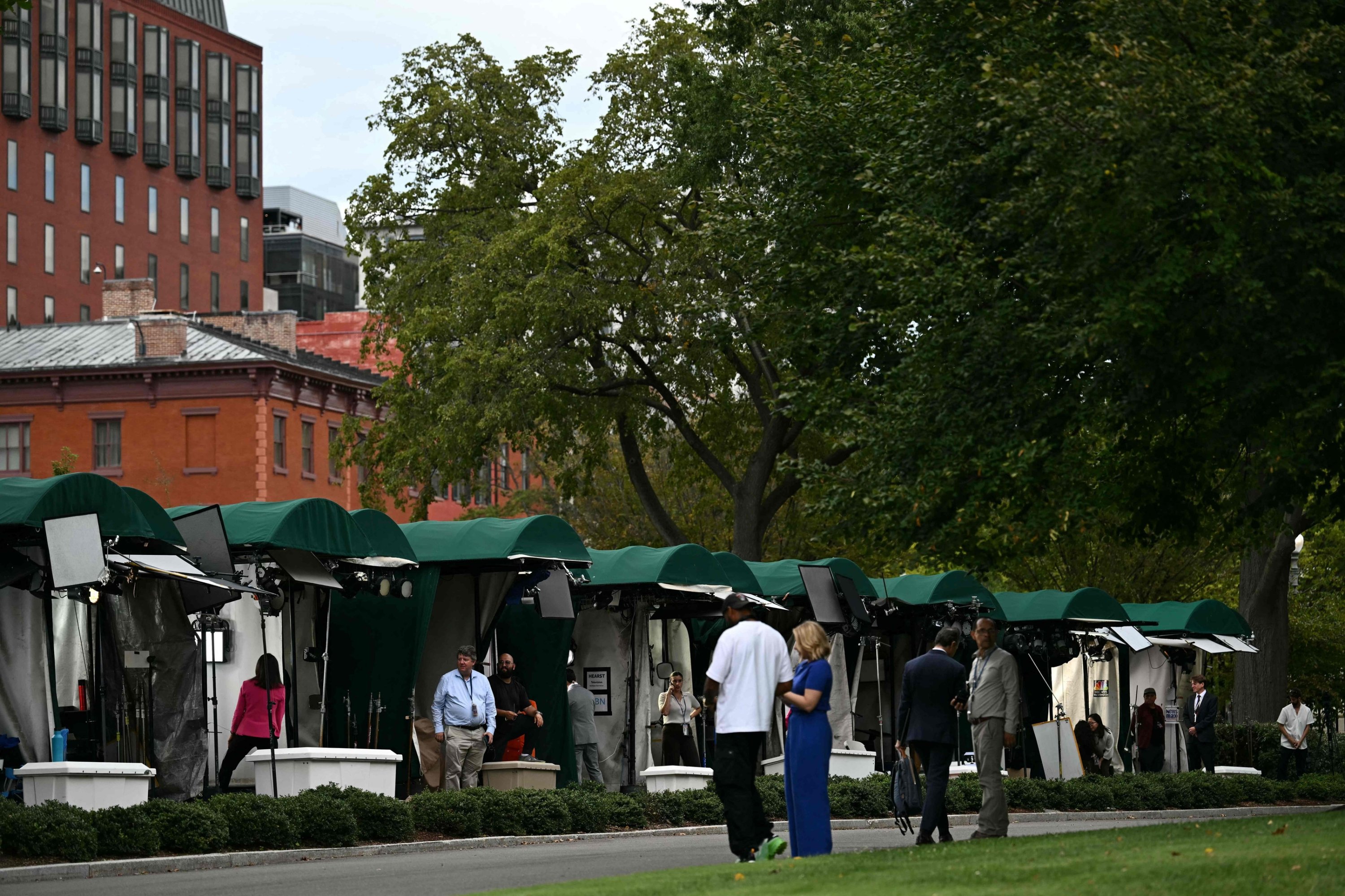
The immediate backdrop is a broader dispute over White House access. CNN, along with MS NOW and Politico, had been barred from White House grounds. A federal judge, U.S. District Judge Timothy Kelly, temporarily halted that ban in an order issued early Thursday, allowing the organizations back into the executive complex while litigation continues.
But the order focused on “hard passes” and access to the White House grounds. It did not explicitly settle everything that flows from being a credentialed outlet, including who performs “pool” duties and who gets a seat on Air Force One.
That gap matters because the pool is not just about convenience. It is how the larger press corps and the public get basic documentation of the presidency when space is limited.
Why the pool exists
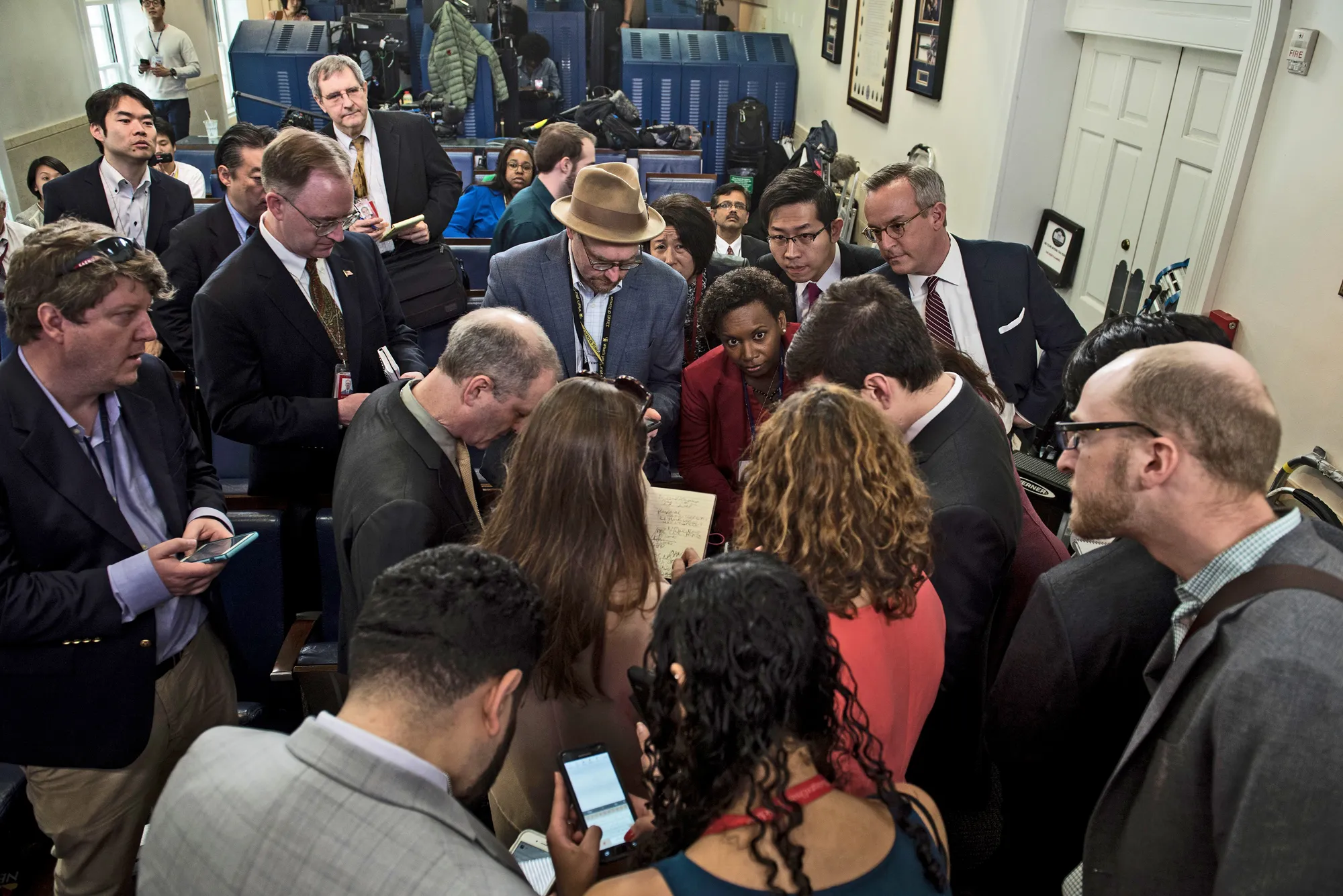
Most Americans do not follow “pool rotations,” but you have benefited from them. When the president travels, walks into an event, or makes a quick appearance where only a handful of cameras can physically fit, the pool is the small, rotating group that goes in and shares what it sees with everyone else.
Historically, the pool system was set up to solve a practical problem: too many reporters, too little space. Over time, it also became a core accountability mechanism, because it ensures someone is there to witness and record.
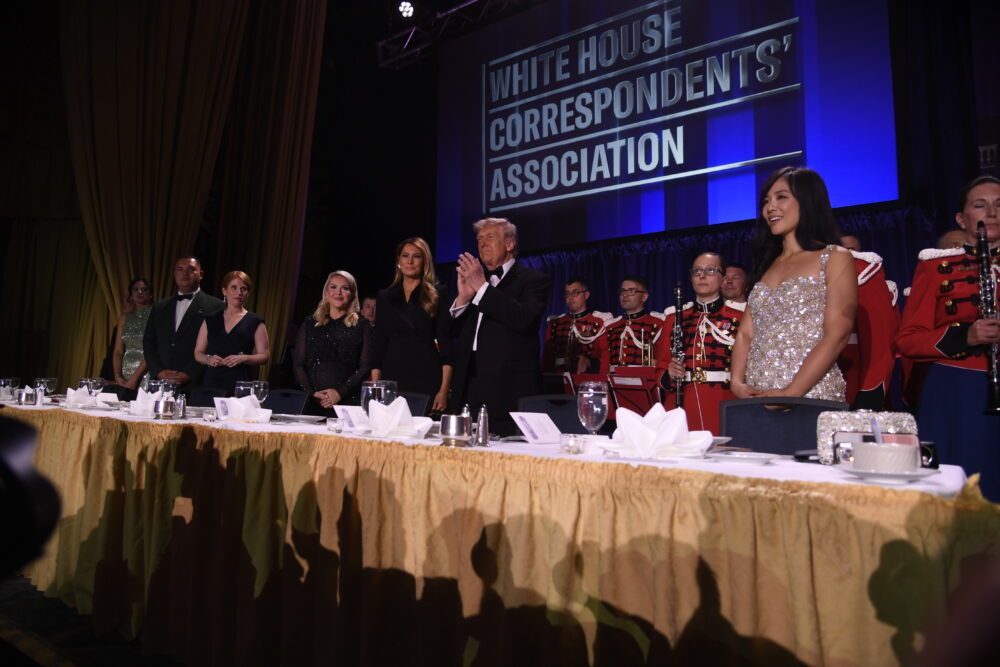
The pool was created decades ago by the White House Correspondents’ Association to make sure a rotating roster would always travel with the president, distribute in-person reports and imagery to the broader press corps, and hold the nation’s chief executive accountable on behalf of the American public.
A key detail: solidarity and a frozen pool
One overlooked detail makes the stakes easier to see. CNN is part of the U.S. network video pool, a five-outlet rotation that takes turns shooting and sharing video. When CNN, MS NOW, and Politico were barred from White House grounds, the other four pool providers declined to participate in solidarity.
For a time after Judge Kelly’s ruling, the U.S. network video pool was back in operation for the first time since the ban. A person familiar with the pool described the situation as fluid and said, “As of now, all systems are go.”
This is what people mean by institutional resistance. Sometimes the pushback is not a dramatic court order. It is other institutions refusing to normalize an access system that looks like it is being used as leverage.
Air Force One is not a guaranteed right
No. The First Amendment is powerful, but it is not a universal admission ticket.
The Constitution protects speech and a free press from government punishment or suppression. It does not automatically create a right for every outlet to stand anywhere it wants, ask any question it wants, or board any government aircraft.
There are legitimate reasons for limits, including:
- Safety and security (especially around the president).
- Physical space constraints (there are only so many seats and camera positions).
- Operational needs (tight schedules, movement between secure locations).
So if the question is, “Is there a constitutional right to this specific seat on this specific flight?” the answer is usually no.
Where the legal risk is
The harder question is not whether the White House can manage logistics. It is whether it can use those logistics as a punishment for unfavorable coverage.
Two basic First Amendment ideas do a lot of work here:
- Viewpoint discrimination: The government generally cannot hand out benefits or burdens based on whether it likes a speaker’s viewpoint.
- Retaliation: The government generally cannot take adverse action against someone because of protected speech.
In the press-access setting, those ideas can become very fact-specific. Courts tend to ask things like:
- Was there a clear, neutral rule applied consistently?
- Was the outlet excluded for a security or conduct reason, or for its reporting?
- Was due process offered, such as notice and an explanation?
- Was the exclusion temporary, targeted, or sweeping?
This is why a credential fight can become a First Amendment fight, even if the government insists it is only “administration.” The constitutional concern is not comfort. It is whether power is being used to tilt the playing field of public information.
Hard passes vs. pool duty
In everyday conversation, people treat “press access” as one big blob. In reality, the White House operates access in layers.
Hard pass access is about entering the White House complex as a working journalist. It is foundational, and courts can scrutinize its denial because it affects the ability to do routine reporting.
Pool access is different. It is the highly limited set of opportunities where one camera or one reporter stands in for the rest. Pool slots are scarce, and administrations have long tried to influence the pool structure, either directly or indirectly.
That difference helps explain why Judge Kelly’s temporary order, focused on passes to the grounds, does not automatically settle disputes about Air Force One or other pool events. Those may require additional court clarification, or at least a clearer factual record.
The practical stakes
This can sound like an inside-baseball conflict between powerful institutions. But the stakes are not about protecting a brand name. They are about the public’s ability to know what its government is doing.
When pool arrangements unravel, the ripple effects are real:
- Fewer independent eyes on presidential travel and events.
- Less shared footage available to local outlets that cannot afford a Washington bureau.
- More room for selective visibility, where only friendly coverage gets proximity.
Even if alternative outlets can fill a seat on a plane, the deeper question is whether the selection process is neutral and stable, or whether it is turning into a reward-and-punishment system.
A pattern question
Even when any one access decision is framed as narrow, a larger pattern can change how courts, other institutions, and the public interpret what is happening.
Earlier last year, Trump banished Associated Press reporters from White House events because the organization was not abiding by his executive order changing the name of the Gulf of Mexico to the “Gulf of America.” The AP’s guidance says to acknowledge the new name when relevant. A federal district judge ruled in AP’s favor, and the case is on appeal.
That history does not automatically decide today’s dispute, but it helps explain why press-access conflicts are rarely treated as isolated paperwork problems. They look, and feel, like pressure points.
So is it legal?
The most accurate answer is: it depends on the reason and the process.
If the government is making a space or security-based choice under a neutral, consistently applied policy, courts are more likely to defer.
If the government is excluding a particular outlet because of its viewpoint or because it annoyed the president, that is the kind of factual scenario that can trigger serious First Amendment trouble, particularly when the outlet is part of an established pool system and the exclusion is paired with other restrictions.
And even when an administration technically has discretion, it still operates in a constitutional culture that expects transparency. A presidency that treats access as a loyalty test will face legal challenges, institutional resistance from other news organizations, and public skepticism. All three are forms of accountability, just different kinds.
Quick FAQ
Can the president ban a reporter for tough questions?
Not simply for being tough. Conduct rules can exist, but excluding someone for their viewpoint or for critical questions risks unconstitutional retaliation.
Is the White House required to let every outlet attend every event?
No. Many events have limited space. The constitutional issue is whether the government is applying neutral criteria or punishing disfavored coverage.
Why does it matter if one network is replaced by another?
Because the pool is designed to create a shared, broadly trusted record. When substitutions track political favoritism rather than neutral rotation, the public’s information stream can narrow.