
People say “they got hit with RICO” the way they say “they got indicted.” Like it is just another charge.
It is not.
The Racketeer Influenced and Corrupt Organizations Act, better known as the RICO Act, is a federal law that lets prosecutors treat a pattern of crimes as one larger offense when those crimes are tied to an ongoing group or enterprise. It was designed primarily to combat organized crime, including Mafia families. It now reaches far beyond it.
Understanding RICO means understanding a simple idea that can feel counterintuitive: the government is not only punishing individual bad acts. It is punishing the way those acts work together to build power, money, or control through an organization.
Join the Discussion
What RICO stands for
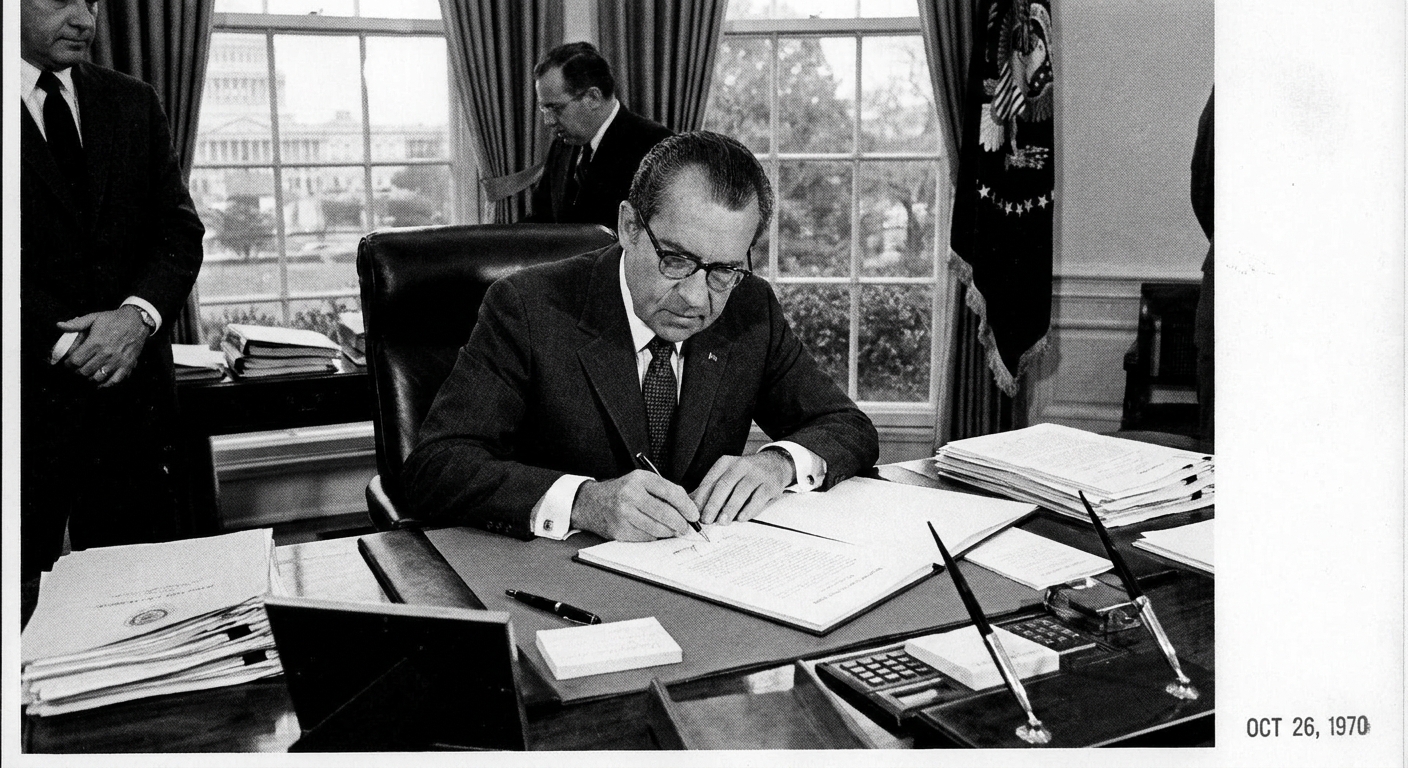
RICO is short for the Racketeer Influenced and Corrupt Organizations Act. It was enacted in 1970 as part of the Organized Crime Control Act.
RICO’s core federal provisions are found primarily in 18 U.S.C. §§ 1961–1968. You will often see headlines mention “federal racketeering” or “a RICO case.” That generally refers to these sections.
What counts as “racketeering”
In everyday speech, racketeering sounds like a single crime. In RICO, “racketeering activity” is a long list of qualifying offenses. The statute calls them predicate acts. Common examples include:
- Bribery and extortion
- Mail and wire fraud
- Money laundering
- Drug trafficking
- Gambling offenses
- Obstruction of justice and witness tampering
- Human trafficking and certain alien-smuggling or peonage-related offenses
- Specified acts of violence such as murder or kidnapping, including state-law versions of the crimes the statute enumerates
The key is that RICO does not replace these crimes. It stacks on top of them when the government argues the crimes were part of something bigger. In many prosecutions, you will see RICO charged alongside the predicate offenses and a conspiracy count, which can dramatically raise sentencing and plea leverage.
Why Congress passed RICO
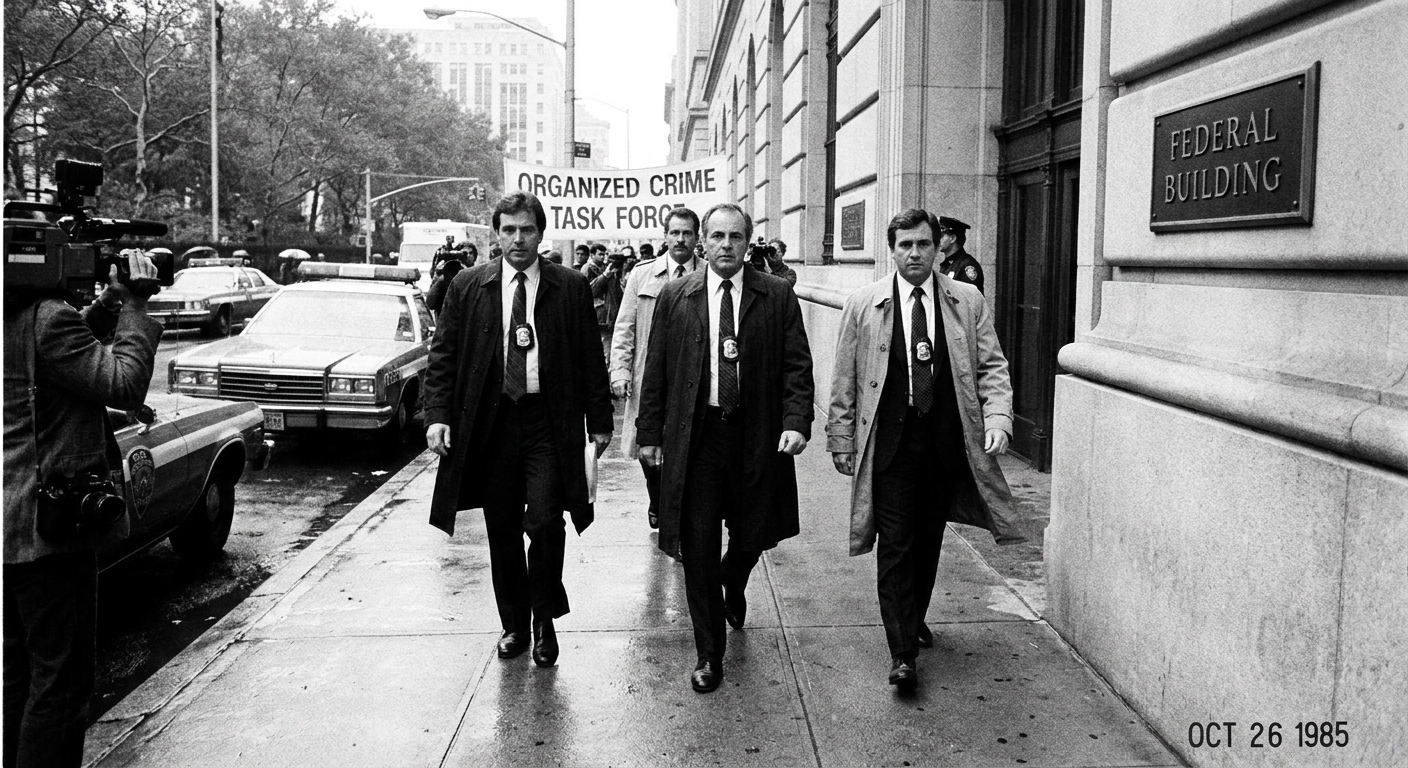
In the late 1960s, the federal government had a recurring problem. Organized crime leaders often insulated themselves from day-to-day criminal conduct. Lower-level members committed the acts. Bosses benefited from the system. Prosecutors could sometimes prove the organization existed, and sometimes prove individual crimes happened, but linking leadership to specific acts was notoriously difficult.
RICO attacked that structure. It lets the government prosecute:
- People who participate in an enterprise through a pattern of racketeering
- People who acquire or maintain control of an enterprise through racketeering
- People who invest racketeering proceeds into an enterprise
- People who conspire to do any of the above
That design choice is why RICO became so powerful. It is built to reach the organizer, not just the person holding the bag.
What prosecutors must prove
RICO charges can look intimidating because they come with dense language. But most federal RICO prosecutions revolve around a few essential elements.
1) An “enterprise” existed
An enterprise can be a formal legal entity (a corporation, union, or nonprofit) or an informal association of people working together. Courts have recognized that even loosely organized groups can qualify if they function as a continuing unit with a shared purpose.
2) The defendant participated in the enterprise
The government must show the defendant did more than commit an isolated crime. In the most common RICO charge (18 U.S.C. § 1962(c)), prosecutors generally must prove the defendant participated in the operation or management of the enterprise’s affairs, not merely brushed up against it. That can include people at different levels if their conduct helps the enterprise function as an enterprise.
3) A “pattern” of racketeering activity
This is where RICO becomes distinct. A pattern generally requires at least two predicate acts within a 10-year period (excluding certain time in prison), but two acts alone are not always enough. Courts focus on whether the predicate acts show relatedness and continuity, meaning they are connected and reflect ongoing criminal conduct rather than a one-time episode.
4) The conduct affected interstate or foreign commerce
Because RICO is a federal statute, it typically requires some connection to interstate commerce. In practice, that threshold is often not hard for prosecutors to meet.
A quick way to visualize “enterprise” vs. “pattern”
Think of the enterprise as the machine and the pattern as the repeated use of the machine to commit crimes. A single fraud might be a crime. A crew that uses the same roles, relationships, and resources to run fraud after fraud starts to look like an enterprise carrying out a pattern.
Criminal and civil RICO
One reason RICO appears in so many contexts is that it has two major tracks.
Criminal RICO
Criminal RICO is brought by government prosecutors. Penalties can include:
- Prison sentences (often substantial). A common maximum is up to 20 years per RICO count, and it can be higher, including life, if the predicate acts allow it
- Fines
- Forfeiture of assets connected to the racketeering activity or enterprise
Civil RICO
Civil RICO allows private plaintiffs to sue if they were injured in their business or property by a RICO violation. A distinctive feature is treble damages. The statute provides for three times the damages plus reasonable attorney’s fees for successful plaintiffs.
Two important limits show up often in civil RICO fights: the injury generally must be to business or property (not personal injury), and plaintiffs usually must prove proximate cause, not just that something bad happened somewhere downstream.
Civil RICO is one reason the statute is sometimes associated with business disputes, fraud schemes, and complex litigation, not just traditional organized crime.
How RICO gets used today
RICO’s reach has expanded because the statute is flexible and because the “enterprise plus pattern” theory fits many modern crime problems.
Depending on facts, RICO can show up in cases involving:
- Street gangs and drug-trafficking organizations
- Public-corruption networks
- Corporate fraud and long-running scam operations
- Health care billing fraud rings
- Coordinated theft and money-laundering networks
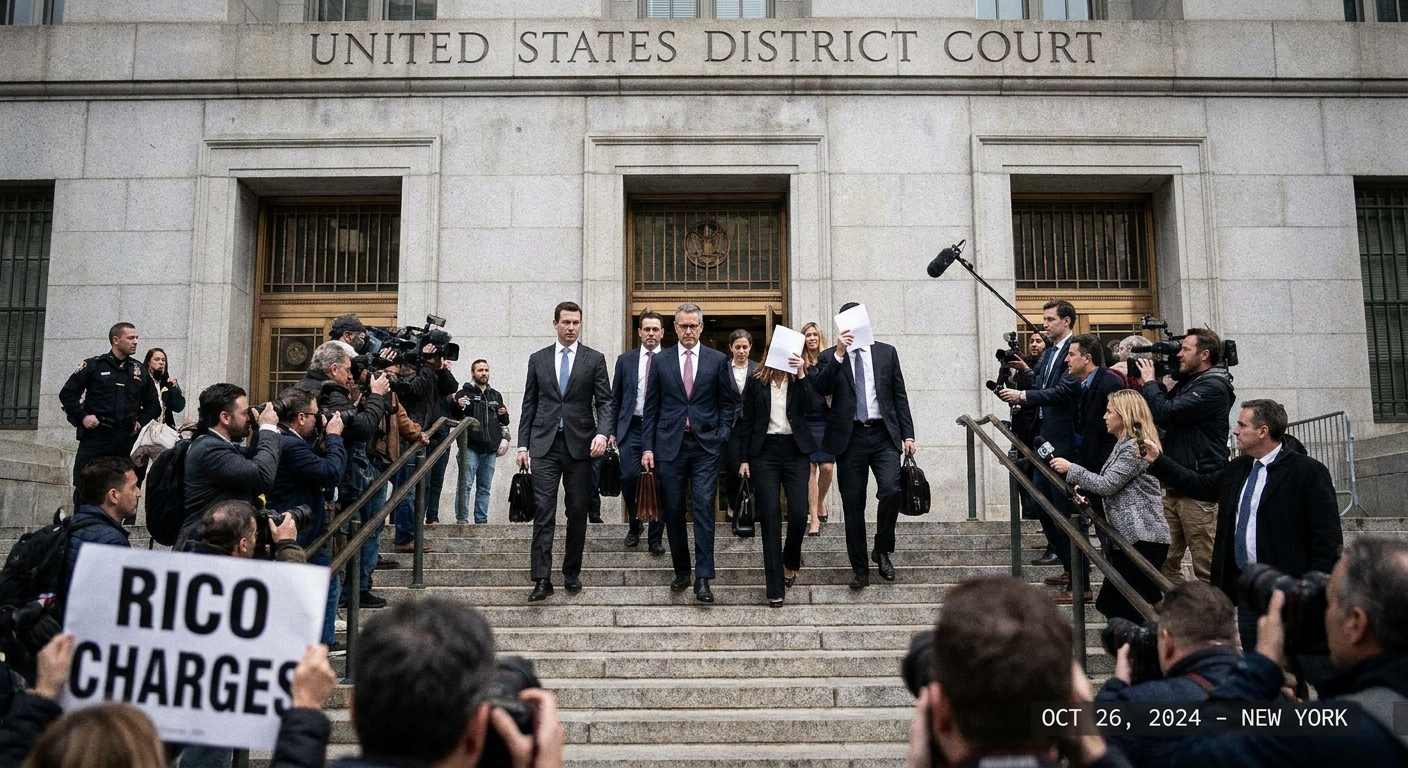
If you want a concrete, recent anchor point, look at two very different examples that made headlines: the federal case tied to FIFA corruption allegations, and Georgia’s high-profile state racketeering prosecution involving Young Thug and the YSL label. The facts and legal theories differ, but the charging idea is recognizably the same: prosecutors try to tell a story about an enterprise and a pattern, not just a pile of separate crimes.
That flexibility is a core feature of the statute. It also means RICO becomes a legal battlefield over what counts as an enterprise and what counts as a pattern.
Common myths
Myth: RICO is only for the Mafia
RICO was written with organized crime in mind, but courts have applied it to many kinds of coordinated criminal activity. The statute does not require an Italian American crime family, or even a traditional hierarchy.
Myth: RICO means “a group crime,” so every member is automatically guilty
Membership alone is not enough. Prosecutors still must prove the defendant’s participation and the required pattern of predicate acts. RICO is not supposed to be guilt by association, even if it sometimes feels like it pushes in that direction.
Myth: Two crimes equals RICO
Two predicate acts can satisfy the minimum number, but courts still look for continuity and relatedness. A short burst of activity can be harder to frame as a continuing enterprise, depending on the facts.
Constitution issues
RICO is a statute, not a constitutional provision. But its power sits on top of constitutional boundaries, and those boundaries shape how RICO prosecutions are charged and tried.
Due process and vagueness
The Constitution requires criminal laws to give fair notice of what is prohibited. RICO defendants sometimes argue that “enterprise” or “pattern” is too vague. Courts have generally upheld RICO, but fights over how broadly those terms can be stretched are really fights over due process limits.
First Amendment issues
RICO can intersect with protected speech and association when the alleged enterprise involves political organizations, advocacy networks, or expressive activity. The basic constitutional principle is that the government cannot punish protected speech, but it can punish criminal acts even when they occur inside an expressive group. The line between those is fact-dependent and often heavily litigated.
Double jeopardy and stacking charges
Because RICO is built from predicate acts, defendants sometimes argue that charging both the predicate crimes and RICO is unfair. Courts often allow it under the “same-elements” framework because RICO is treated as a separate offense with additional elements, though double-jeopardy arguments can get more complicated in successive prosecution settings.
Asset forfeiture and the Eighth Amendment
RICO forfeiture can be sweeping. When the government seeks major property forfeiture, defendants may raise the Excessive Fines Clause of the Eighth Amendment. Modern Supreme Court doctrine recognizes that excessive fines limits apply to the states as well, which matters in state-level racketeering systems modeled after RICO.
State RICO laws
Many states have their own racketeering statutes modeled in part on the federal law. They can differ in:
- The list of predicate acts
- Definitions of “enterprise” and “pattern”
- Sentencing ranges and forfeiture rules
- Whether and how civil racketeering claims work
If you see “RICO” in a headline, it does not always mean federal court. Sometimes it is a state racketeering charge using state law vocabulary that looks similar on the surface but operates differently in detail. (Georgia’s racketeering statute, for example, is often described as especially broad.)
Why RICO matters
RICO has become a kind of civic shorthand. It signals not just “a serious case,” but an allegation that crime is organized, sustained, and structural.
That framing has consequences. It shapes bail decisions, plea negotiations, sentencing exposure, forfeiture pressure, and public perception. It also raises a deeper question that constitutional government never stops asking: when the state builds a tool powerful enough to dismantle entrenched criminal enterprises, how do we make sure that same tool does not become a shortcut around individualized guilt?
RICO does not answer that question for us. It forces us to keep asking it.
Quick definitions
- RICO: A federal law that targets ongoing enterprises engaged in a pattern of specified crimes.
- Enterprise: A group or organization, formal or informal, with a shared purpose and continuing structure.
- Predicate act: A qualifying underlying offense listed in the statute, such as bribery or fraud.
- Pattern: Predicate acts that are related and show continuity, not just a one-time incident.
- Forfeiture: Government seizure of assets tied to the criminal conduct or enterprise.