
Midterm elections are the regular national elections held every two years. When they happen halfway through a president’s four-year term, they are commonly called “the midterms.” They do not decide the presidency, but they can quickly reshape the rest of the federal government in a single election. Control of Congress can flip. Governors and state legislatures can change hands. And because states run elections, midterms often determine the rules and the officials who will be in place for the next presidential election.
In other words, “midterm” sounds like a halftime show. In practice, it is one of the main ways Americans rebalance power in a constitutional system built on separate branches and staggered elections.
Join the Discussion
What are midterm elections?
Midterm elections are regularly scheduled elections that occur every two years, in even-numbered years. The elections in the second year of a presidential term are the ones most people mean when they say “the midterms.”
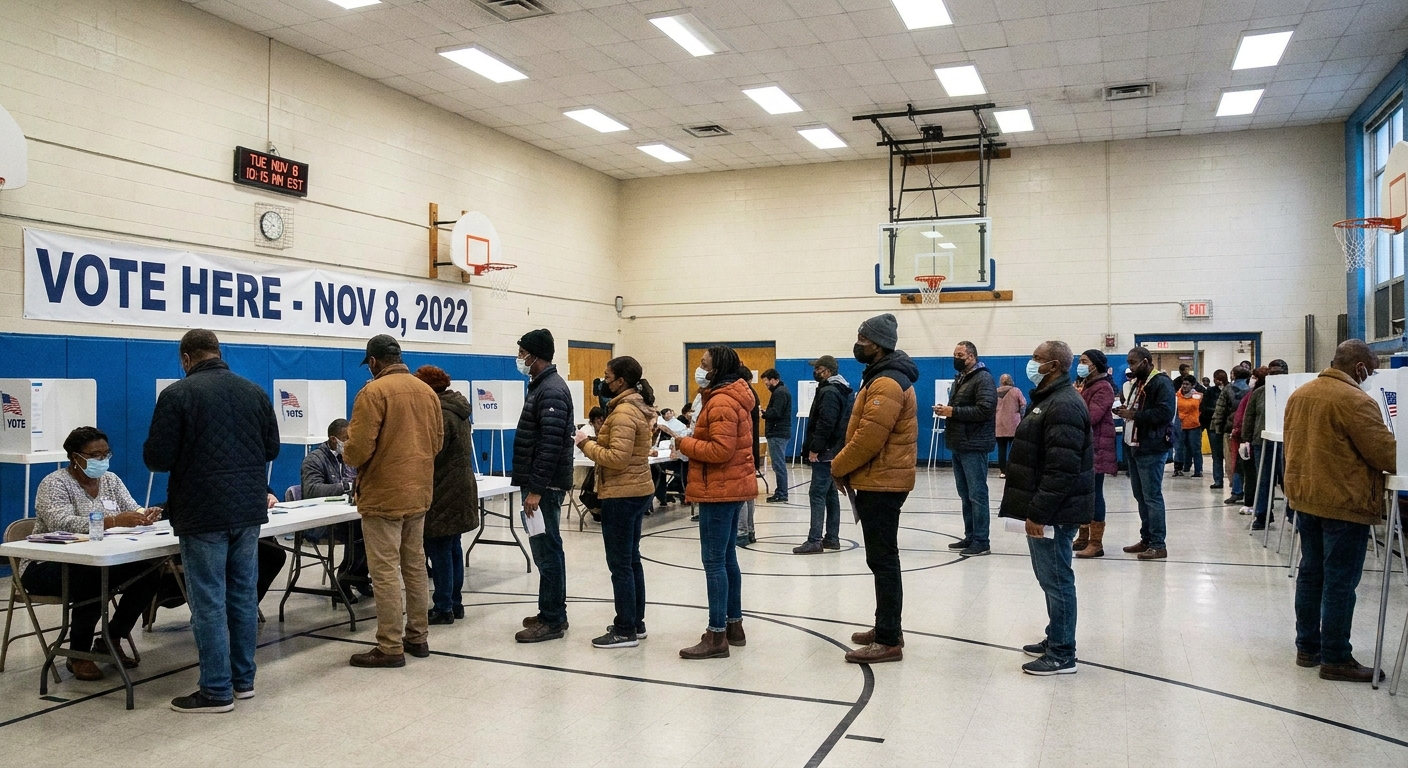
Midterms are federal elections because they include races for Congress. In everyday use, though, “midterms” often refers to the whole election day package: federal races plus many state and local contests held at the same time. That mix is part of what makes them so consequential and, for many voters, so confusing. You can be voting on federal lawmakers, state executives, judges, and local ballot questions in the same trip to the polls.
What’s on the ballot?
All U.S. House seats
The entire House of Representatives is elected every two years. That schedule is written directly into the Constitution. Article I, Section 2 sets House terms at two years, which is why the House is always on the ballot in every federal election year, including midterms.
About one-third of the U.S. Senate
Senators serve six-year terms, but those terms are staggered so that roughly one-third of Senate seats are up for election every two years. Article I, Section 3 established the idea of staggered Senate classes, and the Seventeenth Amendment later changed the method of selection from state legislatures to direct election by the people.
Governors and state offices
Many states elect governors in midterm years, though the exact calendar varies by state. State legislators, attorneys general, secretaries of state, and other statewide offices may also be on the ballot. These races matter beyond state policy because state officials often oversee election administration and, in many states, redistricting.
One quick caveat: not every state and local contest lines up perfectly with the federal calendar. Some states and cities hold major races in odd-numbered years, and the mix of offices on your ballot depends on where you live.
Local offices and ballot measures
Depending on where you live, midterms can include mayoral races, county commissions, school boards, prosecutors, sheriffs, bond measures, and constitutional amendments at the state level.
When are midterms held?
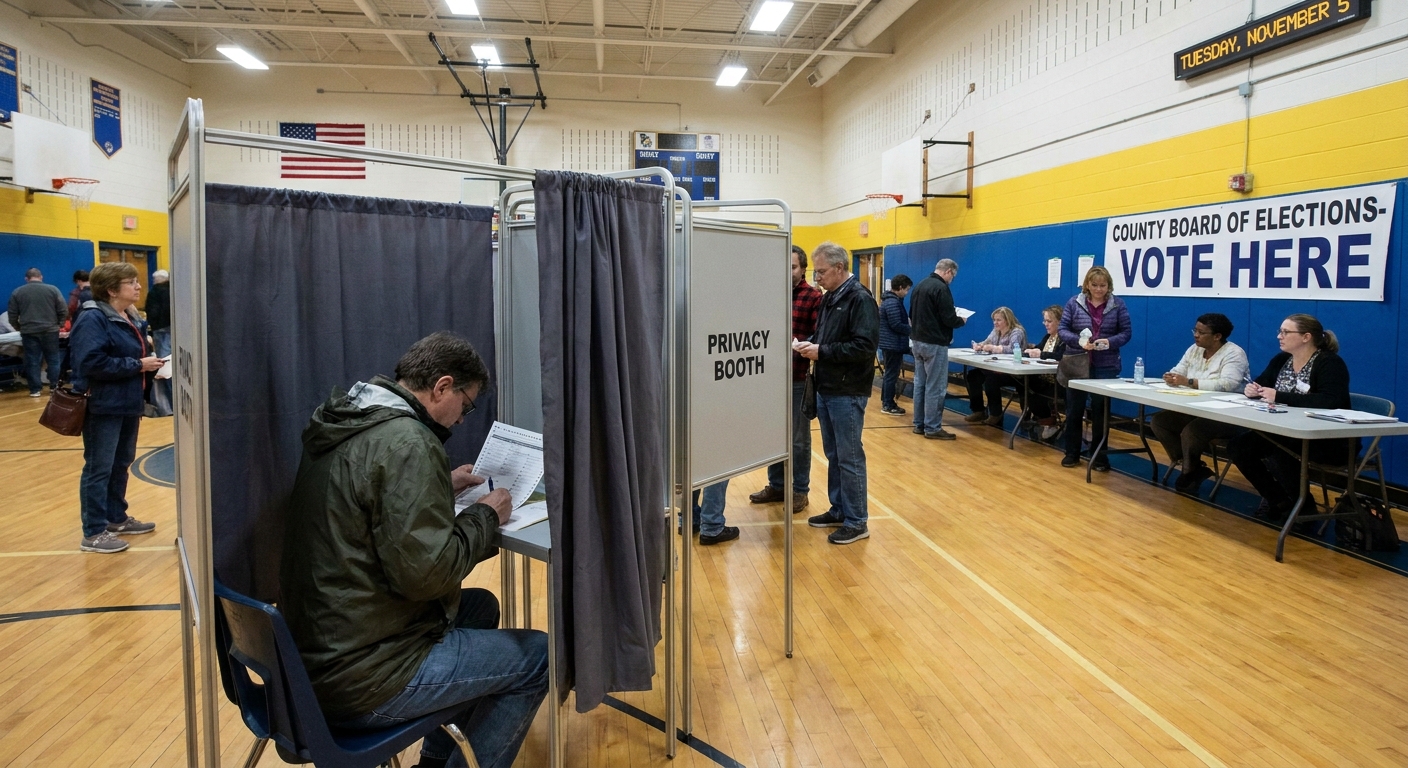
Federal elections are held on the first Tuesday after the first Monday in November of even-numbered years. That includes midterm elections.
States set many other election-related dates, including registration deadlines, early voting periods, and rules for absentee or vote-by-mail ballots. So while “Election Day” is uniform for federal races, the path to Election Day can look very different from one state to another.
Why midterms matter fast
They can flip Congress
The president does not need Congress’s permission to exist, but the president usually needs Congress to govern in any lasting way through laws and funding. Congress writes laws, controls spending, and can investigate the executive branch. The Senate also confirms federal judges and executive nominees.
So a midterm that changes the House or Senate can change what the president can realistically accomplish, what gets investigated, and which judicial nominees reach the bench.
They shape the courts
Federal judges are nominated by the president and confirmed by the Senate. If the Senate majority changes in a midterm, the confirmation pipeline can speed up, slow down, or stop. That matters because Article III judges serve during “good Behaviour,” which effectively means life tenure for most federal judges.
They influence maps and rules
State legislatures play an outsized role in drawing congressional district maps after the census, subject to federal constitutional limits and federal statutes like the Voting Rights Act. In some states, independent commissions also draw maps, and courts can step in when maps are challenged or deadlines collide.
State officials can also set rules that affect access to the ballot, from voter ID requirements to mail ballot procedures.
The constitutional design
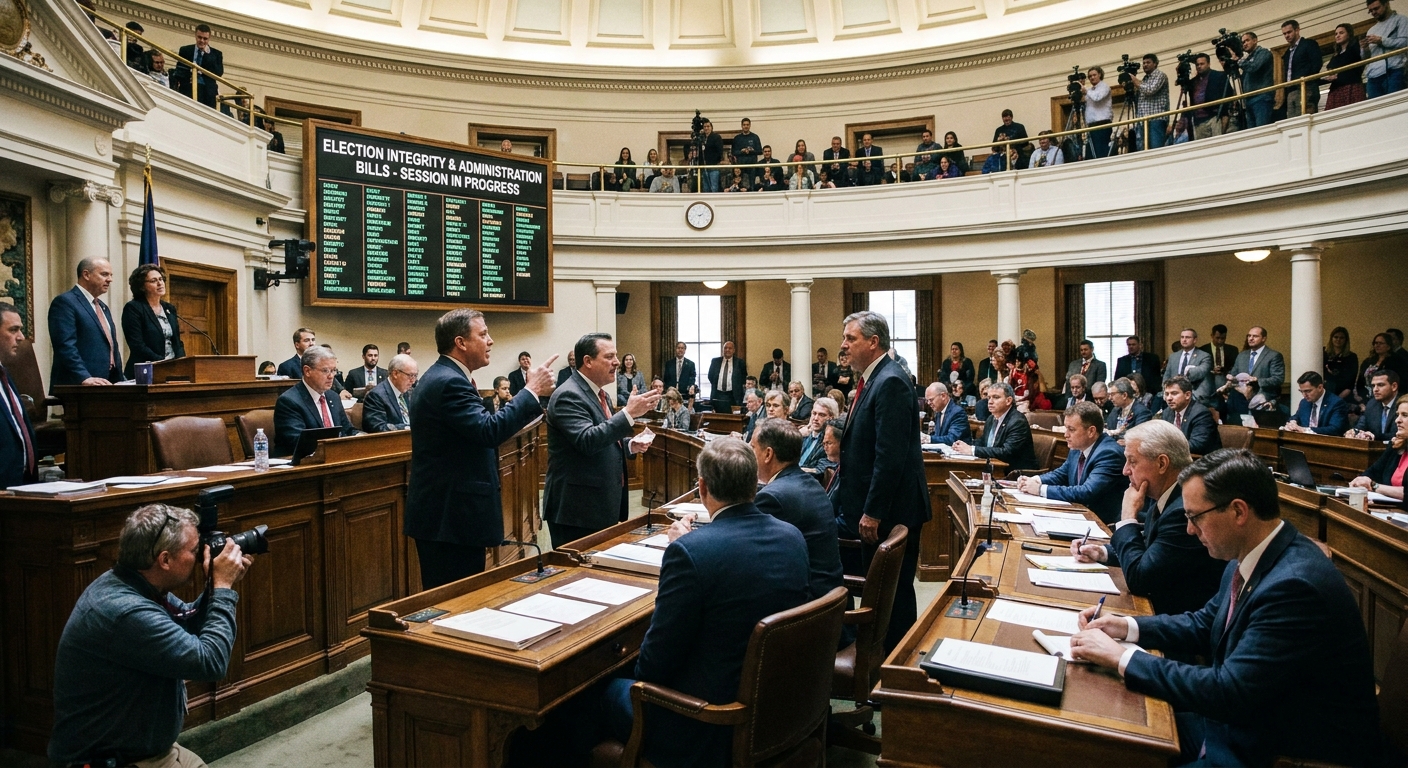
The Constitution does not use the phrase “midterm elections,” but it designs a government that forces frequent electoral checkpoints.
- Staggered terms are intentional. The House turns over quickly. The Senate turns over slowly. The president stands alone on a four-year cycle. That is a structural choice, not a political accident.
- States run elections, within federal boundaries. Article I, Section 4 gives state legislatures the primary role in prescribing the “Times, Places and Manner” of congressional elections, while allowing Congress to alter those rules.
- Voting rules have constitutional limits. The Constitution and later amendments restrict how states can structure access to the ballot, including protections tied to race, sex, age (18+), and poll taxes. Courts have also developed key doctrines under the Equal Protection Clause, including one person, one vote and standards around racial gerrymandering.
This division of power is why election rules become legal battlegrounds. The system is built for shared authority, which also means shared conflict.
Turnout and the midterm pattern
Midterms are often described as “low turnout elections,” and historically they have drawn fewer voters than presidential years. But that is not a law of nature. Turnout rises when voters believe the stakes are immediate, when a highly visible issue is on the ballot, or when states make voting easier and more familiar through expanded early voting and vote-by-mail options.
There is also a familiar historical pattern: the president’s party often loses seats in midterm elections, a phenomenon sometimes called the “midterm penalty.” It is not guaranteed, but it helps explain why midterms can feel like a referendum on the party currently holding the White House.
The more practical reality is this: midterm electorates are often older and more consistent than presidential electorates. That can shift outcomes, especially in close House districts and statewide races.
Special elections and vacancies
Sometimes you will see an extra race on the ballot because a seat opened unexpectedly. If a member of Congress resigns or dies, states may hold a special election to fill the vacancy, often alongside the regular midterm election date. The details vary by state and by office, but the basic idea is simple: the ballot can include both the regularly scheduled race and an unscheduled one.
Primaries vs. the midterm election
Many people use “midterms” to describe the whole season, but the general election is the November election that decides who takes office. Most states hold primary elections earlier to choose each party’s nominees, and those dates vary widely. If you only show up in November, you still vote in the election that counts for officeholders. If you vote in the primaries too, you help decide which names appear on the November ballot.
What it means for daily life
If the Constitution is the structure, midterms decide who gets to use the tools inside it.
- Taxes and spending: Congress appropriates money. State governments shape budgets that affect schools, roads, and public services.
- Rights and courts: Senate control affects judicial confirmations, which affects how constitutional rights are interpreted.
- Public policy: Governors and state legislatures influence healthcare access, criminal justice policy, labor rules, and education standards.
- Election administration: Local officials decide polling locations, staffing, and many on-the-ground choices that determine whether voting feels smooth or chaotic.

How to check your ballot
Because midterms combine federal, state, and local races, your ballot is specific to your address.
- Check your state or local election office website for a sample ballot and key dates.
- Confirm your registration status well before deadlines, especially if you moved.
- Look beyond the top line. Local offices and ballot measures can have more immediate effects than national races.
A pressure test
Every two years, the country runs a live experiment in constitutional self-government. Midterms are one of the few moments when the public can directly reshape Congress without changing the presidency, and that separation is the point. The Framers built a system where power is supposed to be contested, shared, and periodically renewed.
So if midterms feel less dramatic than presidential elections, remember what they actually do: they decide the legislature that writes the laws, funds the government, confirms judges, and checks the executive. That is not a side story. It is the plot.