
“Follow the money” is a cliché because it is usually true. But in modern American politics, a growing share of the money cannot be followed, at least not all the way back to a real person. That is what people mean when they say dark money. (How much is “growing,” and by what measure, depends on the category and election cycle. Groups like OpenSecrets and the Brennan Center track different slices of this spending and regularly publish estimates.)
Dark money is not a secret bank account stuffed with unmarked bills. It is often boring, legal, and documented through routine filings. The “dark” part is simpler: voters see the ads and the spending, but they cannot see who originally paid for it.
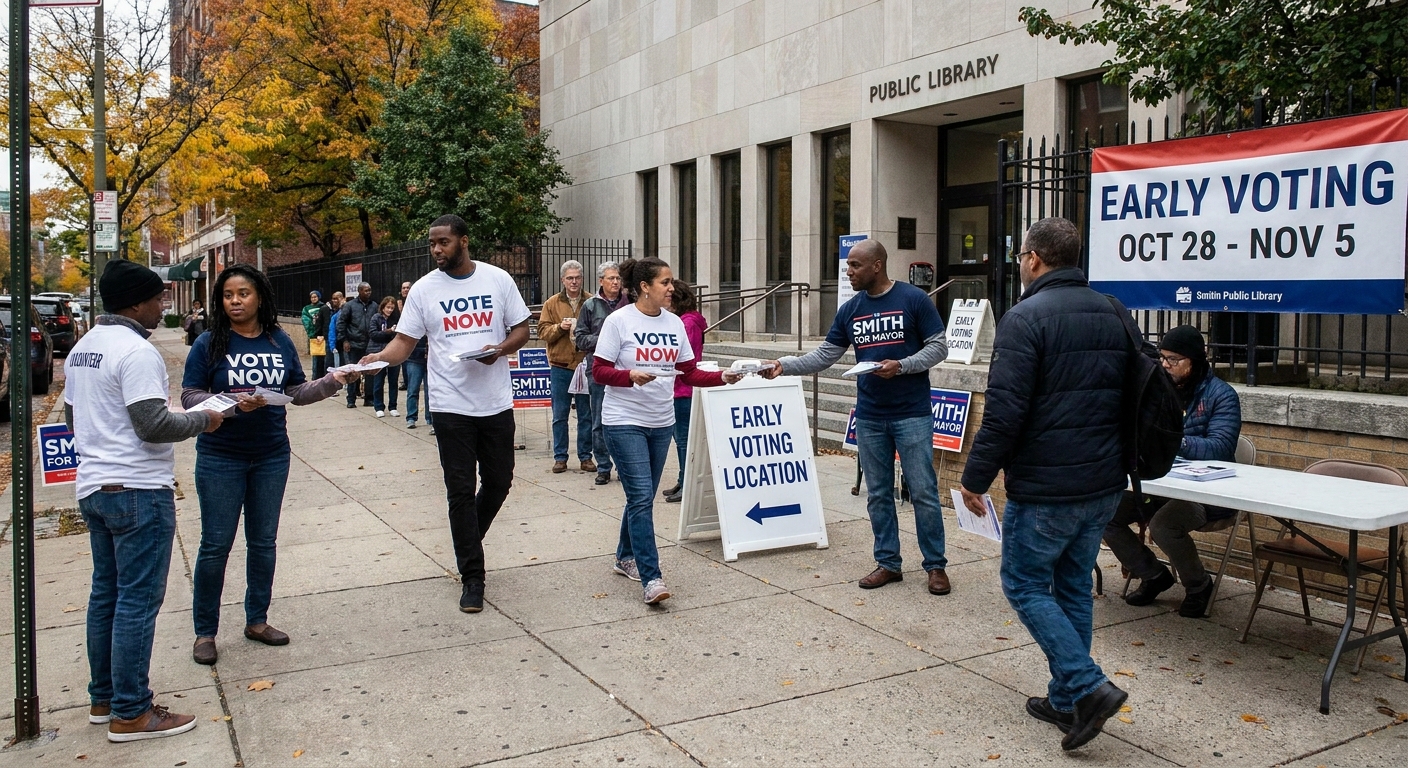
Join the Discussion
Dark money, defined
Dark money is political spending where the true source of funds is not disclosed to the public. Most often, it flows through nonprofit organizations that can spend on politics while keeping donors private.
In plain terms:
- The spending is visible (ads, mailers, get-out-the-vote campaigns, issue advocacy).
- The original donors are not (no easy way for the public to connect the spending to specific funders).
Dark money can be used to support or oppose candidates indirectly, or to influence policy debates and judicial nominations. It can also be used in state and local races where oversight is weaker and impact can be outsized.
How dark money works
Most dark money is not “off the books.” It is “on the books,” but recorded in a way that stops short of naming donors.
Common routes
- 501(c)(4) social welfare nonprofits: May engage in political activity as long as it is not their “primary” purpose. Donor names are generally not publicly disclosed. The key detail is that “primary” is not defined by a simple percentage in the statute. The IRS has historically applied a facts-and-circumstances approach, even though the “49%” shorthand is often used in public discussions.
- 501(c)(6) trade associations: Similar donor privacy, and often active in both lobbying and elections. They may fund independent political communications and also push policy through lobbying and member engagement, which can blur the line for casual observers.
- LLCs and shell entities: Sometimes used to obscure donors by interposing a business entity between the donor and the spender. LLC opacity varies across states, and federal reporting can still apply depending on how the entity gives or spends. In other words, an LLC can add fog, but it is not a magic cloak in every scenario.
A typical pattern looks like this: an individual or business gives money to a nonprofit, the nonprofit spends on political ads, and the ad says “Paid for by [Nonprofit Name].” The public learns the spender, but not the people financing it.
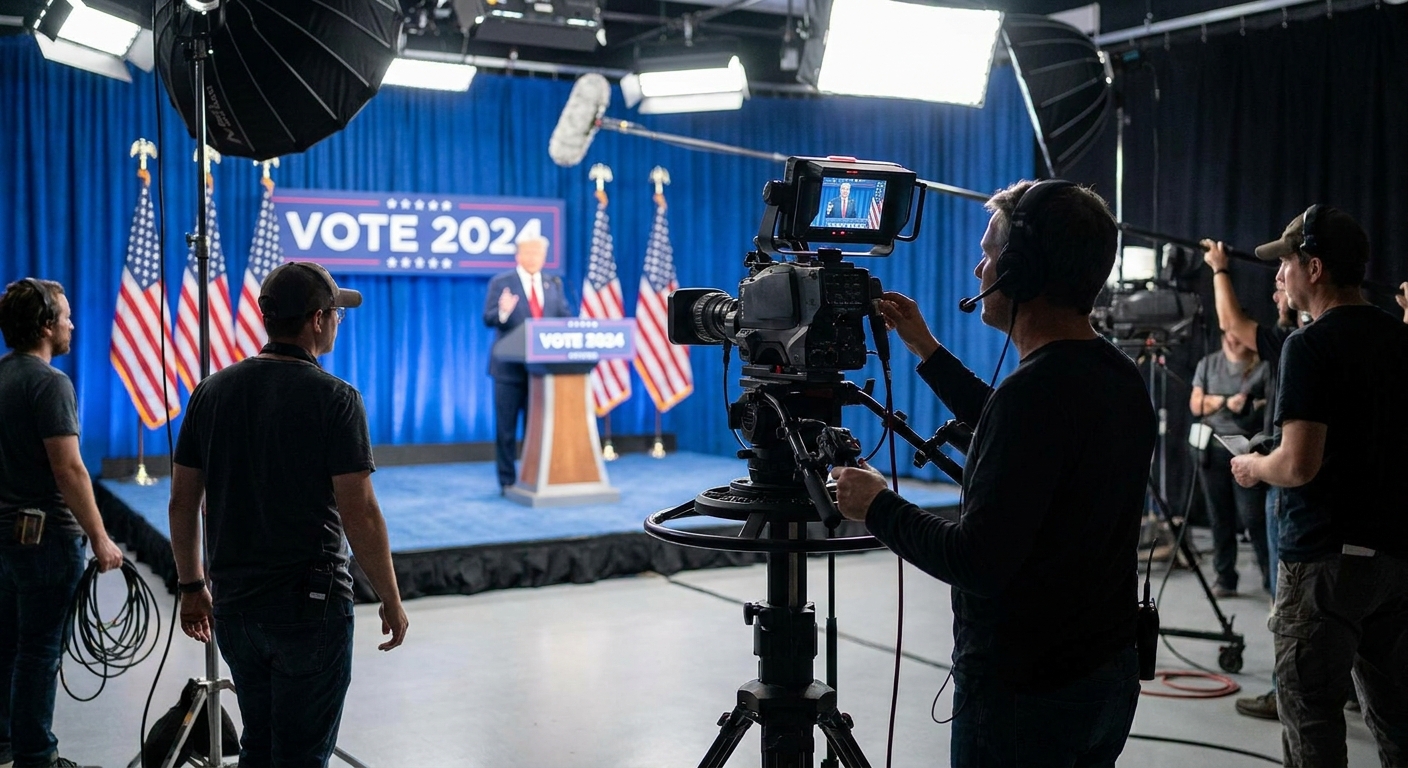
Dark money vs. PACs
These terms get mixed up because they all involve outside spending, but they are not interchangeable.
- Traditional PACs: Raise money and donate to candidates, typically with contribution limits and donor disclosure rules.
- Super PACs: Can raise and spend unlimited amounts to advocate for or against candidates, but they must generally disclose donors. They cannot coordinate with candidates, although the coordination rules are detailed, heavily litigated, and often contested in close cases.
- Dark money groups (often nonprofits): Can spend on politics and often do not disclose donors publicly. Some spending is framed as “issue advocacy,” which can avoid certain reporting triggers.
Here is the practical takeaway: Super PAC money is often traceable, but not always traceable to a person. Super PAC reports can list donors that are other entities, including nonprofits, which is one of the main ways dark money becomes “visible” in form while still being uninformative in substance.
How money gets laundered
If you have ever searched a Super PAC filing and still felt like you learned nothing, this is usually why: a nonprofit can give to a Super PAC, the Super PAC reports the nonprofit as its donor, and the public can see the transfer but not the nonprofit’s underlying funders.
Nothing about that pattern is automatically illegal. The policy dispute is whether disclosure rules should reach through the nonprofit layer in more circumstances, and if so, how to do it without chilling legitimate association.
The constitutional tension
Dark money exists at the intersection of two powerful ideas in American constitutional law:
- Political speech is highly protected under the First Amendment.
- Disclosure requirements can burden speech and association, especially if donors face harassment or retaliation.
The constitutional fight is not “free speech vs. democracy” in the abstract. It is more specific: how far can government go in requiring transparency without chilling lawful political participation?
Key Supreme Court cases
There is no single “dark money decision,” but several major cases built the framework.
Buckley v. Valeo (1976)
This is the foundational campaign finance case. The Court drew a line between contributions (money given directly to candidates, which can be limited) and expenditures (money spent independently, which receives stronger First Amendment protection). Buckley also upheld disclosure in many contexts, treating transparency as a tool to inform voters and deter corruption.
Citizens United v. FEC (2010)
Citizens United is often summarized as “corporations are people,” but the holding is narrower and more technical: the Court struck down limits on independent political spending by corporations and unions. Importantly, the Court also upheld disclosure and disclaimer requirements for many types of election-related communications.
SpeechNow.org v. FEC (D.C. Cir. 2010)
This lower court case, decided after Citizens United, helped clear the path for Super PACs by allowing unlimited contributions to groups that make only independent expenditures.
NAACP v. Alabama (1958)
Long before modern campaign finance battles, the Court recognized that forced disclosure of group membership can chill free association. That logic shows up today when groups argue that donor disclosure exposes supporters to threats or retaliation.
Americans for Prosperity Foundation v. Bonta (2021)
The Court invalidated California’s blanket requirement that charities submit major-donor information (Schedule B) to the state, holding the collection regime unconstitutional because it was not narrowly tailored. The decision strengthened arguments that some disclosure rules can violate the First Amendment even outside elections.
Is dark money legal?
Often, yes. “Dark money” is a label for non-disclosed, donor-funded political activity, not automatically for criminal activity.
But there is a second question hiding inside the first: legal under which rules, and for which kind of communication?
- Express advocacy: Messages that explicitly say “vote for” or “defeat” a candidate, which typically trigger clearer reporting obligations.
- Electioneering communications: Certain broadcast ads close to an election that reference candidates and can trigger additional rules under federal law.
- Issue advocacy: Issue-focused messaging that may avoid certain election-law definitions, even if the practical goal is electoral.
- Tax law limits: A nonprofit may run into tax problems if political activity becomes its primary purpose, but enforcement can be uneven and highly fact-specific.
So the honest answer is: dark money is frequently legal, sometimes contested, and occasionally illegal depending on facts and enforcement.
Who enforces the rules?
At the federal level, the Federal Election Commission (FEC) is the main agency responsible for administering and enforcing federal campaign finance disclosure rules, including many independent expenditure and electioneering communication requirements. The IRS oversees tax-exempt status, including whether a nonprofit has crossed the line into having politics as its primary activity.
In practice, outcomes depend on the specific kind of spending, the reporting category, and whether regulators have the votes, resources, and evidence to act.
Federal vs. state rules
“Dark money” is not a single legal category, and the rules are not uniform. Federal elections run through federal definitions and FEC reporting systems. State and local elections are governed by state and local disclosure regimes, which vary widely.
- Some states require more donor disclosure for certain ads than federal law does.
- Other states have narrower triggers or weaker enforcement, which can make local races especially attractive targets for undisclosed spending.
Why dark money matters
Even if you believe money is speech, many voters still argue for a basic principle: people should know who is trying to persuade them.
Three practical concerns
- Accountability: If a group runs misleading ads, hidden funding makes it harder for the public to judge motives and credibility.
- Influence without fingerprints: Dark money can buy access and shape policy agendas while minimizing reputational cost to donors.
- Local races are vulnerable: A relatively small influx of undisclosed spending can dominate a school board, prosecutor, or judicial election.
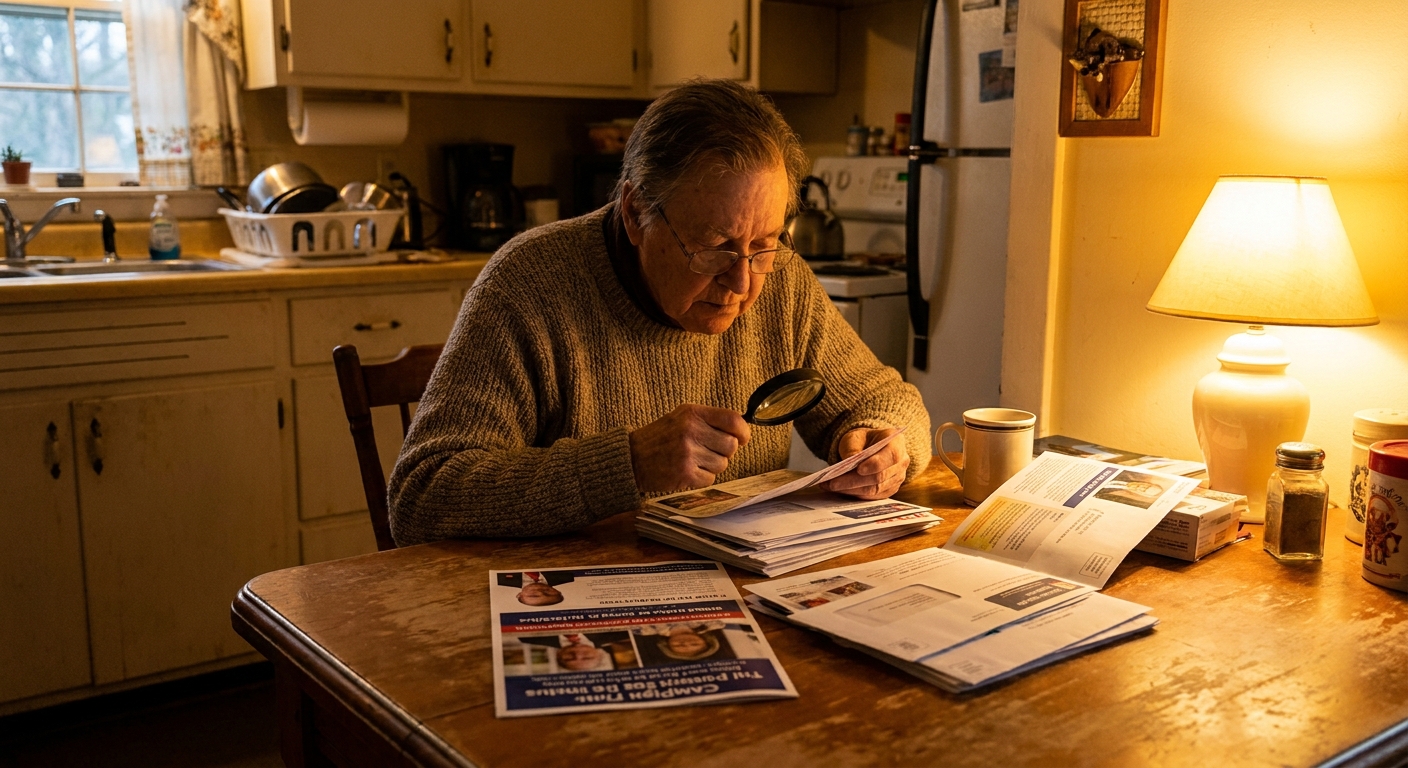
Why some donors want privacy
There is a reason the disclosure debate is so persistent: not all donor anonymity is sinister.
- Fear of harassment: Some donors worry they will be targeted for their views or associations.
- Freedom of association: The First Amendment protects the right to join groups and advocate ideas without government intimidation.
- Chilling effects: If disclosure rules are too broad, people may stop supporting unpopular causes.
The constitutional tension is real. Democracy benefits from transparency, but a free society also makes room for unpopular speech and private association.
How to spot dark money
You do not need a law degree to be a sharper consumer of political messaging. A few quick checks can tell you whether you are looking at something potentially dark money funded.
- Read the disclaimer: “Paid for by” often names a group you have never heard of.
- Look for vague names: Groups with generic titles can be created for one election cycle, and many are designed to sound civic-sounding and neutral.
- Search the spender: Many nonprofits have public filings and media coverage that reveal leadership, contractors, or aligned networks even if donors are hidden.
- Notice timing: Heavy spending right before Election Day can be a clue that the goal is to influence votes with minimal time for scrutiny.
Useful places to look
- FEC database: Federal independent expenditure and ad-related filings.
- Your state campaign finance portal: State and local disclosure, often with different triggers than federal law.
- IRS Form 990: Nonprofit filings that may show major contractors, grants, and overall political spending, even if donors are not listed publicly.
- OpenSecrets: Aggregated data and reporting on outside spending and donor networks.
Can lawmakers ban it?
They can regulate parts of it, but the First Amendment sets boundaries.
Broadly speaking, lawmakers have focused on three approaches:
- Disclosure rules for certain election-related spending and large donors.
- Disclaimers that require ads to identify who paid and sometimes who authorized them.
- Coordination rules that try to prevent outside groups from operating as de facto arms of campaigns.
The hard part is writing laws that increase transparency without being so sweeping they are struck down as unconstitutional burdens on speech and association. Courts often ask whether disclosure is properly tailored to an important governmental interest, such as informing voters or preventing corruption.
Quick glossary
- Independent expenditure: Spending to advocate for or against a candidate that is not coordinated with the candidate or campaign.
- Express advocacy: Explicit electoral language like “vote for” or “defeat.”
- Electioneering communication: A defined category of broadcast ad near an election that refers to a federal candidate.
- Issue advocacy: Messaging about policy issues that may avoid certain election-law definitions.
Bottom line
Dark money is political spending funded by donors the public cannot easily identify. It thrives in the space between campaign finance law, nonprofit law, and the First Amendment.
If you want a single sentence that captures the constitutional dilemma, it is this: the same Constitution that protects vigorous political advocacy also makes transparency harder to require. The debate is not going away, because it is not just about elections. It is about what a self-governing people is entitled to know about the forces trying to govern them.