
DACA is one of those policies that almost everyone has heard of, but far fewer people can define with precision. Some of that confusion is understandable because DACA is, by design, an unusual kind of program: a major, life-shaping policy created without a statute, administered through executive authority, and contested in court for years.
So what is DACA? In plain terms, it is a federal policy that lets certain undocumented immigrants who were brought to the United States as children request deferred action, meaning a time-limited decision by the government not to pursue deportation. If approved, a person may also receive permission to work legally.
That is it, and that is also why it is so precarious.

Join the Discussion
What DACA stands for
DACA stands for Deferred Action for Childhood Arrivals. The key phrase is deferred action, a longstanding immigration practice where the executive branch chooses, as a matter of enforcement discretion, not to pursue deportation against a particular person for a period of time.
Deferred action does not erase unlawful presence. It does not “legalize” someone in the way a green card does. It is closer to a pause button than a permanent status.
One more distinction matters in everyday life: DACA can create a form of lawful presence for a limited period, but it does not grant lawful status like lawful permanent residence does.
What DACA does (and does not do)
What DACA provides
- Temporary protection from deportation (deferred action), historically granted in 2-year renewable periods.
- Work authorization through an Employment Authorization Document (EAD) if approved.
- A Social Security number tied to work authorization, which is valid for work and tax purposes but does not confer lawful immigration status.
- State-issued IDs and driver’s licenses in many states, depending on state law and agency policy.
What DACA does not provide
- No path to citizenship by itself.
- No green card or permanent lawful status.
- No guaranteed protection if the policy changes, a renewal is denied, or a recipient becomes removable for other reasons.
- No automatic right to travel internationally. Travel generally requires separate permission called advance parole, and the availability and rules have changed over time.
That “does not” list is the constitutional and political pressure point. DACA is powerful in everyday life, but limited in legal durability because it depends on executive policy, agency procedure, and continued administration.
Who created DACA and why
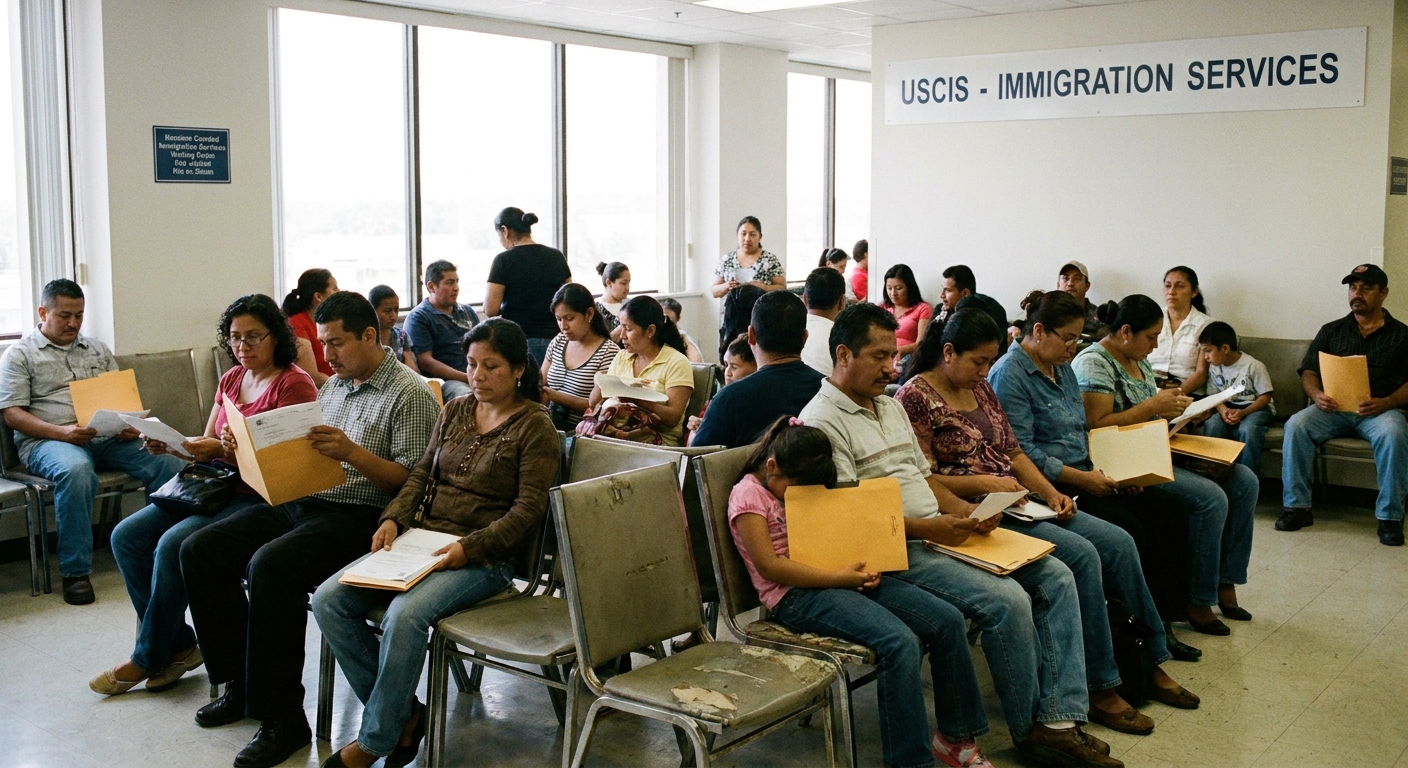
DACA was announced in 2012 by the Obama administration through the Department of Homeland Security. The policy responded to a reality Congress had debated for years: millions of undocumented immigrants were living in the United States, including many who arrived as children, grew up here, attended American schools, and often knew no other home.
Congress had considered versions of the “DREAM Act” that would have created a legal pathway for many of these individuals, but those bills did not become law. DACA, instead, was an executive branch approach to prioritizing immigration enforcement by focusing resources away from certain low-priority cases and toward others.
Who qualifies for DACA?
DACA eligibility is set by federal policy and application rules, not by a statute passed by Congress. While requirements can be updated by the government and shaped by court orders, the core idea has remained consistent: DACA targets people who came to the U.S. as children and meet specific residency, education or military, and background criteria.
Common requirements have included:
- Arrival before age 16.
- Continuous residence since June 15, 2007 (with limited exceptions under the rules).
- Physical presence on June 15, 2012 and at the time of requesting DACA.
- Age limits under the original policy (including being under 31 as of June 15, 2012).
- Education or service, such as being in school, graduating, earning a GED, or certain military service.
- Background checks and disqualifications for certain criminal convictions or security concerns.
Because the program’s availability and processing rules have shifted with litigation, anyone looking for current application options should confirm the latest status through official DHS and USCIS updates.

Current status
DACA’s day-to-day reality has been shaped as much by court orders as by policy memos. In recent years, a common practical baseline has been: renewals have generally continued while new, first-time applications have largely been blocked from approval due to ongoing litigation. The exact posture can shift, sometimes quickly, which is why the best source for what is currently being accepted and processed is USCIS.
Where DACA fits in constitutional government
DACA sits at the intersection of three constitutional realities that Americans often keep separate in their minds.
1) Congress writes immigration laws
The Constitution gives Congress broad power over naturalization and, as a practical matter through statutes and history, over immigration rules. If Congress passes a law creating lawful status or a path to citizenship, that is the most stable form of protection.
2) The executive enforces those laws
Article II requires the President to “take Care that the Laws be faithfully executed.” That enforcement responsibility includes discretion. Agencies cannot pursue every violation against every person at every moment. That is why tools like deferred action exist.
3) Courts police the boundaries
When an administration creates a sweeping policy without Congress, courts are asked a basic question: is this a lawful exercise of enforcement discretion, or is it an attempt to rewrite the law without the legislative branch?
That question is not just partisan. It is structural. It is about separation of powers, and about what it means for a policy to be legitimate in a system designed to make large changes difficult on purpose.
Why DACA has been in court
DACA has faced repeated legal challenges because it is a major program created through executive action. A few milestones help explain the arc:
- 2017: the Trump administration attempted to end the program.
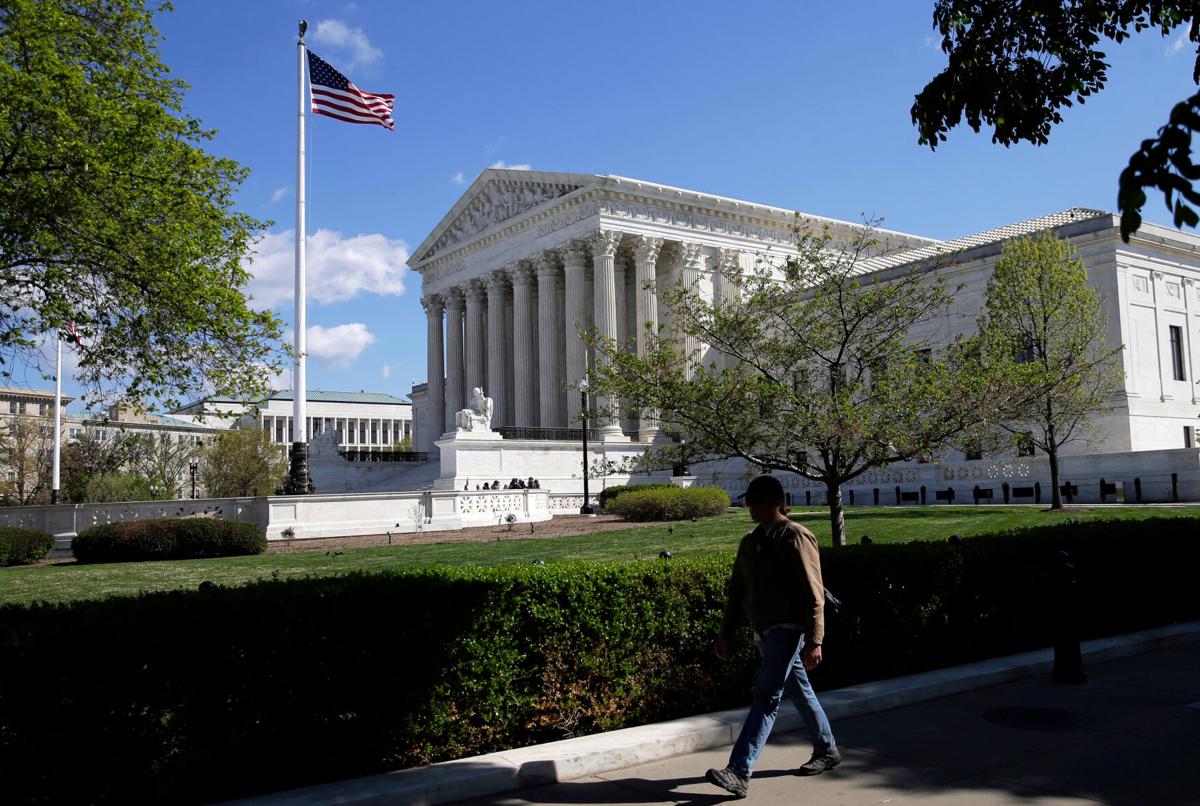
- 2020: the Supreme Court (in DHS v. Regents of the University of California) blocked that rescission on Administrative Procedure Act grounds, holding the government’s explanation was inadequate under the APA.
- 2021: a federal district court in Texas ruled DACA was unlawful and blocked new grants, while allowing renewals for existing recipients to continue during the litigation.
- 2022: DHS issued a final rule intended to fortify the policy through formal administrative process.
- 2023: the Fifth Circuit largely agreed DACA was unlawful, while keeping the renewal framework in place as the case continued.
At a high level, many DACA cases turn on administrative law questions under the Administrative Procedure Act (APA), not just constitutional questions. But the constitutional theme is always present in the background: who gets to decide, and by what process?
DACA vs. DREAM Act
No. The DREAM Act refers to proposed legislation, meaning a bill that would have to pass Congress and be signed by the President. DACA is an executive policy implemented through DHS.
This difference explains why DACA can feel both life-changing and unstable. A statute tends to last until another statute replaces it. A policy created through executive action can be narrowed, paused, or replaced by a future administration and then argued about in court.
Common myths
Myth: DACA gives citizenship
It does not. DACA is temporary deferred action plus work authorization, not lawful permanent residence.
Myth: DACA is guaranteed once you have it
DACA must be renewed and can be denied. It can also be terminated in individual cases, including for certain conduct or disqualifying criminal issues, and its future depends on courts and federal policy choices.
Myth: DACA is purely about compassion
Compassion is part of the public argument, but the legal argument is also about executive authority, agency procedure, and how immigration enforcement priorities are set in a constitutional system.
Why DACA matters
DACA is often discussed as an immigration story. It is also a constitutional story about power.
When Congress cannot or will not legislate, presidents face pressure to act. When presidents act broadly, courts are asked to draw lines. And when courts draw lines, millions of people feel the consequences in ordinary places: at work, in school, at the DMV, in a job interview, at a traffic stop.
That is why DACA keeps returning to the national conversation. It is not only about who gets to stay. It is about how durable rights and protections can be when they are built on executive discretion rather than statute.
Key takeaways
- DACA is a federal policy that grants temporary deferred action and often work authorization to eligible people who arrived as children.
- It is not a law passed by Congress and it provides no direct path to citizenship.
- DACA’s legal battles reflect a deeper constitutional tension: executive discretion versus legislative authority, with courts deciding the boundaries and the APA shaping what agencies must do to create or end major policies.