DACA is one of those government programs that many people talk about as if it is a law passed by Congress. It is not.
DACA stands for Deferred Action for Childhood Arrivals. It is an executive branch policy announced in 2012 that offers certain undocumented immigrants who came to the United States as children a temporary promise: the federal government will defer removal action against you for a set period of time, and it will also let you apply for work authorization.
That combination matters. Deferred action lowers the immediate risk of removal. Work authorization makes it possible to hold a job legally, apply for a Social Security number, and, in many states, obtain a driver’s license. But DACA does not create immigration status, and it does not provide a direct pathway to citizenship.

Join the Discussion
What DACA does and does not do
What DACA does
- Defers removal action for eligible recipients for a limited period (historically two years at a time), meaning the government agrees not to pursue removal during that period unless other issues arise.
- Allows recipients to apply for work authorization (an Employment Authorization Document, or EAD).
- Enables practical documentation that often flows from work authorization, such as the ability to apply for a Social Security number and, depending on state law, a driver’s license.
What DACA does not do
- It is not lawful permanent residence. DACA recipients are not green card holders by virtue of DACA.
- It is not citizenship. DACA does not naturalize anyone.
- It is not a guaranteed right written into the Constitution or a statute. It is an executive policy that can be changed, narrowed, or ended through political and legal processes.
- It does not automatically protect family members.
Think of DACA as an emergency brace on a complicated immigration system: it can stabilize someone’s life, but it is not the same thing as a permanent repair.
Who DACA was designed to protect
DACA was created for a specific group often called “Dreamers”: people who were brought to the United States as children and grew up here, often attending U.S. schools and building their lives in American communities.
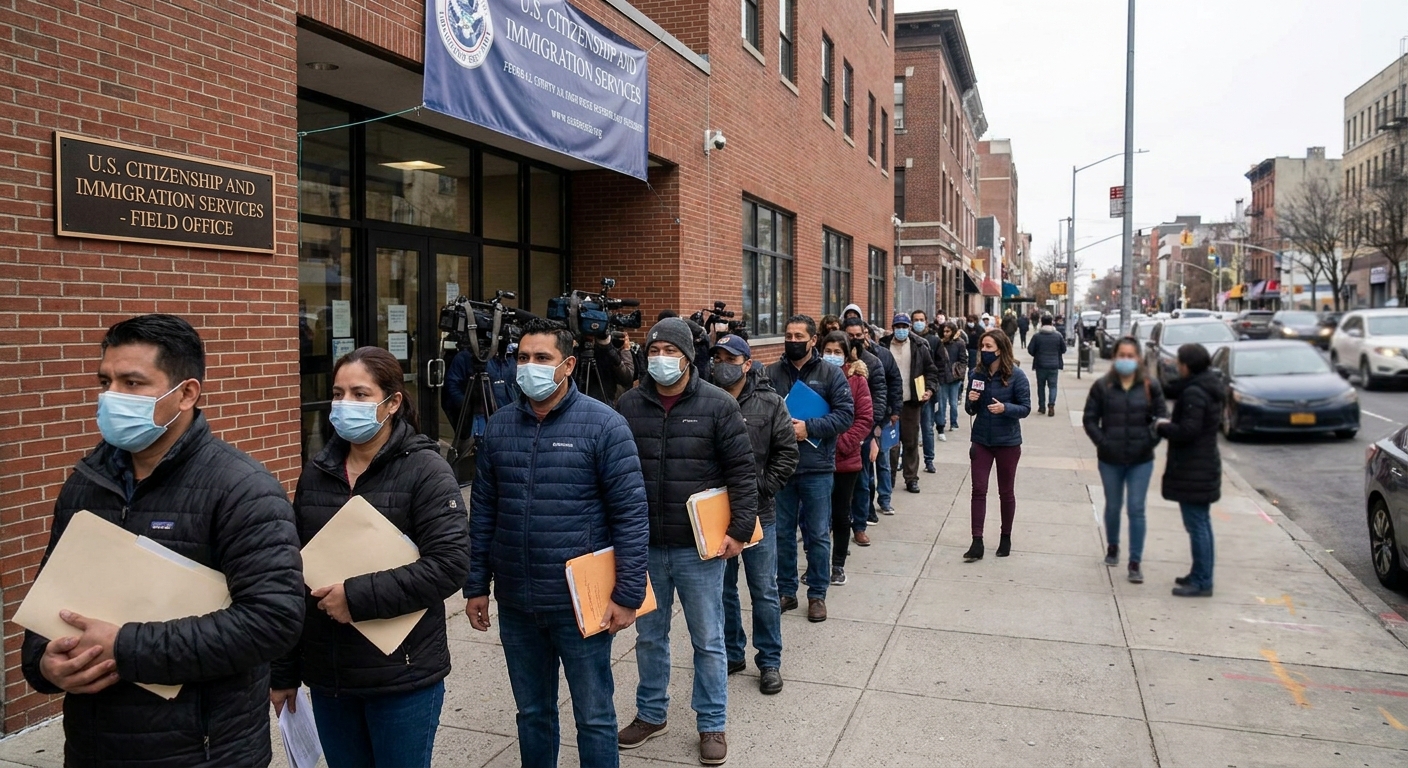
Eligibility has always been defined by criteria set by the executive branch and administered by U.S. Citizenship and Immigration Services (USCIS). While the exact rules and application availability have changed over time due to litigation and administrative updates, the core idea has remained consistent: DACA targets individuals who arrived in the U.S. as minors, have lived here for years, and meet education or military service expectations, while excluding many applicants based on criminal history or security concerns.
Eligibility basics
USCIS has long used a fairly consistent set of requirements, including:
- Arriving in the United States as a child (under a set age threshold)
- Living continuously in the United States since a specified date
- Meeting an education or military service requirement
- Passing background checks and avoiding disqualifying criminal history
Details matter, and the exact cutoffs and definitions are part of the formal USCIS guidance and forms.
How DACA works
DACA functions through prosecutorial discretion, a concept that sounds technical but is actually familiar in American law. The executive branch cannot enforce every law against every person all the time. Agencies must set priorities. Deferred action is the government saying, in effect, “We are not going to pursue removal against you right now.”
That decision is made case by case, based on an application process. If deferred action is granted, a recipient can also apply for work authorization. Those two steps are related but not identical.
Renewals
DACA has historically required periodic renewals. That structure reinforces the central reality of the program: it is time-limited and dependent on continued approval.
Information and risk
Applying for DACA requires sharing personal information with the federal government. For many recipients, the benefits outweigh the risk. But the existence of that information is also part of why DACA’s legal and political stability matters so much to real people with real paper trails.
DACA today
As of this publication date, DACA remains a working program primarily through renewals. Due to federal court orders, USCIS has generally continued to accept first-time (initial) applications, but it has been blocked from approving new, first-time requests in the usual way.
Because DACA’s day-to-day operations can shift with court rulings and agency updates, the most reliable “right now” source is USCIS. If you are looking for practical guidance, check the current USCIS DACA page and official announcements before making decisions based on older summaries.
Travel and advance parole
DACA does not automatically allow international travel. Historically, some DACA recipients have been able to request advance parole for limited reasons, such as education, work, or humanitarian needs, but it is a separate process with its own rules and risks. Like everything else connected to DACA, this area has been affected by policy changes and litigation, so it is important to check current USCIS guidance before planning travel.
Why DACA is in the news
DACA sits on a constitutional pressure point: the boundary between what the President can do through executive power and what only Congress can do through legislation.
The Constitution gives Congress authority over naturalization, and in practice Congress also sets the durable rules of immigration through statutes. At the same time, the executive branch enforces those laws, and enforcement always involves discretion.
The controversy is not over whether discretion exists. It does. The controversy is over scale and structure. Critics argue that DACA looks less like case-by-case discretion and more like a program Congress never authorized. Supporters argue that it is a lawful, humane prioritization decision in a system where Congress has repeatedly failed to legislate a permanent solution.
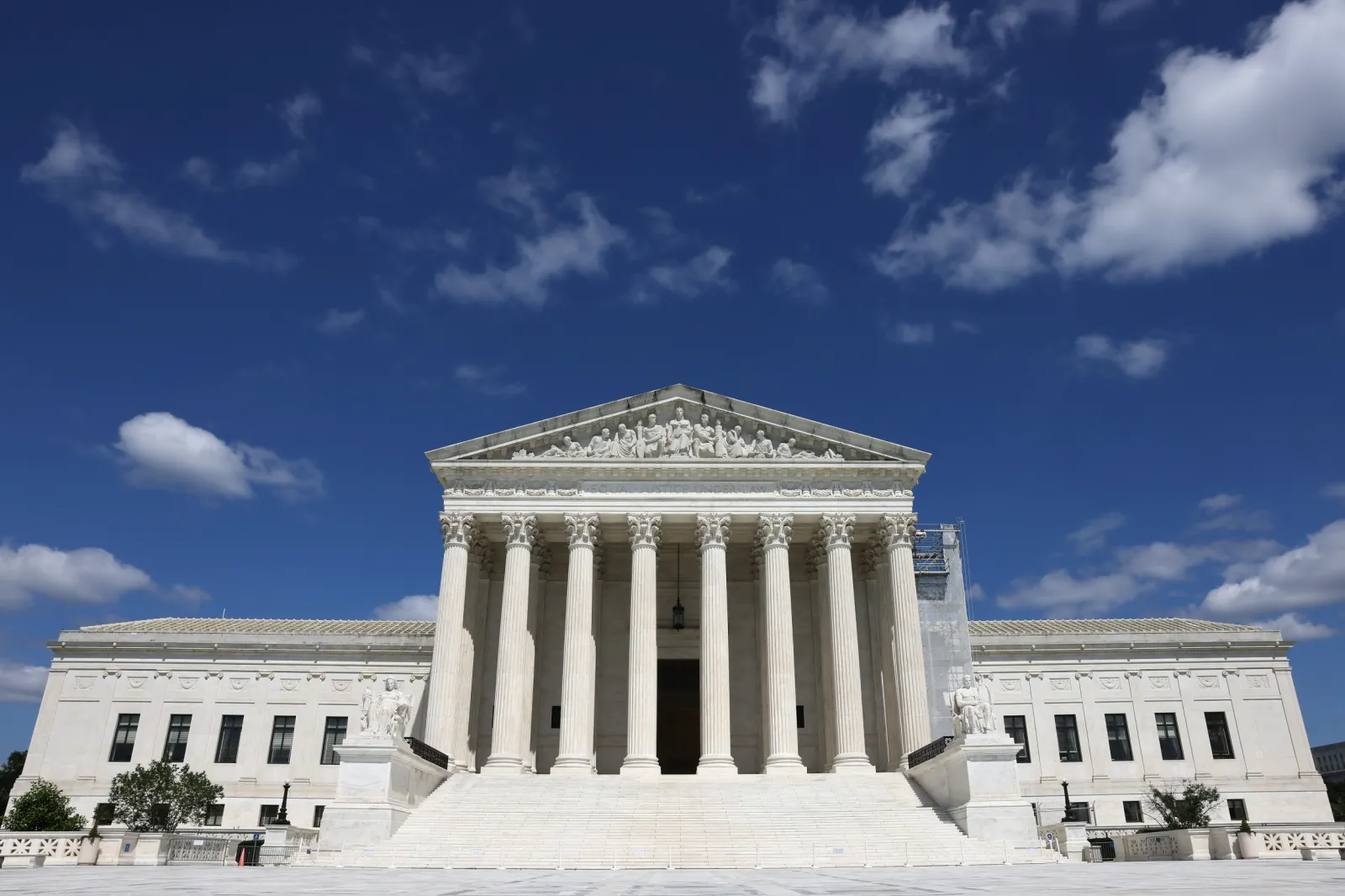
If you want a concrete anchor for the legal back-and-forth: DACA has faced repeated courtroom battles and administrative revisions, including the 2017 attempt to end it, the Supreme Court’s 2020 decision in DHS v. Regents of the University of California addressing that rescission effort, and later federal court rulings that limited how the program could operate, especially for new, first-time applicants.
Court rulings and administrative responses have repeatedly shifted what is allowed, what is paused, and what is being processed.
Is DACA a law?
No. DACA is not a statute passed by Congress.
That distinction sounds academic until you realize what it means in practice.
- Laws typically remain in force until Congress changes them and the President signs the change, or unless a court strikes them down.
- Executive policies can be changed much more quickly by administrations and can be more vulnerable to legal challenges about agency authority and procedure.
DACA has survived as long as it has largely because it is woven into the daily lives of hundreds of thousands of people, employers, schools, and communities. But as a legal matter, it lives on terrain that can shift with elections and court decisions.
Does DACA lead to citizenship?
DACA by itself does not provide a direct path to citizenship.
Some DACA recipients may have other independent options under existing immigration law, depending on their personal circumstances. But DACA is not a green card program, and it does not automatically convert into lawful permanent resident status.
This is one reason DACA remains such a recurring national argument. It is a large humanitarian and economic policy operating inside a system that never fully decided what to do with the people it affects long-term.
DACA and the Constitution
At usconstitution.net, the point is not to treat immigration as a partisan scoreboard. The point is to notice how the Constitution channels conflict.
DACA is a live demonstration of checks and balances in motion:
- The executive branch creates enforcement priorities and administers programs through agencies.
- The judiciary reviews whether the executive followed the law and stayed within its authority.
- Congress holds the power to write durable immigration rules, but it also faces political incentives to avoid the hardest votes.
If you want the most honest takeaway, it is this: DACA exists because American government sometimes runs on workarounds when legislation stalls. Workarounds can help people. They can also be fragile.
Key terms
- Deferred action: A decision by the government to postpone removal action against a person for a period of time.
- Work authorization (EAD): Permission to work legally in the United States, evidenced by a card issued by USCIS.
- Prosecutorial discretion: The executive branch’s authority to decide how to prioritize enforcement resources.
- USCIS: The agency within the Department of Homeland Security that processes many immigration applications, including DACA-related filings.
- Advance parole: Separate permission to travel abroad and return, when available, granted under specific rules and conditions.
What to watch
DACA’s future depends on two institutions that move at very different speeds.
- Courts decide whether the program, as structured, is lawful under statutes and administrative procedure.
- Congress could create a permanent legislative solution, which would be sturdier than any executive policy.
Until one of those things happens decisively, DACA will continue to function as an emergency brace for many people living inside an unresolved legal system.