
DACA is one of those policies that can feel like a law because it touches real lives in big, everyday ways. It often affects whether someone can work legally and, in many states, can help satisfy documentation requirements used for a driver’s license or other state-issued IDs, often by providing an EAD and related paperwork. At the same time, some states issue licenses regardless of immigration status, so the effect varies widely by state rules. It also shapes whether a person can plan for next year without fearing a sudden shift in policy or court orders.
But DACA is not a statute passed by Congress. It is a federal immigration policy, created by the executive branch in 2012, that grants deferred action to certain undocumented immigrants who came to the United States as children. Deferred action is a form of prosecutorial discretion. DACA also allows recipients to apply for work authorization under existing regulations that apply to people granted deferred action.

Join the Discussion
What DACA stands for
DACA stands for Deferred Action for Childhood Arrivals. The key phrase is “deferred action.” In immigration law, deferred action is a formal, discretionary decision by the government to defer removal action against a person for a period of time.
That deferral is not the same as legal status. It does not “fix” someone’s immigration category. It is closer to a temporary assurance, not a right: for now, the government will not pursue removal action under this policy, as long as you meet the rules, remain eligible, and keep renewing on time. It also can be ended or revoked in individual cases.
What DACA does (and does not) do
What DACA provides
- Deferred action (deferred removal action) for a renewable period (typically two years at a time), as long as the person remains eligible. This is discretionary and can be revoked in individual cases. It also does not bar immigration enforcement in all circumstances.
- Work authorization through an Employment Authorization Document (EAD). Under existing regulations, people granted deferred action can be eligible to apply for employment authorization, which in practice allows lawful employment and can generally make it possible to obtain a Social Security number for work-authorized purposes, under SSA rules.
- Practical stability that can affect driver’s licenses, professional licensing, and employment opportunities, depending on state law and agency rules.
What DACA does not provide
- No pathway to citizenship by itself.
- No permanent legal status.
- No lawful admission or lawful entry. DACA does not erase prior unlawful presence or create an “admitted” immigration category, which matters for travel and some later immigration options.
- No guaranteed protection from future policy changes or court decisions. The program has been repeatedly reshaped by litigation, and deferred action can be altered through executive action and administrative process.
- No automatic access to federal public benefits. Eligibility varies widely by program and by state.
Who created DACA and why
DACA was created in 2012 by the Department of Homeland Security (DHS) during the Obama administration. It came after years of congressional stalemate over immigration reform, including repeated failures to pass the DREAM Act, a proposed law that would have provided a statutory path for certain young undocumented immigrants.
The executive branch cannot rewrite immigration law. But it can decide how to enforce it. That enforcement discretion is built into the reality of the system: there are far more people who are removable under the Immigration and Nationality Act than the government has resources to deport.
DACA formalized a category of deferred action for people brought to the United States as children who met specific criteria. It also allowed eligible recipients to apply for work authorization under existing regulatory authority tied to deferred action.
Basic eligibility requirements
USCIS and DHS set specific requirements for DACA. The details matter and can change through policy guidance and litigation, so applicants should always verify current requirements through official sources or qualified legal help.
In general terms, DACA has been limited to individuals who:
- Came to the United States as children (for example, entered before age 16) and have lived here for many years
- Met age-related cutoffs tied to the program’s launch (for example, being under 31 as of June 15, 2012, under the original criteria)
- Were in school, graduated, earned a GED, or served in the U.S. armed forces (as the policy defines)
- Have not been convicted of certain crimes and do not pose a public safety or national security concern
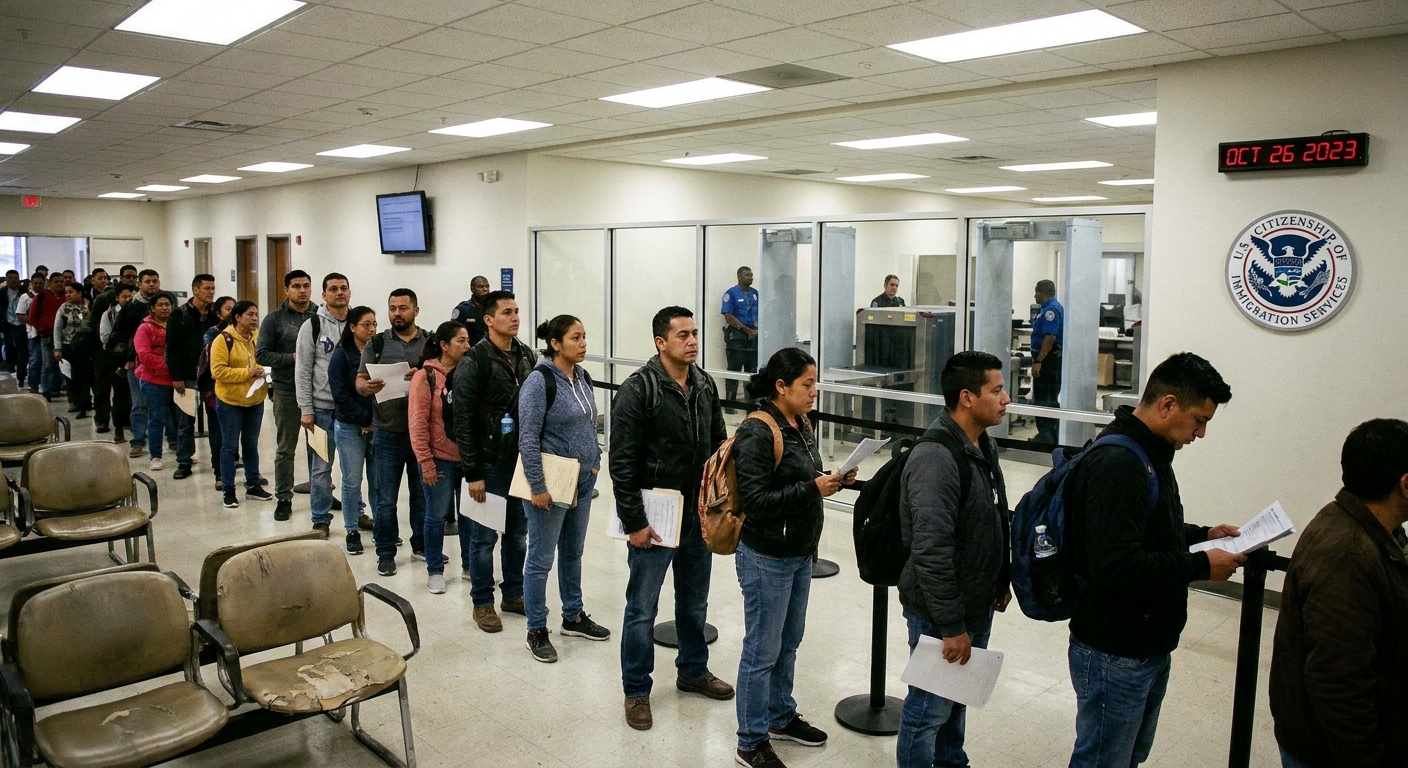
Even when someone appears eligible on paper, the application process can involve detailed documentation of identity, continuous residence, and background checks. It also requires periodic renewal, fees, and typically biometrics, which can be a real burden for families budgeting around deadlines.
Renewals vs new applications
For many years, people could apply for DACA for the first time if they met the criteria. That changed as court battles intensified.
In recent years, a central practical divide has been this:
- Renewals: Many DACA recipients have been able to renew their deferred action and work authorization, typically in two-year increments, depending on the legal status of court orders at the time.
- New applications: USCIS has often continued to accept filings, but approvals for new applicants have been blocked under litigation-related injunctions, meaning many first-time cases have remained pending without being granted.
Because this is driven by court orders and USCIS guidance, it is time-sensitive. Anyone relying on DACA should confirm the current posture right before making plans around filing or travel.
Why DACA is controversial
DACA sits at the intersection of three recurring constitutional themes:
1) Separation of powers
Congress writes immigration laws. The executive enforces them. DACA’s critics argue that it functions like a legislative rewrite because it affects a large group and creates structured, renewable benefits.
DACA’s defenders argue the opposite: that the executive must set enforcement priorities, and deferred action has long been used in immigration practice. The dispute is less about whether discretion exists and more about how far it can go before it becomes lawmaking by another name.
2) The Take Care Clause
Article II says the president must “take Care that the Laws be faithfully executed.” That clause is often invoked in debates about broad non-enforcement policies. The constitutional question is not whether every violation must be prosecuted. No system works that way. The question is when prioritization becomes abdication.
3) Administrative law
Many DACA lawsuits have turned on the Administrative Procedure Act (APA): whether DHS followed proper procedures, and whether the policy is permissible under statutory authority. These may sound technical, but in modern governance, procedure is power. A program can live or die on whether an agency used notice-and-comment rulemaking and provided a legally sufficient explanation.
A short legal timeline
DACA has been shaped as much by court orders as by elections. In simplified form:
- 2012: DHS announces DACA.
- 2017: The Trump administration attempts to end DACA.
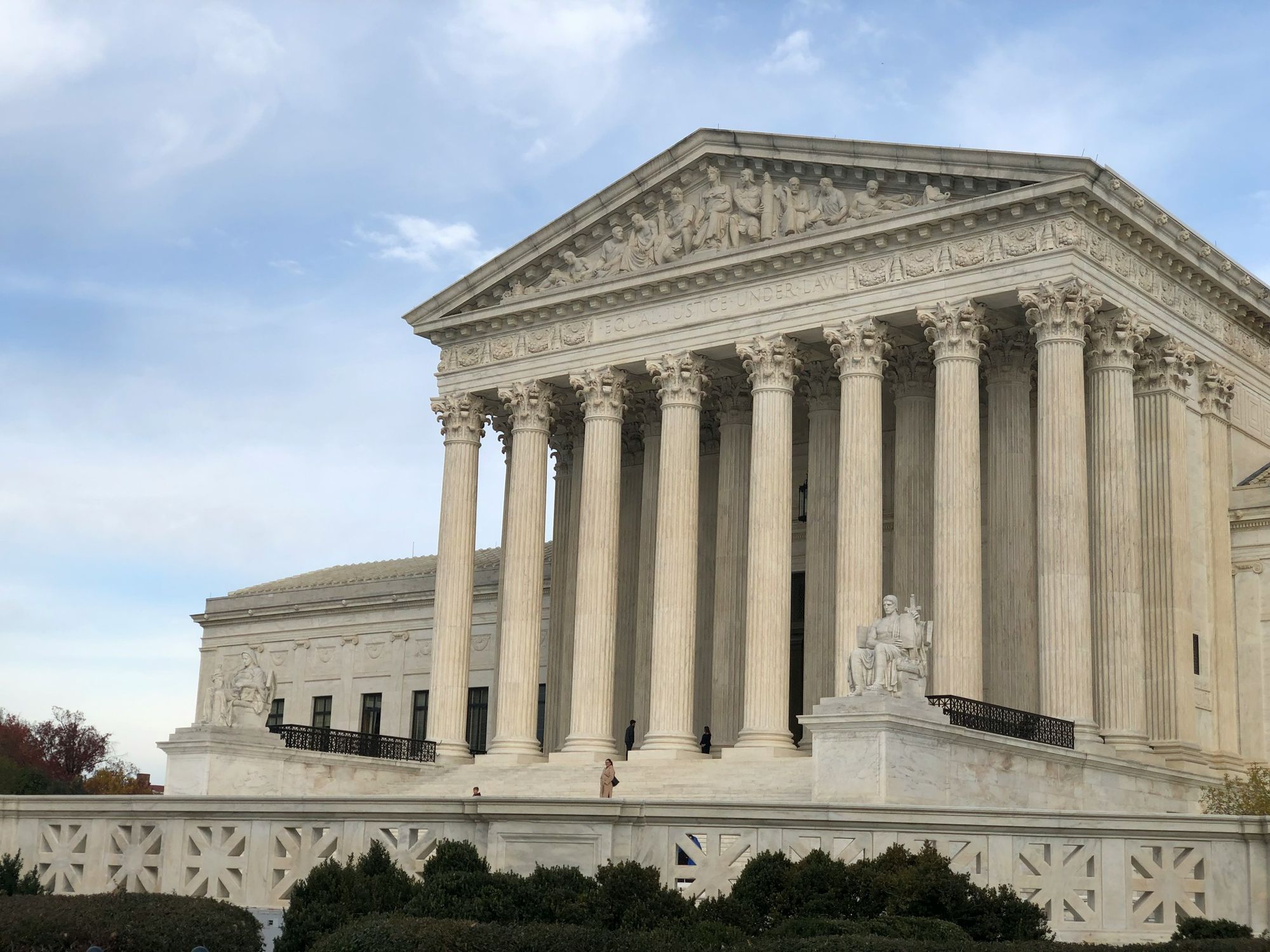
- 2020: In Department of Homeland Security v. Regents of the University of California, the Supreme Court blocks the termination as it was carried out, holding the rescission was arbitrary and capricious under the APA. The Court did not declare DACA itself constitutional or permanent.
- 2021: A federal district court in the Southern District of Texas (Hanen) rules DACA unlawful and enjoins approvals of new initial requests, while allowing many current recipients to continue renewing while the case proceeds.
- 2022: DHS issues a final rule attempting to fortify DACA through formal regulation. The rule did not moot the case, and litigation continued.
- 2023 and after: Appeals and further district court proceedings continue. Court orders have continued to shape what USCIS can approve, with renewals generally continuing for existing recipients while initial approvals remain constrained, depending on the operative orders at the time.
The bottom line for readers is simple: DACA has been repeatedly kept alive through a mix of judicial constraints and administrative adjustments, not because Congress enacted it into permanent law.
How DACA affects daily life
Because DACA is tied to work authorization, it can be the difference between precarious work and stable, long-term employment.
For recipients, DACA can mean:
- Getting hired for jobs that require verification through I-9 employment eligibility processes
- Maintaining continuous employment without losing authorization mid-career
- Qualifying for certain professional licenses in some states
- In many places, obtaining a driver’s license where state rules connect licensing to proof of identity or particular documentation, often an EAD and related records
It can also mean living with expiration dates. DACA recipients plan around renewal windows, processing delays, and the possibility that a court decision could change the rules with little warning.
Travel and advance parole
DACA is not a travel document. Some recipients have been able to request advance parole, which is permission to travel and seek to return under specific conditions and with specific risks. Availability and standards have shifted over time based on DHS policy and litigation.
Advance parole is not a guarantee of reentry. It is discretionary at the application stage, and it is also discretionary at inspection. Even with an approved advance parole document, admissibility issues can arise at the border, and CBP makes the inspection decision.
Travel questions in immigration law are rarely casual. Leaving the United States can trigger bars to reentry for some undocumented immigrants, depending on their history. In some cases, advance parole travel has been connected to later immigration options, but it is highly fact-specific and not a guarantee. Anyone considering travel should treat it as a legal decision, not just a logistical one.
Is DACA still in effect?
At the time of writing, DACA continues in a legally contested, court-limited form. In practice, that has often meant the program operates mainly through renewals for existing recipients, while initial approvals for new applicants have been blocked. This posture depends on current court orders and USCIS guidance and should be verified immediately before publication and before any filing decisions.
Because litigation and agency guidance can change, the most accurate ongoing answer is this: DACA is not “over,” but it has not operated like a fully open, stable federal program for years. For the latest status, applicants and recipients should check USCIS updates and, when needed, consult qualified legal help.
Status check: USCIS posts DACA updates here: https://www.uscis.gov/DACA
Why Congress matters
If you want to understand DACA’s long-term fragility, look at what it is not: it is not an immigration status written into the U.S. Code.
A durable solution would almost certainly require Congress to legislate, whether through a DREAM Act-style pathway, a broader immigration reform package, or another statutory framework that courts would treat as legitimate lawmaking.
Until then, DACA remains a policy that can be defended, attacked, narrowed, expanded, paused, or redesigned through the same tools that created it: executive action, administrative process, and courtroom review.
Common questions
Is DACA an amnesty?
DACA is not a grant of permanent legal status or citizenship. It is a temporary decision to defer removal action paired with the ability to apply for work authorization. People disagree on what label to put on that. The legal effect is narrower than what “amnesty” usually implies.
Does DACA make someone a lawful permanent resident?
No. Lawful permanent residence is a separate immigration status, commonly called having a green card, and it requires a statutory pathway and an application process distinct from DACA.
Is DACA “lawful status” or “lawful presence”?
DACA does not grant lawful status. It can, in some contexts, be treated as a period of authorized stay or “lawful presence” for limited purposes while the deferred action is in effect, but those terms are technical and program-specific. In practice, what matters is what a particular agency or state program requires and how it defines eligibility.
Can DACA be ended by a president?
A president can attempt to end or change DACA, but how it happens matters. The Supreme Court’s 2020 decision emphasized that agencies must follow required administrative procedures and provide adequate reasoning. That is not the same as saying DACA cannot be ended.
The bigger civics question
DACA forces a civics question that is bigger than immigration: what happens when Congress cannot or will not legislate on an urgent national issue, and the executive branch fills the gap with enforcement policy that starts to look like a substitute for law?
You can support DACA, oppose it, or feel conflicted about it. Its existence tells a similar story either way. In the American system, the branch that acts is often the branch that gets sued. And the people who live under the policy become, in effect, the human record of the argument.
If you want a stable answer to “What is DACA?” you eventually have to ask a harder one: Who gets to decide what the immigration rules are, and how permanent those decisions can be without Congress.