
You have probably heard DACA described as “amnesty,” “a pathway to citizenship,” or “an executive order that Congress should have passed itself.” All three are common political talking points. None of them is quite right.
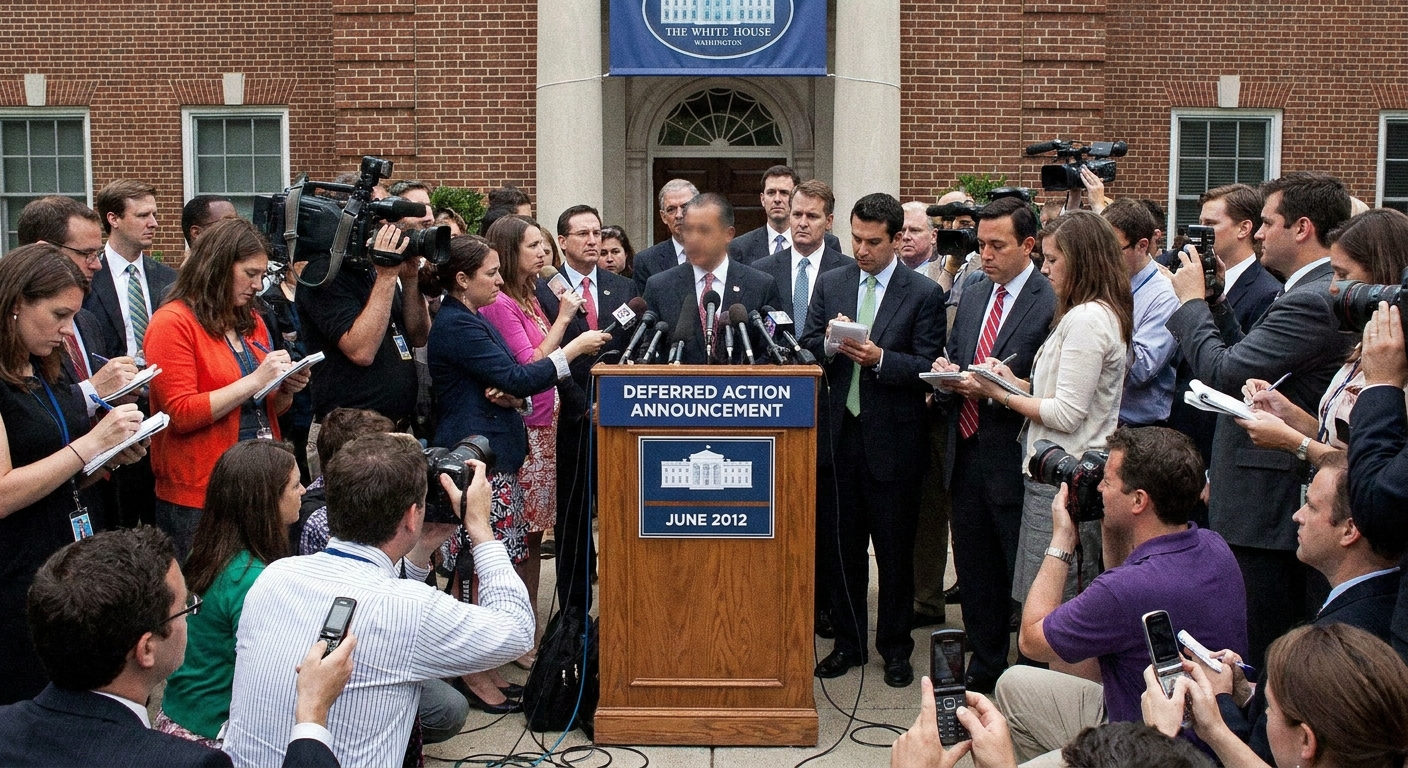
DACA stands for Deferred Action for Childhood Arrivals. It is a federal immigration policy first announced in 2012 that allows certain undocumented immigrants who came to the United States as children to request two things:
- Deferred action, meaning the government agrees to temporarily pause deportation efforts against them
- Work authorization, meaning they can apply for permission to work legally in the United States
It is not a law passed by Congress. It is an executive branch program, built on immigration enforcement discretion. That fact explains both DACA’s power and its fragility.
Join the Discussion
DACA in one sentence
DACA is a program that lets eligible people request temporary protection from deportation and a work permit, usually granted in renewable periods, but it does not provide lawful immigration status or citizenship.
What deferred action means
“Deferred action” is not a special immigration status created by the Constitution or by statute. It is a long-used executive branch tool that reflects a basic reality: the federal government cannot investigate, detain, and remove every person who is removable under immigration law.
So immigration enforcement involves prioritization. Deferred action is essentially the government saying, for now, you are not our enforcement priority.
That pause can be life changing. It can also be revoked. That is why DACA recipients often describe the program as stability, but not security.
What DACA gives, and what it does not
What DACA can provide
- Temporary protection from removal while the grant is in effect
- Work authorization through an Employment Authorization Document (EAD)
- A Social Security number tied to lawful employment authorization
- In many states, access to driver’s licenses or state IDs (state rules vary)
What DACA does not provide
- No citizenship and no automatic “path to citizenship”
- No permanent legal status under federal immigration law
- No guarantee of renewal, even if you were approved before
- No direct protection for family members who are undocumented
This is where the constitutional conversation gets interesting. DACA lives in a space where the law says one thing on paper, but enforcement discretion shapes what life looks like in practice.
Who DACA was designed to cover
DACA was aimed at a specific population often called “Dreamers,” a term popularized by proposals for the DREAM Act in Congress. DACA does not use that label officially, but the concept is the same: people who were brought to the U.S. as children and grew up here.
Eligibility rules have changed over time through policy and litigation, and they can be technical. At a high level, DACA historically focused on factors such as:
- Coming to the U.S. as a minor
- Living continuously in the U.S. since a set date
- Being in school, having graduated, or having served in the military
- Having limited or no serious criminal history
Because the rules are detailed and outcomes can affect someone’s immigration situation, readers should treat any online overview as a starting point, not personal legal advice.
How DACA works
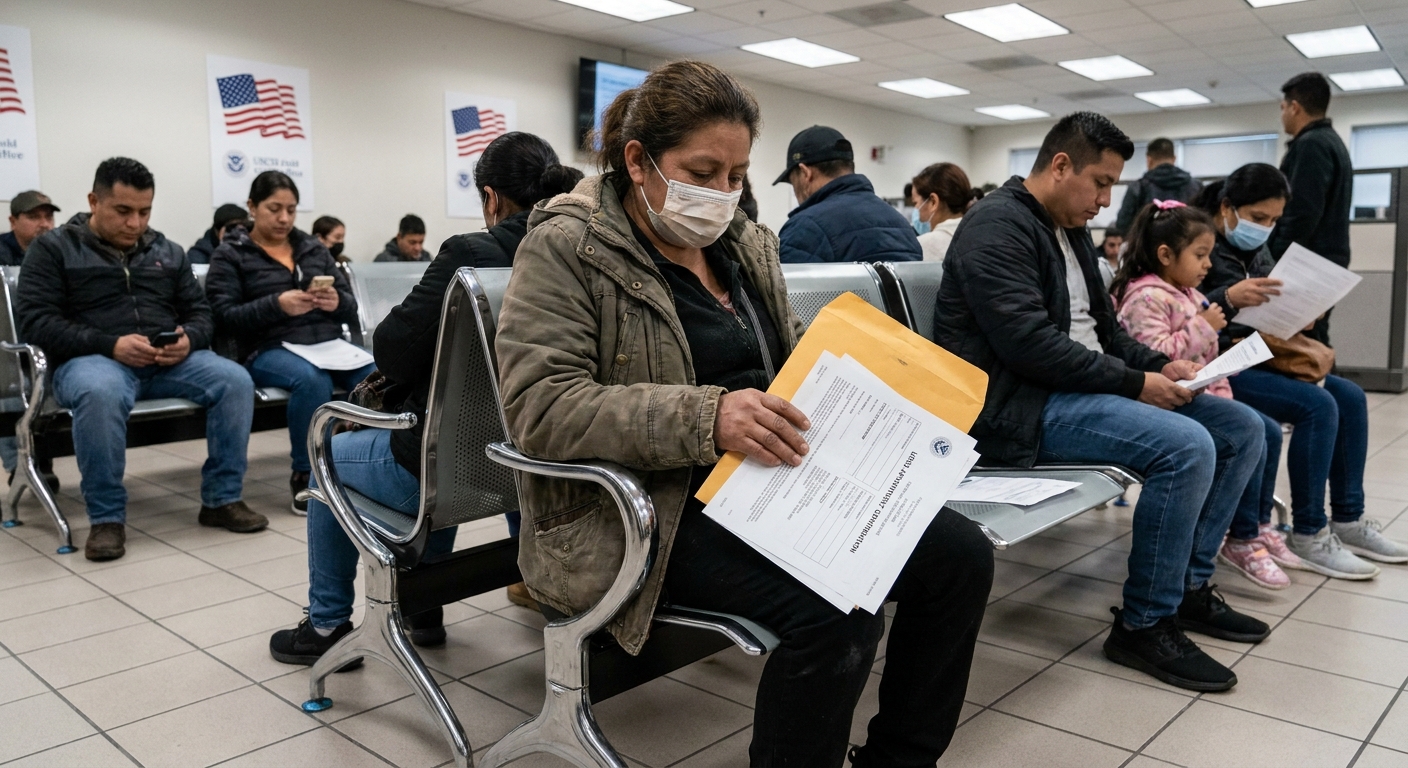
DACA is administered by U.S. Citizenship and Immigration Services (USCIS). When the program is open to initial filings, applicants submit forms, supporting documents, fees, and biometrics (fingerprints and photo). If approved, the recipient receives a grant of deferred action and can apply for work authorization for the same period.
Important current update: Because of ongoing federal court rulings, including litigation in Texas (often associated with Judge Hanen), USCIS has been blocked from granting new (initial) DACA requests. In practice, that means USCIS can continue to accept initial applications, but it generally cannot approve them. Renewals, however, have continued to be processed for people who already have DACA, subject to eligibility and case-by-case review.
The key point is that DACA is renewable, not permanent. The government periodically rechecks eligibility factors and can deny renewals for certain disqualifying issues.
Why DACA is in court
DACA’s legal vulnerability is not mainly about whether Dreamers are sympathetic. It is about where DACA comes from.
Congress writes immigration statutes. The executive branch enforces them. DACA sits at that seam, and lawsuits tend to ask variations of the same constitutional and administrative questions:
- Separation of powers: Did the executive branch effectively create a new immigration policy that should have come from Congress?
- Administrative law: Was DACA implemented in a way that complied with the Administrative Procedure Act (APA), including requirements for reasoned decision-making and, potentially, notice-and-comment procedures?
The Supreme Court addressed one chapter of this story in Department of Homeland Security v. Regents of the University of California (2020). The Court did not declare DACA itself constitutional or unconstitutional. Instead, it held that the Trump administration’s attempt to end DACA was procedurally defective under the APA because the agency did not adequately explain its decision.
That distinction matters. A ruling that says “you did this the wrong way” is not the same as “you cannot do this at all.” It is a reminder that, in modern government, legality often turns on process as much as principle.
Does DACA create legal status
Not in the way people usually mean it.
DACA recipients are not given lawful permanent resident status (a green card). They do not become “lawfully present” in every sense used across immigration law. But they often are treated as lawfully present for specific, limited purposes while their deferred action grant is active, such as eligibility to receive work authorization.
This is one reason DACA confuses the public. It changes day-to-day reality in ways that feel like a status, while remaining legally temporary and dependent on executive policy.
DACA and the Constitution
At its core, DACA forces an uncomfortable civic question: What happens when a policy becomes a pillar of people’s lives, but never becomes a statute?
The Constitution gives Congress the power to create a “uniform Rule of Naturalization,” and it gives the executive branch the duty to “take Care that the Laws be faithfully executed.” Immigration lives in the overlap between those two ideas. Enforcement discretion is unavoidable, but discretion at scale starts to look like policymaking.
That is why DACA is always described with the language of permanence and impermanence at the same time. It is durable enough to shape careers, families, and communities. It is also vulnerable enough to hinge on elections, agency memos, and court orders.
Common DACA questions
Is DACA an executive order?
No. It is often described that way, but it was launched through a policy memorandum from the Department of Homeland Security. It is executive branch action, but not literally an “executive order.”
Can DACA recipients be deported?
DACA is designed to pause deportation while it is in effect, but it is not an ironclad shield. A recipient can lose DACA due to disqualifying conduct, and deferred action can be terminated under certain circumstances.
Does DACA let someone travel outside the U.S.?
DACA does not automatically allow travel. Historically, some recipients could request advance permission to travel for limited reasons, but the rules have shifted over time and are legally sensitive.
Does DACA lead to a green card?
Not by itself. Some recipients may pursue other immigration options if they independently qualify, but DACA is not a direct on-ramp to permanent residency.
Why this keeps coming back
DACA persists because it meets a real-world need that Congress has not resolved through legislation. It also persists because it fits an equally real-world pattern in American constitutional government: when the legislative branch stalls, the executive branch stretches, and the courts become the referee.
Whether you view DACA as a necessary act of humane discretion or an improper end-run around Congress, the civic lesson is the same. Programs built on executive power can change quickly, because the same structure that lets a president create policy can let a future administration unwind it.
If you want DACA’s protections to become stable in the way most people assume they already are, that is not mainly a question for judges. It is a question for Congress, and for voters who decide whether Congress ever has the incentives to act.
Quick takeaway
DACA is a temporary, renewable protection from deportation paired with work authorization for certain undocumented immigrants who came to the U.S. as children. It is powerful in daily life, limited in legal status, and perpetually uncertain because it rests on executive discretion and ongoing litigation rather than a statute passed by Congress. As of today, that legal uncertainty is not abstract: renewals continue, but new (initial) DACA grants have been blocked by federal court orders.