
You know the feeling from TV: someone stands in a courtroom, the judge reads charges, and the defendant says a single word: “Not guilty.”
That scene is loosely based on a real procedure called an arraignment. But in real life, arraignment is less about drama and more about something the Constitution cares deeply about: making sure the government tells you, plainly and on the record, what it is accusing you of, and what happens to you while the case moves forward.
An arraignment hearing is usually short. It can also be one of the most important early moments in a criminal case because it sets the tone for counsel, release conditions, and deadlines.
Join the Discussion
What an arraignment is
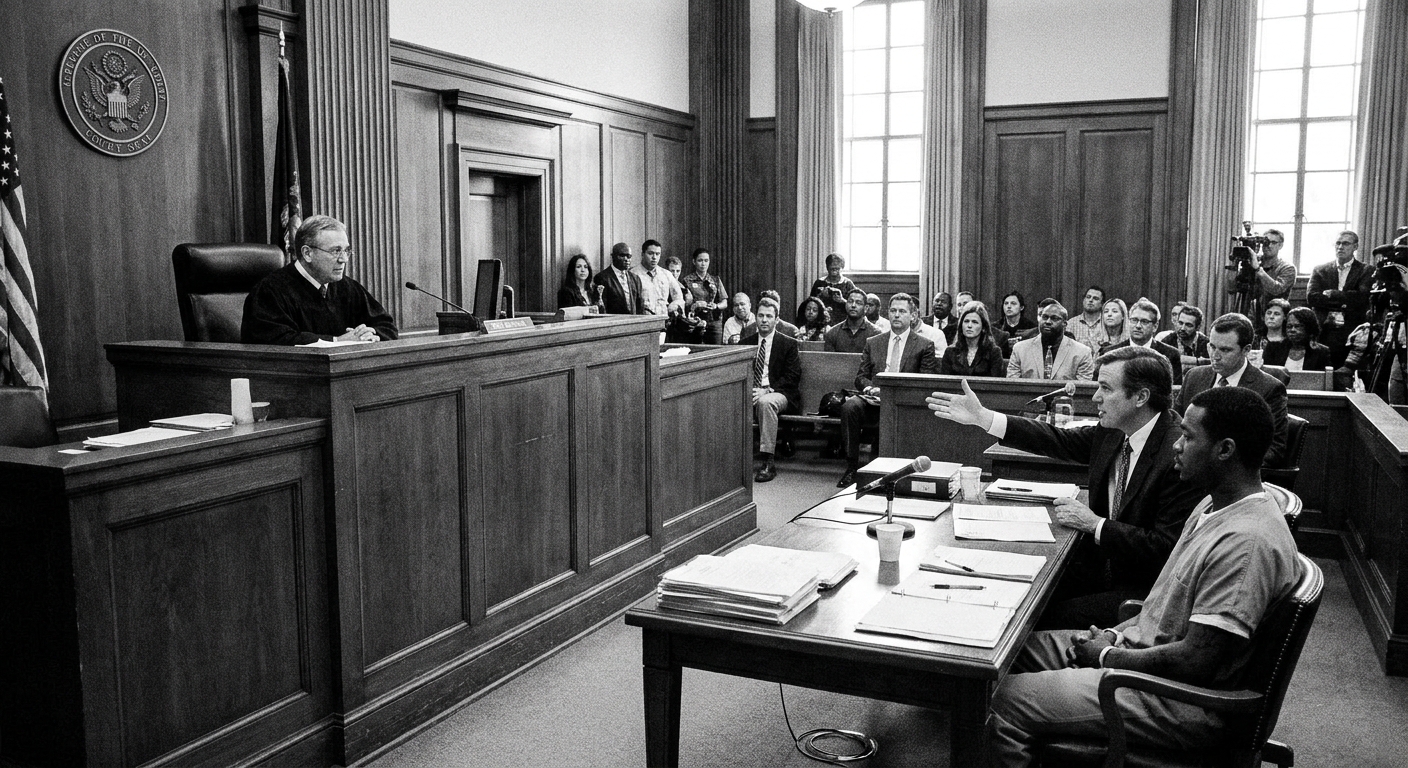
An arraignment is a formal court hearing where the defendant is told the charges and asked to enter a plea. In many places, it is the first time you appear in court after charges are filed. In others, there is an earlier initial appearance (sometimes called a “first appearance” or “presentment”) where the court addresses counsel and release, and the arraignment happens later.
Regardless of local naming, an arraignment commonly includes the court doing the following:
- Confirms your identity and that you are the person named in the case.
- Formally states the charges against you (or confirms you received them).
- Advises you of key rights, including the right to counsel.
- Asks for a plea (guilty, not guilty, or sometimes no contest).
- Addresses release conditions, including bail or other restrictions (sometimes this happens at a separate hearing).
- Schedules next steps, like a pretrial conference or preliminary hearing.
The exact script depends on the state, whether the case is in federal court, and whether you were charged by complaint, information, or indictment. But the purpose is consistent: the court puts the accusation and your response into an official record.
Where it fits
Arraignment is not a trial, and it is not where guilt is decided. It is an early checkpoint that typically happens after:
- An arrest (with or without a warrant), or
- A summons/citation ordering you to appear, or
- A grand jury indictment (common in many felony cases).
Then the case generally moves into pretrial litigation. That is where evidence is exchanged, motions are filed, plea negotiations happen, and dates are set for hearings or trial.
What happens at arraignment
1) The judge calls the case
The court verifies who you are and that you understand why you are there. In many courts, arraignments happen in a fast-moving calendar with multiple cases set for the same time.
2) The charges are read or confirmed
You have a right to meaningful notice of what you are accused of under the Sixth Amendment and due process. How that happens varies. In many courts, the judge confirms you received the charging document rather than reading each count out loud. In others, the judge reads or summarizes the charges and may mention potential penalties.
3) The court addresses counsel
If you already have a lawyer, the lawyer appears with you. If you do not, the court may ask about your financial situation and appoint a public defender if you qualify.
This is where constitutional law stops being abstract. A criminal case is not just “you versus the state.” It is the state with investigators, prosecutors, and procedural advantages, and you with the right to counsel so the process stays fair.
4) Interpreters and accommodations
If you need an interpreter or an accommodation for a disability, tell the court as early as possible. Courts routinely provide interpreters and can make accessibility accommodations, but they generally need to be asked.
5) You enter a plea
Most defendants enter a not guilty plea at arraignment, even when they expect the case to resolve without trial. That preserves options and triggers the next steps in the process.
Sometimes defendants plead guilty or no contest (nolo contendere) at arraignment, but that is typically done only after consultation with counsel and with a clear understanding of consequences. If a guilty plea is entered, the court may proceed with a plea colloquy and then set sentencing, sometimes immediately but often on a later date.
6) Release conditions and bail
Depending on the jurisdiction, release conditions may be decided at arraignment or at a separate bail or detention hearing. The judge may order that you will be:
- Released on your own recognizance (a promise to return),
- Released with conditions (check-ins, travel limits, no-contact orders, monitoring), or
- Held or required to post bail to be released.
This is where stakes get immediate. The difference between being free pending trial and being jailed pending trial affects everything: employment, family, the ability to meet with counsel, and the pressure to accept a plea.
7) Next dates are set
The court typically schedules a follow-up, which might include:
- A pretrial conference
- A preliminary hearing (in many felony cases, depending on jurisdiction)
- A motion hearing
- A trial date or scheduling conference
Key constitutional rights
Arraignment sits at the intersection of several constitutional protections. It is not the only place these rights apply, but it is often the first moment they become visible in court.
Sixth Amendment: right to counsel
The Sixth Amendment guarantees the right to assistance of counsel in criminal prosecutions. For serious charges, the government must provide counsel for defendants who cannot afford one.
Arraignment and closely related early hearings are often treated as a “critical stage” because decisions made here, especially about release and future hearings, can shape the case.
Sixth Amendment: notice of the accusation
The Sixth Amendment also guarantees that the accused will “be informed of the nature and cause of the accusation.” That does not mean the state must prove its case at arraignment. It means the state cannot keep the charge vague, shifting, or hidden.
Eighth Amendment: excessive bail
The Eighth Amendment prohibits excessive bail. It does not guarantee bail in every case. But when bail is used, it cannot be set higher than reasonably necessary to address lawful goals like ensuring appearance in court and, where local law allows, protecting public safety.
Modern bail law is largely shaped by state statutes and court decisions. In some systems, judges may also order preventive detention in limited circumstances. The basic constitutional idea remains the same: pretrial restraints should be justified, not punitive.
Fourteenth Amendment: due process
State criminal cases operate under the Fourteenth Amendment’s guarantee of due process. Due process is the backbone idea that the government must follow fair procedures before depriving a person of liberty.
Arraignment is one of those procedures. It is the legal system saying, out loud: here is the charge, here are your rights, and here is what happens next.
Fifth Amendment: remain silent
Defendants sometimes believe arraignment is a moment to tell the judge “what really happened.” It usually is not. Statements can be used later, and arraignment is not structured to weigh evidence.
If you have counsel, your lawyer will often do the talking. If you do not, the safest rule is simple: do not argue facts at arraignment. Answer what the court needs for the proceeding and leave case facts for counsel.
Plea options
At arraignment you may be asked to enter a plea. The most common options are:
- Not guilty: You contest the charge and require the government to prove the case.
- Guilty: You admit the charge. The court will typically ensure the plea is knowing and voluntary and then set sentencing (sometimes immediately, often later).
- No contest: You do not admit guilt, but you accept conviction and sentencing as if you pled guilty. This can matter in some civil contexts, depending on jurisdiction.
Courts vary on whether they accept a guilty plea at arraignment automatically. Many judges will ask questions to confirm you understand the rights you are giving up, including the right to trial, the right to confront witnesses, and the privilege against self-incrimination.
What bail decisions consider
In theory, pretrial release decisions are supposed to balance factors like:
- Flight risk: Will the person come back to court?
- Public safety: Is there a serious risk of harm or witness intimidation if the person is released?
Courts may consider the charge severity, criminal history, community ties, prior failures to appear, and whether the alleged offense involved violence. Judges may also impose conditions instead of money bail, such as a no-contact order or supervision.
Because bail rules are heavily state-specific, two people with similar charges can face very different outcomes in different jurisdictions. That is a policy choice as much as a legal one, and it shapes how “equal” the justice system feels from the defendant’s side of the bench.
How soon is it after arrest?
The timing depends on whether you are in custody and on state or federal rules.
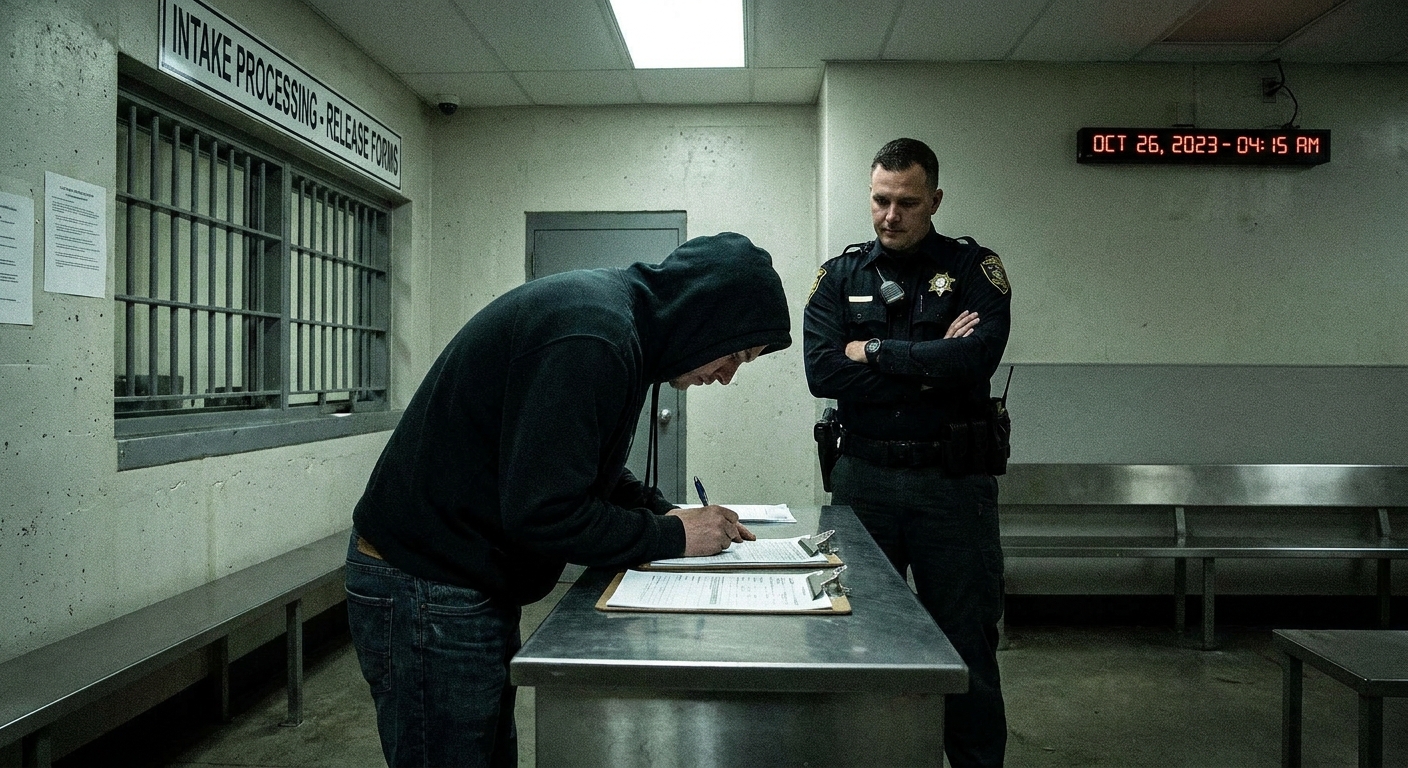
If you are arrested and kept in custody, you generally must be brought before a judge promptly for an initial appearance or presentment, and in many warrantless arrests there must also be a timely judicial probable-cause determination. People often hear “within 48 hours” as a practical constitutional benchmark for that probable-cause review, with exceptions and fact-specific rules.
Arraignment itself can occur at that first appearance or later, depending on local procedure. If you were cited or summoned instead of jailed, arraignment may be scheduled weeks later.
If you think your appearance is being delayed unlawfully, that is a question for counsel. The deadlines and remedies depend on jurisdiction and the procedural posture.
Arraignment vs. prelim hearing
No. They are different hearings with different jobs.
- Arraignment is about notice of charges, counsel, plea entry, and release conditions.
- Preliminary hearing (common in felony cases when there is no indictment) is about whether the prosecution has enough evidence to show probable cause to proceed. Witnesses may testify, and evidence may be presented.
Some defendants will have both. Others will not, especially if the case proceeds by grand jury indictment or if the jurisdiction uses different procedures.
Do you need a lawyer?
If you can have counsel at arraignment, you generally should. Even when the hearing is brief, it can involve choices with long shadows, especially release conditions and the framing of future dates.
If you cannot afford counsel, ask the court about appointment of a public defender. The details vary, but the constitutional principle is that the right to counsel is not supposed to be a luxury item.
How to prepare
Arraignment is mostly procedural, but preparation helps. Consider:
- Bring identification and any paperwork you received (citation, summons, charging documents).
- Arrive early. Court calendars move fast and being late can create avoidable problems.
- Ask for an interpreter or accommodation if you need one.
- Know whether a no-contact order might be requested and be ready to comply immediately if imposed.
- Have a plan for bail if money bail is a possibility, including who can help and what resources exist.
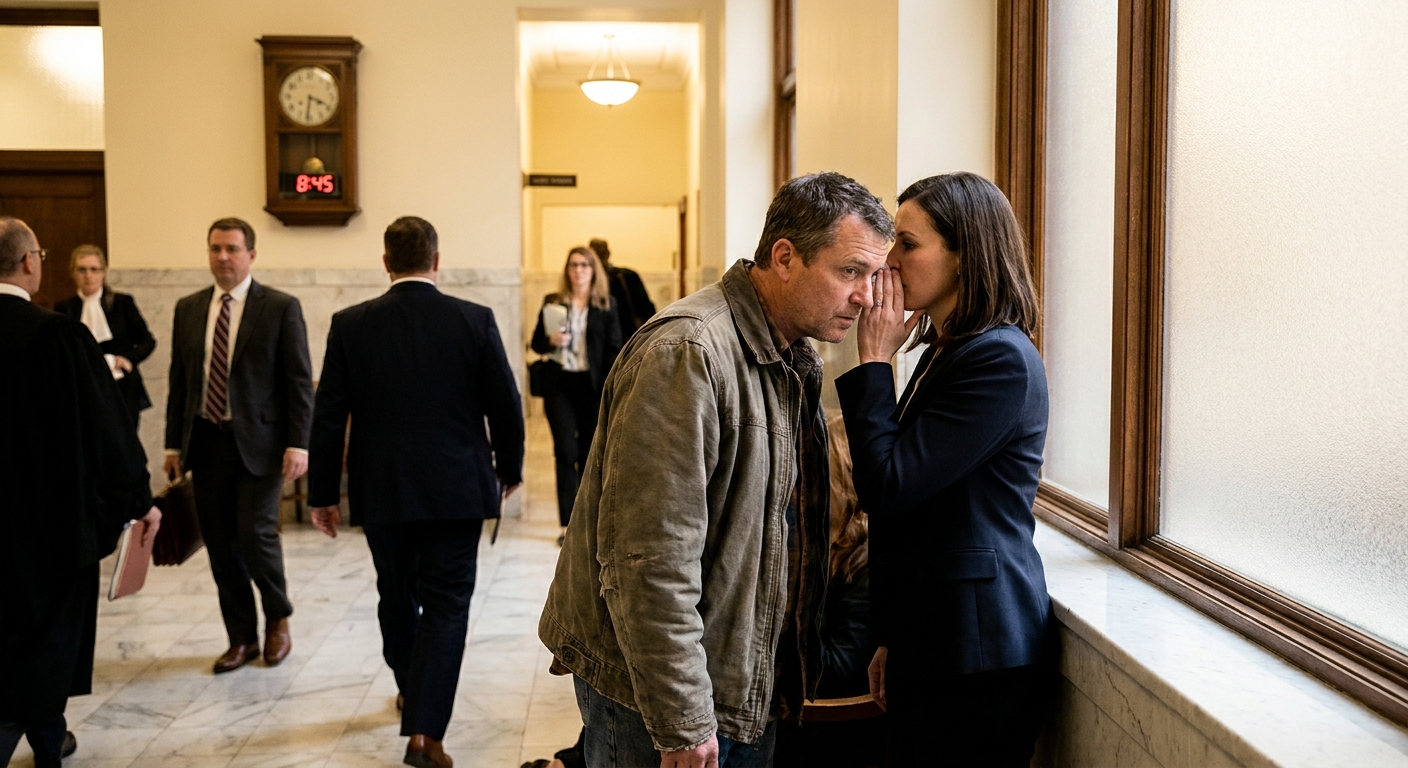
- Do not discuss case facts in the hallway. Courthouses are public spaces, and you do not always know who is listening.
What happens after
After arraignment, the case typically moves into pretrial phases. Depending on the jurisdiction and the charge level, the next steps can include:
- Discovery, where the prosecution turns over evidence as required by law.
- Motions, such as motions to suppress evidence under the Fourth Amendment.
- Plea negotiations.
- Hearings on bail modification, protective orders, or evidence issues.
- Trial, if the case does not resolve earlier.
Arraignment is not the end. It is the system’s first formal checkpoint: this is the accusation, this is the schedule, and these are the rules that will govern what happens to your liberty next.
In one sentence
An arraignment hearing is a formal court step where charges are confirmed, rights and counsel are addressed, a plea is entered, and the court sets the conditions and schedule that carry the case into its next phase.
FAQs
Can charges change after arraignment?
Yes. Charges can be amended or replaced depending on the evidence, grand jury action, plea negotiations, or prosecutorial decisions, subject to procedural rules and constitutional limits.
Will I have to speak?
Usually very little. The court may ask basic questions and request a plea. Your lawyer can speak for you on most issues. Avoid volunteering facts about the incident.
Is it public?
In most cases, yes. Criminal proceedings are generally public, with some exceptions for sealed matters and specific privacy protections.
If I plead not guilty, does that mean trial?
No. A not guilty plea preserves your rights and forces the prosecution to carry the burden of proof. Many cases resolve later through dismissal, diversion, or plea agreements.
What if I miss my arraignment?
Missing court can have serious consequences. The judge may issue a bench warrant, set or raise bail, or impose additional conditions. If you missed a date, contact your lawyer or the court clerk immediately to learn the safest way to address it.
Is federal court different?
Often, yes. Federal cases commonly separate early steps into an initial appearance, an arraignment, and sometimes a detention hearing. States may use different labels or combine steps into one date.
Is this legal advice?
No. This is general information, not legal advice. Court procedures and deadlines are local, so if you are facing charges, talk to a licensed defense lawyer in your jurisdiction.