
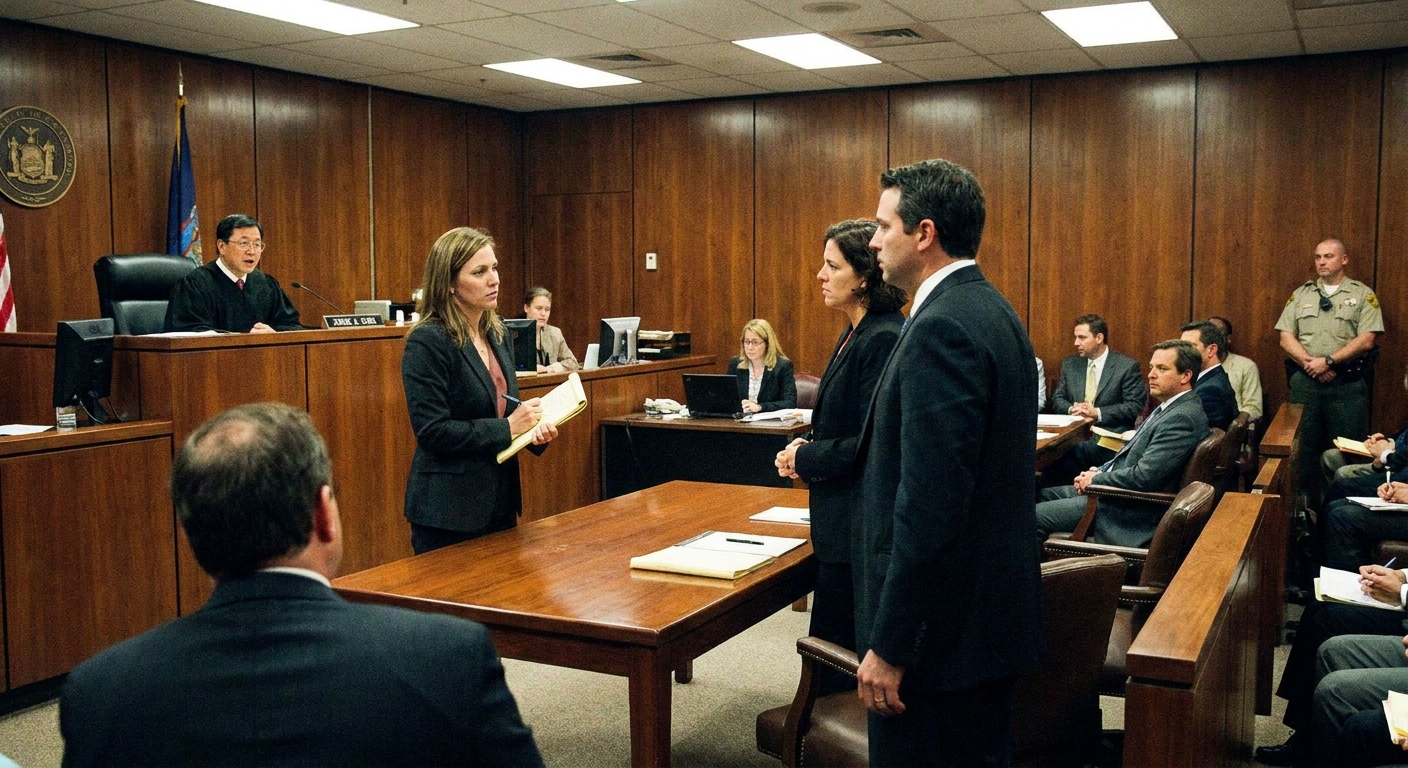
An arraignment hearing is the moment the criminal justice system stops being paperwork and becomes a public courtroom event. In many jurisdictions, it is the first time a judge addresses a defendant after formal charges are filed, although some courts start with a separate initial appearance or first appearance before arraignment. Either way, arraignment is where the case becomes official on the record: what you are accused of, how you plead, and what the court will do about release conditions and the next steps.
People often expect arraignment to look like a dramatic trial scene. It is not. Arraignment is short, procedural, and heavily scripted. But the stakes are real, because decisions made here can shape the rest of the case, especially release conditions and access to counsel.
Join the Discussion
Arraignment in plain English
An arraignment is a court hearing where a judge typically:
Formally informs the defendant of the charges (often by reading them or summarizing them).
Asks for a plea, typically guilty, not guilty, or in some jurisdictions, no contest (also called nolo contendere, which means you are not admitting guilt but you accept a conviction and sentencing).
Addresses release, which may include bail, bond, or other conditions like travel limits, firearm restrictions, or no-contact orders. In some places this is handled at a separate initial appearance or bail hearing instead of, or in addition to, the arraignment.
Confirms legal representation, including appointing a public defender if the defendant qualifies.
Sets the next dates such as a preliminary hearing, pretrial conference, or motion schedule.
In many cases, arraignment happens quickly after arrest. For federal cases, the initial appearance, detention hearing, and arraignment may be separate events or combined, depending on the court and timeline. In federal court especially, the question of detention can be addressed at the initial appearance and continued to a later hearing.
Why arraignment exists
Arraignment is a due process checkpoint. It forces the government to say, in open court, what it is accusing someone of doing. It also gives the defendant a structured opportunity to respond and to get the question of liberty addressed early in the case, whether that happens at arraignment itself or a closely related hearing.
In other words, arraignment is where constitutional principles meet real-world scheduling.
What happens at an arraignment
The court calls the case
The clerk or judge calls the defendant’s name and case number. The defendant is identified, and the court confirms basic information.
The charges are read or summarized
The judge explains the charges and often the potential penalties. This is not the trial. The court is not deciding guilt. It is making sure the defendant is informed.
The defendant is advised of key rights
Courts may give warnings or advisements about rights, including the right to counsel and, in some courts, reminders about the right to remain silent. The exact script varies by state, by judge, and by whether the case is misdemeanor or felony.
A plea is entered
Most defendants enter a not guilty plea at arraignment, even when they expect to negotiate later. That plea preserves defenses and forces the prosecution to prove its case. A guilty plea at arraignment is possible, but it is not the default, and it can waive important rights.
Release and bail may be decided
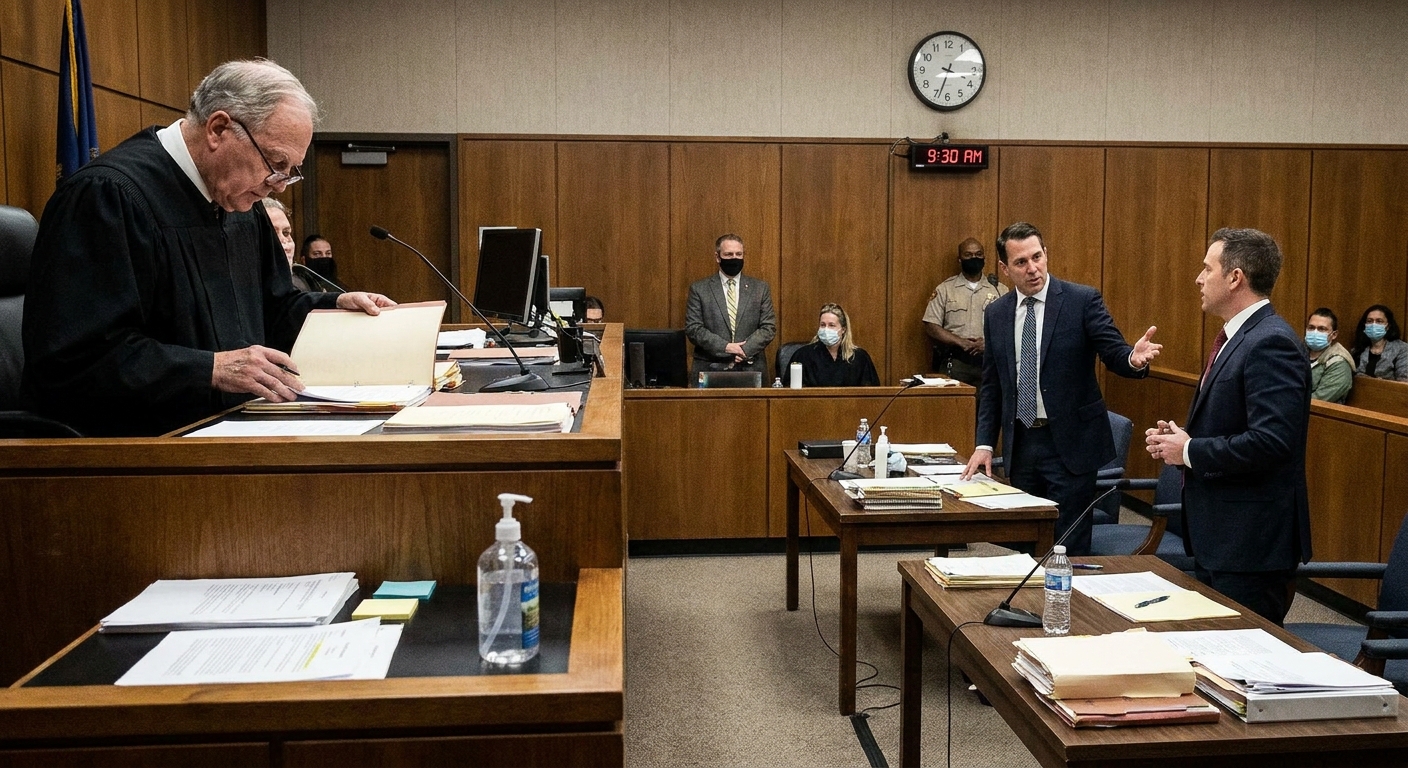
This can be the most consequential part of the early process. Depending on the jurisdiction, the judge may decide release at arraignment or schedule a separate bail or detention hearing. When the court does address release, it may:
Release the defendant on their own recognizance (no money bail)
Set a money bail or bond amount
Order supervised release conditions such as check-ins, electronic monitoring, drug testing, or a curfew
Issue protective orders, including stay-away or no-contact orders
In specified cases where allowed by law, order detention pending further hearings
Judges usually consider practical factors like the risk of missing court, community safety, prior failures to appear, the seriousness of the alleged offense, and ties to the community (work, housing, family). Prosecutors and defense attorneys typically argue these points, sometimes using pretrial services reports.
Rights that come up at arraignment
Arraignment is a procedural hearing, but it sits on top of constitutional bedrock. Here are the rights most directly implicated.
Right to counsel (Sixth Amendment)
The Sixth Amendment guarantees the right to assistance of counsel in criminal prosecutions. In practice, one of the first questions at arraignment or the first appearance is whether the defendant has a lawyer. If not, the court may appoint counsel for defendants who qualify financially.
For legal precision, the right to counsel is generally understood to attach when adversary criminal proceedings begin, but the exact trigger can vary (for example, filing of charges, indictment, or arraignment), and local procedure controls the timing.
That appointment matters. Without counsel, defendants can make damaging statements, agree to burdensome conditions, or misunderstand what the hearing is doing.
Notice of the charges and due process (Fifth and Fourteenth Amendments)
Due process is the idea that the government must follow fair procedures before depriving someone of life, liberty, or property. Arraignment helps satisfy due process by ensuring the defendant is told what the state claims they did and under what criminal statute.
Protection against excessive bail (Eighth Amendment)
The Eighth Amendment prohibits excessive bail. It does not guarantee that bail will be offered in every case, and it does not require that bail be affordable. But it does require that bail not be set as a disguised punishment or at an amount untethered from legitimate purposes like ensuring court appearance and community safety.
Right against self-incrimination (Fifth Amendment)
Arraignment is not a time to explain your side of the story. Defendants can be asked procedural questions, but they do not have to provide facts about the alleged offense. The safest assumption is that anything said in open court can be used later.
Arraignment vs. indictment
These terms get mixed up because they all happen early. They are not the same.
Arraignment is the formal notice of charges and entry of a plea, plus scheduling and, in many courts, release decisions.
Complaint (or information in some jurisdictions) is a charging document filed by a prosecutor. Many cases start this way, especially misdemeanors and some felonies.
Indictment is a charging document returned by a grand jury, used in many felony cases. If a case is indicted, arraignment may happen after the indictment is filed.
Preliminary hearing is a hearing where a judge decides whether there is probable cause to continue with felony charges (in jurisdictions that use it). It is more evidence-focused than arraignment.
Think of arraignment as the door opening. The complaint, information, or indictment is the document that states what the government says happened. A preliminary hearing, when it occurs, is an early test of whether there is enough to keep going.
What to expect in court
Most arraignments are brief. They may last only a few minutes per case, with many cases scheduled on the same docket.
Common realities
It can be crowded and fast-moving. Judges may handle dozens of arraignments in a session.
You may not get a full conversation with your lawyer in court. Many discussions happen quickly in the hallway or holding area.
The judge may impose conditions even if you are released. No-contact orders, stay-away orders, alcohol restrictions, travel limits, and firearm surrender conditions are common in certain case types.
The case usually does not end here. The normal outcome is a not guilty plea and another court date.

Pleading guilty at arraignment
Yes, it can happen, but it is important to understand what that means. A guilty plea is not just an admission. It is typically a waiver of multiple trial rights, including the right to confront witnesses and require the state to prove guilt beyond a reasonable doubt.
Courts must ensure a guilty plea is knowing, voluntary, and supported by a factual basis. Still, arraignment is rarely the best place for a snap decision, especially in cases with immigration consequences, licensing consequences, or mandatory minimum sentences.
If you are unsure, many defense lawyers will advise entering a not guilty plea at arraignment, securing counsel, and letting the case develop before making irreversible choices. This is general information, not individualized legal advice.
What happens next
After arraignment, the case moves into the pretrial phase. What comes next depends on whether the charge is a misdemeanor or felony and whether the case is state or federal, but common next steps include:
Discovery, where the defense receives police reports, witness statements, and other evidence
Pretrial motions, such as motions to suppress evidence under the Fourth Amendment
Plea negotiations between the prosecution and defense
Preliminary hearing (in some felony cases)
Trial scheduling if there is no plea agreement
If the defendant is in custody, time becomes leverage. That is why bail and detention decisions early in the case can indirectly shape plea outcomes, even when the formal purpose of bail is not punishment.
Is arraignment always required?
Something like an arraignment is common in American criminal procedure because the system needs a formal moment to advise of charges and take a plea. But the exact form varies:
Some minor offenses may be handled through citations and later appearances.
Some jurisdictions allow written pleas or waiver of arraignment for limited offenses.
Some courts handle arraignments by video or remote appearance, especially for brief procedural calendars.
Federal procedure has its own timeline, including initial appearance, detention hearing, and arraignment under the Federal Rules of Criminal Procedure.
If you are searching this topic because you or someone you care about has an upcoming hearing, the most important takeaway is this: procedures are local. The constitutional principles are national, but the schedule, terminology, and typical outcomes can change by courthouse.
Questions to ask your lawyer
What charges are filed, and what penalties are on the table?
Will the court address bail at this hearing or at a separate hearing, and what argument will we make?
What factors will the judge likely focus on in this courthouse?
Are there likely to be no-contact orders or other conditions?
Should I say anything in court beyond what is required?
What is the next court date, and what happens between now and then?
Arraignment is not where the system decides your guilt. But it is where the system decides how you will move through the process. That is why it matters.
A quick civic takeaway
The Constitution does not contain the word “arraignment.” Like so much of criminal procedure, it is a structure built around constitutional commands: due process, counsel, reasonable bail, and the rule that the government must prove its case.
Arraignment is one of the early moments when those promises are supposed to be visible in real time. Whether they are kept depends on what the judge does, what the lawyers do, and whether the defendant understands what is happening. In a constitutional republic, that last part is part of the design.